Okay, fellow tape travelers, let’s dim the lights, ignore the slight tracking fuzz, and talk about a film whose reputation practically arrived at the video store before the actual cassette did. I’m talking about Ishtar (1987), a movie that became a Hollywood punchline almost overnight. But here's the thing – sliding that chunky VHS into the VCR back then, maybe late on a Saturday night, sometimes revealed more than just the notorious bomb everyone whispered about. Sometimes, you found… well, something genuinely weird and ambitious, starring two absolute cinematic titans.
### The Pitch That Launched a Thousand Jokes
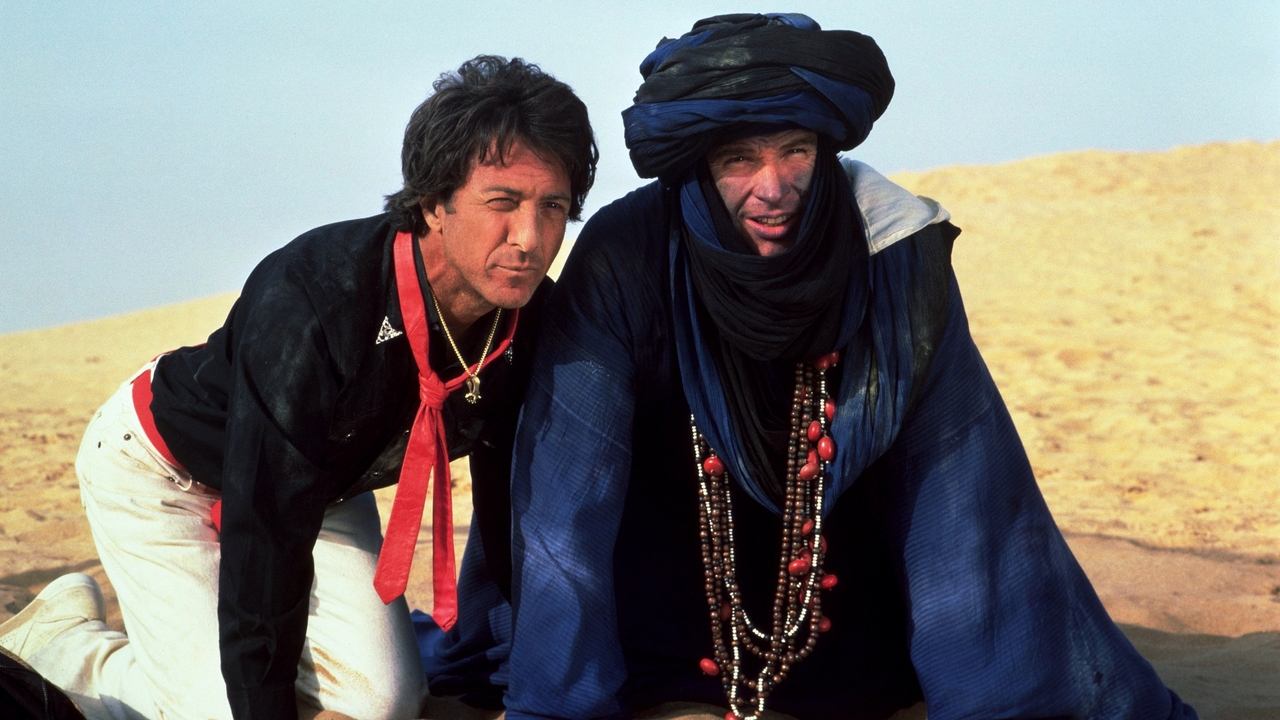
Picture this: It’s the mid-80s. Warren Beatty and Dustin Hoffman, fresh off decades of critical acclaim and box office gold, decide to re-team after their Dick Tracy (1990) connection (though Beatty directed that one much later, their friendship and desire to work together was known). They enlist the sharp, often brilliant writer-director Elaine May, known for acidic comedies like The Heartbreak Kid (1972) and the intense Mikey and Nicky (1976). The concept? A modern-day Hope & Crosby "Road to..." picture, following two hilariously inept lounge singers, Lyle Rogers (Beatty) and Chuck Clarke (Hoffman), who get accidentally embroiled in Cold War espionage in the fictional Middle Eastern country of Ishtar. On paper, it sounds like pure gold, right?
### From Morocco With Love (and Chaos)
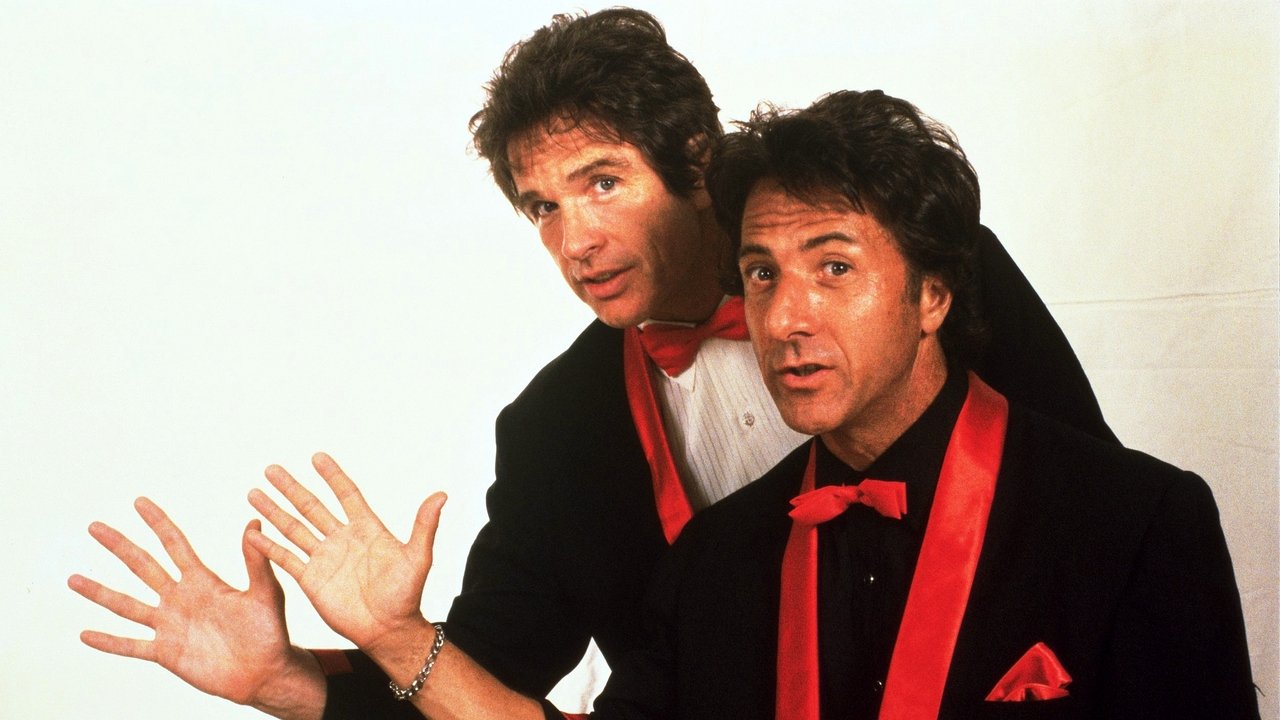
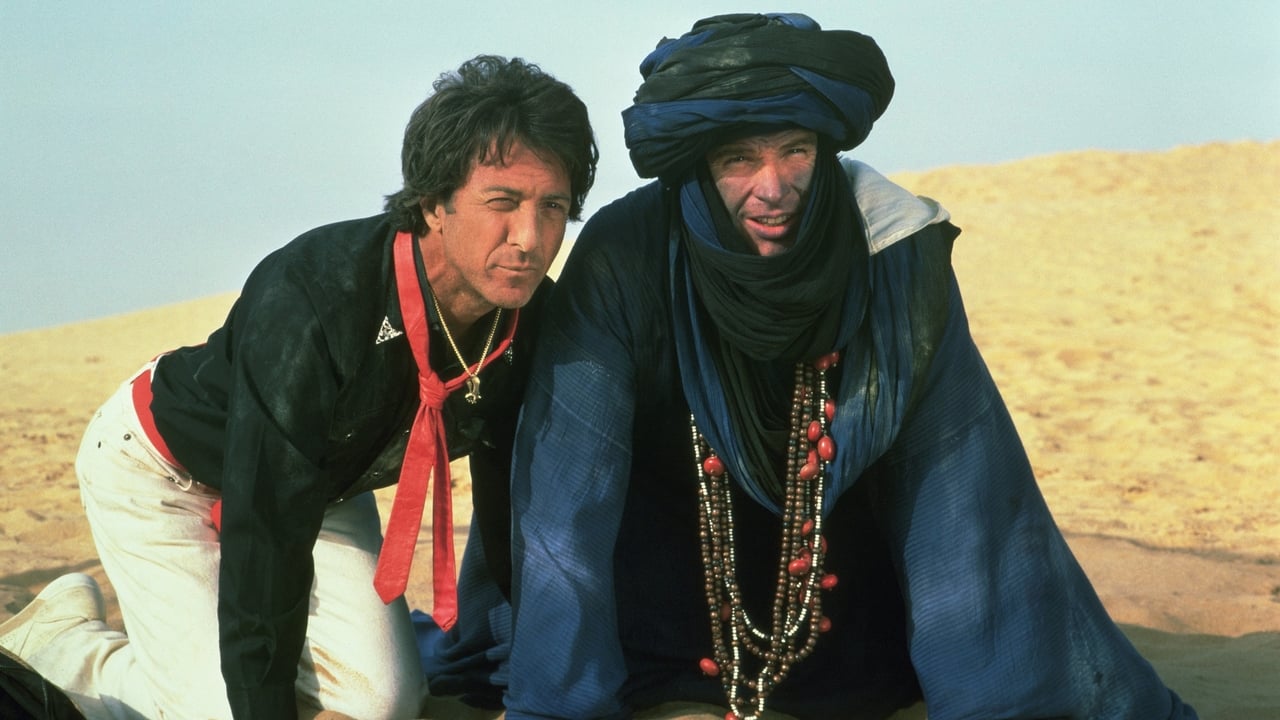
What unfolded was… complicated. Ishtar quickly became infamous for its ballooning budget – reportedly soaring north of $50 million, an astronomical sum back then (think well over $130 million in today's money!). Much of this went into the extensive location shooting in Morocco, aiming for an authentic, sprawling feel. And you see it on screen! Forget green screens; Elaine May dragged her crew and megastars into the actual desert. There's a tangible sense of place, the dusty markets, the vast, unforgiving landscapes – it feels real in a way that only practical location work can. This commitment to authenticity, however, reportedly contributed to the production headaches, with rumors of May’s painstaking perfectionism, demanding countless takes under challenging conditions. I remember watching the scope of it on my CRT, thinking, "Wow, they really went there," even if the jokes weren't always landing.
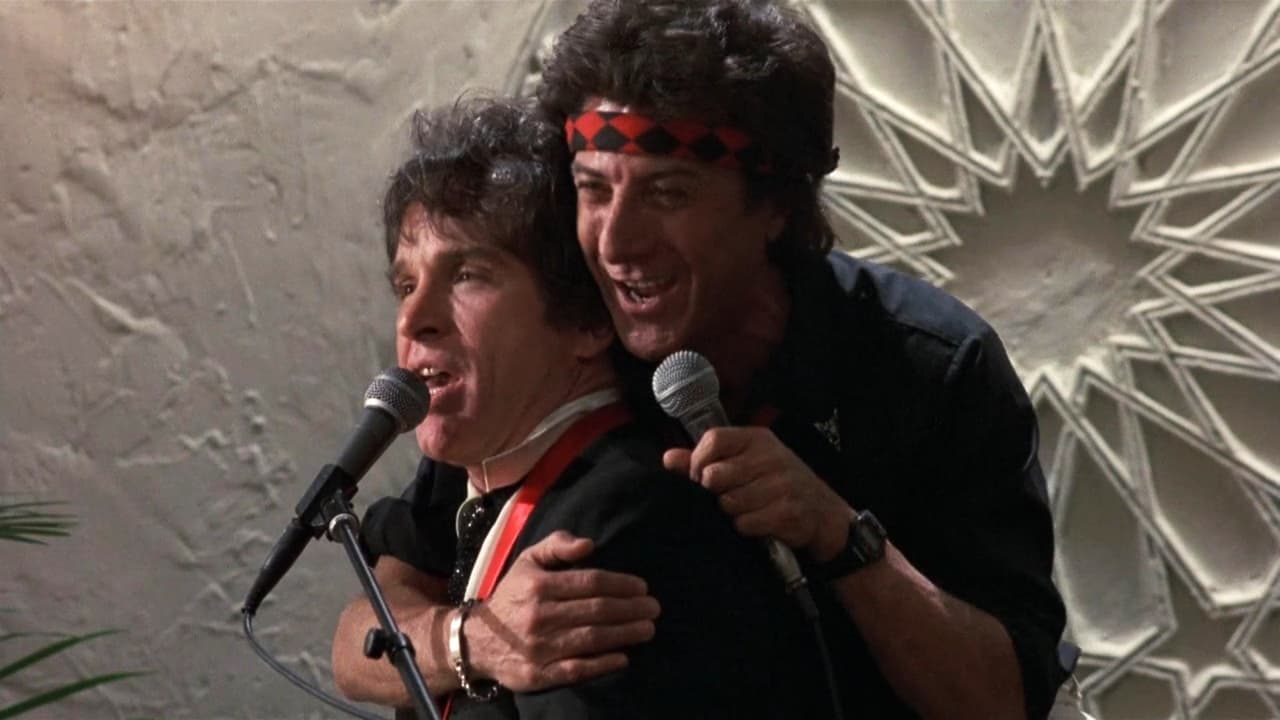
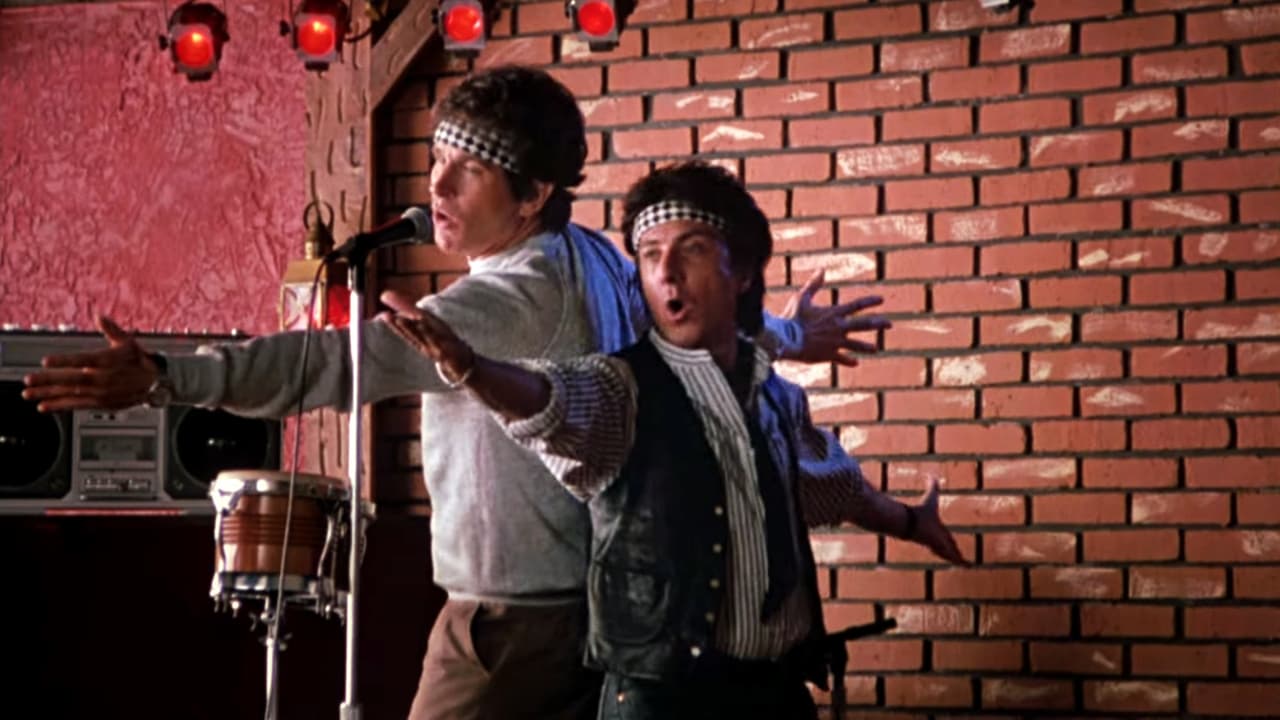
The central gimmick, of course, is that Rogers and Clarke are terrible songwriters. Their collaborations, penned with painful earnestness like "Dangerous Business" or the baffling "Wardrobe of Love," were actually crafted by legendary songwriter Paul Williams (yes, the man behind "Rainbow Connection"!) with instructions to make them convincingly awful, yet catchy in their own terrible way. And honestly? He succeeded. You will get these bizarre tunes stuck in your head. Hoffman and Beatty commit fully to the musical ineptitude, delivering these numbers with a straight-faced sincerity that’s part of the film's strange charm. Was it side-splittingly funny? Not always. But was it memorable? Absolutely.
### Stars Lost in the Desert
Dustin Hoffman plays Chuck as the more overtly neurotic, slightly desperate one, while Warren Beatty, in a rarer comedic turn, plays Lyle as the slightly dim, lady-killing optimist. Their chemistry is undeniable, built on years of real-life friendship, but sometimes it feels like they're operating in slightly different comedic orbits. Isabelle Adjani, as the mysterious revolutionary Shirra Assel, adds glamour and intrigue, though her character often feels more like a plot device to keep the espionage thread dangling than a fully fleshed-out person. Supporting players like Charles Grodin, as a hilariously deadpan CIA agent, often steal their scenes with understated absurdity. Grodin, who had worked magic with May before in The Heartbreak Kid, is a master of reacting to chaos, and he’s perfectly cast here.
The "action," such as it is, involves mistaken identities, blind camels, CIA plots, helicopter pursuits, and vulture negotiations. It’s more frantic farce than Die Hard, obviously. Remember how chaotic those old chase scenes could feel, cut together with maybe slightly less polish than today's hyper-smooth sequences? Ishtar has that vibe – a kind of bumpy, slightly unpredictable energy when things go sideways for our hapless heroes. It lacks the visceral punch of true 80s actioners, but the scale of the attempts, like helicopters buzzing over actual desert expanses, felt big at the time.
### The Legend vs. The Tape
The story behind Ishtar is almost more famous than the film itself. It bombed spectacularly at the box office, recouping less than a third of its massive budget, and was savaged by critics upon release. It became the poster child for Hollywood excess and directorial hubris. Finding this tape felt like uncovering forbidden knowledge – was it really that bad?
Watching it now, removed from the initial media frenzy? It’s… fascinating. It’s undeniably uneven, the tone wobbles between broad comedy, political satire (that mostly misfires), and adventure. Some jokes land with a thud. But it's also beautifully shot by cinematographer Vittorio Storaro (Apocalypse Now, The Last Emperor), features two legendary actors giving their all to profoundly silly material, and possesses a go-for-broke ambition that’s strangely admirable. It’s not the disaster its reputation suggests, nor is it a misunderstood masterpiece. It’s a glorious, expensive, baffling oddity. A relic from a time when studios might, just might, give talented people a mountain of cash to go make something utterly bonkers in the desert.
Rating: 6/10
Justification: While deeply flawed and tonally inconsistent, Ishtar's ambition, star power, genuine location work, and sheer weirdness earn it points. The infamous songs are memorably bad-good, and the Beatty/Hoffman chemistry provides some genuine charm amidst the chaos. It's far more interesting than its "worst movie ever" tag suggests, especially viewed as a curious artifact of 80s Hollywood excess.
Final Thought: Ishtar is the ultimate VHS rabbit hole find – a film whose behind-the-scenes legend is as epic as its on-screen adventure tried to be. It’s a reminder that sometimes, the biggest swings and misses are way more interesting to watch than a safe bunt. Definitely worth a spin if you find a copy gathering dust.