It begins not with a bang, nor even a whisper, but with a gentle drift into the ethereal. Made in Heaven (1987) isn't the kind of film that shouts its presence from the video store shelf; it possesses a quieter, more contemplative quality, like a half-remembered dream you're trying to piece back together. Watching it again now, decades after first sliding that tape into the VCR, feels less like revisiting a movie and more like accessing a particular, unique frequency of 80s filmmaking – one infused with earnest romance, philosophical questions, and a visual style that dared to be different.
A Glimpse Beyond the Veil
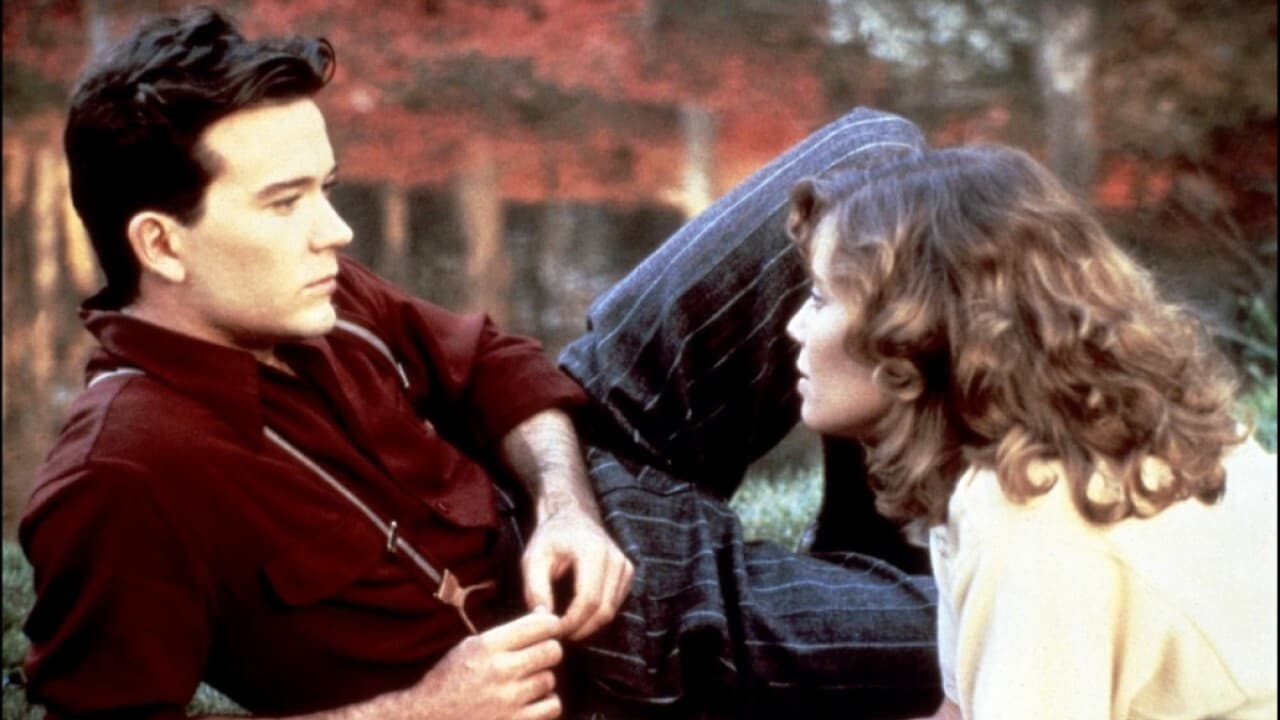
The premise itself holds a certain whimsical gravity. Mike Shea (a wonderfully earnest Timothy Hutton) drowns while saving a family, arriving in a soft-focus, artfully designed Heaven. It's here he meets Annie Packert (Kelly McGillis, radiating warmth and intelligence), a soul who has yet to experience life on Earth. They fall deeply, instantly in love, a connection portrayed with a sincerity that bypasses cynicism. Director Alan Rudolph, known for his distinctive, often melancholic character studies like Choose Me (1984), paints this afterlife not as clouds and harps, but as a stylized realm of possibility, overseen by the wonderfully quirky Aunt Lisa on Earth and, in Heaven, the enigmatic Emmett. Their celestial romance is the heart of the film's first act, establishing stakes that feel both deeply personal and cosmically significant. Can a love forged outside of time survive the harsh realities of earthly existence?
Earthbound Odyssey
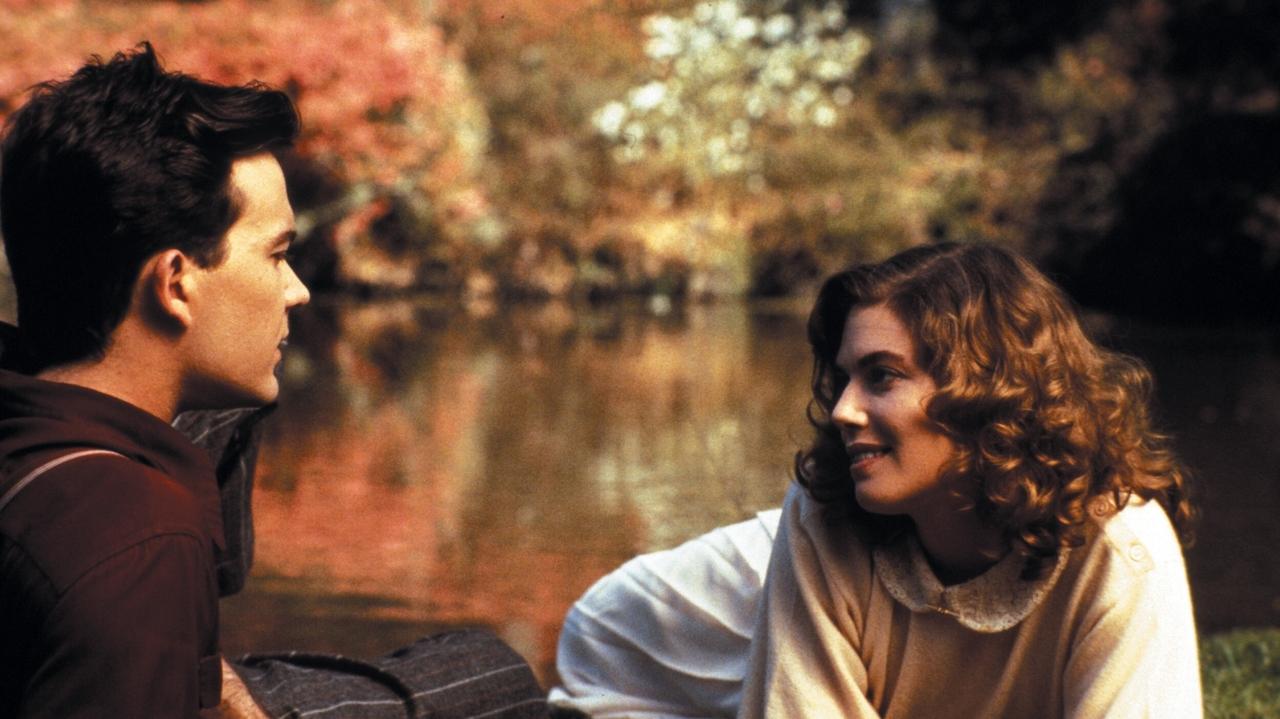
The cosmic rule is strict: souls only get one trip to Earth. Since Mike already lived his life, Annie must go alone, with the promise that Mike will be reincarnated and they'll have thirty years to find each other again. This sets up the film's central challenge, shifting the tone from heavenly bliss to a more grounded, sometimes poignant search across fragmented American landscapes of the 1980s. We follow Mike, reborn as Elmo Barnett, growing up unaware of his celestial past, driven by an inexplicable yearning. Simultaneously, Annie navigates her own life, shaped by different circumstances. The film cleverly plays with near misses and crossed paths, building a quiet tension. Will fate intervene, or is their connection strong enough to bridge the gap? It’s a narrative gamble that relies heavily on the audience investing in that initial heavenly bond.
Rudolph's Dreamlike Touch
Alan Rudolph's direction is key to the film's unique flavour. He eschews grand spectacle for a more intimate, atmospheric approach. Heaven is depicted with a deliberate theatricality – soft lighting, painterly backgrounds, a sense of serene detachment. Earth, by contrast, feels more tangible, occasionally gritty, capturing the specific textures of the era. Rudolph isn’t afraid of letting moments breathe, allowing the melancholy undertones of the search to surface. The visual language mirrors the film's core themes: the contrast between idealized love and the messy, unpredictable nature of life. It’s a style that might feel slow or meandering to some, but for those attuned to its rhythm, it creates a distinctive, almost hypnotic mood. The evocative score by Mark Isham further enhances this dreamlike quality, weaving seamlessly with well-chosen pop songs that ground moments in their specific time.
Faces Familiar and Hidden
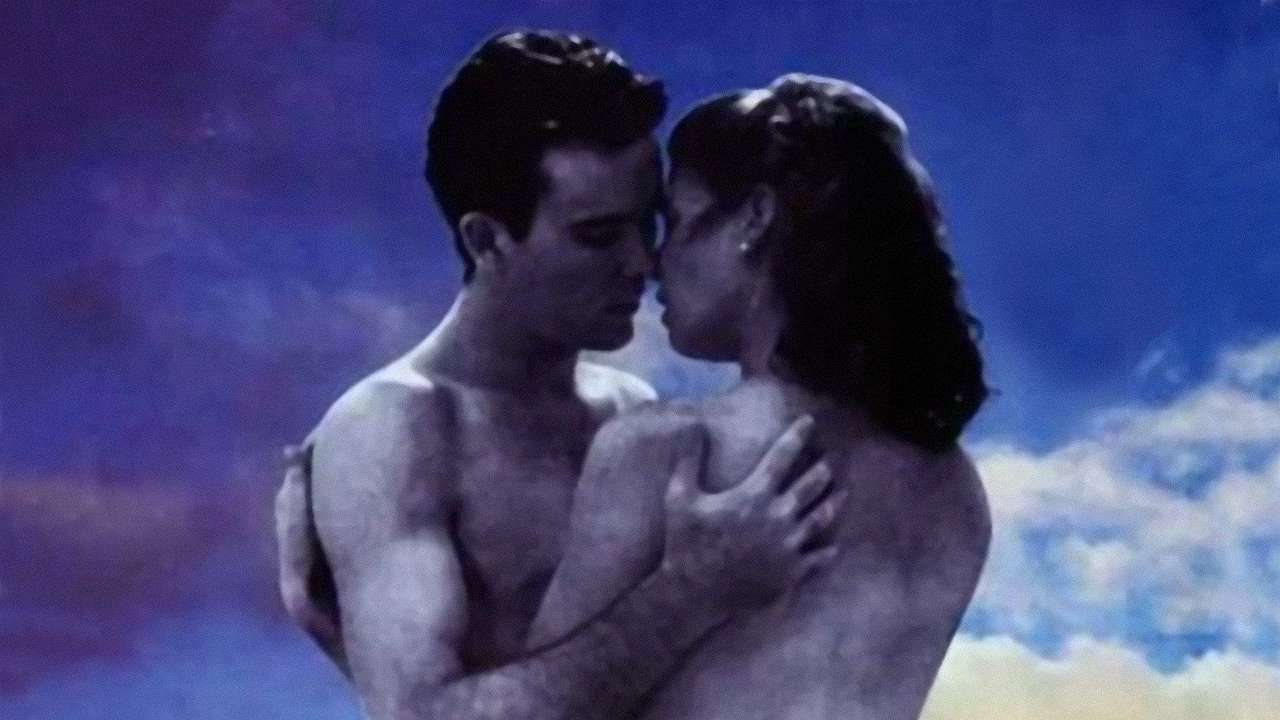
Timothy Hutton, fresh off films like Ordinary People (1980) and Taps (1981), brings a relatable vulnerability to Mike/Elmo. His quiet desperation during the search feels authentic. Kelly McGillis, then riding high from Top Gun (1986) and Witness (1985), imbues Annie with both strength and a soulful sensitivity. Their chemistry, particularly in the heavenly sequences, is believable and anchors the fantastical premise. And then there's Maureen Stapleton as Aunt Lisa, offering earthly wisdom with characteristic warmth.
But one of the film’s most intriguing bits of trivia lies in an uncredited performance. The androgynous, slightly mischievous heavenly guide Emmett is played, under convincing makeup, by none other than Debra Winger. It’s a fascinating choice, adding another layer to the film’s gentle subversion of expectations. Winger reportedly took the role as a favor and preferred to remain uncredited, making Emmett feel even more otherworldly. Adding to the quirky fabric are cameos from musicians like Tom Petty (as a bar owner, Stanky), Ric Ocasek (as the mechanic Shark), and even Neil Young contributing to the soundtrack – touches that feel very much of their time, little Easter eggs for eagle-eyed viewers. It’s also worth noting the script came from Bruce A. Evans and Raynold Gideon, the same duo who penned the beloved Stand by Me (1986) just a year prior – showcasing remarkable versatility in tone and subject matter.
Echoes of Fate and Memory
Beneath the romance, Made in Heaven gently probes questions about destiny, soulmates, and the persistence of memory across lifetimes. Does love conquer all, even the boundaries of existence? Or are we merely subject to the whims of fate? The film doesn't offer easy answers, preferring to leave the viewer pondering these ideas long after the credits roll. It didn’t set the box office alight upon release, reportedly grossing only $4.5 million against its budget (perhaps around $11 million against $24 million in today's money), but like so many unique visions from the era, it found a second life on VHS. It became one of those discoveries, a film you might have rented on a whim and found yourself unexpectedly moved by its earnest heart and unusual narrative. That quiet persistence feels fitting for a story about enduring connection.
***
Made in Heaven is a gentle anomaly in the landscape of 80s cinema. It’s a film built on sincerity, asking big questions with a quiet voice. While its pacing might test some modern viewers and its earnestness might occasionally brush against sentimentality, its unique blend of fantasy, romance, and existential yearning holds a distinct charm. The performances are heartfelt, Rudolph’s direction is assuredly atmospheric, and the core concept remains compelling. It's a film that rewards patience and an open heart, a perfect example of the kind of soulful oddity you could discover in the aisles of the video store.
Rating: 7/10 - A rating justified by its unique premise, heartfelt performances from Hutton and McGillis, Rudolph’s distinctive atmospheric direction, and its gentle exploration of profound themes. It loses points for occasional pacing issues and a certain earnestness that might not connect with all viewers, but its overall charm and emotional resonance make it a memorable piece of 80s fantasy romance.
Final Thought: It leaves you wondering not just about soulmates, but about those inexplicable connections and echoes of feeling that resonate through our own lives – a quiet hum beneath the surface, much like the film itself.