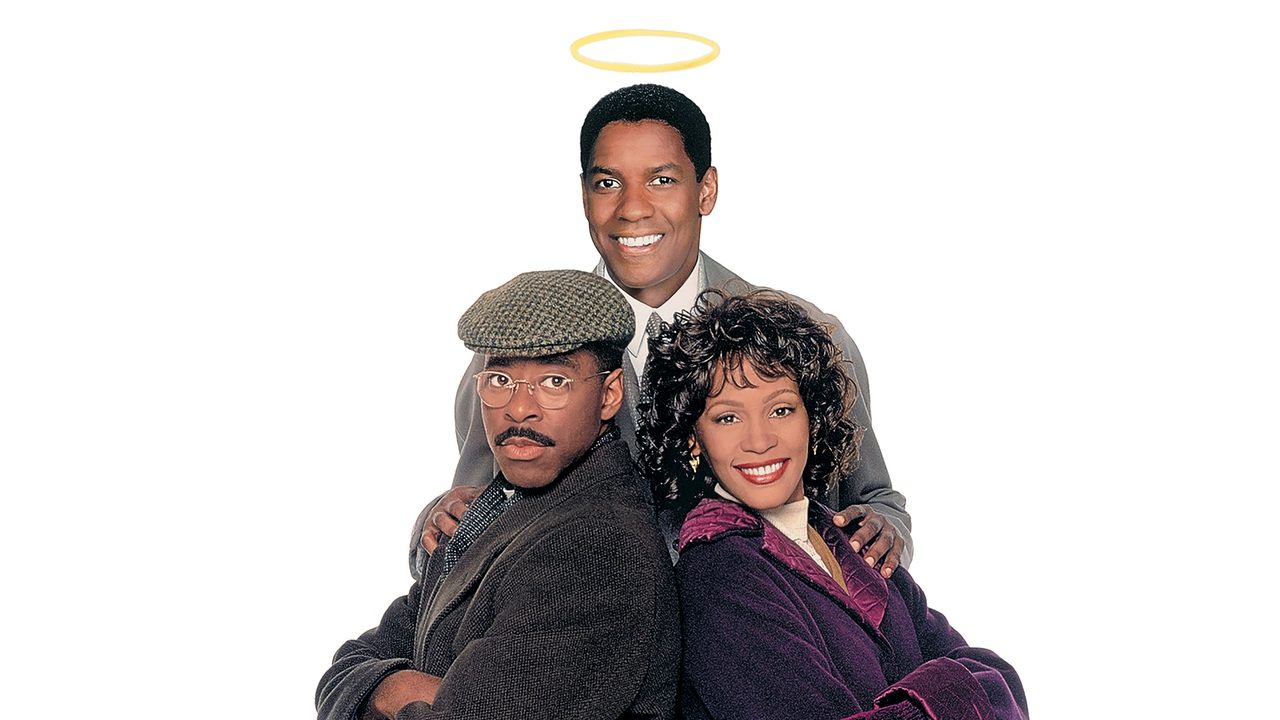
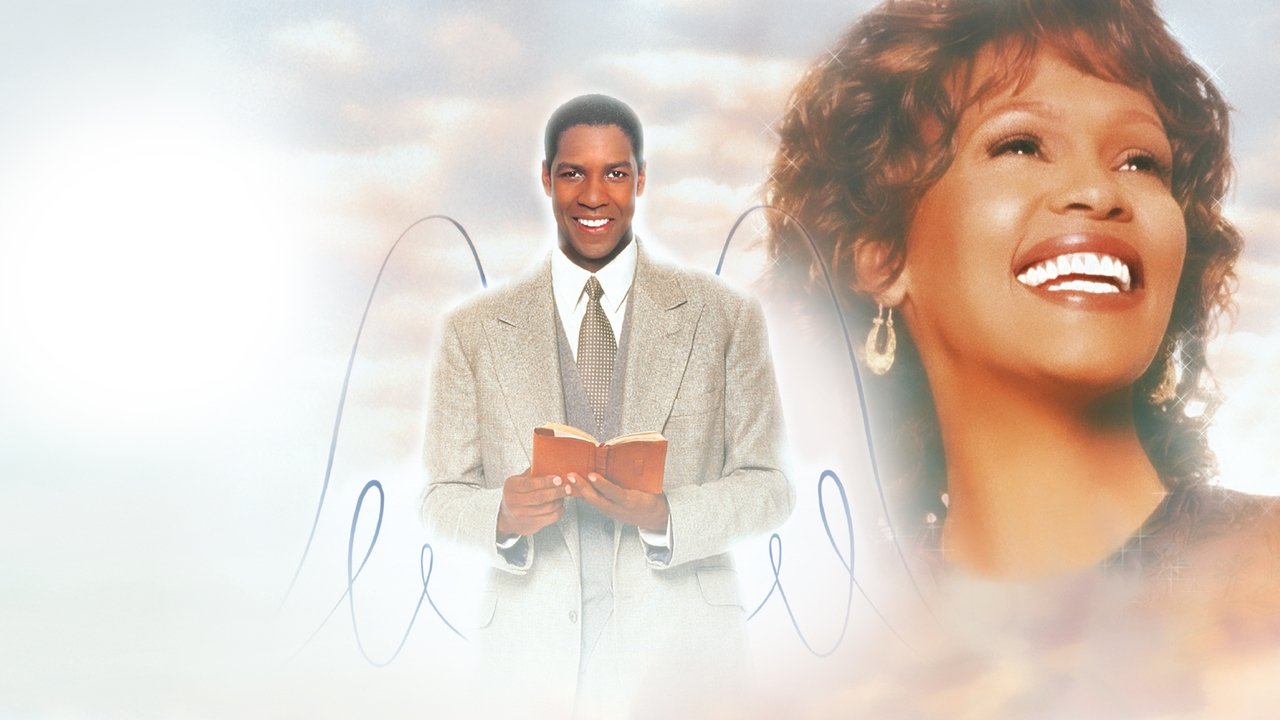
Okay, pull up a comfy chair, maybe pour yourself something warm. Let's talk about a film that arrived like a comforting blanket during the mid-90s holiday season, a VHS tape I distinctly remember feeling substantial in the hand, promising warmth and maybe a few tears: Penny Marshall's The Preacher's Wife (1996). It wasn't just another festive offering; it felt like an event, largely thanks to the celestial wattage of its stars. Seeing Denzel Washington and Whitney Houston together on the cover art? That alone was enough to make you reach for it on the rental shelf.
An Angel Walks Among Us
The premise echoes a golden-age classic, 1947's The Bishop's Wife, but Marshall, working from a script credited to Nat Mauldin and Allan Scott (with earlier contributions acknowledged), transplants the story to a struggling Baptist church community in contemporary New York City. Reverend Henry Biggs (Courtney B. Vance) is a good man buckling under the weight of his calling. His church is crumbling, his community is fraying, and his marriage to the vibrant Julia (Whitney Houston), a former nightclub singer now devoted choir leader, is strained by his consuming worries. Enter Dudley (Denzel Washington), an angel sent not with a booming voice from the heavens, but with an easy smile, impeccable style, and an almost unsettling charm. His mission: to help Henry rediscover his faith and purpose. But Dudley's methods, and his undeniable connection with Julia, complicate matters considerably.
Faith, Doubt, and Dazzling Charisma
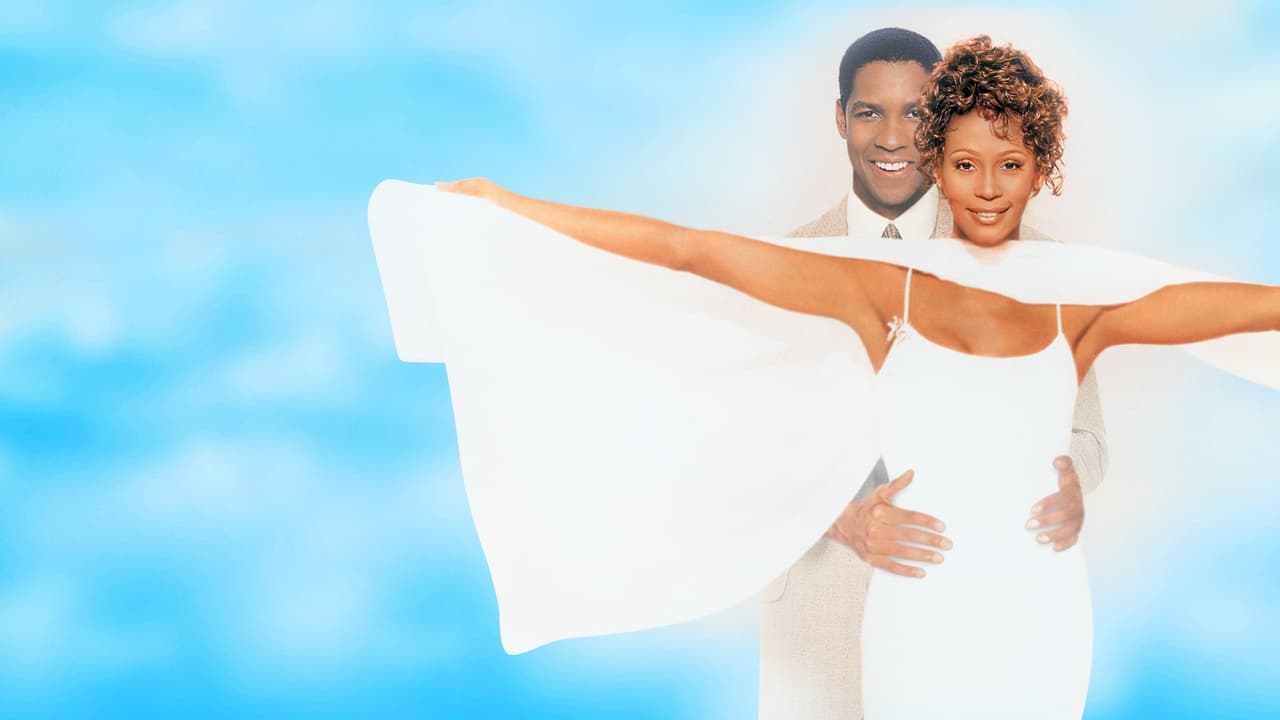
What truly elevates The Preacher's Wife beyond a simple remake is the lived-in reality Penny Marshall brings to the community and the undeniable power of its central performances. Courtney B. Vance delivers a performance steeped in quiet desperation and believable exhaustion. He isn’t just a generic man of faith; he’s a husband, a father, and a leader stretched thin, his internal struggles etched onto his face. You feel the weight on his shoulders, the moments where his faith genuinely falters. It’s a portrayal that grounds the film’s more fantastical elements.
Then there's Denzel Washington as Dudley. It's fascinating to learn that Washington was initially offered the role of the Reverend but actively pursued playing the angel, a role immortalized by Cary Grant in the original. Where Grant was sophisticated and perhaps a touch aloof, Washington brings an infectious, street-smart warmth. His Dudley is charming, yes, almost dangerously so, but there's also a genuine sense of wonder and empathy in his interactions. He uses his charisma not just to dazzle, but often to subtly guide and provoke. It's a performance that absolutely radiates star power, making you understand why everyone, including Julia, might be drawn into his orbit.
And Whitney Houston... In Julia, she finds a role that beautifully bridges her own persona as a global music icon with a relatable portrayal of a woman rediscovering her voice, both literally and figuratively. Julia isn't just the "preacher's wife"; she's a woman with her own past, her own desires, and her own simmering frustrations. Houston navigates the emotional complexities well, particularly the unspoken tension and burgeoning connection with Dudley. Of course, when Julia sings, the film simply stops and lets Whitney Houston be Whitney Houston. Those gospel numbers, recorded live on set for authenticity, are electrifying moments that feel less like musical interludes and more like pure, unadulterated expressions of joy and spirit. It's no surprise the accompanying soundtrack became the best-selling gospel album of all time – it’s woven into the very soul of the film.
The Marshall Touch and Retro Reflections
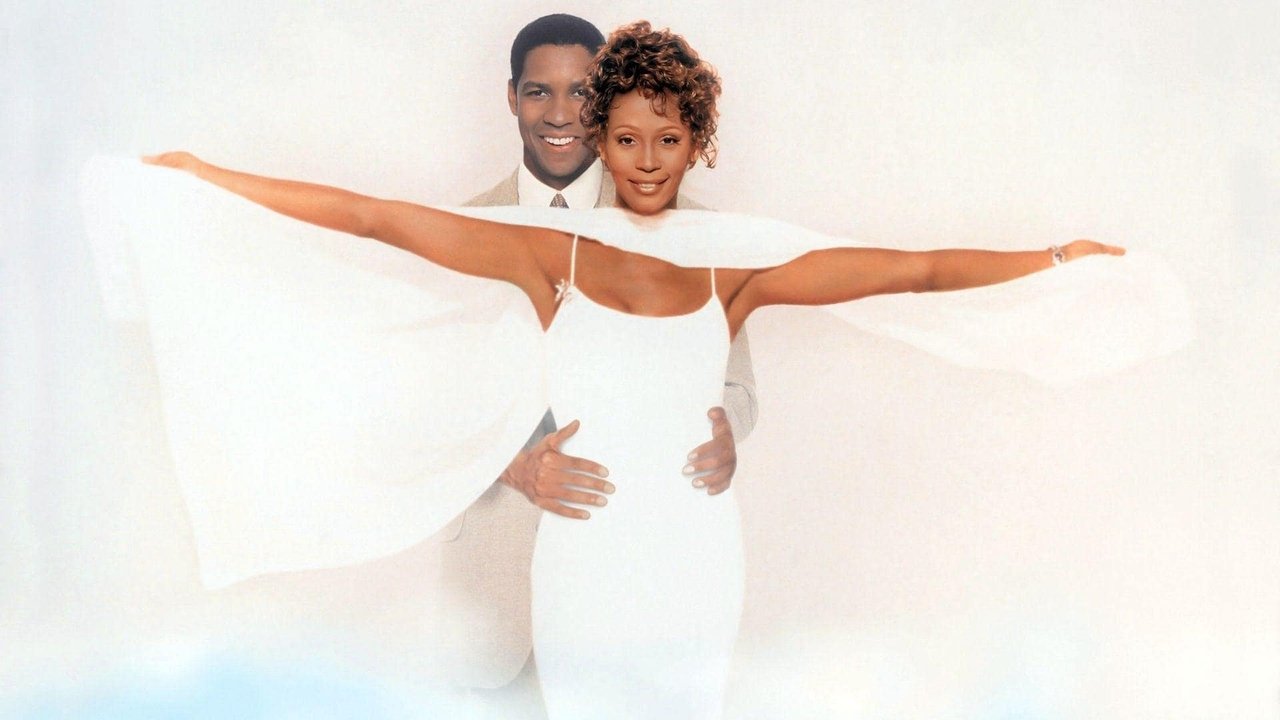
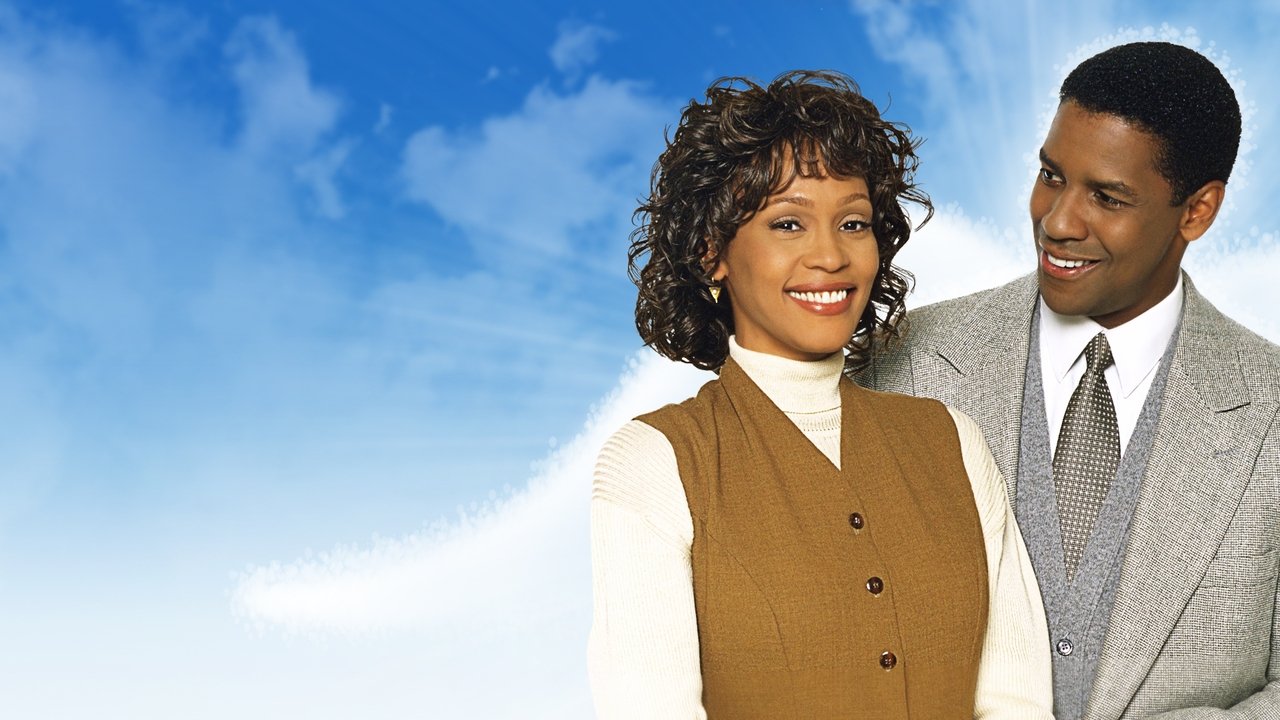
Penny Marshall, known for her warm touch with character-driven stories like Big (1988) and A League of Their Own (1992), proves a perfect fit here. She skillfully balances the humor, the romance, and the moments of genuine spiritual reflection. The film isn't afraid to be sincere, a quality sometimes lacking in more cynical times. Marshall allows moments to breathe, letting the chemistry between the leads simmer and giving space for the strong supporting cast, including the ever-reliable Jenifer Lewis as Julia's sharp-tongued mother and the wonderful Loretta Devine, to shine. Even the late, great Gregory Hines makes a memorable appearance as a calculating property developer.
It's interesting to note that while the film, budgeted around $40 million, was only a modest success at the box office (grossing about $48 million domestically), its cultural impact, fueled heavily by Houston's soundtrack, felt much larger. It became a staple of holiday viewing for many, a comforting presence on TV screens alongside older classics. Watching it now, there's a certain sweetness, an earnestness that feels distinctly of its time. Does it occasionally lean into sentimentality? Perhaps. Is the plot trajectory somewhat predictable if you know the original? Sure. But its strengths – the heartfelt performances, the incredible music, the genuine sense of community spirit – remain potent.
The film captures a specific mid-90s aesthetic, grounded yet hopeful. Filming in locations like Yonkers, New York, adds a layer of authenticity that prevents the story from floating away entirely on its angelic premise. It tackles themes of gentrification, community erosion, and marital strain with a gentle but firm hand, reminding us that even with heavenly intervention, human problems require human effort and connection.
Rating: 7/10
This score reflects a film that succeeds beautifully on the strength of its charismatic leads, its soul-stirring music, and its genuine warmth, expertly guided by Penny Marshall. Denzel Washington is magnetic, Whitney Houston is radiant (and her vocals are transcendent), and Courtney B. Vance provides the necessary emotional anchor. While it might feel a touch too sweet or leisurely paced for some, and perhaps doesn't quite reach the timeless perfection of its 1947 predecessor, The Preacher's Wife earns its place as a beloved 90s comfort movie. It’s a film carried by immense heart and talent, offering a message of faith and resilience that still resonates.
What lingers most, perhaps, isn't just the heavenly intervention, but the reminder of the power found in community, in song, and in simply showing up for one another – a message that feels just as necessary now as it did when this tape first landed in our VCRs.