It often arrives unannounced, doesn't it? That particular ache of grief. Not the dramatic, tearing-of-hair kind Hollywood sometimes favors, but the quiet, persistent hum beneath the surface of everyday life. It's this very specific, deeply human frequency that Anthony Minghella's Truly Madly Deeply (1991) tunes into with such devastating accuracy, making it a film that lingers long after the credits roll and the VCR clicks off. Forget the easy comparisons sometimes drawn to Ghost (1990); this is something far more raw, intimate, and unsettlingly familiar.
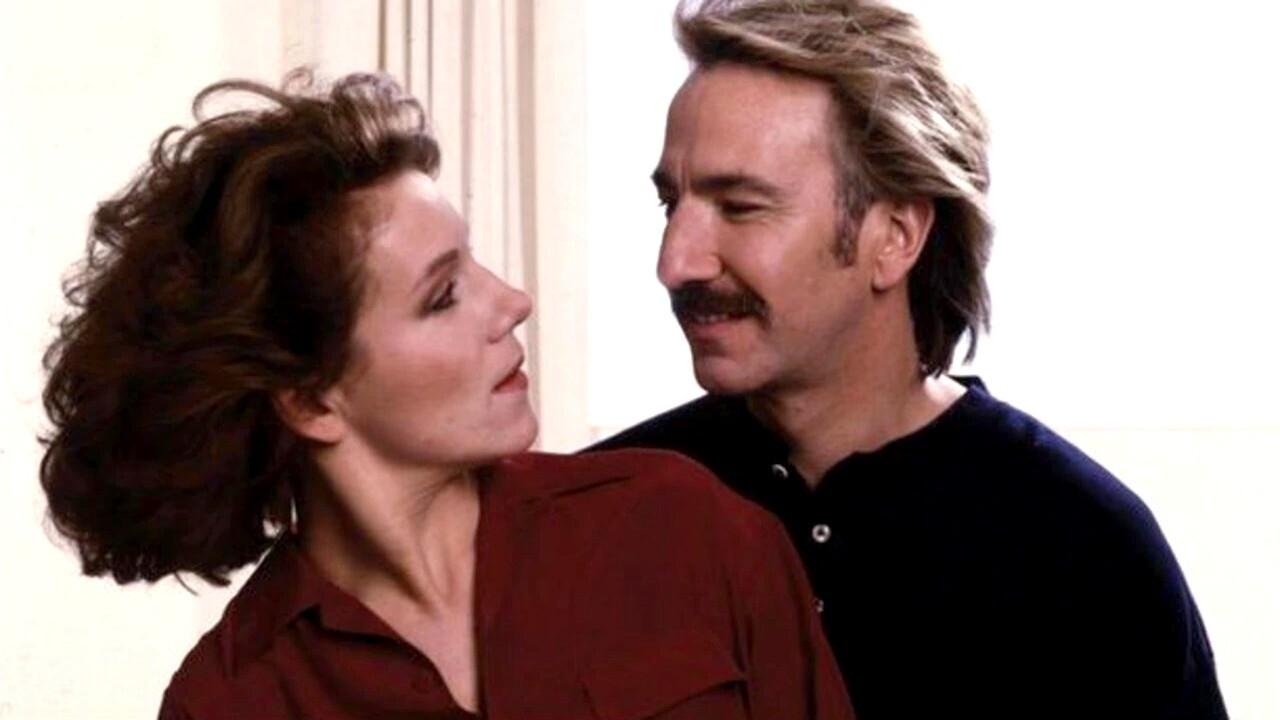
A Portrait of Loss, Unvarnished
At its core, the film is an exploration of Nina (Juliet Stevenson), a translator drowning in sorrow after the sudden death of her cellist partner, Jamie (Alan Rickman). Her London flat is a mess, mirroring her internal state. Rats become an unwelcome presence, a tangible manifestation of the decay settling into her life. There's a profound authenticity here, a refusal to romanticize grief. It’s portrayed as messy, isolating, sometimes even infuriatingly mundane. Stevenson’s performance is nothing short of a revelation. She doesn't just act grief; she inhabits it, embodying the unpredictable swings between uncontrollable sobbing, numb detachment, and flashes of anger. It’s a performance built on small, devastating details – the way she clutches Jamie’s cello, the vacant stare, the sudden, sharp intake of breath. Minghella, in his feature film directorial debut (having previously worked extensively in British television), reportedly wrote the screenplay specifically for Stevenson, and that deep understanding between writer/director and actor absolutely radiates from the screen.
When the Past Won't Stay Buried
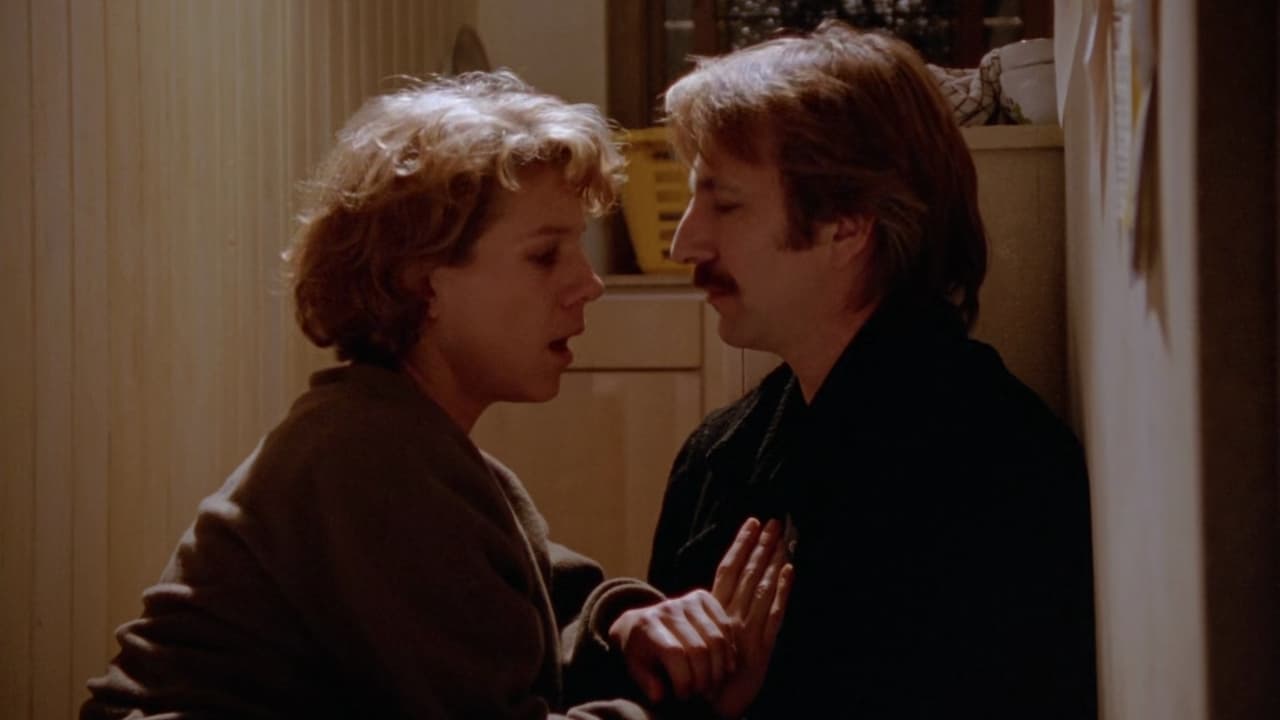
Then, the fantastical happens, but with a distinct lack of fanfare. Jamie returns. Not as an ethereal, shimmering presence, but as... well, Jamie. Solid, tangible, and complaining about being cold. This is where Truly Madly Deeply truly distinguishes itself. Jamie's return isn't a comforting fantasy fulfilled; it's complicated, inconvenient even. He brings his spectral musician friends, they rearrange the furniture, they turn up the heating constantly, they watch videos loudly. It's the bittersweet reality of getting what you wished for, only to find it doesn't quite fit anymore. Alan Rickman, often known for more imposing or arch roles even then (think Hans Gruber in Die Hard (1988)), is wonderfully tender and subtly frustrating here. He captures the essence of the man Nina loved, but also the inescapable fact that he belongs to a past she must, eventually, move beyond. His cello playing, a skill Rickman diligently practiced to appear convincing on camera (though the sound was professionally dubbed), becomes a poignant symbol of their connection, both beautiful and ultimately spectral.
More Than Just a Ghost Story
What Minghella crafts isn't merely a supernatural romance, but a profound meditation on memory, love, and the arduous process of healing. Is Jamie truly back, or is he a manifestation of Nina's inability to let go? The film wisely leaves room for interpretation. The "ghosts" could be seen as representing the overwhelming power of memory, the way the past can feel suffocatingly present when we're lost in grief. They are loud, demanding, and occupy space, much like cherished memories can crowd out the possibility of a future. The introduction of Mark (Michael Maloney), a gentle social worker who offers Nina a tentative connection back to the living world, highlights the central conflict: clinging to the phantom limb of a past love versus embracing the uncertain potential of a new beginning.
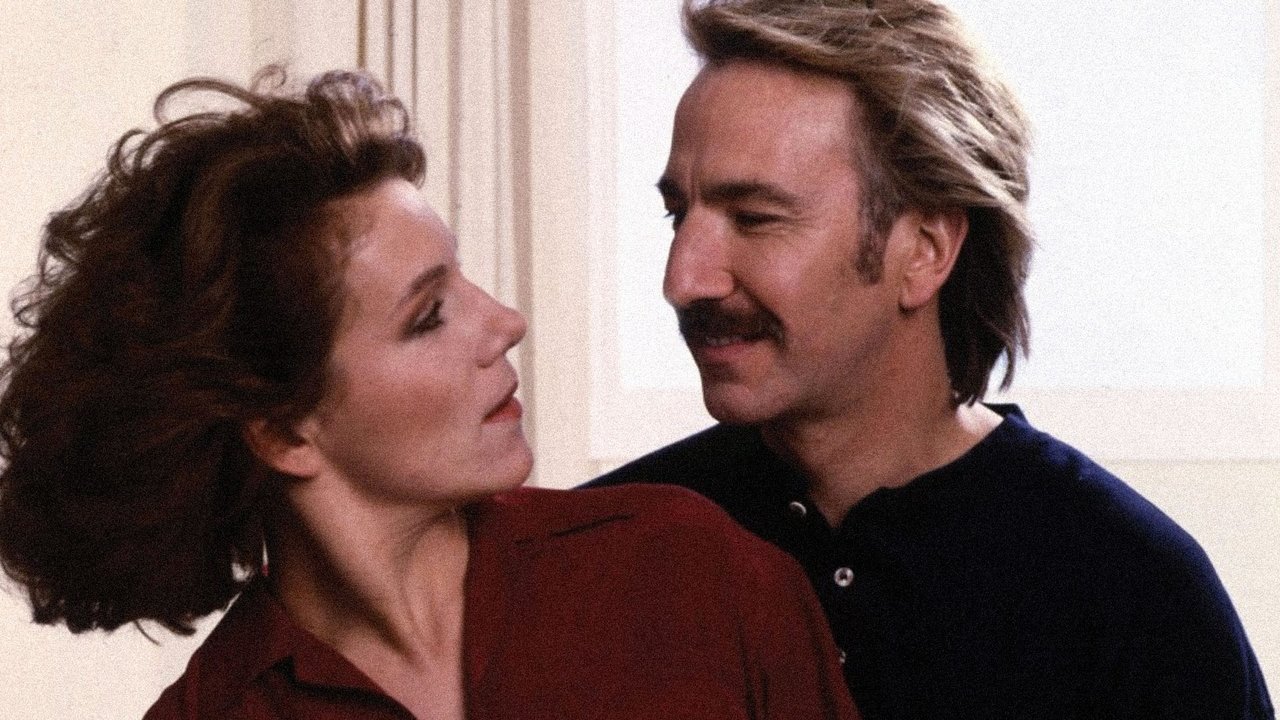
From Small Screen Gem to Arthouse Hit
It's fascinating to remember that Truly Madly Deeply began life quite humbly. Originally produced for the BBC's Screen Two anthology series under the working title Cello, it was shot in just 28 days on a shoestring budget of around £350,000 (roughly $600,000 USD at the time). Much of it was filmed in real, slightly cramped North London locations, contributing immensely to its grounded, authentic feel. Its subsequent breakout success in cinemas felt like a victory for heartfelt, character-driven storytelling. It resonated deeply, earning BAFTA awards for Minghella's original screenplay, Stevenson's heart-wrenching lead performance, and Rickman's subtly complex supporting role. It proved that audiences were hungry for emotional honesty, even wrapped in a fantastical premise. This wasn't just a rental; for many, myself included, discovering this film on VHS felt like unearthing a hidden treasure, something quietly profound tucked away on the drama shelf.
Rating and Final Reflection
Truly Madly Deeply is a film that burrows under your skin. It avoids easy sentimentality, offering instead a complex, sometimes uncomfortable, but ultimately hopeful look at the messy reality of loving, losing, and finding the strength to move forward. The performances are pitch-perfect, capturing nuances of human emotion that feel startlingly real.
Rating: 9/10
This rating reflects the film's exceptional emotional depth, the powerhouse performances from Stevenson and Rickman, and Minghella's sensitive, intelligent script and direction. It transcends its low-budget origins to deliver something genuinely moving and insightful. It might lack the visual polish of bigger productions, but its emotional honesty is its greatest strength, making the justification for a near-perfect score clear. It’s a film that asks us: how do we keep treasured memories alive without letting them keep us captive? A question that echoes long after the tape stops.