Okay, fellow travelers on the magnetic tape highway, let's rewind to a time when the turn of the millennium felt just around the corner, and a simple journey on the London Underground could splinter a life into two distinct realities. We're talking about Sliding Doors, the 1998 film that didn't just entertain us but etched its very title into the lexicon as shorthand for those pivotal, split-second moments that change everything. Remember grabbing this one from the shelf, perhaps drawn in by the intriguing premise or the rising star power of its lead?
A Tale of Two Timelines
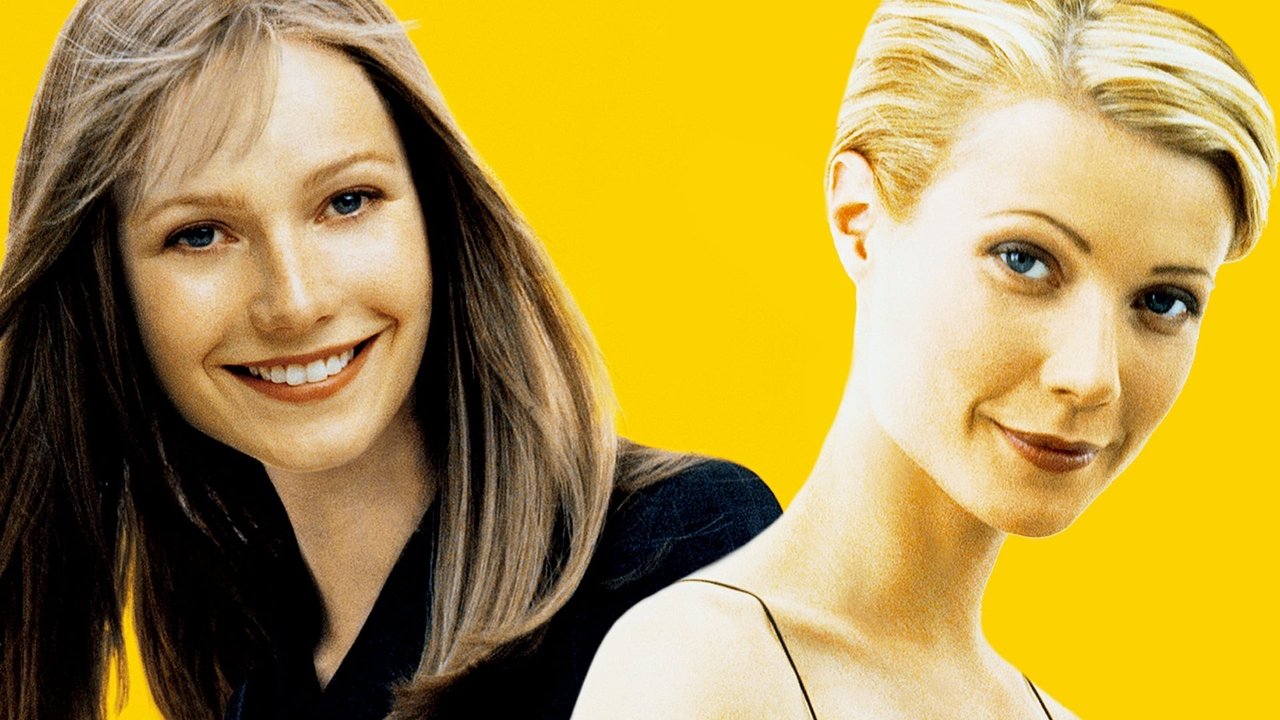
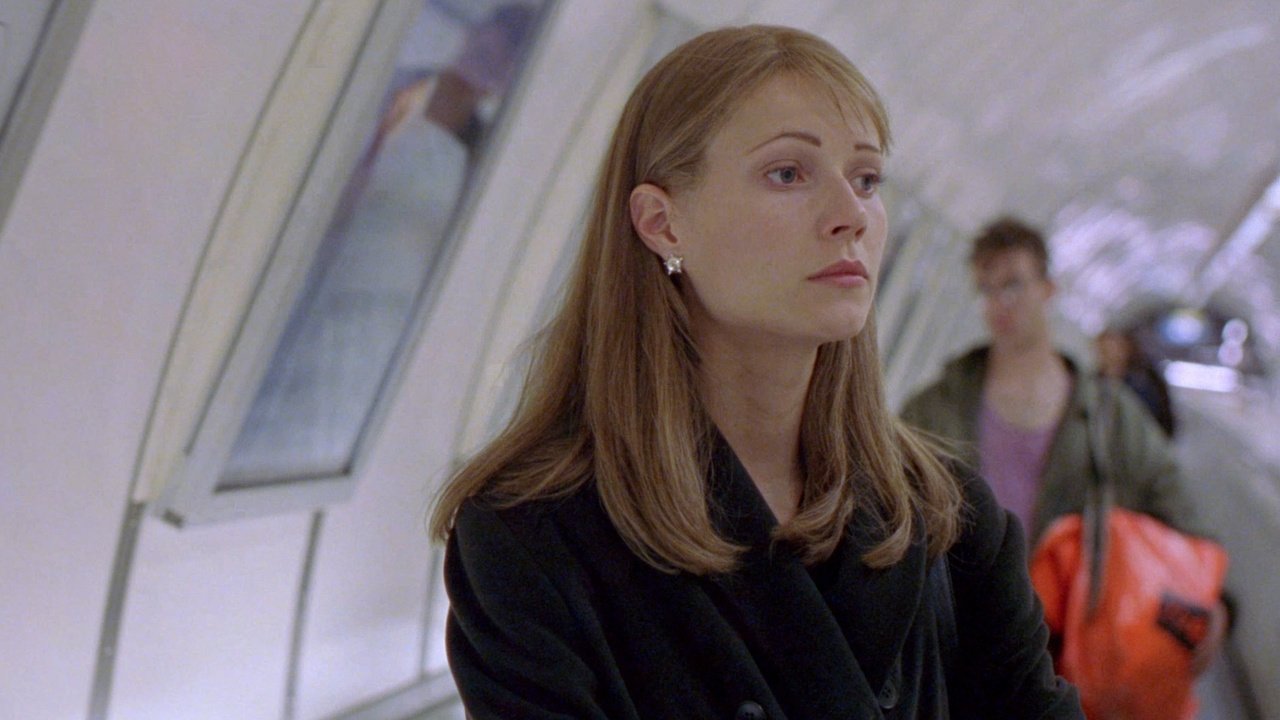
The premise, conceived and brought to the screen by actor-turned-director Peter Howitt in his filmmaking debut, remains wonderfully elegant in its simplicity. We meet Helen Quilley (Gwyneth Paltrow), a London publicist who gets unceremoniously fired. Rushing for the Tube, she either just makes the train or just misses it. And from that single, seemingly minor divergence, two parallel narratives unfold. One Helen arrives home early, catching her charmingly feckless boyfriend Gerry (John Lynch) in bed with his American ex, Lydia (Jeanne Tripplehorn). The other Helen gets mugged, arrives late, and remains blissfully, painfully unaware of Gerry’s ongoing deception. It's a concept born from Howitt's own experience – he reportedly narrowly avoided being hit by a car, prompting him to ponder the different path his life might have taken had he been seconds later. That real-life 'what if' blossomed into this clever cinematic exploration.
Paltrow's Dual Performance
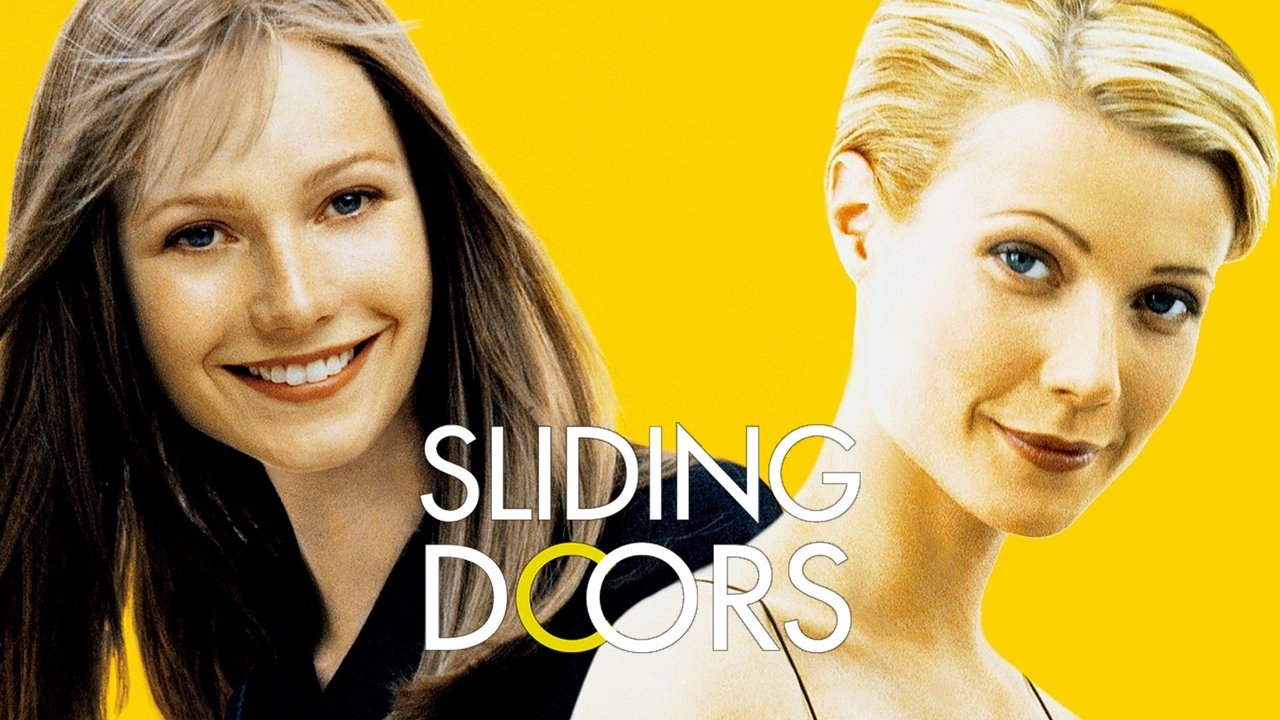
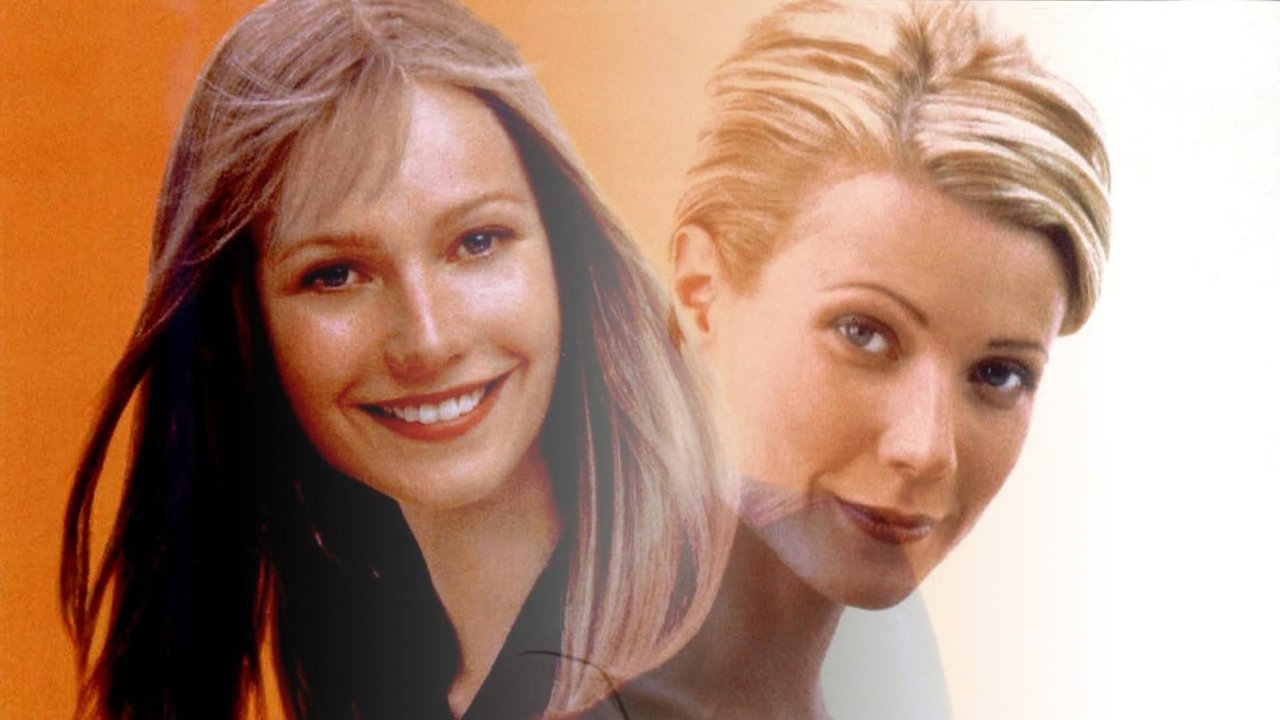
What truly anchors the film, preventing the high-concept premise from feeling like a mere gimmick, is the central performance. This was peak Gwyneth Paltrow ascendancy – released the same year she'd win an Oscar for Shakespeare in Love. Her grasp of the British accent is famously excellent, but more importantly, she navigates the subtle and later overt differences between the two Helens with grace. There’s the initial shock and hurt of the betrayed Helen, who cuts her hair (a smart visual cue) and tentatively rebuilds her life, striking up a spark with the witty and instantly likeable James Hammerton (John Hannah). Then there's the increasingly stressed, suspicious Helen, juggling multiple part-time jobs and sensing something is deeply wrong, even if she can't pinpoint it. Paltrow makes both women feel real, grounding their extraordinary circumstances in relatable emotional turmoil. We feel the sting of betrayal with one, and the gnawing anxiety of the other.
It's worth noting that achieving that flawless accent wasn't just talent; Paltrow reportedly spent significant time immersing herself in London life before filming, determined to get it right – a dedication that certainly paid off and helped sell the film's specific London setting.
Charm and Contrast
The supporting cast is equally crucial. John Hannah, perhaps best known to many at the time for his touching recitation in Four Weddings and a Funeral (1994), is effortlessly charming as James. His dialogue crackles with genuine wit (often quoting Monty Python, adding another layer of very British charm), and his chemistry with Paltrow feels warm and authentic. He represents the possibility of happiness born from chance. In stark contrast, John Lynch masterfully embodies the indecisive, weak-willed Gerry. He's not cartoonishly evil, but rather frustratingly human in his inability to commit or confess, digging himself into an ever-deeper hole. You don't entirely hate him; you just wish he'd grow a spine.
A Touch of Late 90s Gloss
Visually, Howitt and cinematographer Remi Adefarasin (who would later shoot Elizabeth) effectively differentiate the timelines beyond just Helen's hairstyle, often employing subtle shifts in lighting and camera movement. The film has that particular late-90s gloss – clean, well-lit, capturing a London that feels both specific and slightly romanticized. The soundtrack, featuring tracks from Aqua, Dido, and Dodgy, firmly anchors it in its time, instantly evoking that specific pre-millennium blend of optimism and Britpop cool. It's a film that feels very 1998, in the best possible way.
Digging into the production, it's fascinating that this gem came from a first-time writer-director. Made on a relatively tight budget (around $6 million), its subsequent box office success (pulling in nearly $58 million globally) was a testament to the strength of its concept and execution. It resonated. It tapped into that universal question: What if? What if I'd turned left instead of right? What if I hadn't missed that call?
Fate, Choice, and Lingering Questions
Does Sliding Doors offer profound answers about fate versus free will? Perhaps not definitive ones. Both timelines contain their share of joy and sorrow, suggesting that maybe happiness and heartbreak aren't entirely dictated by circumstance alone. There's a bittersweet symmetry to the intertwined narratives, leading to an ending that avoids simple wish-fulfillment. It leaves you pondering – are we destined for certain encounters, certain experiences, regardless of the path we take to get there? Does catching or missing the train ultimately lead to the same core lessons, albeit learned differently?
It’s this thoughtful undercurrent, blended with genuine romantic charm and moments of sharp humour (mostly courtesy of John Hannah and Helen's best friend Anna, played by Zara Turner), that elevates Sliding Doors beyond a standard rom-com. It engages the heart and the mind, leaving you with more than just the memory of a clever plot device.
***
VHS Heaven Rating: 8/10
Justification: Sliding Doors earns a strong 8 for its genuinely clever and engaging premise, Gwyneth Paltrow's excellent dual performance, John Hannah's irresistible charm, and its successful blend of romantic comedy with thought-provoking drama. It smartly uses its high concept not just for narrative novelty but to explore themes of chance, choice, and destiny in an accessible way. While some plot mechanics might feel a touch convenient, the emotional core remains resonant. It's a film that perfectly captured a late-90s sensibility and left a lasting impression, coining a phrase that speaks to our fascination with life's pivotal 'what ifs'.
Final Thought: Long after the VCR heads stopped spinning, Sliding Doors lingers because it touches that universal nerve – the quiet wonder, and sometimes fear, about the infinite possibilities branching off from every single moment. What door did you just slide through?