How far would you run for a friend? Not across town for a forgotten wallet, perhaps, but as a child, faced with the crushing certainty that your small mistake might bring serious trouble upon someone else? What weight does that responsibility carry on young shoulders? This profound, yet achingly simple, question beats at the heart of Abbas Kiarostami's quiet 1987 masterpiece, Where Is the Friend's House? (Khane-ye doust kodjast?). It’s a film whose gentle rhythm and stark humanity feel worlds away from the neon glow and explosive action dominating many VHS rental shelves back in the day, yet its power lingers just as strongly, perhaps even more so.
A Simple Errand, A Monumental Quest
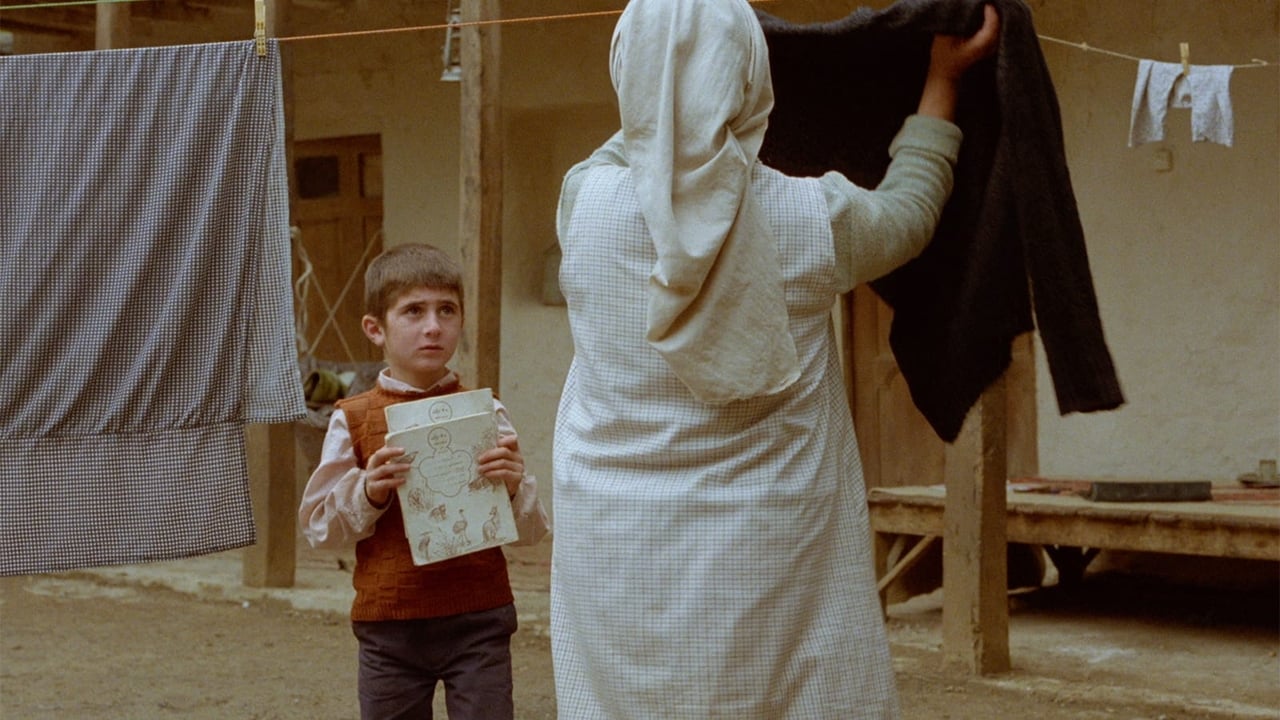
The premise is deceptively straightforward: Young Ahmed (Babek Ahmedpour) accidentally takes home his classmate Mohamed Reda Nematzadeh's (Ahmed Ahmedpour) notebook after school. Realizing his error, and knowing Nematzadeh faces expulsion if he fails to do his homework in the correct book again, Ahmed embarks on an urgent mission. He must find his friend's house – somewhere in the neighbouring village – before nightfall, before his parents notice he's gone, before Nematzadeh suffers the consequences.
What follows isn't a complex narrative tapestry, but a meticulously observed journey. We follow Ahmed through the dusty, winding, almost labyrinthine paths connecting the villages of Koker and Poshteh in Northern Iran. Kiarostami’s camera stays close, often at Ahmed’s eye level, immersing us in his perspective. The repetition is key: Ahmed asks directions, receives vague or unhelpful answers, encounters indifferent or preoccupied adults, and runs – constantly runs – his small face etched with determination and growing anxiety. It’s a testament to Kiarostami’s skill, and the astonishingly natural performance he elicits from young Babek Ahmedpour, that this simple, repetitive structure becomes utterly gripping.

The World Through a Child's Eyes
Where Is the Friend's House? excels in its portrayal of the frustrating disconnect between the worlds of children and adults. Ahmed's quest is fueled by a pure, immediate sense of empathy and responsibility. Yet, the adults he encounters are largely obstacles. They are bound by rules ("Do your homework in the notebook!"), distracted by their own concerns (fixing a door, selling wares), or simply unable to grasp the urgency of Ahmed’s mission. His pleas are often dismissed, his logic overruled. Remember that feeling as a kid – knowing you were right, knowing something was important, but being utterly powerless against the seemingly arbitrary authority of grown-ups? Kiarostami captures this universal childhood experience with profound authenticity. There’s no malice in the adults, mostly just incomprehension, which somehow makes Ahmed's isolation feel even more acute.
Kiarostami's Patient Craft
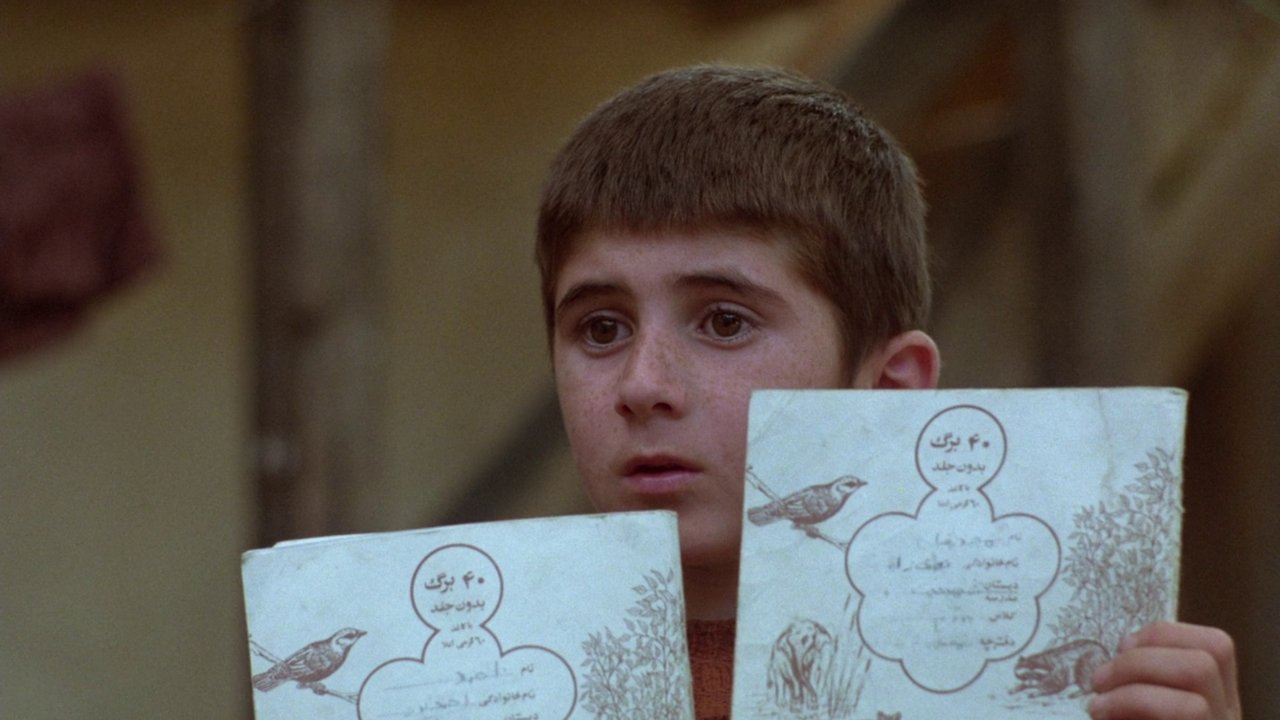
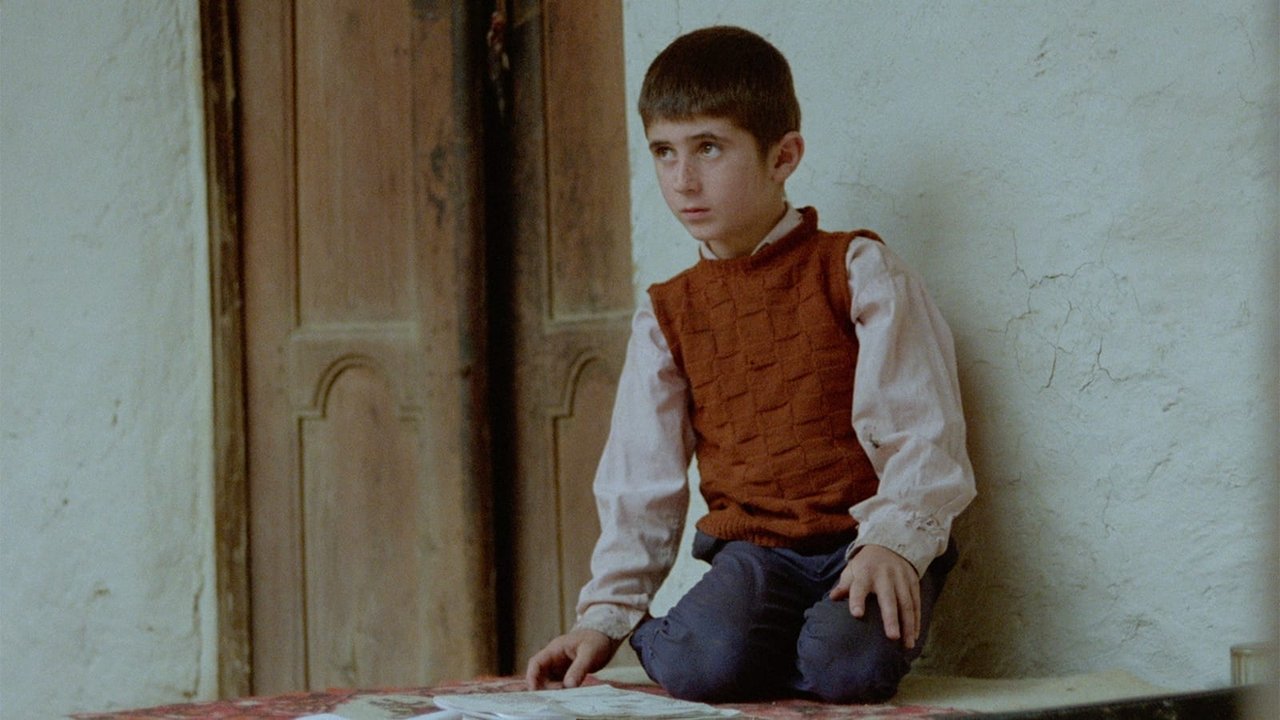
This was the film that truly announced Abbas Kiarostami to the world stage, though it took a couple of years, winning the Bronze Leopard at the 1989 Locarno International Film Festival, to gain significant traction outside Iran. His directorial hand is incredibly assured, yet feels almost invisible. He famously preferred working with non-professional actors, particularly children, coaxing performances of remarkable realism. Babek Ahmedpour, who carries almost the entire film, is simply unforgettable. There's no precociousness, no actorly tics – just the raw, unfiltered honesty of a child under pressure.
Kiarostami uses the real landscapes of Koker (tragically devastated by an earthquake a few years later, an event the director would revisit in subsequent films, forming the loose but profound "Koker Trilogy" with And Life Goes On (1992) and Through the Olive Trees (1994)) not just as a backdrop, but as an active participant in Ahmed's struggle. The winding paths, the identical-looking doorways, the setting sun – all amplify the challenge. The film’s patient pacing and long takes draw you into Ahmed's experience, forcing you to feel the passing time, the mounting desperation, and the sheer physical effort involved. This wasn't the typical fast-cut MTV aesthetic infiltrating so much 80s cinema; this was cinema demanding you slow down, observe, and feel.
A Different Kind of Rewind
Finding Where Is the Friend's House? on VHS back in the late 80s or early 90s likely meant seeking out a specialty video store or perhaps catching it at a film festival screening featured on a late-night arts program. It wasn't nestled between Die Hard and Ghostbusters at the local Blockbuster. But discovering it, then or now, feels like unearthing a hidden gem. In an era often defined by excess, its profound simplicity is startling. It reminds us that compelling drama doesn't require elaborate plots or special effects, but can be found in the fundamental struggles of human decency, responsibility, and the search for understanding. It’s a film that speaks volumes through quiet observation, a cinematic poem about empathy in action.
It’s a film that asks: In a world that often seems indifferent, what does it truly mean to be a friend?

Rating: 9/10
This score reflects the film's masterful direction, its unforgettable central performance, and its powerful, enduring humanity. Kiarostami crafts a deceptively simple story into a profound meditation on childhood, responsibility, and empathy, using minimalist techniques to achieve maximum emotional resonance. Its apparent simplicity belies a deep artistic sophistication.
Where Is the Friend's House? might not have been the tape you rented for a Friday night pizza party, but its quiet power resonates long after the credits roll, leaving you contemplating the small acts of kindness that hold our world together.