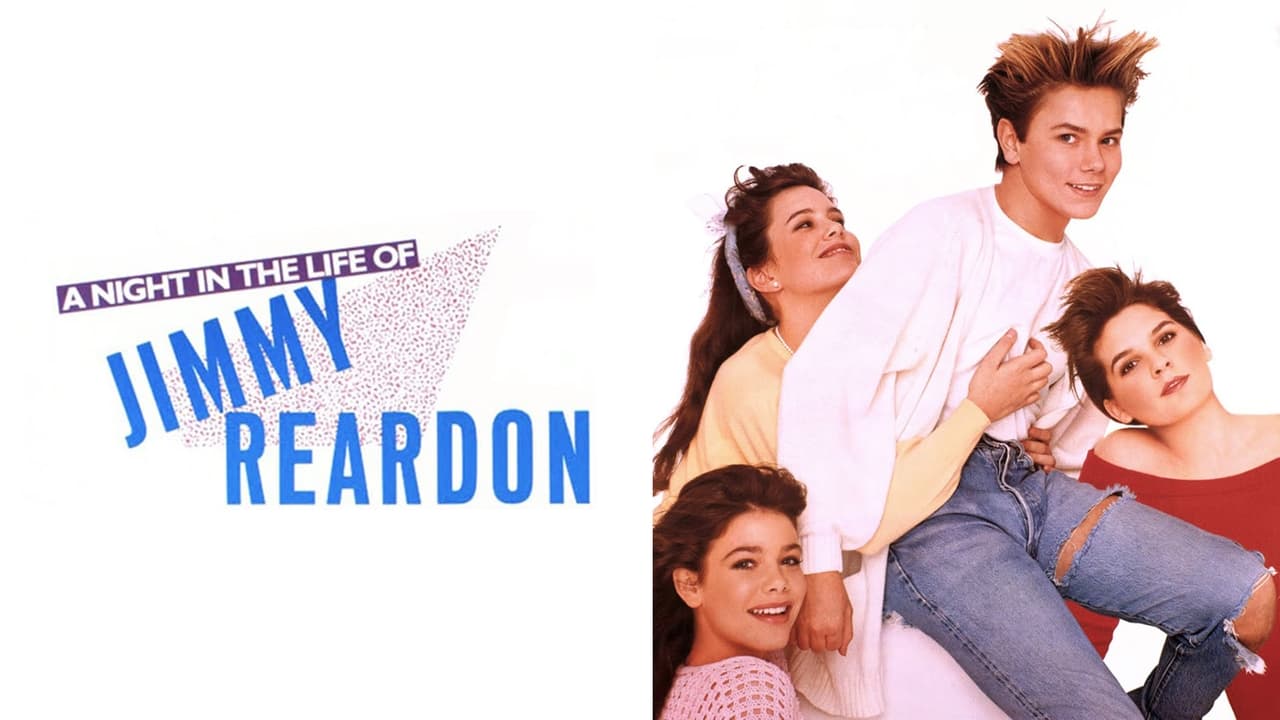
There’s a certain kind of film from the VHS era that occupies a strange, slightly hazy space in memory. Not quite a blockbuster, not obscure enough to be truly forgotten, but existing somewhere in between – often tied to the magnetic presence of a star caught right at a pivotal moment. A Night in the Life of Jimmy Reardon (1988) is precisely that kind of movie, a film radiating the undeniable, incandescent talent of River Phoenix while simultaneously feeling like a slightly bruised, bittersweet artifact. Seeing it again doesn’t just bring back memories of browsing video store aisles; it pulls you into the confusing, hormonal, yearning heart of its protagonist.
The Crossroads of Youth
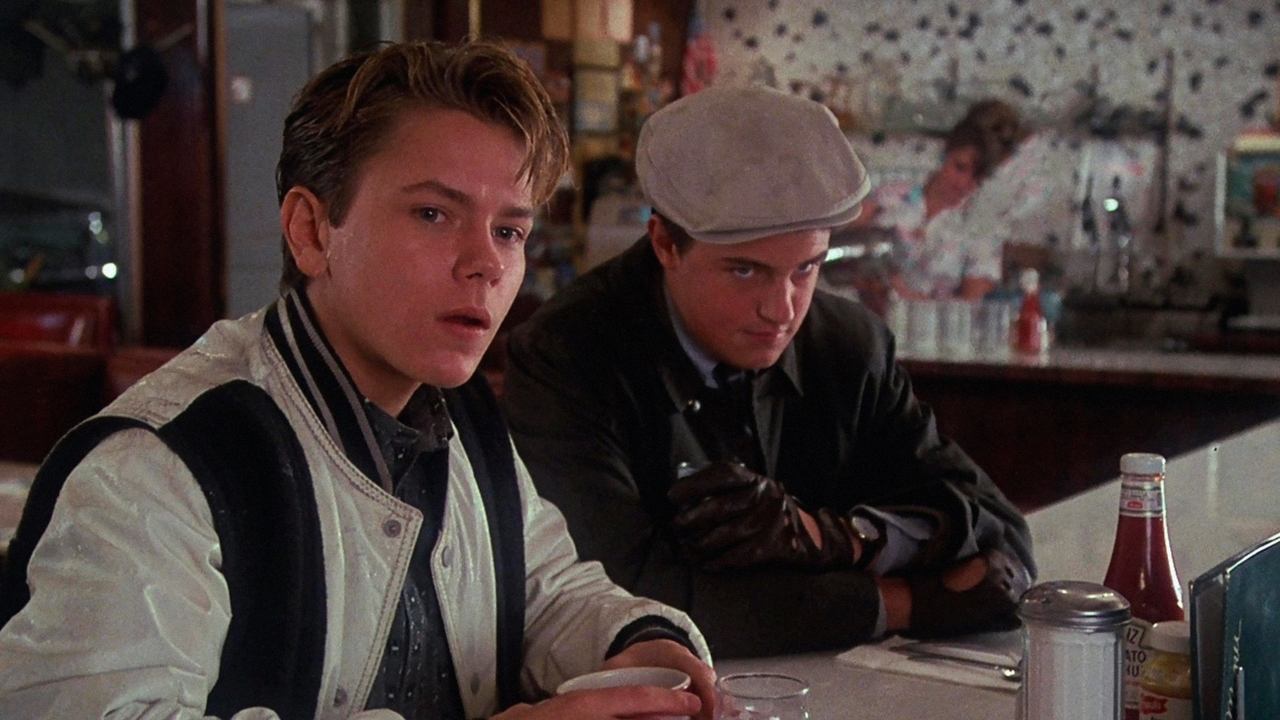
Set against the backdrop of affluent Chicago suburbs in the early 1960s, the film, based on director William Richert’s own semi-autobiographical novel "Aren't You Even Gonna Kiss Me Goodbye?", plunges us into a crucial 24 hours for Jimmy Reardon (River Phoenix). He’s just graduated high school, a charming rogue with a poet’s soul (or at least, pretensions) trapped between the expectations of his buttoned-down family and his own desires for freedom, experience, and escape. His dad wants him studying business at the same conservative college he attended; Jimmy dreams of ditching it all for Hawaii with his wealthy, steady girlfriend Lisa (Meredith Salenger). Complicating matters are his relentless libido, leading him into entanglements with the seductive older divorcee Joyce Fickett (Ann Magnuson) and various other dalliances. It’s a classic coming-of-age pressure cooker, but one simmering with a specific blend of angst and privilege.
Phoenix Burning Bright
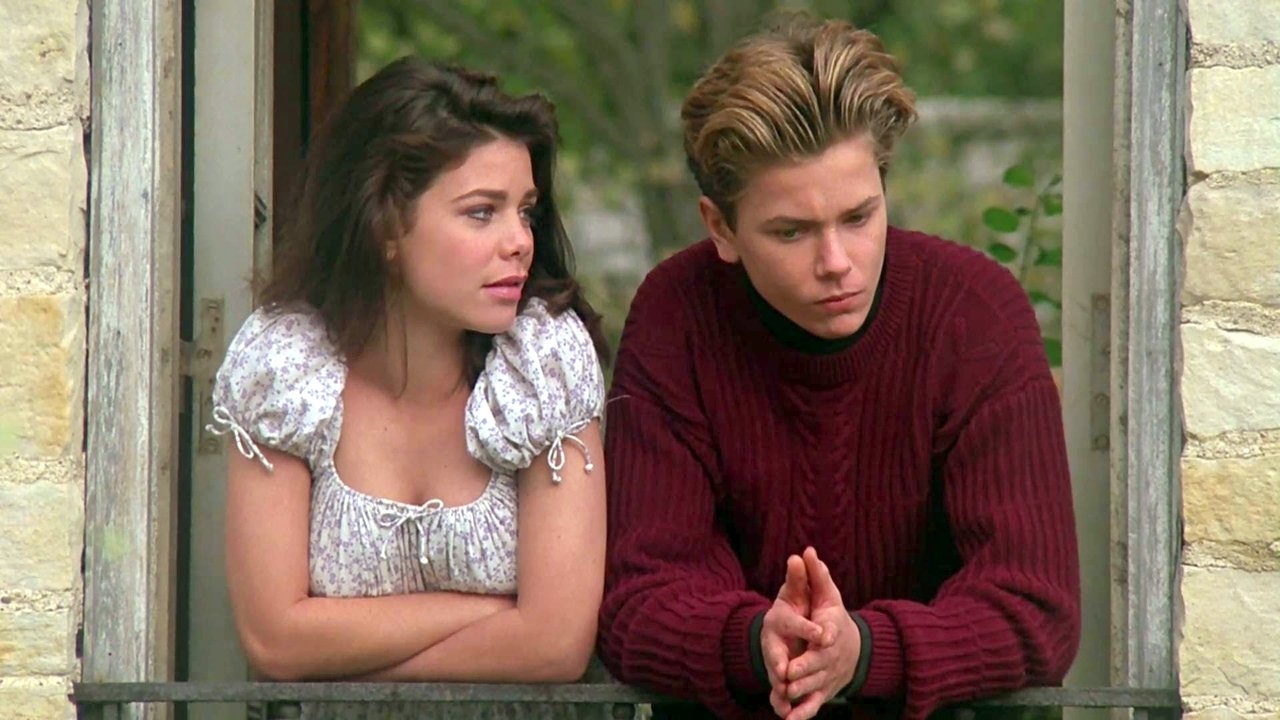
Let's be honest: the enduring draw here is River Phoenix. Just a couple of years after his breakout in Stand by Me and shortly before his Oscar-nominated turn in Running on Empty, Phoenix embodies Jimmy with an intensity that’s almost unnerving. He perfectly captures the character's contradictions – the swagger hiding insecurity, the romantic pronouncements undercut by selfish actions, the vulnerability warring with a desperate need to appear worldly. You see flashes of the effortless cool that made him a teen idol, but also the raw, searching quality that promised so much more. Phoenix doesn’t shy away from Jimmy’s considerable flaws; he makes you understand the chaotic energy driving this kid, even when you want to shake him. It’s a performance that feels lived-in, authentic, and deeply felt, making Jimmy more than just a horny teenager – he’s a symbol of that messy, vital, often misguided transition into adulthood.
A Troubled Heart
The film itself mirrors some of Jimmy's chaotic energy. Its production was notoriously fraught, with director William Richert battling studio 20th Century Fox over the final cut. Richert envisioned a more literary, character-focused piece (closer to his novel, originally intended as the film's title), while the studio seemingly pushed for something more conventionally comedic and perhaps closer to the successful teen romps of the era. This tug-of-war is palpable in the finished theatrical release ($1.7 million box office against a $5 million budget didn't help its initial perception either), which sometimes struggles with tonal consistency, veering between moments of sharp insight, broad comedy, and poignant melancholy. Years later, Richert was able to release his own Director's Cut, which many feel better represents his original vision, smoothing out some of the jarring edits and restoring character depth. Finding that version can be a quest worthy of a VHS collector!
Navigating Relationships and Class
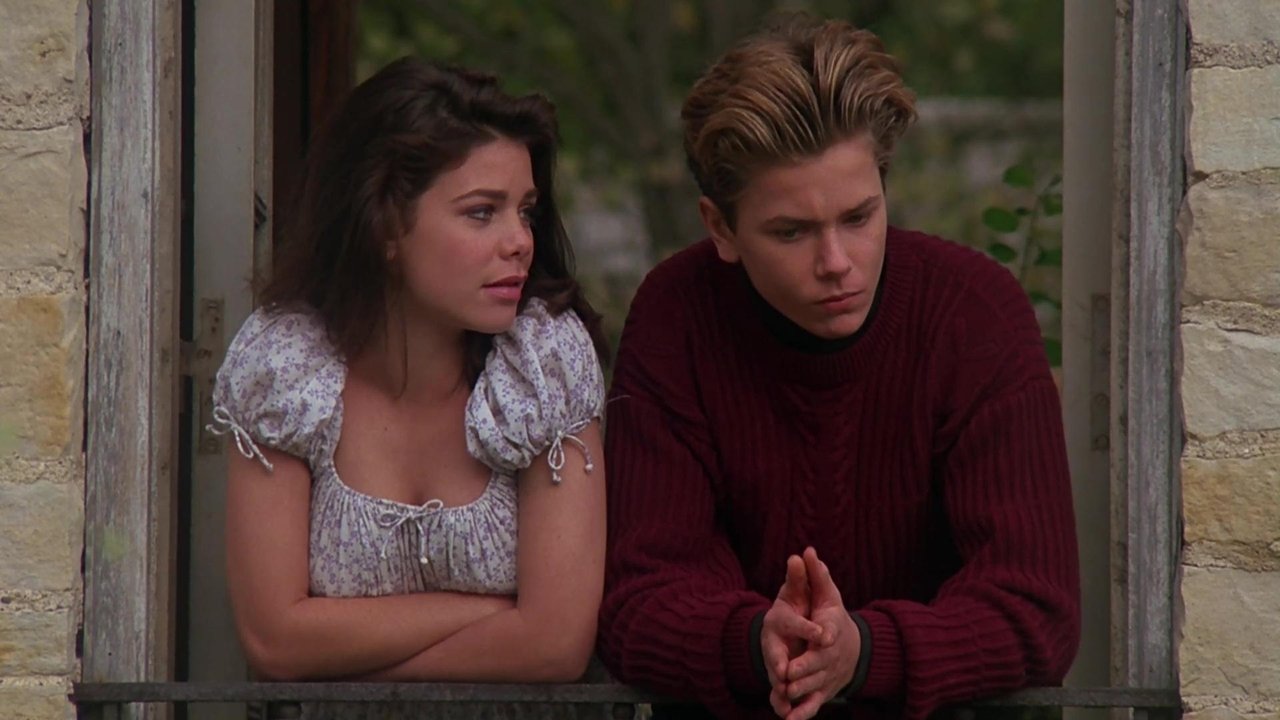
Beyond Phoenix, the supporting cast does fine work navigating Jimmy's orbit. Meredith Salenger (Dream a Little Dream) brings a grounded sweetness and burgeoning frustration to Lisa, representing the stable future Jimmy claims to want but seems determined to sabotage. Ann Magnuson, known for her edgy performance art and roles like in Making Mr. Right, is captivating as Joyce, embodying a more dangerous, adult sexuality that both attracts and intimidates Jimmy. Their scenes together crackle with a tension that speaks volumes about class differences and the complexities of desire. It's also fun spotting a very young Matthew Perry in one of his earliest roles as Jimmy's preppy friend, Fred. The film subtly explores the social strata of this suburban world, highlighting how money (or lack thereof) shapes choices and opportunities. Jimmy's artistic rebellion feels intertwined with his resentment of the easy path laid out for him.
More Than Just Nostalgia
Watching Jimmy Reardon today isn't just about remembering Phoenix or the feel of a worn-out rental tape (though my copy certainly got its share of plays back then, rented initially expecting maybe a lighter John Hughes-esque affair and finding something... different). It’s about confronting the uncomfortable truths embedded in its narrative. Is Jimmy truly a romantic poet, or just a manipulator using words to get what he wants? Does his rebellion stem from genuine conviction or adolescent petulance? The film doesn't offer easy answers, and that’s perhaps its greatest strength. Richert’s direction, even in the compromised theatrical cut, often aims for a more thoughtful, observant style than typical teen fare. He lets moments linger, allowing the weight of Jimmy's choices, both good and bad, to settle. It doesn't always land perfectly, but the ambition is clear.
Final Reflection
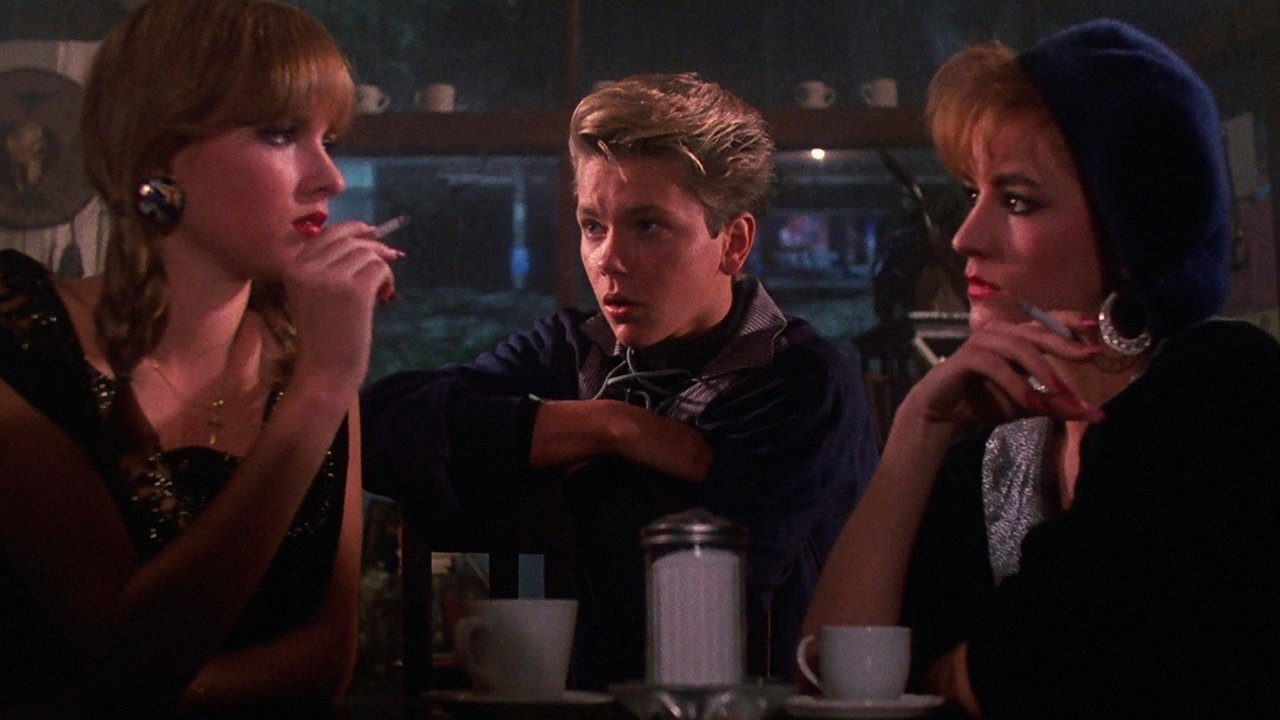
A Night in the Life of Jimmy Reardon is a fascinating, flawed gem from the late 80s. It’s anchored by a truly magnetic central performance that burns with youthful energy and foreshadows the immense talent the world would tragically lose too soon. While studio interference may have muddied its theatrical reception, the film retains a potent atmosphere and asks probing questions about identity, ambition, and the often-painful process of growing up. It’s not a perfect film, occasionally uneven and marked by the era's sensibilities, but its honesty and Phoenix's unforgettable presence make it linger long after the credits roll. What does Jimmy's frantic night ultimately teach him, or us? Perhaps just that the path forward is rarely clear, and sometimes the most profound journeys happen within the messy confines of a single, restless day.
Rating: 7/10
Final Thought: A bittersweet time capsule elevated by a phenomenal River Phoenix performance, capturing the messy collision of youthful dreams and harsh realities with more complexity than initially meets the eye. A must-see for Phoenix admirers and fans of introspective 80s coming-of-age dramas.