There's a certain quiet ache that settles in after watching Éric Rohmer's Full Moon in Paris (Les Nuits de la pleine lune), a feeling as distinct and lingering as the specific shade of blue in a Parisian twilight. It’s not a film that shouts its intentions; rather, it observes, probes, and ultimately leaves you contemplating the delicate, often contradictory, threads of desire and independence that weave through modern relationships. This wasn't likely a tape that flew off the shelves during peak Friday night rental rushes back in the day, overshadowed by louder, more explosive fare. Yet, finding it nestled on a lower shelf, perhaps in the 'Foreign Films' section, felt like discovering a hidden, sophisticated gem.
Between Two Worlds
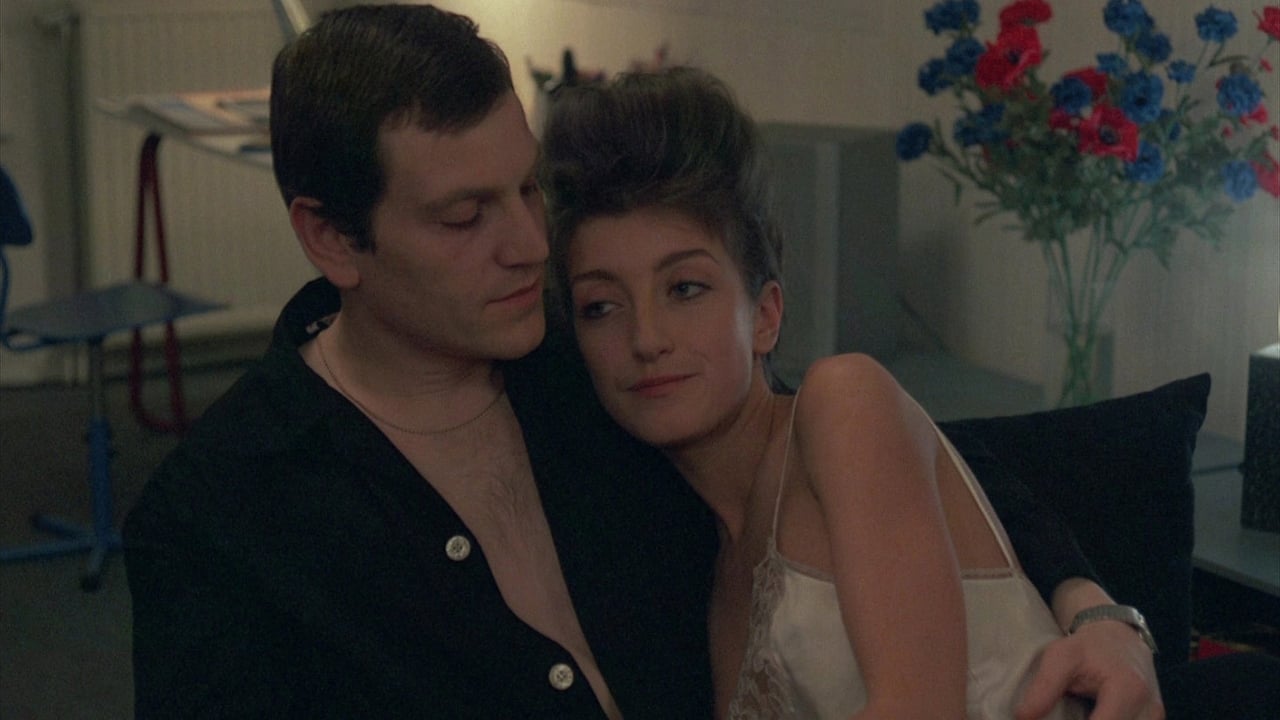
The film orbits Louise, played with an unforgettable, almost incandescent vibrancy by Pascale Ogier. Louise seems to want it all: the stable, comfortable love of her architect boyfriend Rémi (Tchéky Karyo), who resides with her in the modern, slightly sterile suburbs of Marne-la-Vallée, and the freedom of her own small apartment in central Paris, a pied-à-terre for late nights, parties, and an assertion of her own space. She drifts between these two lives, assuring Rémi of her fidelity while reveling in the social swirl of the city, often accompanied by her wry, slightly melancholic writer friend, Octave (Fabrice Luchini, a familiar face for Rohmer enthusiasts). It’s a premise grounded in a specific proverb, as was Rohmer's style for his "Comedies and Proverbs" series (this being the fourth): "Qui a deux femmes perd son âme, qui a deux maisons perd sa raison" – "He who has two women loses his soul, he who has two homes loses his mind." Does Louise risk losing her mind, or is she simply navigating the complex terrain of wanting connection without sacrificing selfhood?
The Rohmer Method
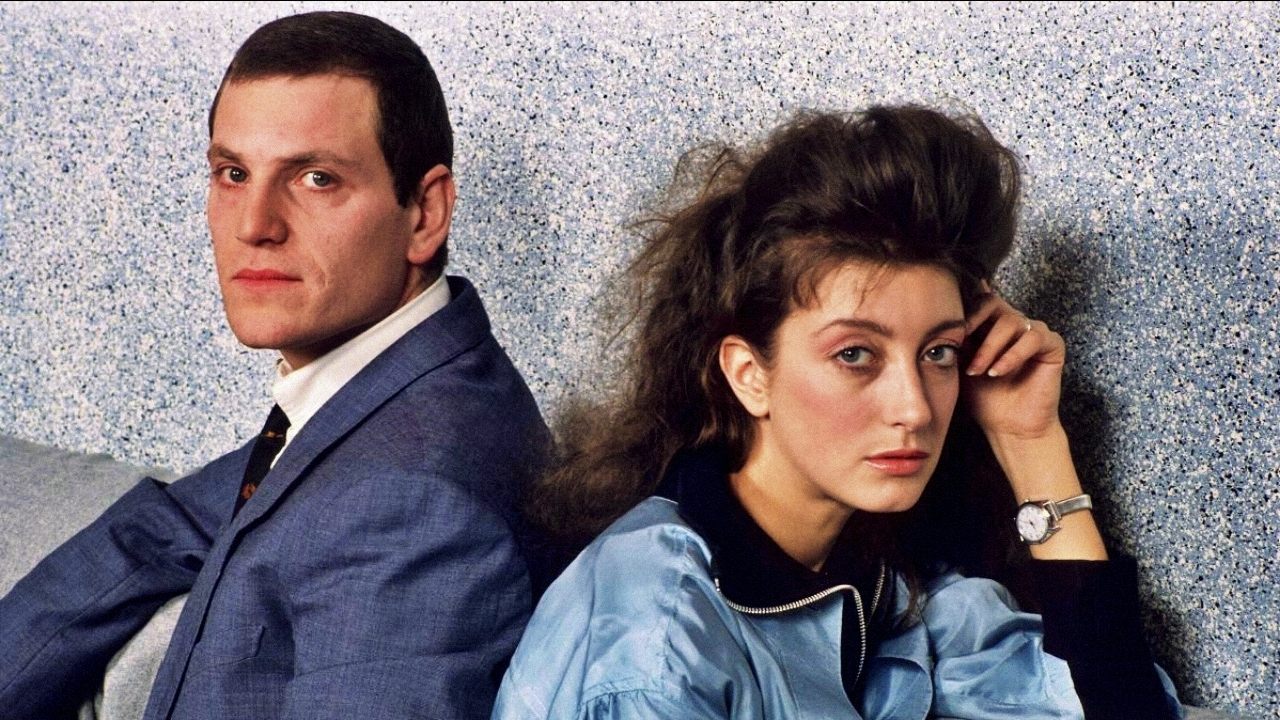
Watching a Rohmer film is a unique experience. Forget frantic editing or elaborate set pieces. His genius lies in conversation, in the subtle shifts of expression, in the way characters reveal (or conceal) their inner lives through meticulously crafted dialogue that somehow feels utterly natural. Full Moon in Paris is quintessential Rohmer in this regard. We spend time with Louise and her circle, listening to their discussions about love, commitment, art, and the simple logistics of maintaining separate addresses. It demands patience, an engagement with the characters' psychologies rather than just their actions. The camera often holds steady, allowing us to simply observe, to feel like we're sitting at the next café table, eavesdropping on intensely personal, yet universally resonant, dilemmas. It’s a style that feels both incredibly French and deeply human.
A Star Burns Bright
At the absolute heart of the film is Pascale Ogier. It’s impossible to discuss Full Moon in Paris without focusing on her luminous, captivating performance. She embodies Louise's contradictions perfectly – her chic confidence, her moments of playful flirtation, her underlying vulnerability, and the quiet loneliness that sometimes flickers behind her eyes. Ogier possesses a unique screen presence, both intelligent and effervescent. What makes her contribution even more remarkable, and poignant, is knowing she actively shaped her character, reportedly co-writing some of her dialogue and even taking a hand in the set design and her own costumes, contributing significantly to the film's authentic, lived-in 80s aesthetic.
Tragically, this vibrant talent was extinguished far too soon. Pascale Ogier died suddenly from a heart condition just weeks after winning the Best Actress award for this role at the Venice Film Festival in 1984, on the eve of her 26th birthday. This devastating reality casts a long, melancholic shadow over the film upon rewatching. Her performance isn't just acting; it feels like a vibrant life captured, full of potential and unsettling fragility. It’s a performance that stays with you, radiating a kind of youthful yearning and sophisticated uncertainty.
Parisian Nights and 80s Style
Beyond the character study, the film is a time capsule of a certain kind of early 80s Parisian cool. The clothes, the apartments (both the sleek suburban space and the cozy city nest), the smoky cafés, the synth-pop sounds (courtesy of French duo Elli et Jacno) that punctuate the party scenes – it all evokes a specific mood and era. Rohmer isn't just telling a story; he's capturing a milieu, the feeling of navigating relationships and identity against the backdrop of a particular time and place. The contrast between the clean lines of Marne-la-Vallée and the lived-in charm of Louise's Paris flat visually underscores her internal conflict.
While Tchéky Karyo provides a grounded presence as the slightly perplexed Rémi, and Fabrice Luchini delivers his signature intellectual charm as Octave, the film belongs to Ogier. Her Louise is flawed, perhaps naive in her belief that she can perfectly compartmentalize her life without consequence, but she remains deeply relatable. Who hasn't felt the pull between security and freedom, between the comfort of coupledom and the allure of independence?
Final Reflections
Full Moon in Paris isn't a film you watch for high drama or plot twists. It's a film you absorb, reflect upon. It asks questions about compromise, communication, and the elusive nature of happiness in relationships. Does Louise's desire for "two homes" stem from genuine independence, or a fear of fully committing to one reality? Rohmer doesn't offer easy answers, preferring instead to present the situation with clarity and compassion. I remember renting this years ago, intrigued by the cover art and the promise of something different from the usual Hollywood fare. It felt sophisticated, adult, in a way that lingered long after the VCR clicked off.
Rating: 9/10
The score reflects the film's masterful direction, its intelligent script, and, above all, the unforgettable, tragically luminous performance by Pascale Ogier. It's a near-perfect example of Éric Rohmer's unique brand of cinematic introspection, a character study that feels both specific to its time and timeless in its exploration of the human heart. It might be quiet, but its emotional resonance echoes long after the credits roll.
What lingers most isn't just the narrative, but the haunting presence of Ogier – a snapshot of vibrant life grappling with choices we still recognize today.