There’s a certain kind of quiet ache that settles in after watching some films, a gentle melancholy that lingers long after the VCR clicked off. It’s not sadness, exactly, but a profound sense of reflection, a resonance with unspoken feelings and paths half-taken. Mabel Cheung's An Autumn's Tale (1987) is precisely that kind of film – a jewel box of subtle emotions disguised as a simple story about finding connection in a foreign land. Forget the high-octane thrills often associated with Hong Kong cinema of the era; this is something different, something altogether more intimate and enduring.

New York State of Mind, Hong Kong Heart
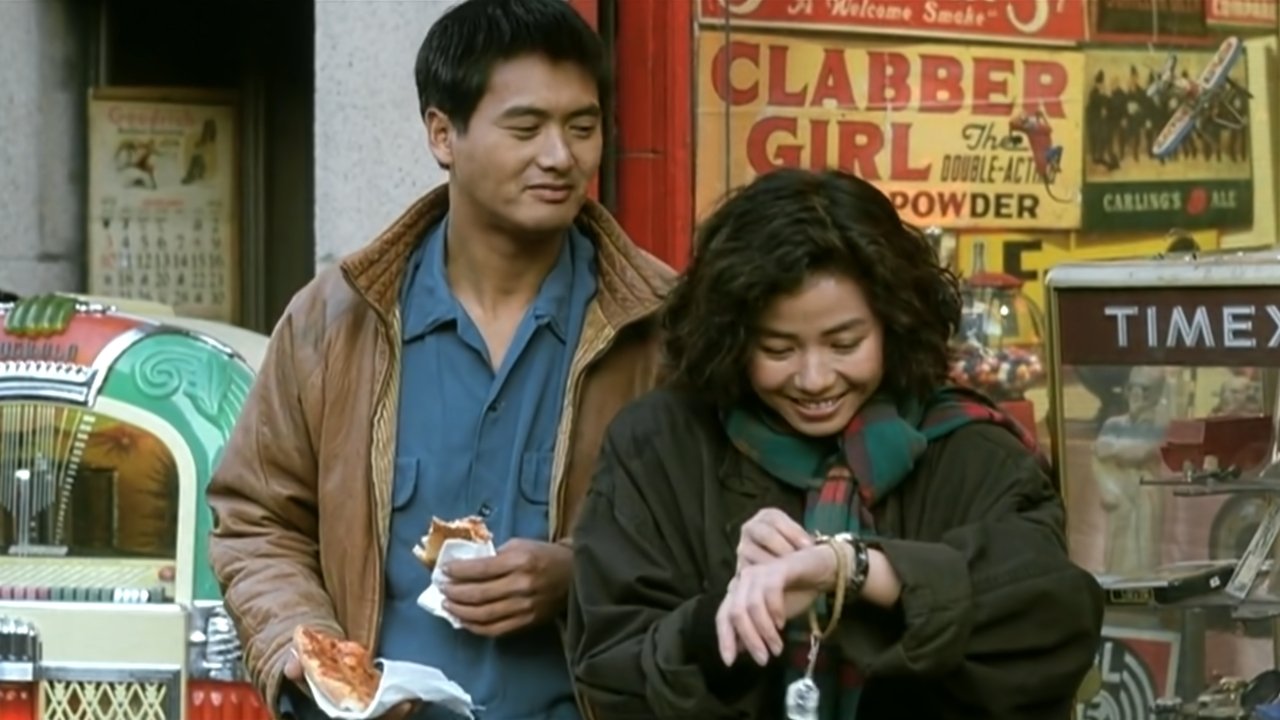
The premise feels familiar enough: naive young student Jennifer (Cherie Chung, radiating hopeful vulnerability) arrives in New York City from Hong Kong to study, expecting her sophisticated boyfriend Vincent (Danny Chan Bak-keung, the Cantopop star lending his smooth charm) to meet her. Instead, she's greeted by her street-smart, working-class distant cousin, Samuel Pang, or "Sampan" (Chow Yun-fat), a whirlwind of loud shirts, crude manners, and surprising kindness working various odd jobs around Chinatown. Jennifer's initial disappointment and culture shock slowly give way to a deep, complex bond with the rough-around-the-edges Sampan, set against the backdrop of a beautifully captured late-80s New York City, crisp with autumnal potential and the loneliness of displacement.
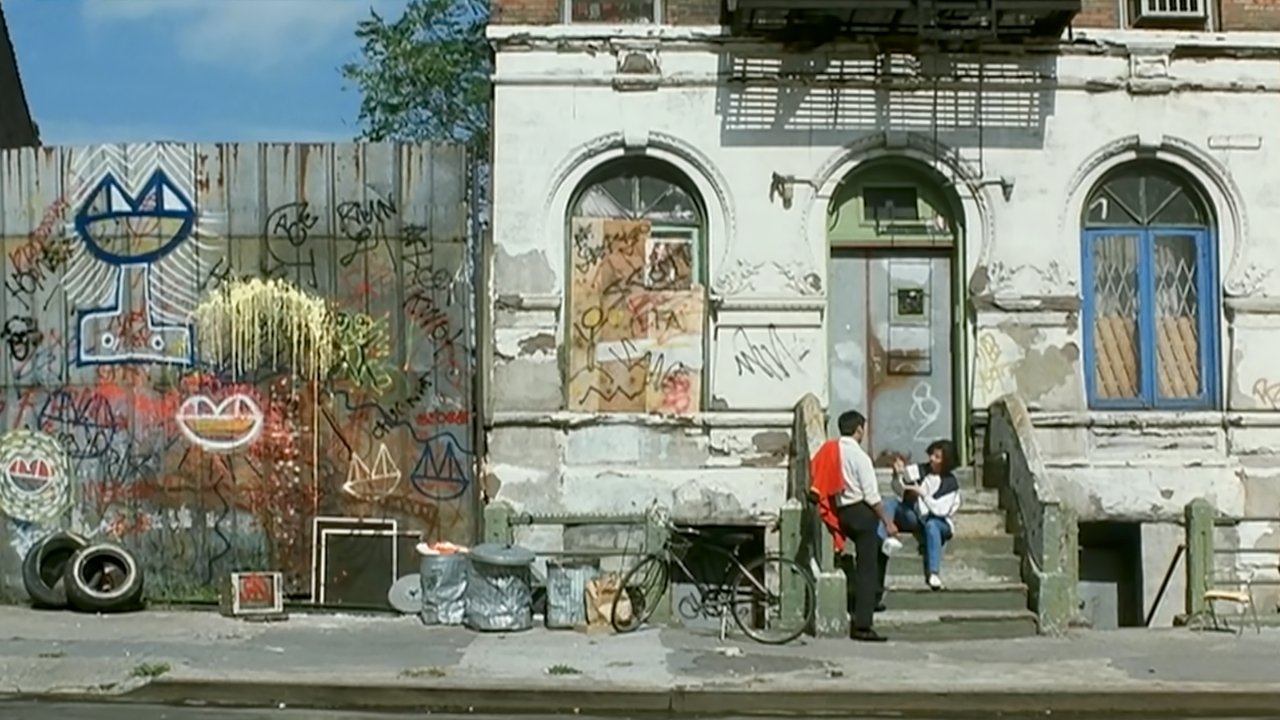
What unfolds isn't a typical rom-com trajectory. Director Mabel Cheung and co-writer Alex Law, drawing inspiration from their own experiences studying overseas, craft a narrative rich in observational detail and quiet understanding. They understand the feeling of being adrift, the small victories and crushing setbacks of navigating a new world, and the unexpected places we find family and belonging. The film breathes with the atmosphere of the city – the bustling streets, the cramped apartments, the iconic silhouette of the Brooklyn Bridge – making NYC itself a character, both overwhelming and strangely comforting. Filming extensively on location lends an authenticity that grounds the emotional journey.
The Unmistakable Chemistry of Opposites
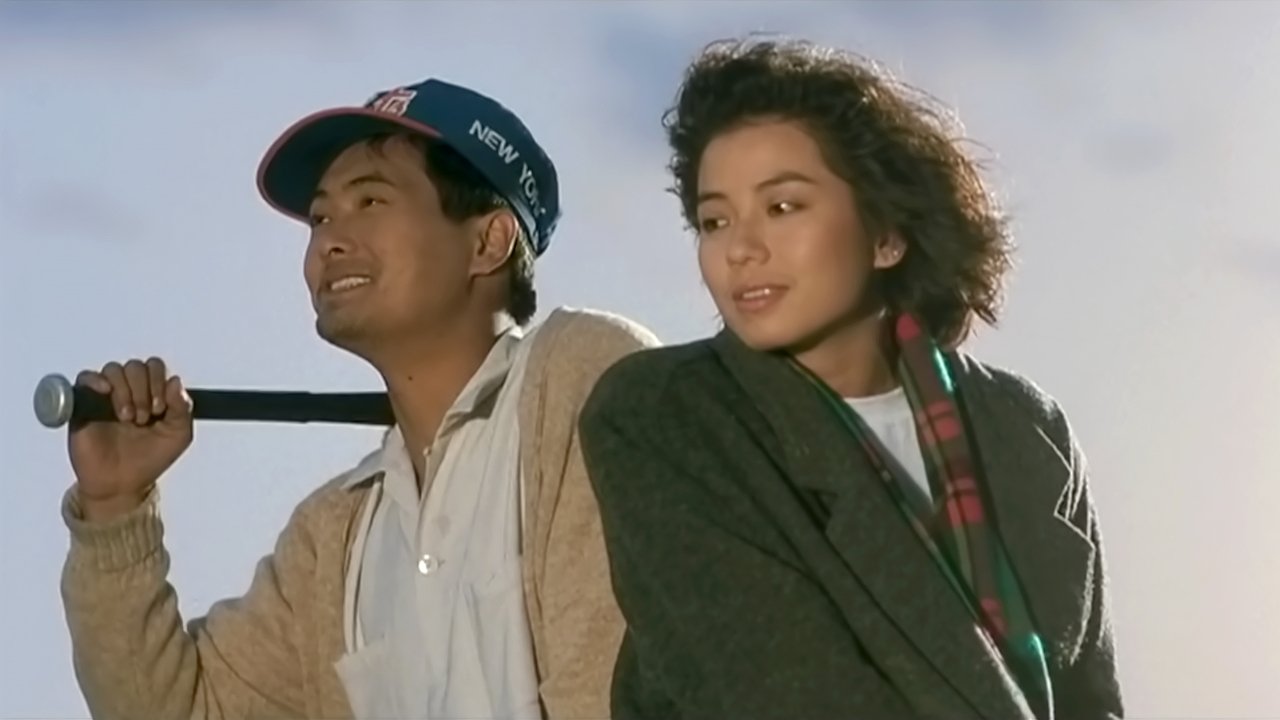
At the heart of An Autumn's Tale's enduring power are the central performances. Cherie Chung is luminous as Jennifer, capturing the delicate balance of youthful idealism, resilience, and the gradual awakening of deeper feelings. You see the initial shock melt into cautious affection, her expressive eyes conveying volumes where words fail.
But it’s Chow Yun-fat who delivers a truly remarkable performance, one that beautifully showcases his incredible range. This arrived hot on the heels of his iconic, gun-toting turn in John Woo's A Better Tomorrow (1986), a film that redefined Hong Kong action cinema. Here, Chow trades bullets for banter, swagger for surprising sensitivity. His Sampan is loud, initially grating, even uncouth – a far cry from the suave heroes he was becoming known for. Yet, beneath the bravado, Chow reveals layers of loyalty, protectiveness, and a profound loneliness that mirrors Jennifer's own. It's said Chow took a significant pay cut for this role, eager to prove his versatility beyond action stardom. The gamble paid off spectacularly, earning him his second Golden Horse Award for Best Actor and cementing his status as a truly gifted dramatic performer. The chemistry between Chow and Chung is undeniable – not fiery passion, but a slow-burn affection built on shared vulnerability and mutual respect. It feels utterly real, utterly earned.
More Than Just a Love Story
While romance simmers beneath the surface, An Autumn's Tale delves deeper. It’s a poignant look at the immigrant experience, the compromises made, the dreams deferred, and the constant negotiation of identity. Sampan's life, cobbled together from odd jobs and small hustles, speaks volumes about the realities faced by many trying to make it in a new country. The film doesn't shy away from the class differences between Jennifer and Sampan, or the subtle judgments they face, adding another layer of complexity to their connection.
The script, penned by Alex Law and Mabel Cheung, is a masterclass in restraint. So much is communicated through glances, gestures, and shared moments of silence. It trusts the audience to understand the unspoken weight of Jennifer and Sampan's feelings, making the emotional payoffs all the more resonant. This nuanced approach might be why the film struck such a chord, becoming a critical darling and a box office success in Hong Kong, grossing over HK$25 million against what was likely a modest budget – proof that audiences were hungry for character-driven stories alongside the era's action epics. It remains a key work in Cheung's celebrated "Migration Trilogy," alongside Illegal Immigrant (1985) and Eight Taels of Gold (1989).
Lingering Echoes
Watching An Autumn's Tale today, perhaps on a well-loved VHS tape pulled from the back of the shelf, feels like revisiting an old friend. The late-80s fashion and NYC locales certainly evoke nostalgia, but the film's emotional core remains timeless. It asks gentle questions about connection: Can two vastly different people truly understand each other? What does it mean to find home, and can it be found in another person? The film offers no easy answers, opting instead for a bittersweet realism that feels honest and deeply human. It avoids grand pronouncements, focusing instead on the small, significant moments that shape our lives and relationships.
***
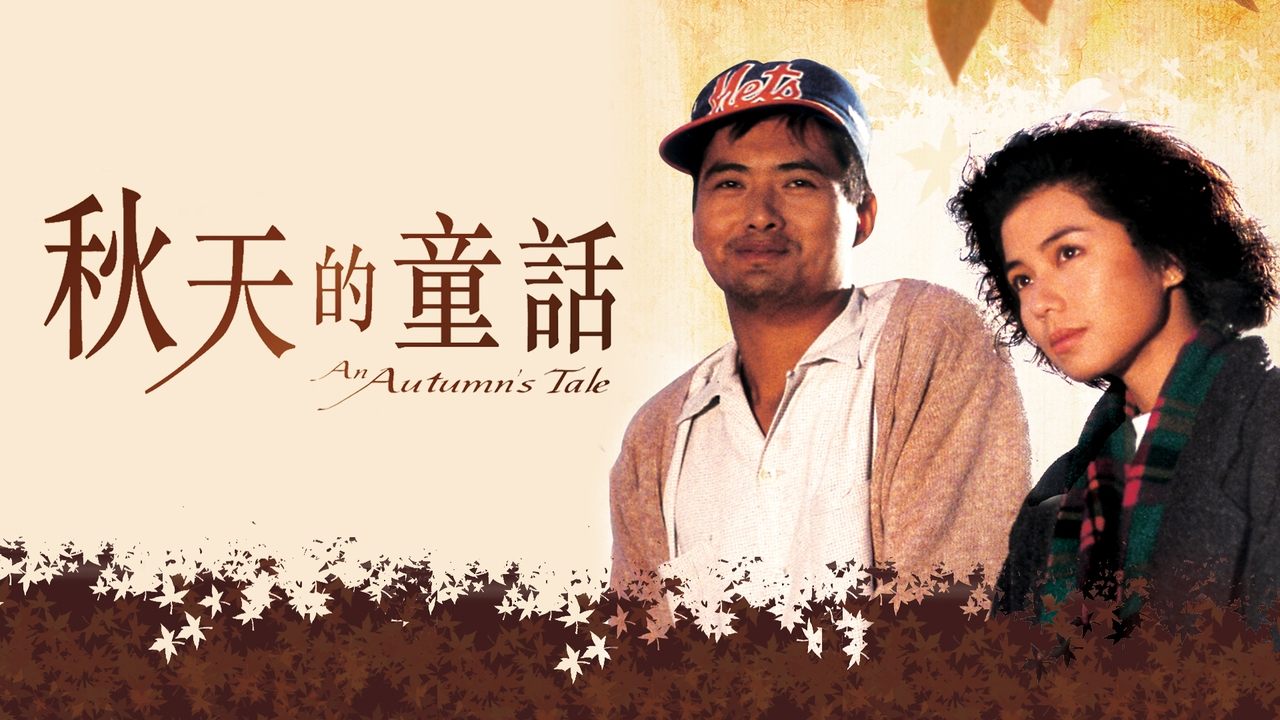
Rating: 9/10
This rating feels completely justified by the film's strengths: the superb, nuanced performances from Chow Yun-fat and Cherie Chung, Mabel Cheung's sensitive direction, the authentic sense of place, and the script's emotional intelligence. It masterfully captures a specific time and experience while exploring universal themes of love, identity, and belonging with a grace rarely seen. It’s a film that doesn’t shout, but whispers directly to the heart.
An Autumn's Tale remains a standout achievement in Hong Kong cinema, a poignant reminder that sometimes the quietest stories leave the most lasting echo. A true VHS Heaven find.