Alright fellow tapeheads, dig this one out of the dusty action section: Jet Li’s 1988 directorial debut, Born to Defence (also known as Zhong Hua Ying Xiong). If you stumbled upon this expecting the graceful Wushu warrior from Shaolin Temple (1982) or the folk hero Wong Fei-hung, buckle up. This tape delivers something far grittier, angrier, and honestly, pretty darn bleak. It's a fascinating, flawed, but unforgettable blast of raw 80s Hong Kong action filmmaking.
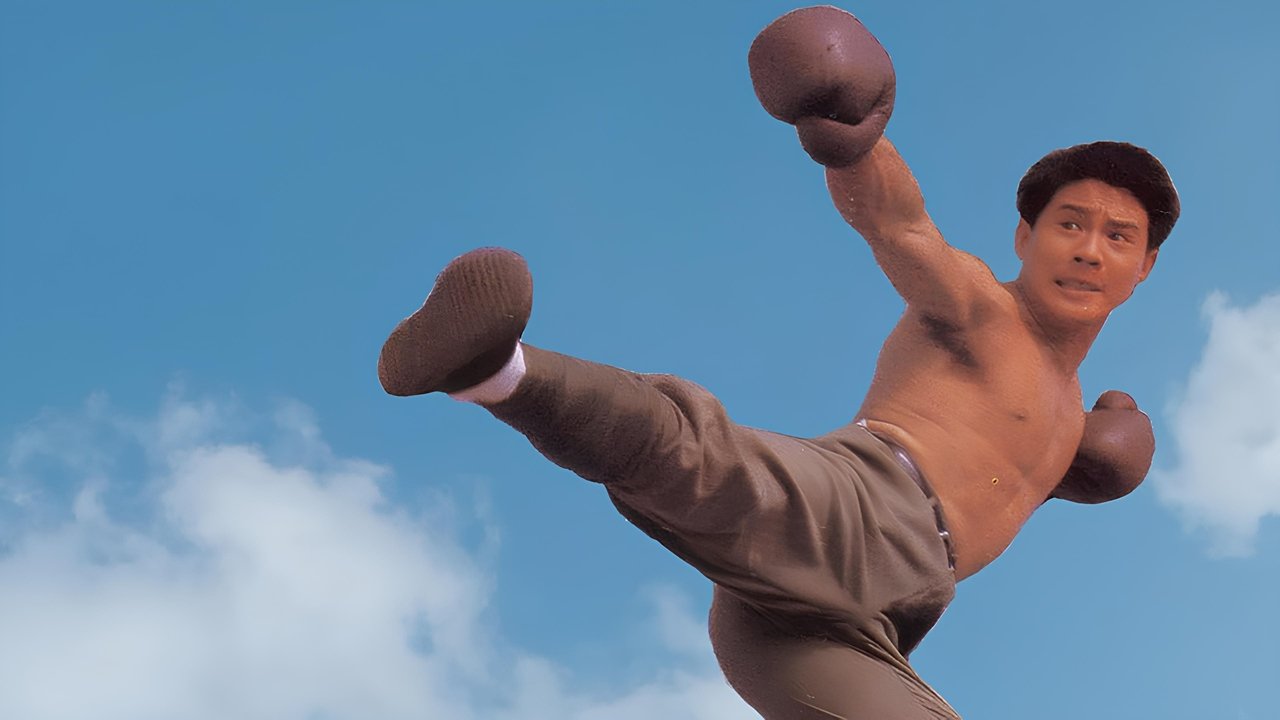
I distinctly remember grabbing this off the shelf back in the day, drawn by Li’s name, maybe expecting another high-flying period piece. What I got instead felt startlingly different – a post-WWII story steeped in bitterness and brutal realism. This wasn't just another action flick; it felt like someone had something to say, even if they were punching their way through the message.
### Welcome Home, Soldier... Now Fight
The setup throws you right into the messy aftermath of World War II in Qingdao, China. Jet Li plays Jet (yep, simple enough!), a returning Chinese soldier hoping for peace but finding hostile American sailors throwing their weight around. The initial optimism curdles fast. The streets are poor, tensions are high, and respect is earned with fists, not medals. The film paints a grim picture of national humiliation and the struggle to survive when the supposed liberators act more like occupiers. It's a surprisingly dark canvas for a martial arts film of this era, trading heroic fantasy for a grounded sense of despair.
### Action That Feels Like It Hurts
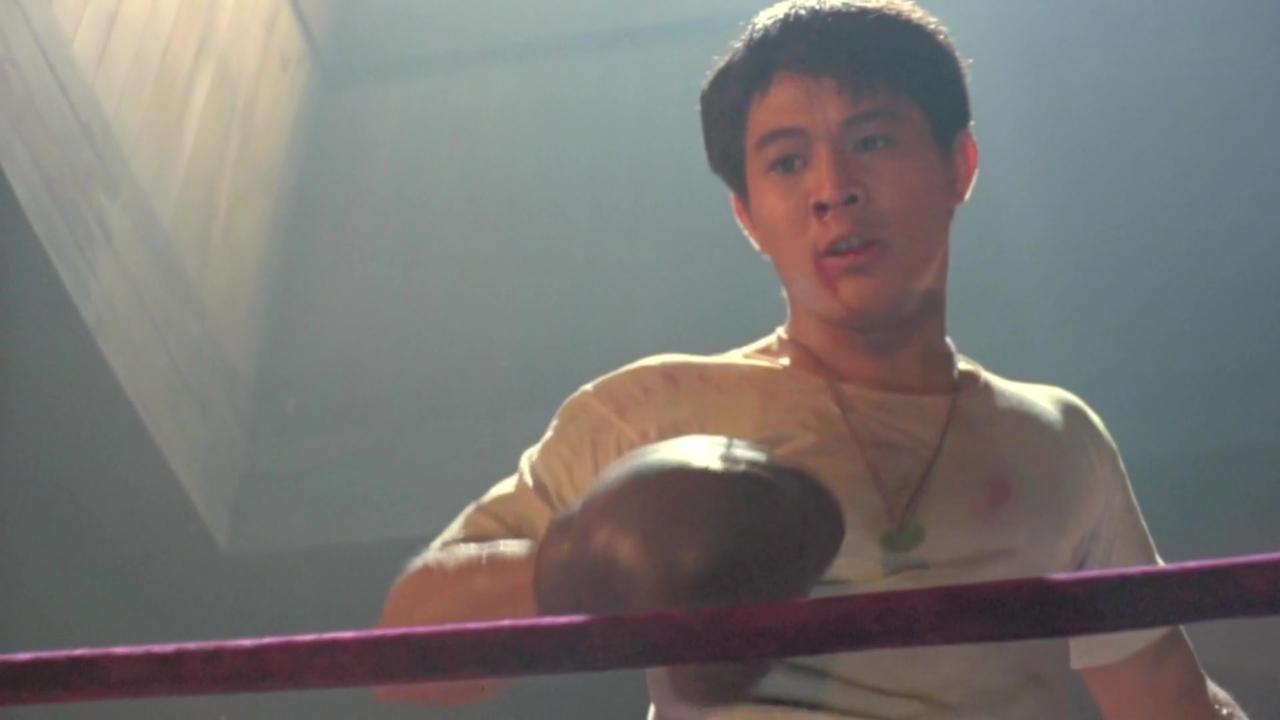
Forget the intricate wire-fu choreography Li would later perfect in films like Once Upon a Time in China (1991). The action in Born to Defence is raw, grounded, and punishing. Fights erupt in muddy streets, cramped rooms, and most memorably, a makeshift boxing ring where desperation trumps technique. This is where the film truly shines with that visceral, practical-effects magic we remember from the best VHS brawlers. Every impact feels weighty; every fall looks genuinely painful. Remember how real those squibs looked when someone got shot back then, or how you could almost feel the thud of a body hitting the pavement? This film captures that raw energy perfectly in its hand-to-hand combat.
Retro Fun Fact: Stories have persisted for years about the brutal nature of the shoot, with rumors of significant injuries sustained by the cast, including Jet Li himself, especially during the film's absolutely savage finale. Watching the intensity of the stunts, the lack of obvious safety measures common today, and the sheer physicality on display, it’s not hard to see why. This was an era where stunt performers truly put their bodies on the line, and it shows in every wince-inducing frame. Modern CGI often smooths out the edges, but here, the danger feels palpable.
### Li Behind the Lens: A Singular Vision
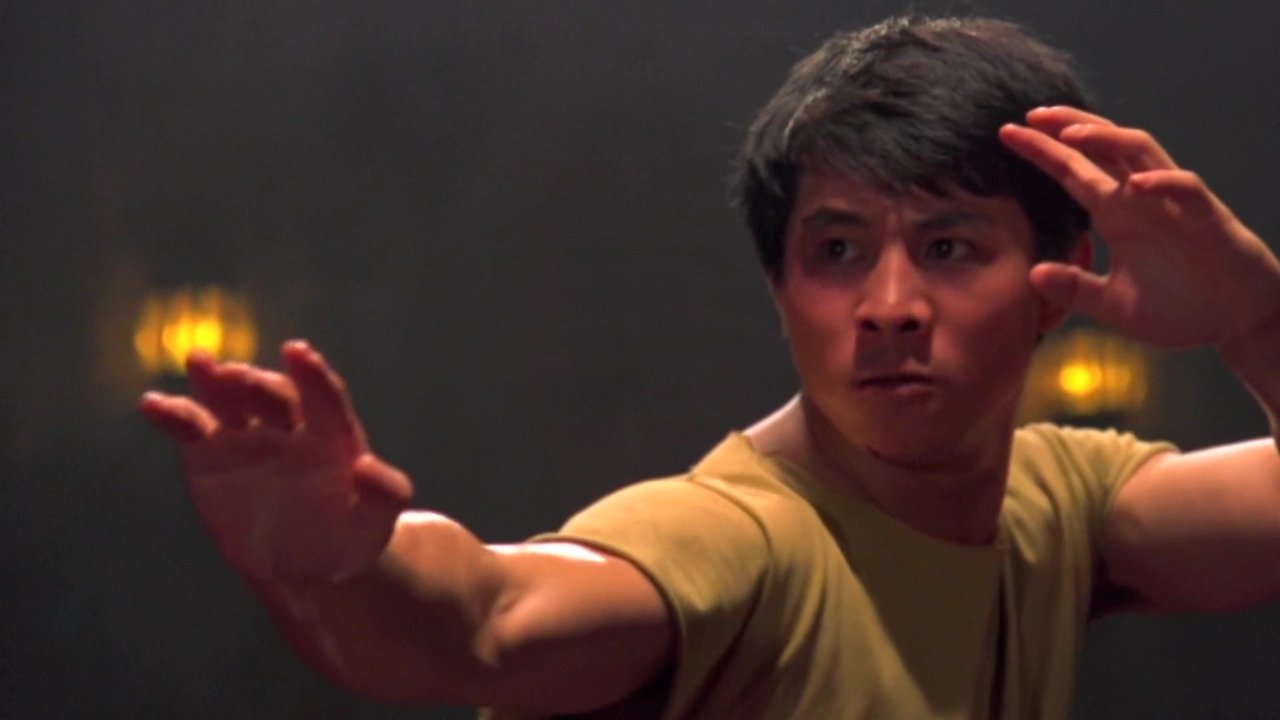
As Jet Li's one and only directing credit, Born to Defence offers a fascinating glimpse into what might have been. His directorial style here is unpolished, sometimes bordering on chaotic, but it possesses an undeniable energy and a willingness to confront uncomfortable themes head-on. It’s miles away from the slick productions he’d later lead as an actor. There’s an anger simmering beneath the surface that feels personal. Retro Fun Fact: Why did Li never direct again? Theories range from the physically demanding and potentially troubled production of this film to its initially lukewarm box office reception (reportedly budgeted around HK$6 million, its earnings weren't spectacular at first release). Perhaps he simply preferred focusing on performance. Whatever the reason, it makes Born to Defence a unique outlier in his filmography.
### Faces in the Crowd
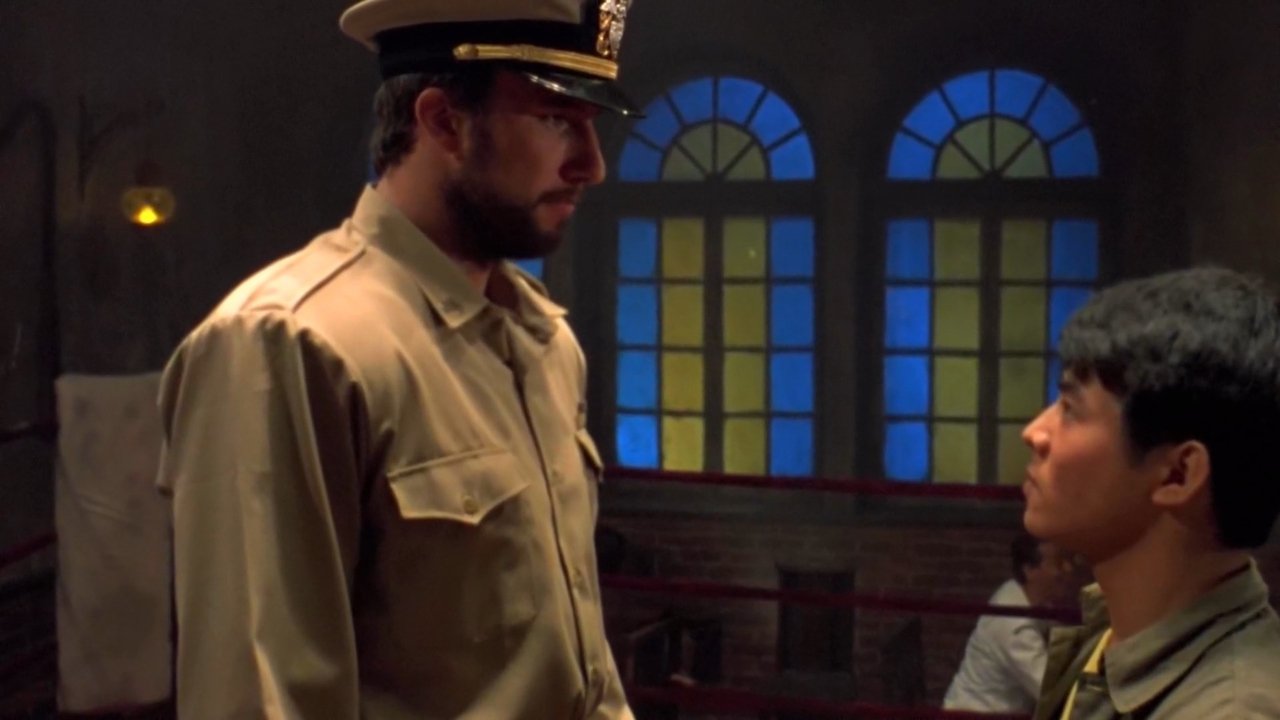
While Li carries the film with a performance simmering with barely contained rage, keep your eyes peeled for a surprisingly familiar face in a small role: a very young Stephen Chow! Playing one of Jet's buddies, it’s a blink-and-you’ll-miss-it part, years before he became the undisputed King of Comedy with hits like Shaolin Soccer (2001) and Kung Fu Hustle (2004). Seeing him in such a grim, straightforward context is a trip for fans. The main antagonist, the arrogant American Navy boxer Bailey, is brought to life with sneering menace by real-life kickboxer Paulo Tocha, providing a formidable physical threat for Jet.
### More Than Just Fists
Beneath the relentless action, Born to Defence grapples with surprisingly heavy themes: nationalism, the corrosive effects of xenophobia, the loss of dignity, and the brutalizing nature of poverty and conflict. Jet isn't a clean-cut hero; he's a man pushed to the edge, reacting with escalating violence to a world that offers him little else. The film doesn't provide easy answers or a triumphant, feel-good ending. Its darkness might be off-putting for some expecting lighter fare, but it gives the film a unique weight and staying power. It reflected a certain raw nerve in Hong Kong cinema at the time, grappling with identity and external pressures.
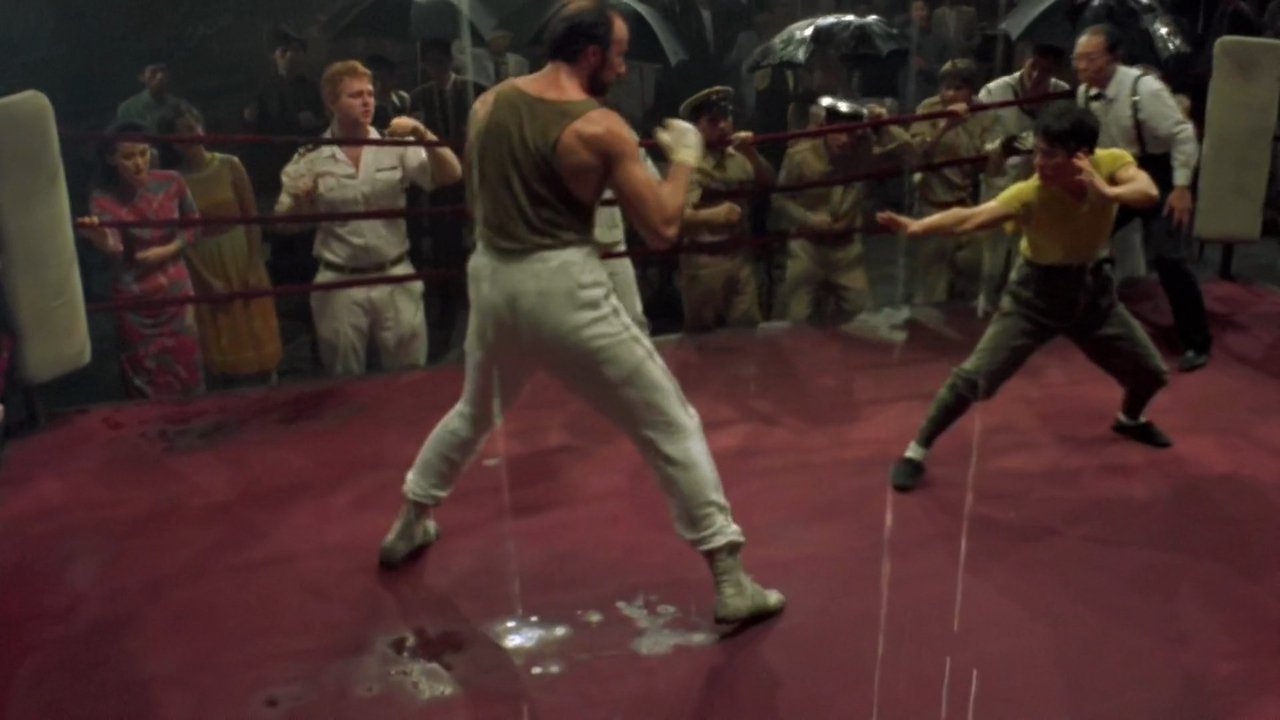
Rating: 7/10
Born to Defence isn't a technically perfect film. Its narrative can be clunky, and its unrelenting bleakness isn't for everyone. However, its raw energy, brutally effective practical fight choreography, and the sheer curiosity factor of seeing Jet Li’s sole, angry directorial statement make it a must-watch for serious 80s action fans. The action feels dangerously real in that way only the best pre-CGI stunt work could, and Li's central performance is ferocious.
Final Thought: This tape is a stark reminder of a time when action stars bled – sometimes literally – for their craft, delivering gut punches that felt real, long before digital artists took over. A brutal, fascinating artifact from the shelves of VHS Heaven.