It starts with a whisper, a deathbed confession that unravels the meticulously ordered universe of one family and the cheerfully chaotic existence of another. The premise of Étienne Chatiliez’s 1988 debut, Life Is a Long Quiet River (original title: La vie est un long fleuve tranquille), feels almost like a fable spun in reverse: two babies, swapped at birth twelve years prior by a disgruntled nurse seeking petty revenge on her lover, now face the bewildering truth of their origins. It’s a setup ripe for farce, certainly, but what unfolds is something far sharper, a deliciously caustic exploration of class divide in late 80s France that lingers long after the laughter fades.
An Unbridgeable Gulf
The film masterfully contrasts the two families at the heart of this accidental exchange. The Le Quesnoys are the epitome of upper-middle-class Catholic propriety in Northern France. Headed by the impeccably stiff patriarch Jean (André Wilms) and the glacially pious Marielle (Hélène Vincent), their lives are governed by routine, polite repression, and a suffocating sense of decorum. Their children, including the seemingly angelic Bernadette (Valérie Lalande), are miniature versions of themselves, singing hymns like "Jésus reviens" with unnerving sincerity – a song which, ironically, became something of a cult hit in France after the film's release.
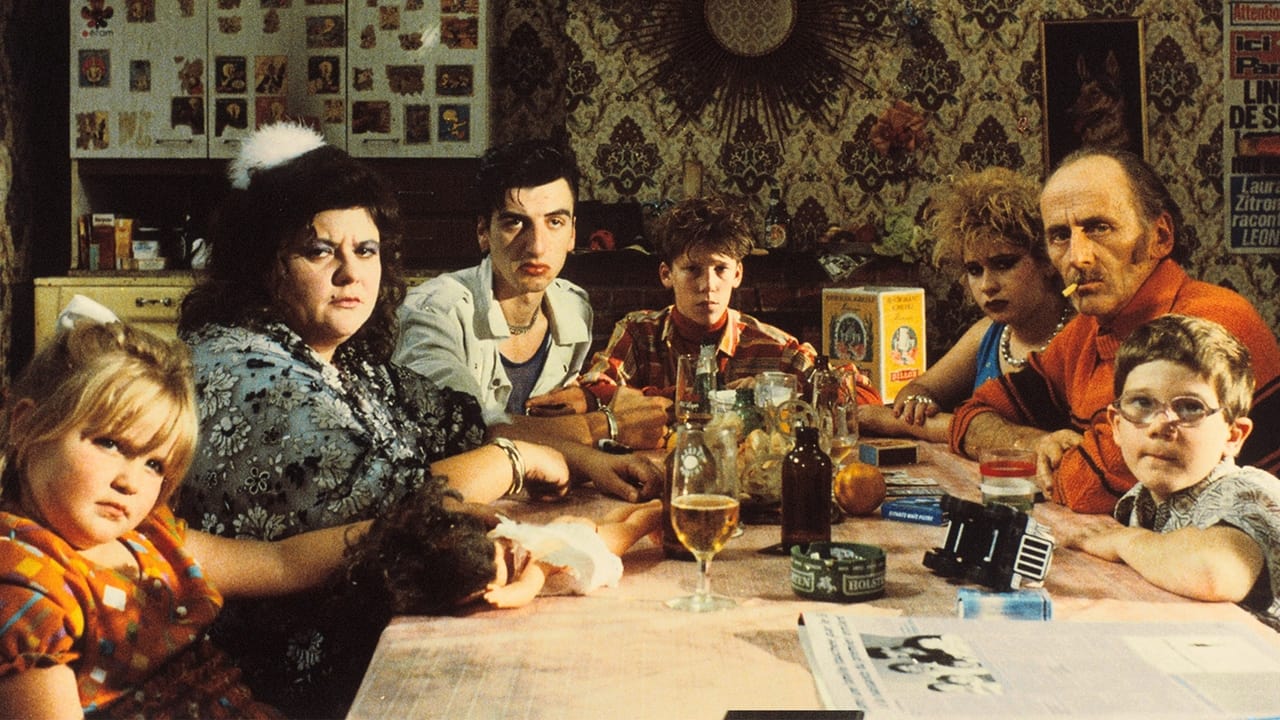
Across town, and seemingly across galaxies, live the Groseilles. They inhabit a world of delightful squalor, petty theft, welfare scams, and an almost defiant lack of social graces. Their apartment bursts with unruly children, chief among them Maurice, nicknamed Momo (Benoît Magimel), a street-smart, surprisingly resourceful boy who seems far older than his twelve years. The Groseille parents (played with grubby gusto by Christine Pignet and Maurice Mons) navigate life with a shrugged acceptance of their lot, finding joy in small victories and communal chaos.
The genius of the film, co-written by Chatiliez and Florence Quentin, lies in its refusal to paint either family as purely heroic or villainous. The Le Quesnoys' sterile existence is horrifying in its own way, their charity often laced with condescension. The Groseilles, while possessing a certain vibrant energy, are unapologetically amoral. This nuanced portrayal elevates the film beyond simple caricature into biting social satire. We laugh at both families, but perhaps we recognize uncomfortable truths in their extremes.
A Star is Born, A Scene is Stolen
When the truth emerges, the collision is less explosive than it is awkwardly, painfully revealing. The decision is made for Momo to spend weekends with his biological family, the Le Quesnoys, leading to some of the film's most memorable and squirm-inducing moments. Watching Momo navigate the alien landscape of bourgeois manners, silverware, and quiet judgment is both hilarious and oddly poignant.
The performances are uniformly excellent. André Wilms embodies the repressed anxieties of the middle-class father perfectly. But it’s Hélène Vincent who truly chills as Marielle Le Quesnoy. Her performance, which rightfully earned her a César Award for Best Supporting Actress, is a masterclass in controlled intensity; every polite smile feels like a threat, every gesture of maternal concern steeped in judgment. She creates a character who is simultaneously terrifying and pitifully trapped within her own rigid world.
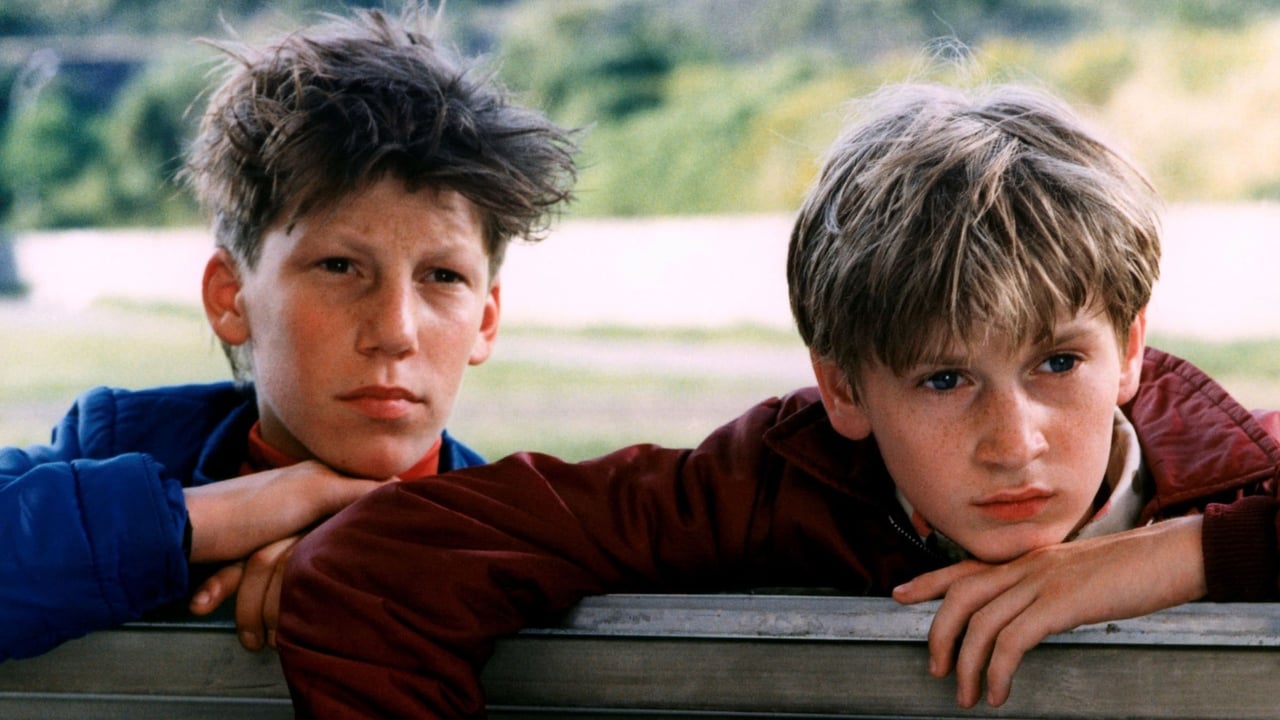
And then there's Benoît Magimel. In his very first film role at the tender age of 14 (reportedly chosen after an extensive casting search), he delivers a performance of astonishing naturalism and charisma. His Momo isn't just a fish out of water; he's observant, adaptable, and possesses an innate understanding of human nature that often eclipses the adults around him. You see the flicker of vulnerability beneath the tough exterior, the confusion mixed with a shrewd assessment of his bizarre new reality. It was instantly clear a major talent had arrived, the beginning of a career that would see him become one of France's most respected actors.
Beyond the Laughter: A Debut with Bite
For a directorial debut, Chatiliez displays remarkable confidence. He navigates the tonal shifts – from broad comedy to sharp satire to moments of surprising darkness – with a deft hand. The film doesn't shy away from the inherent cruelty of the situation or the deep-seated prejudices that underpin the social structure. The humor is often black, forcing us to confront uncomfortable questions about nature versus nurture, and whether the gulf between classes is truly bridgeable. Doesn't the awkwardness Momo generates in the Le Quesnoy household reveal more about their inflexibility than his supposed lack of refinement?
Finding Life Is a Long Quiet River on a VHS rental shelf back in the day, perhaps nestled between more familiar American comedies, felt like discovering a hidden gem. It wasn't loud or flashy, but its wit felt sophisticated, its perspective refreshingly cynical yet humane. Its massive success in France – scoring over 4 million admissions and winning four César Awards including Best First Feature – wasn't surprising; it tapped into something real about French society, albeit through a heightened comedic lens. It’s a film that feels distinctly of its time in its specific social critique, yet the core themes of class, identity, and the absurdity of social boundaries remain remarkably relevant.
Rating: 9/10
This rating reflects the film's near-perfect execution as a sharp, intelligent, and genuinely funny social satire. The performances are outstanding, particularly from Vincent and the young Magimel, the writing is incisive, and Chatiliez's direction is remarkably assured for a debut. It avoids easy answers and sentimentality, delivering comedic blows with precision while leaving you with plenty to ponder about the invisible walls we build between ourselves.
Life Is a Long Quiet River remains a high-water mark in French comedy, a cult classic whose subtly subversive charm and biting observations haven't dulled one bit since its days as a prized VHS find. It’s a reminder that sometimes the most profound statements about society are smuggled in through laughter.