Okay, settle in, fellow tape enthusiasts. Let's dust off a gem that might not have graced every corner video store shelf outside of Germany, but holds a special place for anyone who appreciates comedy built on the beautifully awkward foundations of everyday life. I’m talking about Loriot's 1991 masterpiece of domestic disruption, Pappa ante Portas. Remember the feeling of discovering a foreign film on VHS, maybe with slightly clunky subtitles, that just clicked? This one might just spark that same quiet joy.
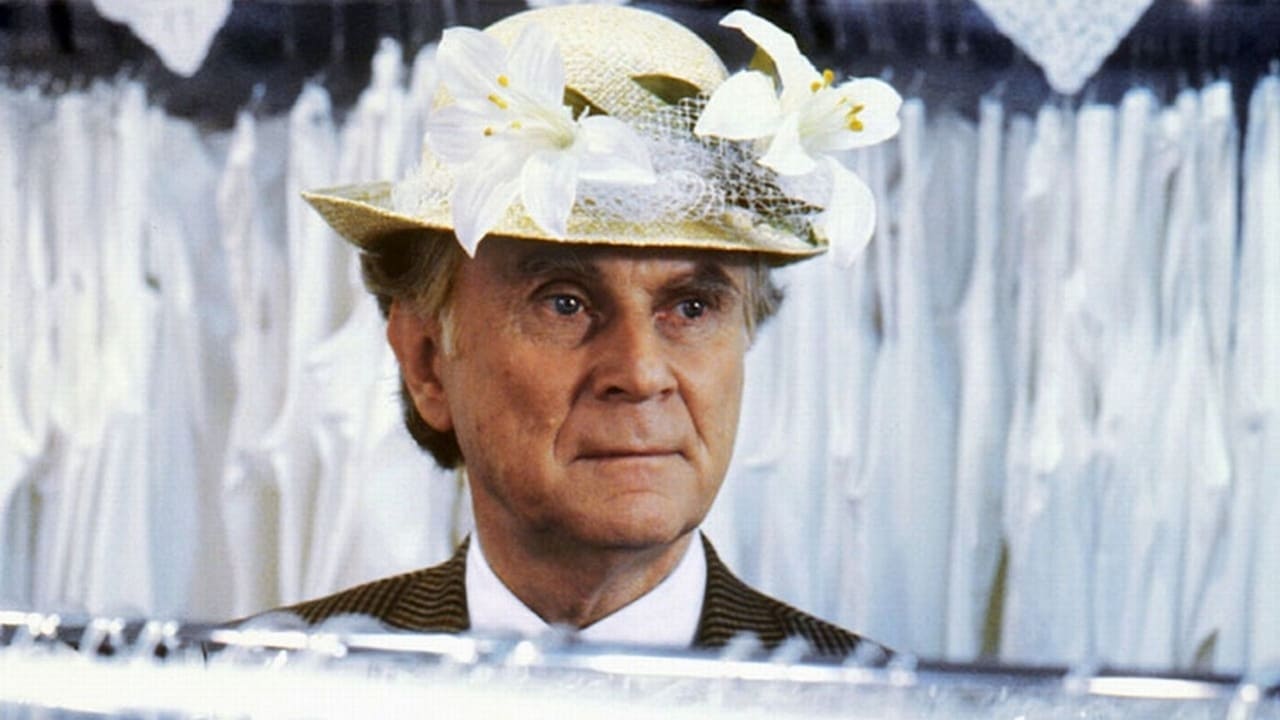
The premise itself is deceptively simple, yet ripe for Loriot’s unique brand of surgically precise observational humour. Heinrich Lohse (Loriot himself, pulling triple duty as writer, director, and star), a meticulous purchasing director for a large company, is abruptly forced into early retirement after a rather... enthusiastic bulk order of typewriter correction paper ("Papier für Nichtigkeiten" - paper for trivialities, a beautiful touch). Suddenly adrift from the structured world of corporate bureaucracy, Heinrich decides to apply his managerial zeal to the one domain previously outside his purview: his own household. The title, playfully referencing Hannibal's looming threat to Rome ("Hannibal ante portas"), perfectly encapsulates the comedic dread his wife Renate (Evelyn Hamann) feels as Dad is suddenly always home.
When Order Becomes Chaos
What unfolds isn't slapstick chaos, but a slow, excruciatingly funny dismantling of domestic harmony through well-intentioned incompetence. Loriot's genius lies in magnifying the mundane irritations of cohabitation and retirement into absurdist theatre. Heinrich’s attempts to "help" – reorganizing the kitchen with military precision, critiquing Renate’s grocery shopping habits (the infamous mustard scene is legendary), offering unsolicited advice on everything – are born not of malice, but of a profound inability to switch off his professional persona. He’s a man whose identity was his job, now trying to manage a home like a hostile takeover.
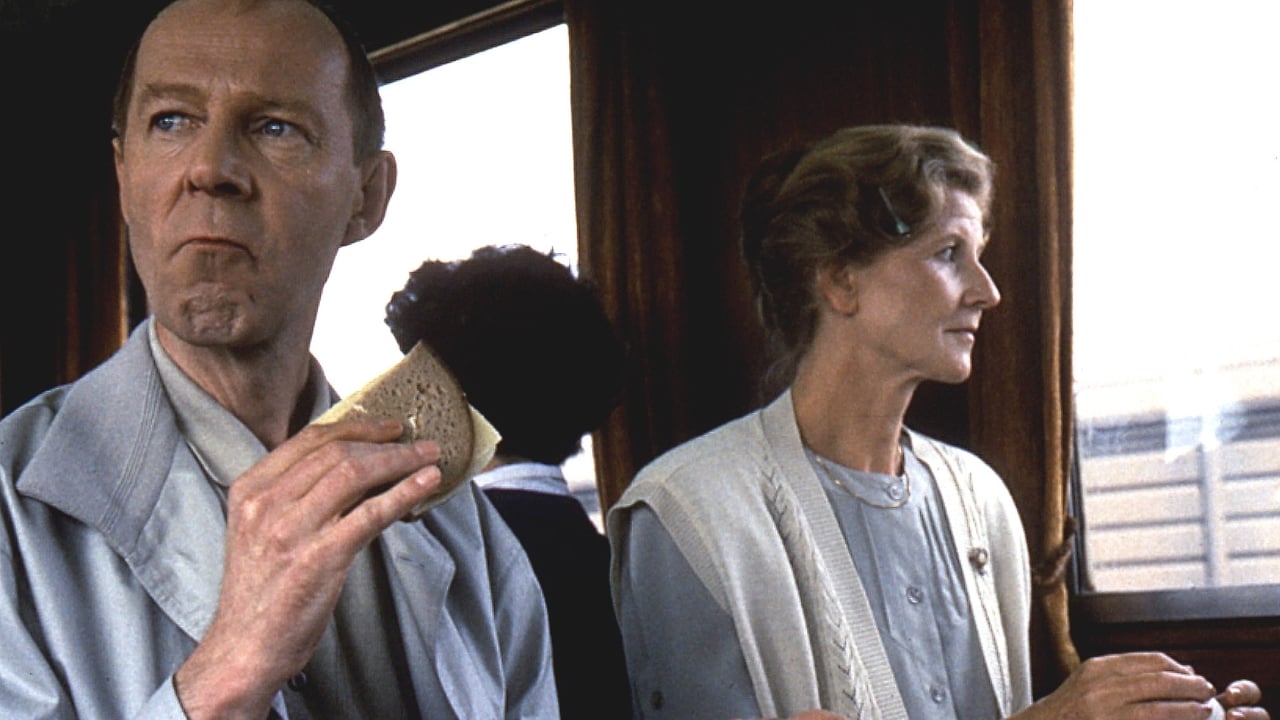
It’s a scenario that, beneath the laughs, touches a surprisingly resonant chord. Who hasn’t felt the friction when established routines are disrupted? What happens when purpose is suddenly removed? Loriot, who rose to fame in Germany with his beloved television sketches often featuring the incomparable Evelyn Hamann, understood the anxieties simmering beneath the surface of polite society, particularly within the German middle-class milieu he so perfectly skewered. His background as a cartoonist deeply informed his filmmaking; every frame feels deliberately composed, every line delivered with pinpoint timing. It’s said Loriot (whose real name was Vicco von Bülow) abhorred improvisation, demanding actors stick rigidly to his meticulously crafted scripts – and watching the film, you can see why. The comedy hinges on that precision.
A Masterclass in Comedic Chemistry
The heart of the film beats within the interactions between Loriot and Evelyn Hamann. Their on-screen partnership was iconic in Germany, built over decades, and Pappa ante Portas showcases it at its peak. Hamann’s Renate is a masterclass in suppressed exasperation. She conveys oceans of weariness and affection with a subtle eye-roll, a sigh held just a fraction too long, or a carefully neutral tone that barely masks impending meltdown. She’s the relatable anchor grounding Heinrich’s escalating absurdity. Their dynamic feels utterly authentic, the familiar dance of a long-married couple pushed to breaking point by proximity.
And let's not forget the supporting cast, particularly Irm Hermann (known for her work with Rainer Werner Fassbinder) as the delightfully eccentric neighbour Frau Mielke, whose intrusions provide their own flavour of oddball comedy.
Retro Fun Facts & Enduring Charm
Released after the huge success of Loriot's first feature, Ödipussi (1988), Pappa ante Portas cemented his status as a German cinematic treasure, drawing over 3.5 million viewers domestically – a testament to how deeply his humour connected. Filmed primarily in Berlin and on the Baltic Sea island of Usedom, the film captures a specific, slightly formal aesthetic that feels very much of its time, yet the themes remain remarkably current. The struggle to adapt to retirement, the negotiation of space and roles within a marriage, the sheer comedy of miscommunication – these are timeless.
Watching it today, perhaps on a worn-out tape or a streaming service, the film retains its power. The pacing is deliberate, allowing the awkwardness to build. It lacks the frantic energy of many modern comedies, instead finding humour in pauses, misunderstandings, and the quiet desperation of trying to maintain composure. Doesn't that slower burn often make the eventual comedic release even more satisfying?
The Verdict
Pappa ante Portas isn't just a funny movie; it's a keenly observed study of human behaviour wrapped in brilliant comedic packaging. It’s a film that understands that the biggest laughs often come from the smallest, most recognizable moments of domestic friction. Loriot’s direction is assured, his writing needle-sharp, and the performances, especially from the central duo, are simply perfection. While its specific cultural context is German, the underlying themes of change, communication, and finding purpose resonate universally. It’s a film that rewards patient viewing, revealing new layers of humour and humanity with each watch. I fondly remember seeking this out after becoming hooked on imported snippets of Loriot's TV work – it felt like uncovering a secret comedy weapon.
Rating: 9/10
The score reflects the film's near-perfect execution of its comedic premise, the brilliance of its lead performances and their legendary chemistry, the sharpness of the writing, and its enduring status as a classic of German comedy. It might lose a point only for those completely unfamiliar with Loriot's specific, dry style, which might require a slight adjustment period.
For fans of intelligent, character-driven comedy that finds humour in the everyday, Pappa ante Portas remains a delightful, insightful, and utterly charming watch – a true testament to the enduring power of meticulous absurdity. What lingers most is the quiet truth beneath the laughter: sometimes, the biggest adjustments happen right within our own homes.