The journey from grainy, heartfelt student film to glossy, compromised studio product – it’s a familiar Hollywood tale, perhaps even a cliché now. Yet, watching Christopher Guest’s 1989 directorial debut, The Big Picture, feels like uncovering a time capsule, capturing that specific late-80s tension between artistic aspiration and the siren song of commercial success with a wit that still bites and a surprising amount of warmth. This wasn't a blockbuster splashed across multiplex screens; for many of us, discovering The Big Picture involved scanning the comedy shelves at the local video store, drawn in perhaps by a familiar face on the cover, and finding something unexpectedly sharp and resonant.
From Film School Dreams to Studio Schemes
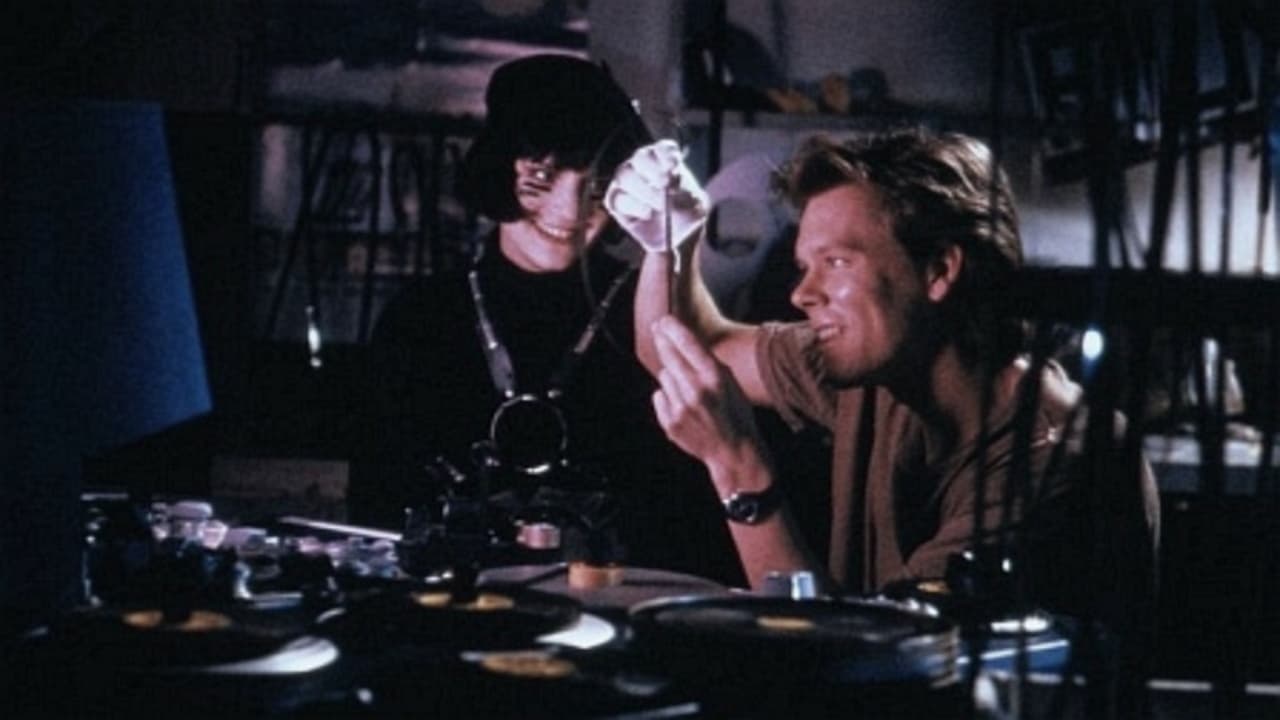
At its core, the film follows Nick Chapman (Kevin Bacon), a wide-eyed, genuinely talented film student fresh out of school who unexpectedly wins a prestigious award for his intense, black-and-white short. Suddenly, the gears of Hollywood grind into motion. Doors swing open, lunches are taken, and promises are made by slippery executives like the perfectly cast Allen Habel (J.T. Walsh, a master of conveying amiable menace, remember him in Tequila Sunrise or A Few Good Men?). Nick’s journey is the film's narrative engine: can he navigate the treacherous landscape of development hell, nonsensical notes from clueless studio heads, and the pressure to conform without losing his soul, his vision, and his supportive girlfriend Susan (Emily Longstreth)?
What Guest, along with co-writers Michael Varhol and fellow This Is Spinal Tap (1984) collaborator Michael McKean, nails so perfectly is the sheer absurdity of the process. The script crackles with insider knowledge, depicting pitch meetings that spiral into nonsense, the bizarre logic of test screenings, and the sudden shifts in fortune based on yesterday's box office returns. It’s satire, yes, but it feels drawn from life, infused with a weary understanding that feels authentic even three decades later. Doesn't that feeling – the compromise required to get anything made – still echo in creative fields today?
Performances That Shine (Even When Selling Out)
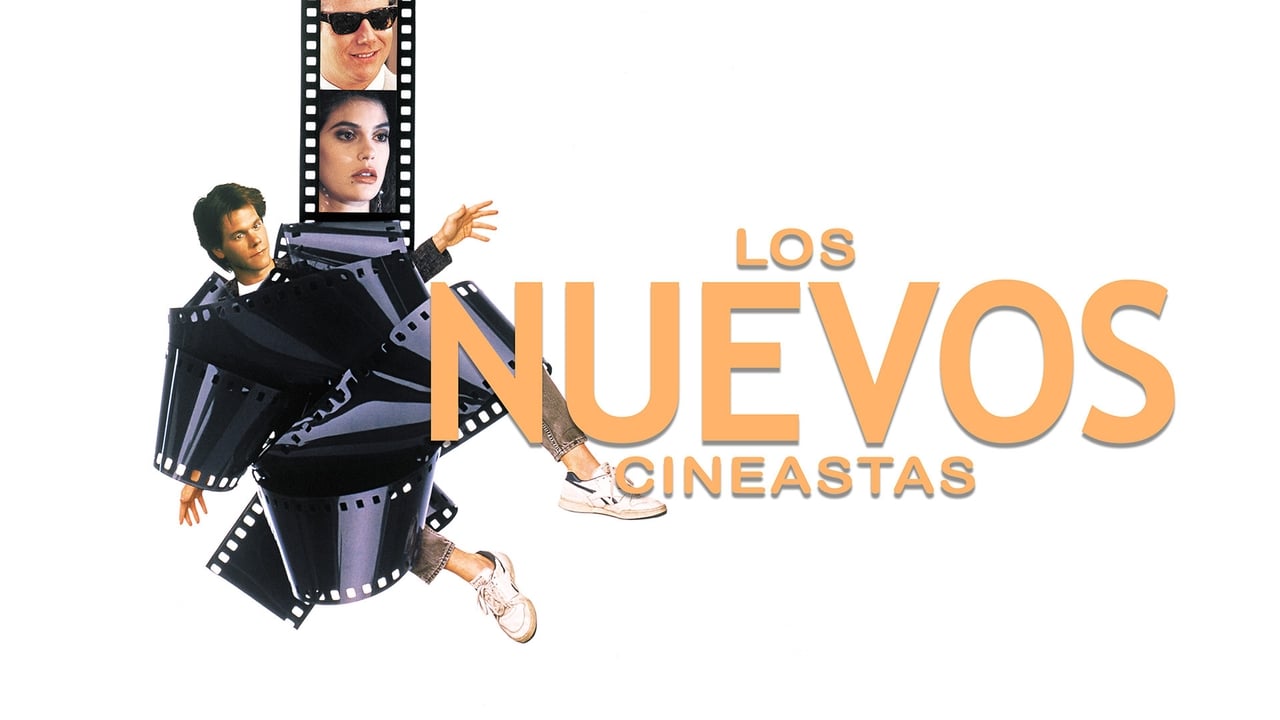
Kevin Bacon, then navigating his post-Footloose (1984) stardom, is wonderfully cast as Nick. He brings an essential likability and earnestness to the role, making his gradual slide towards compromise both funny and genuinely painful to watch. You root for him, even as he starts dressing like a low-rent Don Johnson and considering casting choices that betray his original vision. He sells Nick's initial integrity and subsequent confusion beautifully.
But let's be honest, the film is almost stolen by the supporting players embodying the Hollywood machine. The late, great J.T. Walsh is masterful as the studio suit, embodying that chilling corporate pleasantness that masks utter ruthlessness. And then there’s Martin Short. His extended cameo as Nick’s agent, Neil Sussman, is the stuff of legend. Manic, sycophantic, utterly unprincipled, and sporting some truly… memorable fashion choices, Short delivers a comedic tour-de-force that’s both hilarious and slightly terrifying. Apparently, much of Sussman’s dialogue and mannerisms were improvised by Short, a testament to his comedic genius and Guest's willingness to let his actors fly. It’s a performance that lives vividly in the memory long after the tape finishes rewinding.
Behind the Celluloid Curtain
The Big Picture itself had a journey somewhat mirroring its protagonist's struggles, albeit without the triumphant finale initially. Made for a reported $5 million, it sadly tanked at the box office, pulling in just over $117,000 domestically. Ouch. Its life truly began, fittingly enough, on home video, where audiences discovered its sharp humor and relatable core. It became one of those beloved VHS finds, passed between friends, a cult classic appreciated for its knowing wink at the industry.
Guest, directing his first feature, shows flashes of the observational, character-driven humor that would define his later mockumentaries like Waiting for Guffman (1996) and Best in Show (2000). While The Big Picture follows a more traditional narrative structure, you can see the DNA of his future work in the keenly observed absurdities and the focus on quirky, vividly drawn characters on the periphery. The film adeptly skewers trends of the time – the obsession with marketable concepts, the bizarre logic of genre mashups (Nick’s evolving film morphs into a ridiculous beach party movie called "Beach Blues"), and the fleeting nature of Hollywood heat. Remember those terrible movie-within-a-movie posters? Classic.
Art, Commerce, and Compromise
Does the film feel dated? In some superficial ways, yes – the hairstyles, the clothes, the sheer eighties-ness of it all are undeniable. But the central conflict? The battle between artistic integrity and commercial viability, the pressure to sand down rough edges for mass appeal, the struggle to stay true to oneself amidst seductive offers? That remains eternally relevant. The Big Picture uses comedy to ask serious questions about the cost of dreams and the nature of success in a system often designed to commodify creativity.
While the satire is sharp, the film avoids becoming overly cynical. There's a vein of hope running through it, embodied by Susan and Nick's own flickering conscience. The ending might lean a touch towards conventional Hollywood resolution, perhaps smoothing things over a bit too neatly for some, but it doesn't entirely betray the film's clever critique. It leaves you pondering: can you truly beat the system, or just learn to survive within it?
Rating & Final Reel
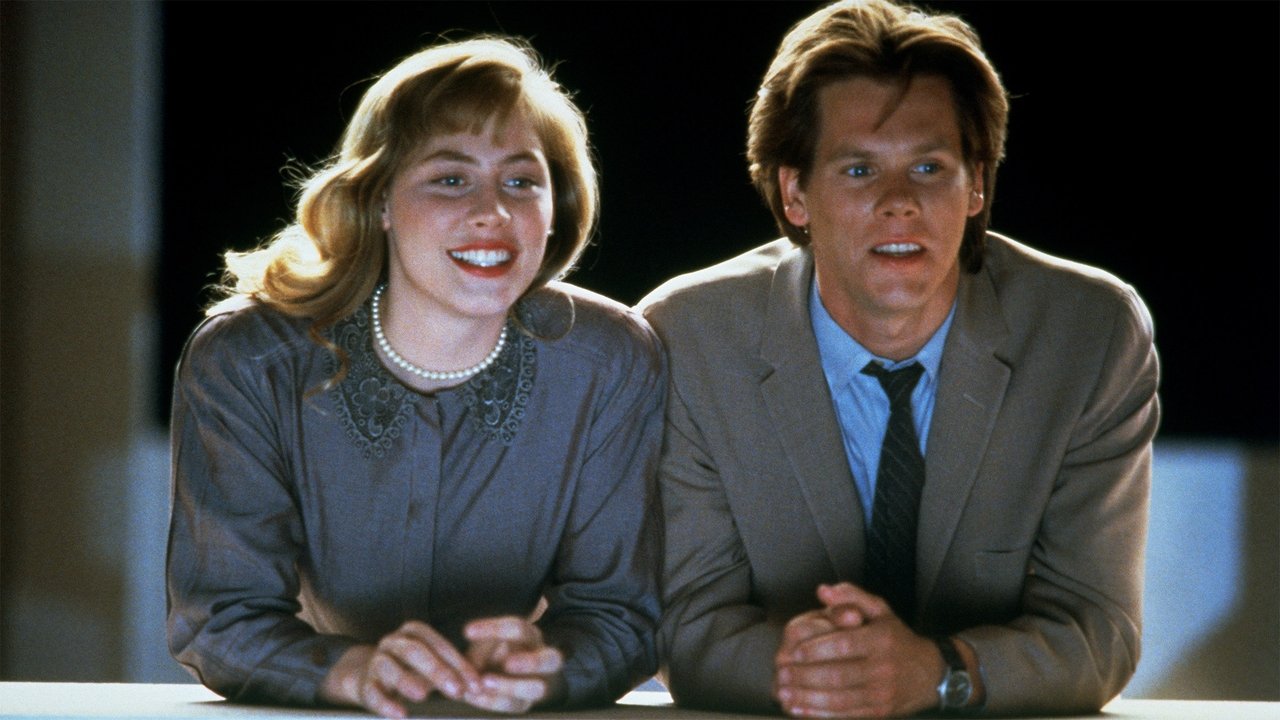
The Big Picture is a smart, funny, and often keenly observant satire that holds up remarkably well. Anchored by a charming lead performance from Kevin Bacon and boosted by scene-stealing turns from J.T. Walsh and especially Martin Short, it captures the specific anxieties and absurdities of late-80s Hollywood with affectionate accuracy. While its modest box office meant it wasn't a theatrical juggernaut, its discovery on VHS cemented its place as a beloved cult comedy for anyone who ever dreamed of making movies or simply enjoys seeing the Hollywood machine gently ribbed. The slightly tidy ending keeps it from perfection, but its wit and heart shine through.
Rating: 8/10
It remains a delightful and insightful look at the compromises lurking behind the silver screen, a reminder that sometimes the funniest stories are the ones rooted firmly in recognisable, often frustrating, reality. Didn't we all know someone a bit like Nick Chapman back then, full of dreams and facing down the lure of the 'big picture'?