Some films arrive like whispers from another world, slipping into the VCR and unfolding realities far removed from the suburban sprawl outside our living room windows. Emir Kusturica's 1988 epic, Time of the Gypsies (originally Dom za vešanje, or Home for Hanging), was precisely that kind of discovery for many of us browsing the deeper cuts in the video store aisles. It wasn't just a movie; it felt like stepping through a portal into a universe vibrant, chaotic, brutal, and laced with an undeniable, almost primal magic. This wasn't the polished escapism of Hollywood; this was something earthier, more potent, and utterly unforgettable.
### A World Pulsing with Life and Shadow
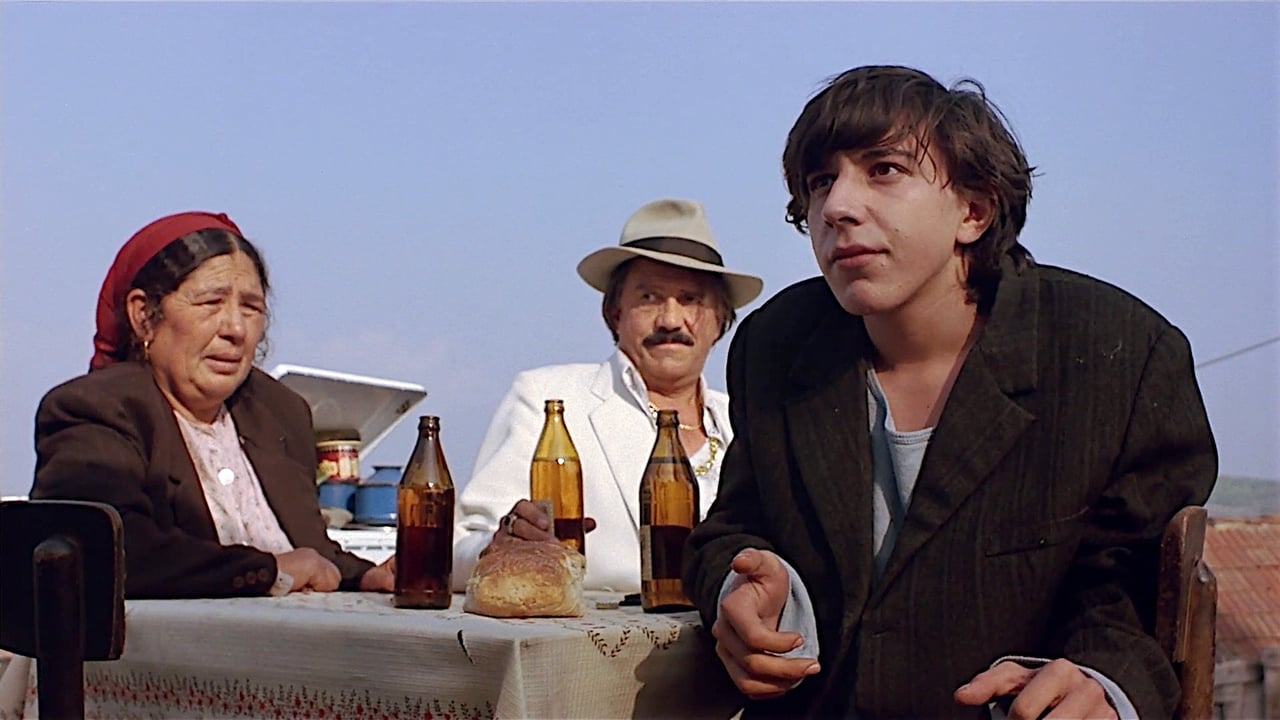
From its opening frames, Time of the Gypsies immerses us in the sprawling, often impoverished, but fiercely alive Romani settlements of Yugoslavia. Kusturica, who had already stunned the world by winning the Palme d'Or for When Father Was Away on Business (1985), paints this world not with judgment, but with an almost overwhelming sensory richness. The screen teems with faces, music, animals, mud, and ritual. It's a place where ancient traditions rub shoulders uneasily with the encroaching modern world, and where superstition holds as much sway as harsh economic reality. The film notably marked Kusturica's first significant foray into using the Romani language, a decision born from his and co-writer Gordan Mihić's deep immersion in the communities they sought to portray, lending an unparalleled layer of authenticity.
### The Weight of a Gift, The Path of a Boy
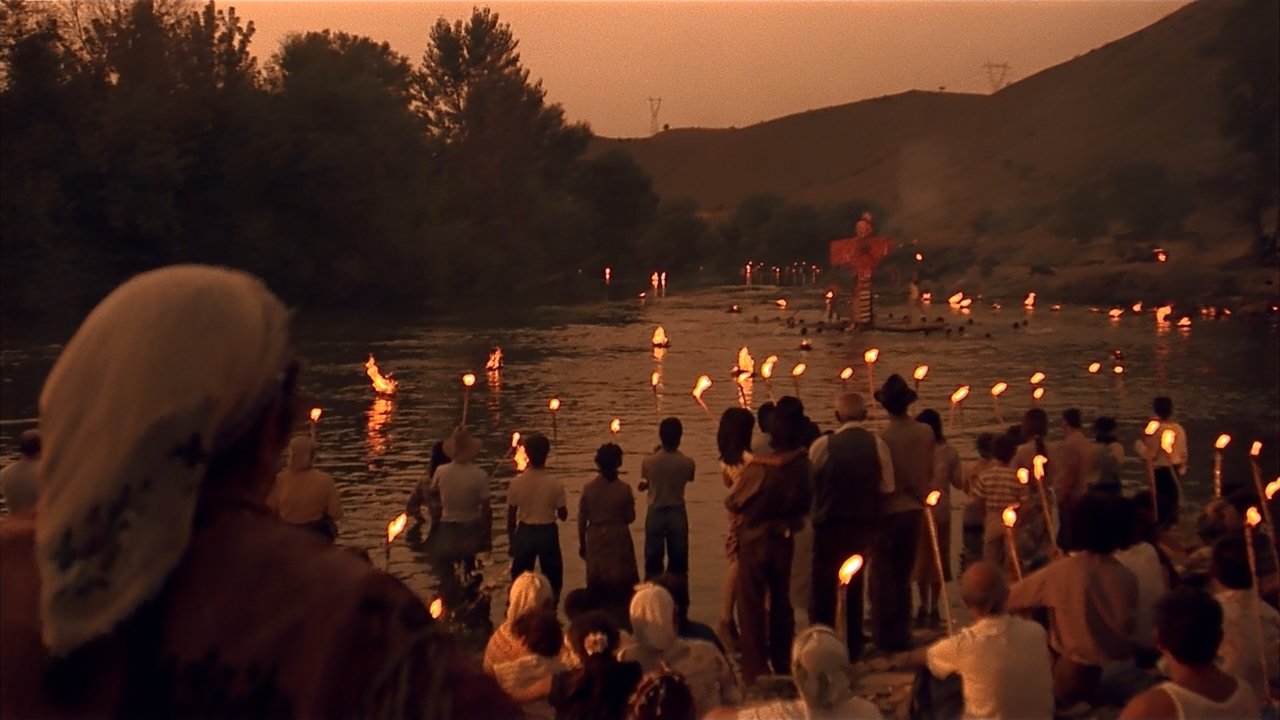
At the heart of this swirling tapestry is Perhan, played with haunting vulnerability by Davor Dujmović. Perhan is a young man burdened and blessed with telekinetic powers, inherited from his grandmother, Khatidza. He dreams of marrying his love, Azra, and escaping the cycle of poverty. Dujmović, who Kusturica famously discovered in a Sarajevo café and who wasn't a professionally trained actor at the time, brings an astonishing rawness to the role. You see the innocence in his eyes slowly curdle as circumstances pull him away from his roots and into the orbit of Ahmed, the charismatic but deeply corrupt gangster.
The relationship between Perhan and Ahmed, brought to life with oily charm and menace by the veteran Bora Todorović, forms the tragic spine of the narrative. Ahmed promises Perhan wealth and a cure for his sister's ailing leg, luring him to Italy. But the promise sours into exploitation, forcing Perhan into petty crime and the trafficking of children. It's a devastating depiction of how poverty and desperation can be weaponized, how dreams can be twisted into nightmares by those who wield power without conscience.
### Magic Realism, Balkan Style
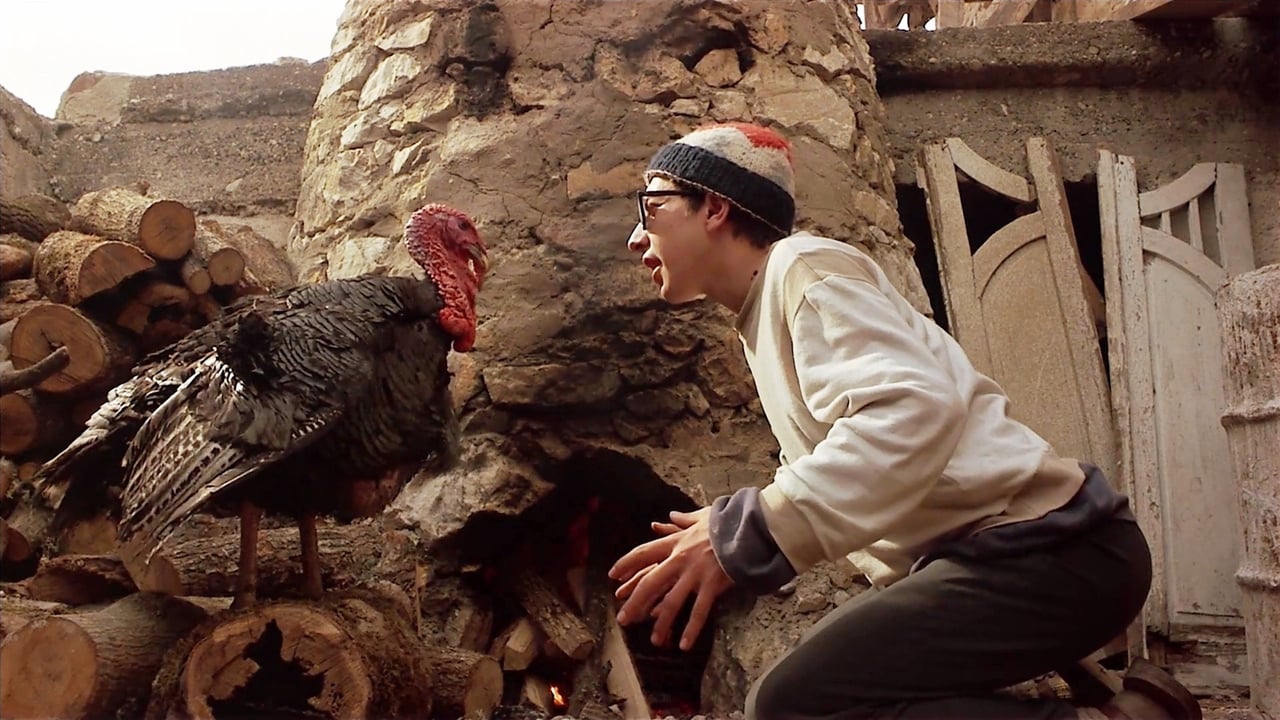

What truly sets Time of the Gypsies apart is Kusturica's masterful blend of gritty realism with moments of pure, unadulterated magic. This isn't whimsical fantasy; it's a deeper, more folkloric magic woven into the fabric of everyday life. Objects levitate not as a spectacle, but as an expression of Perhan's inner turmoil. His grandmother, Khatidza, portrayed with incredible dignity and power by another non-professional, Ljubica Adžović, communes with spirits and possesses healing powers that feel utterly organic to her character and her world. Kusturica uses these elements not to escape reality, but to heighten its emotional and spiritual dimensions, suggesting forces at play beyond the purely material. The legendary composer Goran Bregović's score is inseparable from this effect, its Balkan folk melodies soaring with joy one moment and plunging into despair the next, becoming almost another character in the film.
### Echoes from the Edit and the Era
Finding Time of the Gypsies on VHS often meant stumbling upon the full, sprawling vision – running close to two and a half hours (though various edits exist). It demanded patience, an immersion that felt different on a CRT screen, the grain of the tape somehow complementing the film's earthy textures. It wasn't a casual watch; it was an event. Kusturica's direction, which earned him the Best Director award at the 1989 Cannes Film Festival, is audacious. His camera sweeps and glides through chaotic ensemble scenes – weddings, funerals, bustling marketplaces – capturing the energy and complexity of Romani life with breathtaking ambition. One recalls the logistics involved in marshalling these large casts, often including non-actors drawn directly from the communities, adding another layer to the film's staggering authenticity. The river wedding sequence, for instance, remains an iconic piece of cinematic poetry, blending celebration with an undercurrent of foreboding.
This film arrived as Yugoslavia itself was heading towards a turbulent decade, and while not explicitly political in the same way as some of Kusturica's other work, the themes of displacement, exploitation, and the struggle to maintain identity resonate with the historical context. It felt like capturing a specific cultural moment, a specific way of life, with an intensity that few films achieve.
### Final Reflections
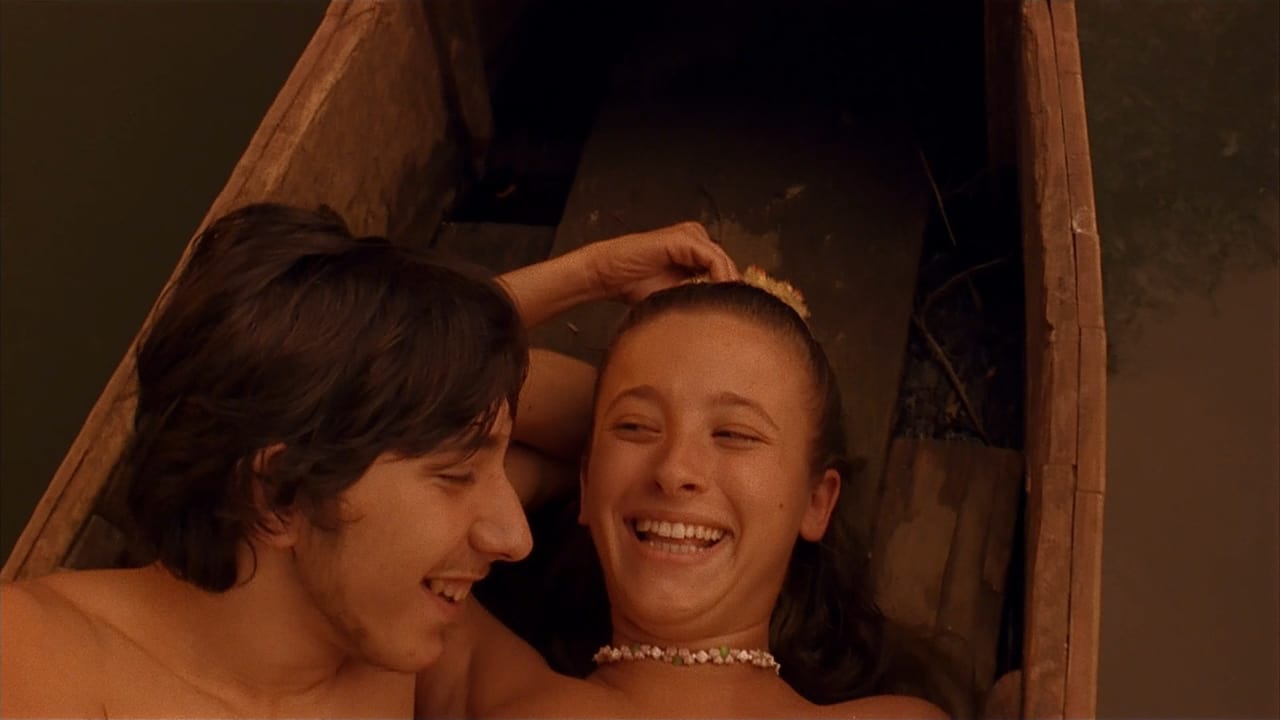
Time of the Gypsies is not an easy film. It's long, demanding, and unflinching in its depiction of hardship and moral compromise. Yet, it remains one of the most visually stunning, emotionally resonant, and uniquely imagined films of the late 80s. It’s a film that burrows under your skin, its images and music lingering long after the tape clicked off. The performances, particularly from the non-professional actors like Dujmović and Adžović, possess a truthfulness that transcends conventional acting. It’s a powerful, sometimes uncomfortable, but ultimately enriching journey.
Rating: 9/10
This score reflects the film's sheer artistic ambition, its unforgettable performances, Kusturica's visionary direction, and its unique, potent blend of realism and magic. It’s a demanding masterpiece, its length and tonal shifts preventing a perfect score for casual viewing, but its impact is undeniable. It remains a vital piece of world cinema, a haunting folk opera captured on film, and a testament to the power of telling stories from worlds rarely seen on screen. What stays with you most? For me, it's the heartbreaking trajectory of Perhan, a soul caught between the magic within him and the harsh realities closing in.