Okay, settle in, maybe grab a cup of coffee – let's talk about a film that feels less like a time-travel gimmick and more like drifting through a half-remembered dream. Peggy Sue Got Married (1986) arrived on video store shelves not with a bang, but with a quiet, thoughtful sigh. It poses that eternally seductive question: if you could go back, knowing everything you know now, what would you really change? It’s a premise ripe for wish-fulfillment fantasy, but director Francis Ford Coppola – yes, that Francis Ford Coppola, steering away momentarily from the epics like The Godfather (1972) or the intensity of Apocalypse Now (1979) – crafts something far more bittersweet and resonant.
### Back to the Future, Sideways
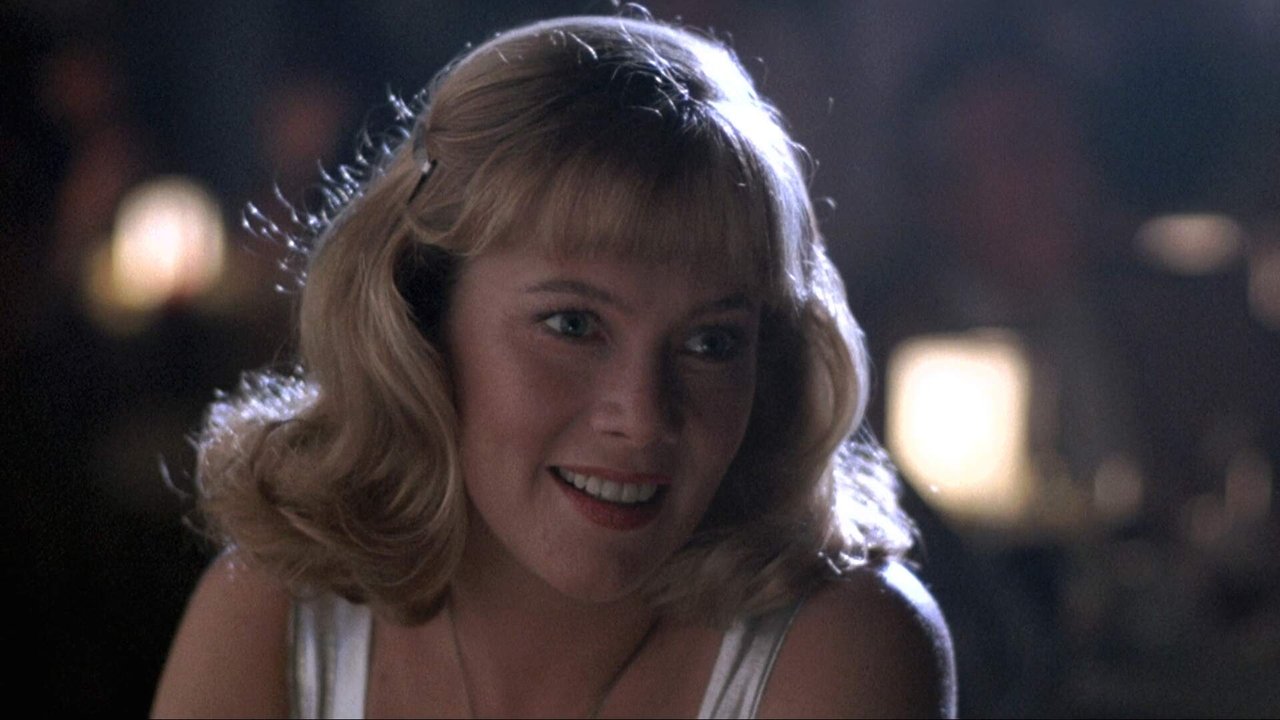
The setup is deceptively simple. Peggy Sue Bodell (Kathleen Turner), on the verge of divorcing her high-school sweetheart turned unfaithful appliance king husband Charlie (Nicolas Cage), attends her 25-year high school reunion. Overwhelmed by nostalgia, regret, and perhaps one too many flashbacks, she faints, only to awaken in the spring of 1960, back in her teenage body but armed (or burdened) with the knowledge of the intervening decades. This isn't about altering history for grand sci-fi stakes; it’s about navigating the deeply personal minefield of past choices, armed with the often-unhelpful wisdom of hindsight. I remember renting this one, expecting maybe a lighter romp, and being struck by the emotional weight Turner brought to it, something that lingered long after the tape needed rewinding.
### The Heart of the Matter: Kathleen Turner's Tour de Force
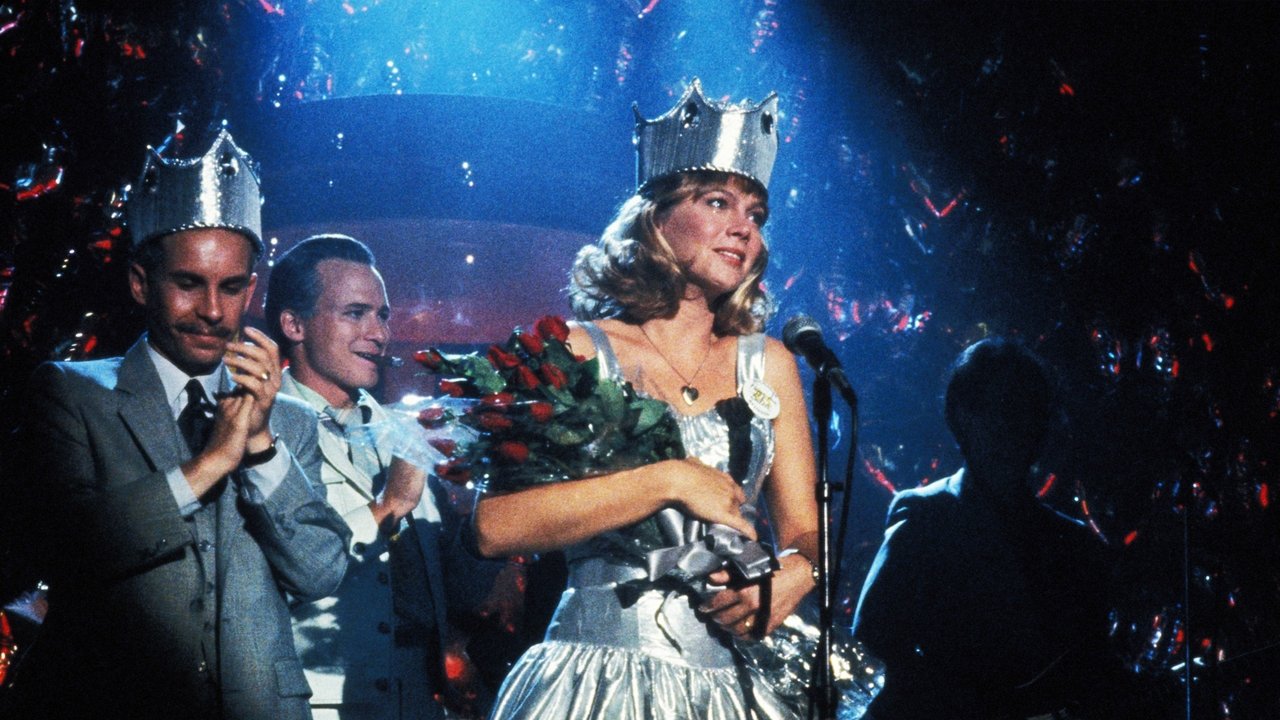
Let's be clear: this film rests squarely on the shoulders of Kathleen Turner, and she delivers a performance of extraordinary nuance. Watching her navigate the complexities of being a 43-year-old mind in a 17-year-old body is captivating. She’s not just playing young; she’s playing a woman haunted by her future while trying to make sense of her past. The weariness in her eyes contrasts sharply with the youthful energy she’s forced to project. There's profound sadness as she interacts with her much younger (and blissfully unaware) parents, knowing the heartaches that await them. There's confusion and simmering resentment as she looks at the teenage Charlie, the boy she fell for, trying to reconcile him with the man who broke her heart. It’s a performance layered with regret, longing, and a flicker of rediscovered hope. Her Academy Award nomination for Best Actress was thoroughly deserved; she makes Peggy Sue’s impossible situation feel achingly real. It’s worth noting Turner stepped in after Debra Winger had to bow out due to injury – a serendipitous turn of events that feels almost fated, given how perfectly Turner embodies the role.
### Coppola's Unexpected Turn
Seeing Coppola's name attached might initially seem surprising for what appears, on the surface, to be a gentler film. Yet, his directorial hand is evident in the film’s rich atmosphere and emotional depth. Having taken over the project fairly late in pre-production (after original choices Penny Marshall and Jonathan Demme departed), Coppola brings a visual warmth and a focus on character that elevates the material. The cinematography bathes the past in a soft, almost dreamlike glow, contrasting with the harsher realities Peggy Sue carries within her. It feels less like a sterile recreation of 1960 and more like an idealized memory, slightly fuzzy around the edges. This wasn't a blockbuster project (made for around $18 million, it earned a respectable $41 million domestically), but it felt like a necessary film for Coppola at the time, a chance to explore more intimate, personal themes after the financial strain of One from the Heart (1981).

### That Voice: Nicolas Cage as Charlie
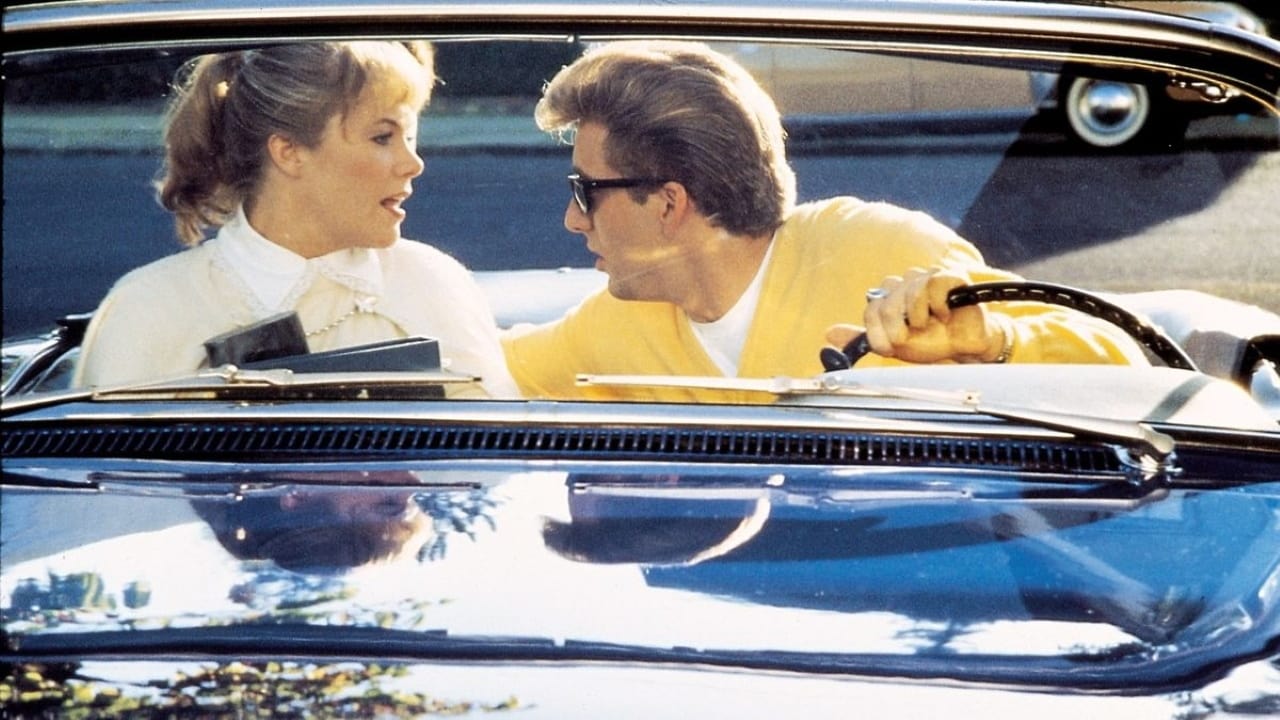
And then there's Charlie. Oh, Charlie. Nicolas Cage, Coppola's nephew, delivers a performance that’s… well, it’s certainly memorable. His high-pitched, nasal voice and exaggerated mannerisms were, and remain, a point of contention. Legend has it Cage based the voice on Pokey from The Gumby Show, wanting to portray Charlie as genuinely annoying yet somehow endearing, the kind of guy Peggy Sue might plausibly fall for and want to divorce. It was a bold choice, one reportedly met with some resistance on set, though Coppola ultimately backed his actor. Does it work? It’s jarring, certainly, and pulls focus in a way that sometimes feels at odds with the film's gentler tone. Yet, there's an undeniable sincerity to it. Cage fully commits, creating a character who feels genuinely awkward and desperate for Peggy Sue's affection, even if his methods are… unique. It’s a performance that underlines the strangeness of the past when viewed through the lens of the present – maybe Charlie was always this odd, and Peggy Sue just didn't see it then?
### Beyond the Central Romance
While the Peggy Sue/Charlie dynamic is central, the film finds real emotional power in Peggy Sue’s rediscovered connections. Her interactions with her family, particularly her mother (Barbara Harris) and her younger sister (Sofia Coppola, the director's daughter, in a small role), are tinged with a poignant awareness of time's passage. Equally touching is her conversation with the school's resident geek, Richard Norvik (Barry Miller), the one person she confides in about her predicament. He represents the path not taken, the intellectual connection she perhaps sacrificed for youthful passion. Look closely too, and you'll spot a very young Jim Carrey as one of Charlie's goofy doo-wop buddies – a fun bit of retro casting trivia. The film gently explores themes of forgiveness, acceptance, and the realization that maybe, just maybe, the life you ended up with wasn't entirely a mistake, even with its flaws.
### A Sweet Ache of Nostalgia
Peggy Sue Got Married taps into nostalgia not just for the specific era of 1960, but for the universal experience of youth – the intensity of first love, the seemingly endless possibilities, the anxieties hidden beneath bravado. It understands that going back isn't just about fixing mistakes, but about understanding how those experiences shaped who we became. It asks us, gently, to consider our own pasts with a little more kindness. What truly lingers after the credits roll isn't the time-travel mechanics, but the emotional truth of Peggy Sue's journey.
Rating: 8/10
Justification: Peggy Sue Got Married earns its 8 for its deeply affecting central performance from Kathleen Turner, Coppola's sensitive direction, and its thoughtful exploration of complex emotional themes beneath a seemingly simple premise. While Cage's performance remains divisive and might detract slightly for some, the film's emotional core is remarkably strong and resonant. It avoids easy answers, offering a bittersweet reflection on time, choice, and acceptance that feels remarkably mature for its era.
Final Thought: This wasn't just another tape on the rental shelf; it was a quiet invitation to look back, not just with rosy sentimentality, but with the complex understanding that only comes with time. It reminds us that even if we could rewrite our past, would we truly want to erase the person we became along the way?