Here’s a review for "VHS Heaven":
***
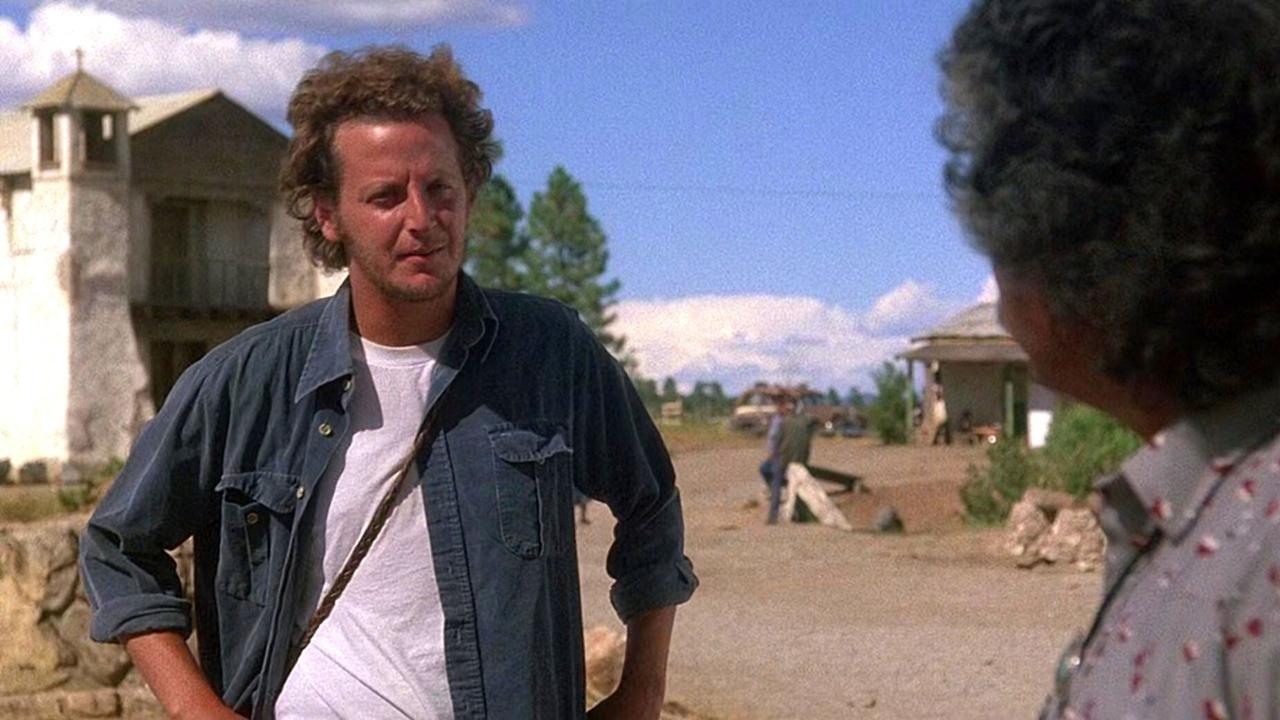
It starts with something small, almost accidental. A moment of frustration, a kicked irrigation valve, and suddenly, water flows where it hasn't in years, nourishing a parched patch of earth belonging to Joe Mondragon. This single, impulsive act in the dusty New Mexico town of Milagro becomes the quiet catalyst for Robert Redford's sprawling, warm-hearted, and perhaps slightly unwieldy fable, The Milagro Beanfield War (1988). Watching it again after all these years, pulling that worn tape from its sleeve, feels less like revisiting a blockbuster and more like unearthing a half-remembered folk tale, one imbued with a gentle magic and a surprisingly sharp commentary simmering just beneath the surface.
A Patch of Green in the Dust
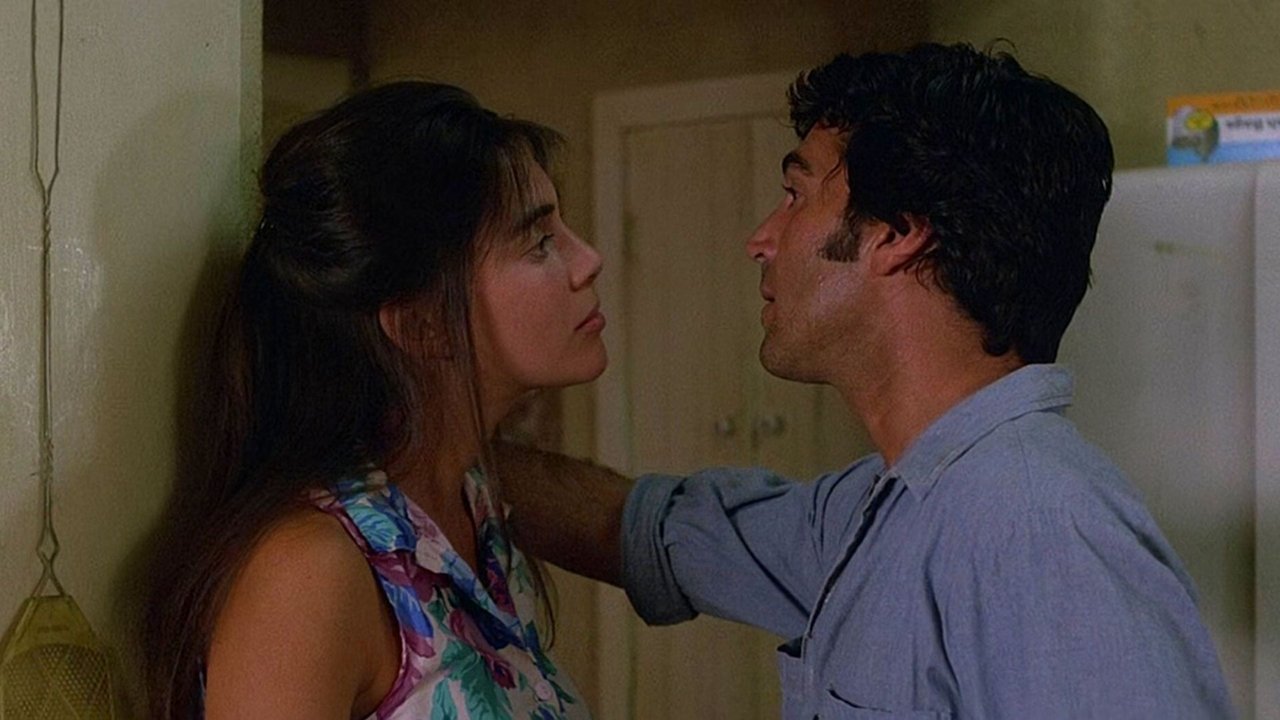
The setup is classic David vs. Goliath, Southwestern style. A powerful development company, led by the slick Ladd Devine (Richard Bradford, pulling double duty, interestingly, also playing Sheriff Montoya), plans a massive resort project that requires the valley's scarce water, squeezing out the traditional Hispanic farming community of Milagro. Joe Mondragon (Rubén Blades), a handyman struggling to make ends meet, isn't trying to be a hero when he illegally diverts water to his late father's neglected beanfield. It's more an act of weary defiance, a gesture against the forces slowly erasing his way of life. But that small patch of green becomes a symbol, a rallying point for the community, much to the chagrin of the developers and the exasperation of Sheriff Montoya, caught between his job and his neighbours.
The Heartbeat of Milagro
What makes Milagro endure isn't necessarily its plot, which meanders like a desert stream, but its rich tapestry of characters and the palpable sense of place. Redford, directing his second feature after the starkly different, Oscar-winning Ordinary People (1980), clearly fell in love with the world created by author John Nichols in his 1974 novel. This was a passion project for Redford, who held the rights for years, finally bringing it to life with a substantial $22 million budget (roughly $57 million adjusted for inflation). He populates the screen with a wonderful ensemble, many of Hispanic descent, lending an essential authenticity. Rubén Blades, the Panamanian salsa legend and actor, perfectly embodies Joe's reluctant revolutionary spirit – flawed, uncertain, but deeply rooted in his land. Opposite him, Sônia Braga, as the fiery garage owner and activist Ruby Archuleta, provides the film's passionate conscience, urging the townspeople to stand with Joe. Their chemistry, alongside veterans like Carlos Riquelme as the wise, angel-accompanied elder Amarante Cordova and Chick Vennera as Joe, forms the film's warm, beating heart. Even Christopher Walken, in a typically unsettling turn as the quietly menacing state agent Kyril Montana, feels organically woven into this unique world, a snake slithering into Eden.

Whispers of Magic and Music
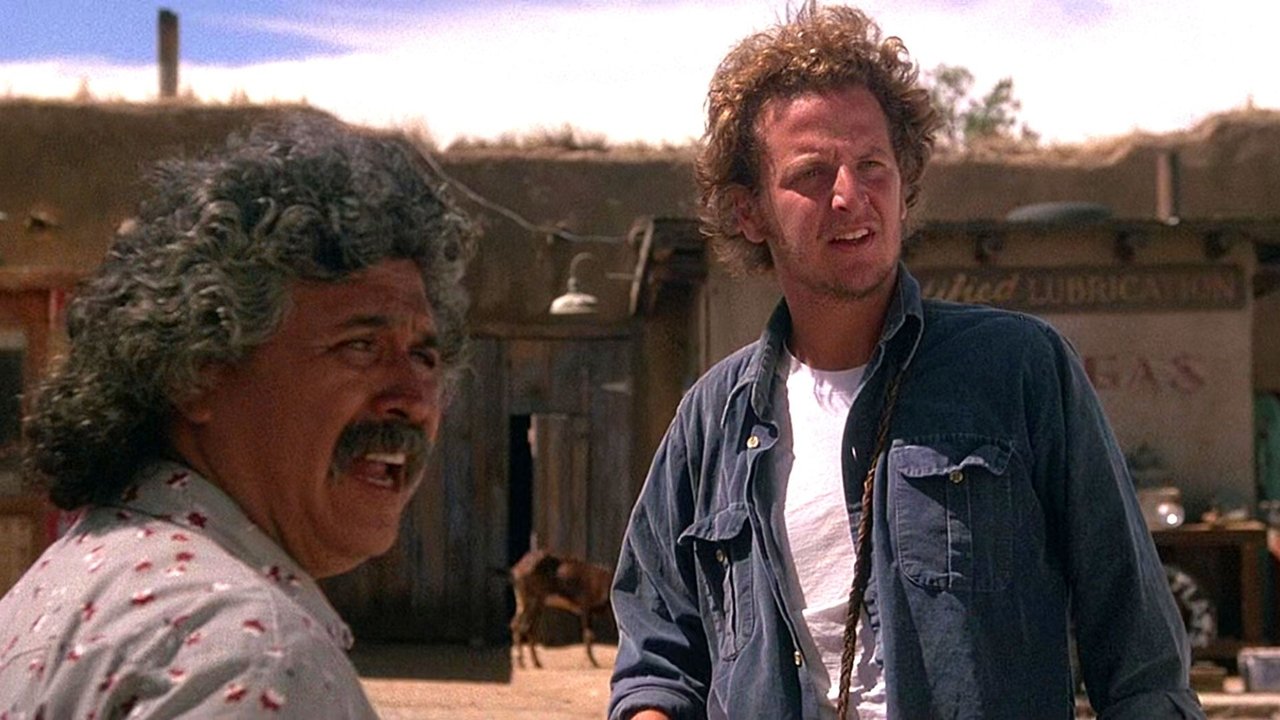
Redford masterfully captures the unique light and landscape of Northern New Mexico (filming primarily around the villages of Truchas and Chimayó). The cinematography drinks in the high desert vistas, contrasting the stark beauty with the encroaching threat of development. But Milagro isn't just social realism; it weaves in threads of magical realism effortlessly. Amarante converses with saints, ghosts offer advice, and the land itself seems almost sentient. This isn't heavy-handed fantasy; it feels like an extension of the community's deep connection to tradition and folklore. This delicate balance is amplified beautifully by Dave Grusin's Oscar-winning score, a blend of Southwestern folk melodies and poignant themes that perfectly encapsulates the film's bittersweet, hopeful tone. It’s one of those scores that instantly transports you, becoming as much a character as anyone on screen.
A Story Gently Told (Perhaps Too Gently?)
If The Milagro Beanfield War has a flaw, it might be its leisurely pace and sprawling narrative. It takes its time, letting moments breathe, exploring side characters like Daniel Stern's naive sociology student Herbie Platt, who serves as an outside observer. Some critics at the time found it too sentimental or lacking focus, and indeed, the film struggled commercially, grossing only about $13.8 million domestically against its significant budget. It wasn't the kind of high-octane hit dominating the late 80s box office.
Yet, watching it now, that gentle pacing feels less like a bug and more like a feature. It mirrors the rhythms of the community it portrays, a world operating on a different timescale than the aggressive march of progress represented by the developers. There’s a refreshing lack of cynicism here. Redford clearly believes in the power of community, the importance of heritage, and the quiet dignity of resistance. I remember renting this from the local video store, probably nestled between action flicks and broad comedies, and being struck by its different rhythm, its refusal to offer easy answers or explosive showdowns. It felt... considerate.
The film is rich with small, memorable details that feel true to the spirit of independent filmmaking, even on a studio budget. Redford's commitment to authenticity extended beyond casting; the production worked closely with the local communities, navigating the complexities of filming in such historic, inhabited places. It’s a film less about grand pronouncements and more about the accumulation of small moments: a shared meal, a worried conversation, the stubborn green shoots pushing through dry earth. Doesn't that quiet resilience still speak volumes today?
Rating: 8/10
The Milagro Beanfield War earns its 8/10 for its immense heart, stunning sense of place, wonderful ensemble performances (especially from Blades and Braga), and Dave Grusin's unforgettable score. Its thematic depth regarding cultural clashes and environmental concerns feels more relevant than ever. While its leisurely pace and tonal shifts might not connect with everyone, and prevented it from being a box office success, its warmth and gentle magic offer a rich, rewarding experience that lingers long after the credits roll. It stands as a testament to Redford's humanistic vision and a unique entry in the landscape of 80s cinema.
It leaves you pondering not just the fate of one small beanfield, but the enduring question of what truly nourishes a community – water, yes, but also spirit, memory, and the courage to stand together.