Alright, fellow tapeheads, let's dim the lights, maybe crack open a Tab, and slide a tape into the VCR that probably raised a few eyebrows at the rental counter back in the day. We're talking about Zalman King's sun-drenched, sweat-soaked slice of Southern Gothic eroticism, 1988's Two Moon Junction. This wasn't your typical Friday night action flick; finding this on the shelf felt like uncovering something a bit... forbidden.
### Southern Heat and Forbidden Desire
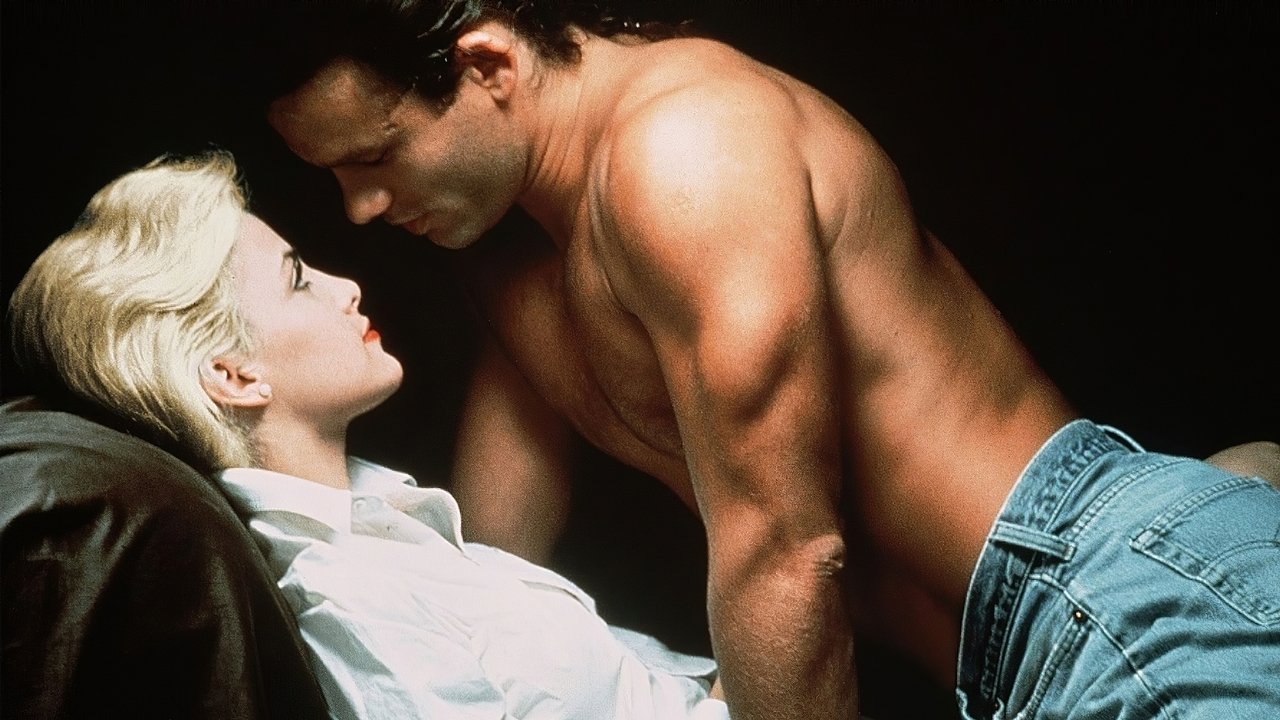
Forget intricate plots. Two Moon Junction boils down to a primal collision of worlds. We meet April (Sherilyn Fenn), a blue-blooded Southern belle gliding through life in magnificent estates, just weeks away from marrying the kind of wealthy, respectable bore her powerful grandmother (the legendary Louise Fletcher, radiating icy disapproval) approves of. But then, the carnival rolls into town, bringing with it dust, neon, danger, and Perry (Richard Tyson), a brooding, muscular carny who works the rides and seems carved from raw impulse. The air crackles, unspoken desires hang heavy like Spanish moss, and April finds herself drawn to a world utterly alien to her own meticulously planned future.
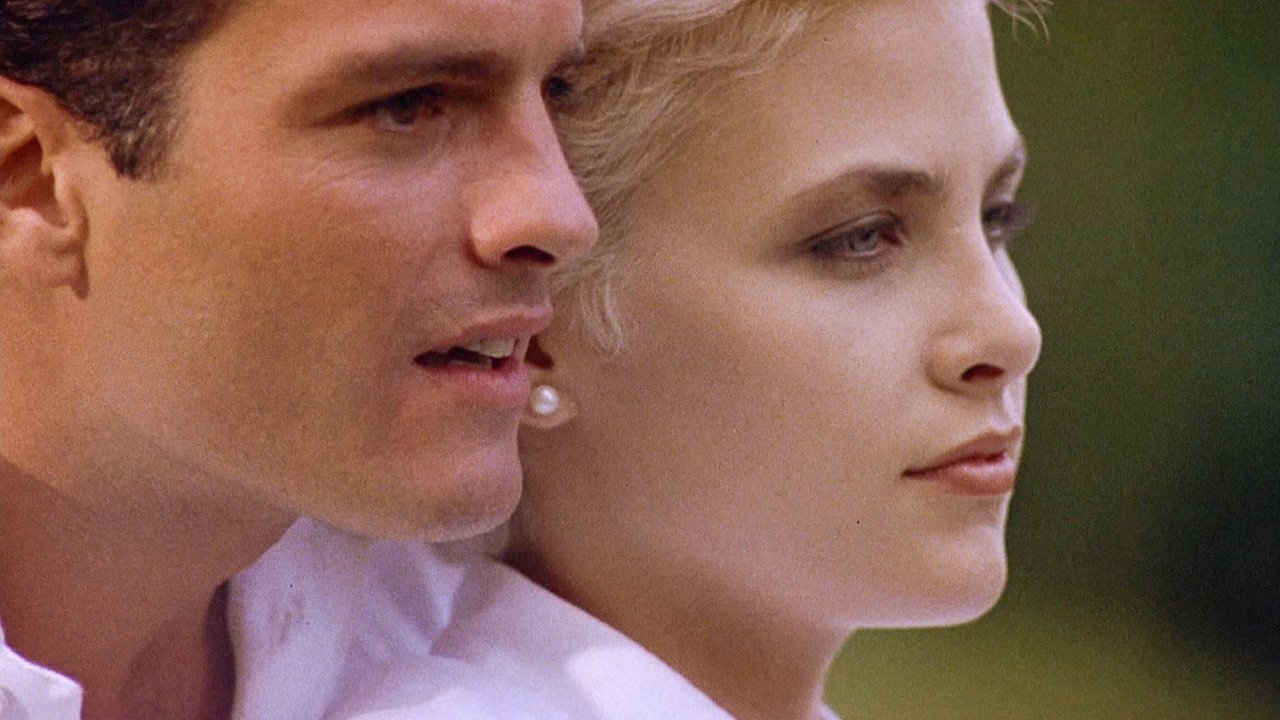
The "plot," such as it is, exists mainly to facilitate the intense, almost overwhelming sensory experience. Remember how certain films from this era just felt different? King, who had already dipped his toes into these waters co-writing 9½ Weeks, drenches this film in a specific late-80s aesthetic. It’s all soft focus, backlit silhouettes, lingering close-ups on damp skin, and a score heavy on breathy synths and sultry saxophones. It’s less a narrative, more a mood piece – a humid, feverish dream of transgression.
### That Zalman King Touch
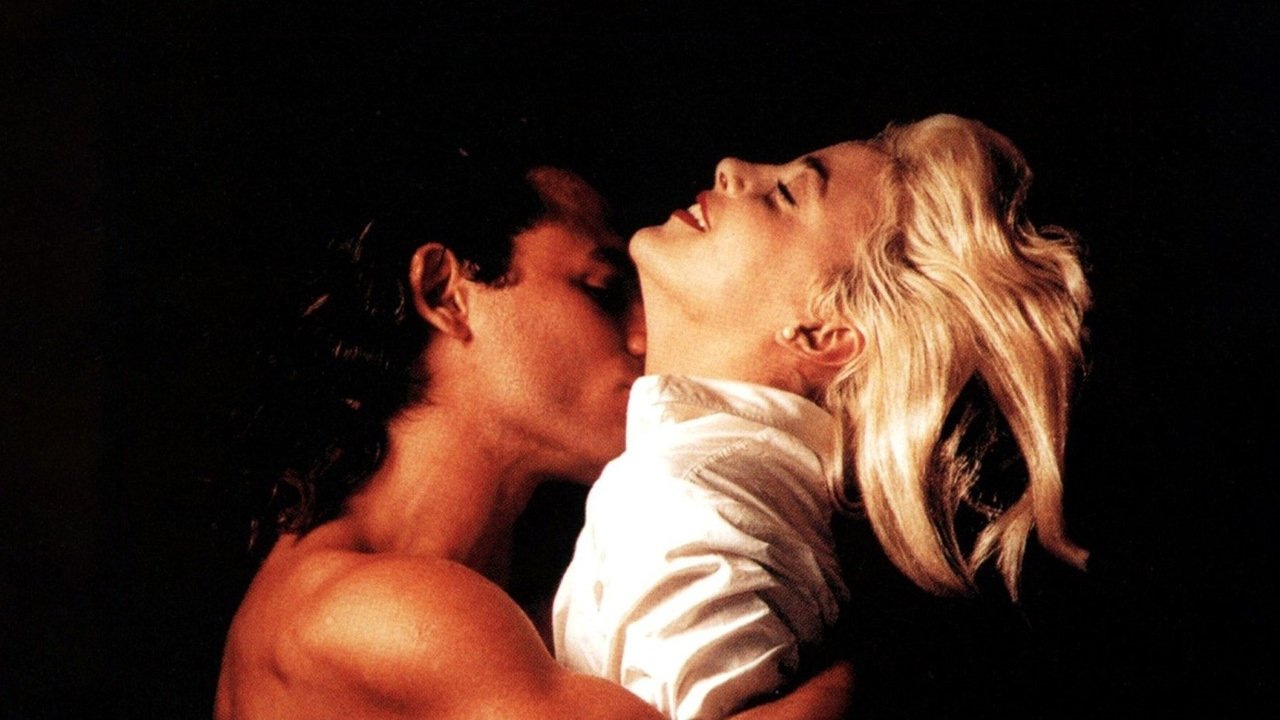
You can't talk about Two Moon Junction without talking about Zalman King. His directorial style is unmistakable. The camera practically caresses the actors, favoring texture and feeling over dialogue. It often feels like an extended, high-budget music video, prioritizing visual poetry and atmosphere. Some critics at the time absolutely savaged it for being all style and little substance, and maybe they weren't entirely wrong. Its initial reception was lukewarm, netting around $15.6 million on an $11 million budget – respectable, but hardly a blockbuster. But oh, did it find its real audience on VHS and late-night cable!
King knew exactly what he was doing, creating a specific brand of cinematic aphrodisiac. Interestingly, King started as an actor himself, appearing in shows like The Alfred Hitchcock Hour before finding his true calling behind the camera, crafting these unique, often controversial, explorations of sensuality like Wild Orchid shortly after.
### Fenn and the Fire Within
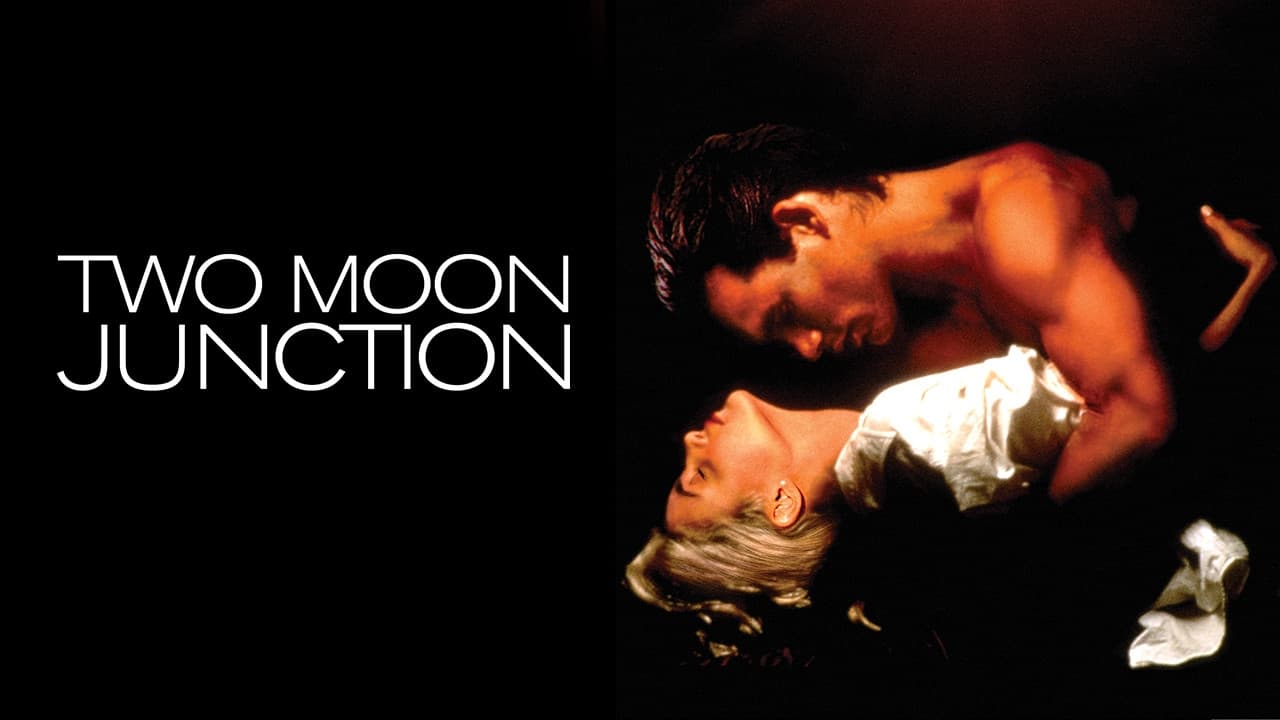
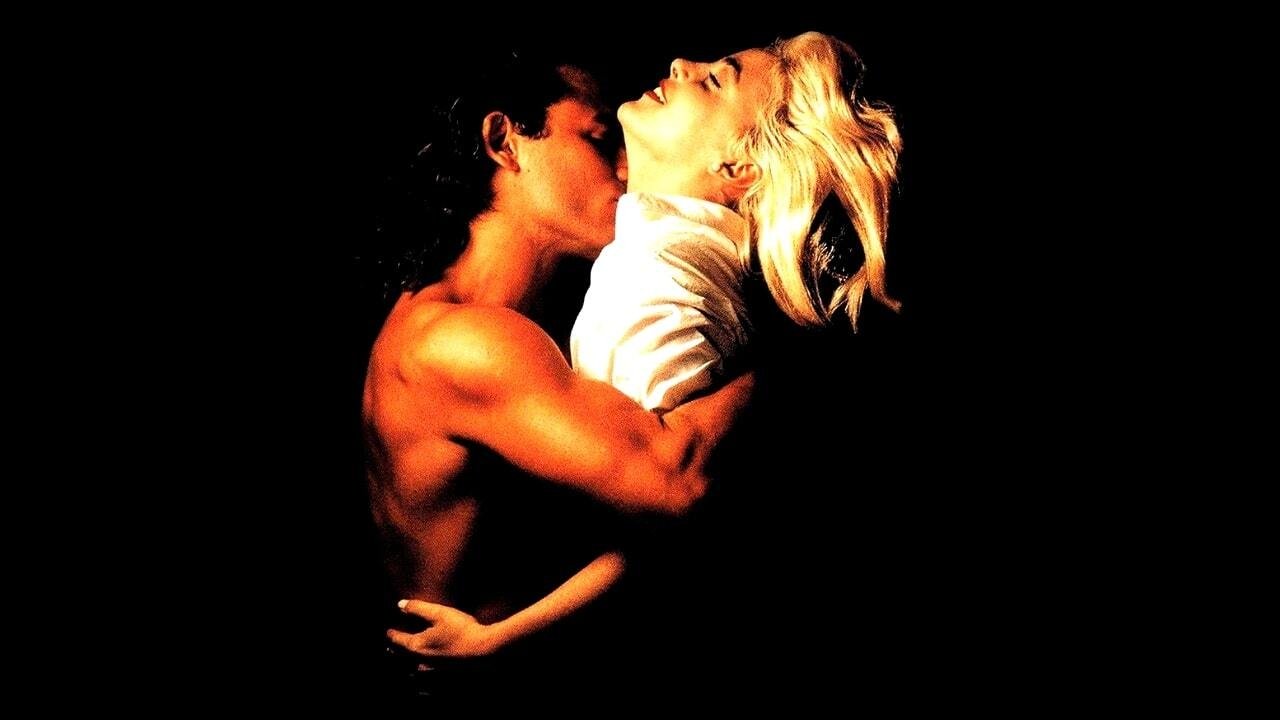
This film arguably belongs to Sherilyn Fenn. Just a couple of years before she'd achieve global fame as Audrey Horne in Twin Peaks, Two Moon Junction was a bold, breakout role. She throws herself into the part of April, convincingly portraying the conflict between her prescribed life and the overwhelming pull of primal desire. It’s a performance that requires vulnerability and daring in equal measure, and Fenn delivers, becoming the magnetic center around which the film's gauzy visuals swirl. It wasn't an easy role, requiring a level of exposure that certainly got people talking, and arguably shaped the early perception of her career.
Richard Tyson embodies the dangerous allure of Perry with simmering intensity, mostly communicating through longing stares and a rugged physicality. And seeing Louise Fletcher, forever etched in our minds as Nurse Ratched from One Flew Over the Cuckoo's Nest, play another kind of steely authority figure adds a fascinating layer. The clash between her character's rigid control and the film's unrestrained sensuality is palpable.
### A Time Capsule of Sensuality
Watching Two Moon Junction today is like unearthing a time capsule. The shoulder pads are high, the hair is big, and the approach to on-screen eroticism feels distinctly... 80s. There's an earnestness to its heightened reality, a lack of irony that's almost refreshing compared to today's often more detached or clinical depictions. Filmed largely on location in Georgia and California, it captures that specific Southern heat, making the atmosphere a character in itself. The titular Two Moon Junction, the dilapidated drive-in where key moments unfold, feels like a forgotten piece of Americana, perfectly symbolizing the collision of past and present, restraint and abandon.
This isn't a film built on intricate stunts or explosive practical effects, but its emotional intensity, amplified by King's hothouse visuals, feels just as potent in its own way. It aimed for a visceral reaction, a feeling rather than a thought, and largely succeeded on those terms, becoming a quintessential clandestine rental for a generation exploring the boundaries of mainstream cinema.
Rating: 6/10
Justification: Two Moon Junction is undeniably dated and stylistically overwrought, with a plot thinner than a whisper. However, as a prime example of Zalman King's unique aesthetic and a defining artifact of late-80s erotic drama, it holds significant nostalgic and curiosity value. Sherilyn Fenn's brave performance anchors the film, and its unapologetic commitment to its sensual, dreamlike atmosphere makes it memorable, if flawed. It perfectly captured a specific vibe that resonated powerfully on home video, earning its cult status.
Final Take: It's pure, uncut 80s cinematic steam – maybe not high art, but a fascinating, evocative trip back to when movies weren't afraid to get a little hot under the collar, right there on your flickering CRT screen.