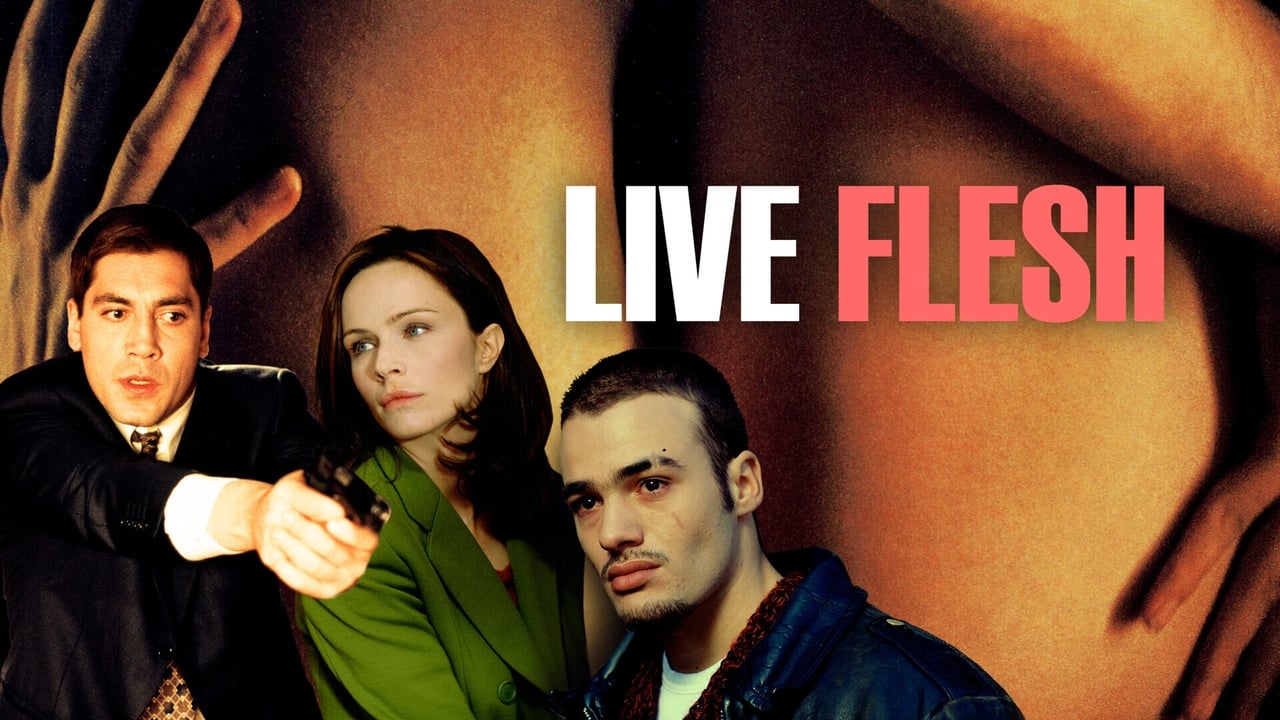
It starts with a gunshot, a messy confluence of desire, desperation, and bad timing under the flickering streetlights of Franco-era Madrid. But the echo of that single bullet in Pedro Almodóvar’s 1997 thriller, Live Flesh (Carne Trémula), reverberates far beyond that initial chaotic moment, weaving a complex, deeply human tapestry of lives irrevocably tangled by fate and consequence. Pulling this tape from the 'Foreign Films' shelf back in the day often meant preparing for something visually arresting and emotionally charged, and Live Flesh delivers, albeit with a somewhat more restrained, yet no less potent, touch than some of Almodóvar’s wilder cinematic excursions.
A Tangled Web Woven in Madrid
Based, perhaps surprisingly, on a novel by the British crime writer Ruth Rendell, Almodóvar transplants the story to his beloved Madrid, transforming it into something uniquely his own. The film introduces us to Victor Plaza (Liberto Rabal), born on a bus during a city-wide lockdown in the dying days of the Franco regime – an auspicious, chaotic beginning that seems to foreshadow his tumultuous life. Years later, a volatile encounter with Elena (Francesca Neri), a woman he briefly met and becomes obsessed with, leads to a standoff involving two policemen, the steady David (Javier Bardem) and his volatile older partner, Sancho (José Sancho). A struggle, a gunshot, and lives are altered forever. Victor goes to prison, David is left paralyzed from the waist down, and Elena carries the trauma forward. The film picks up years later, as Victor emerges from prison seeking... what exactly? Redemption? Revenge? Or simply a place in a world that moved on without him?
Almodóvar's Maturing Vision
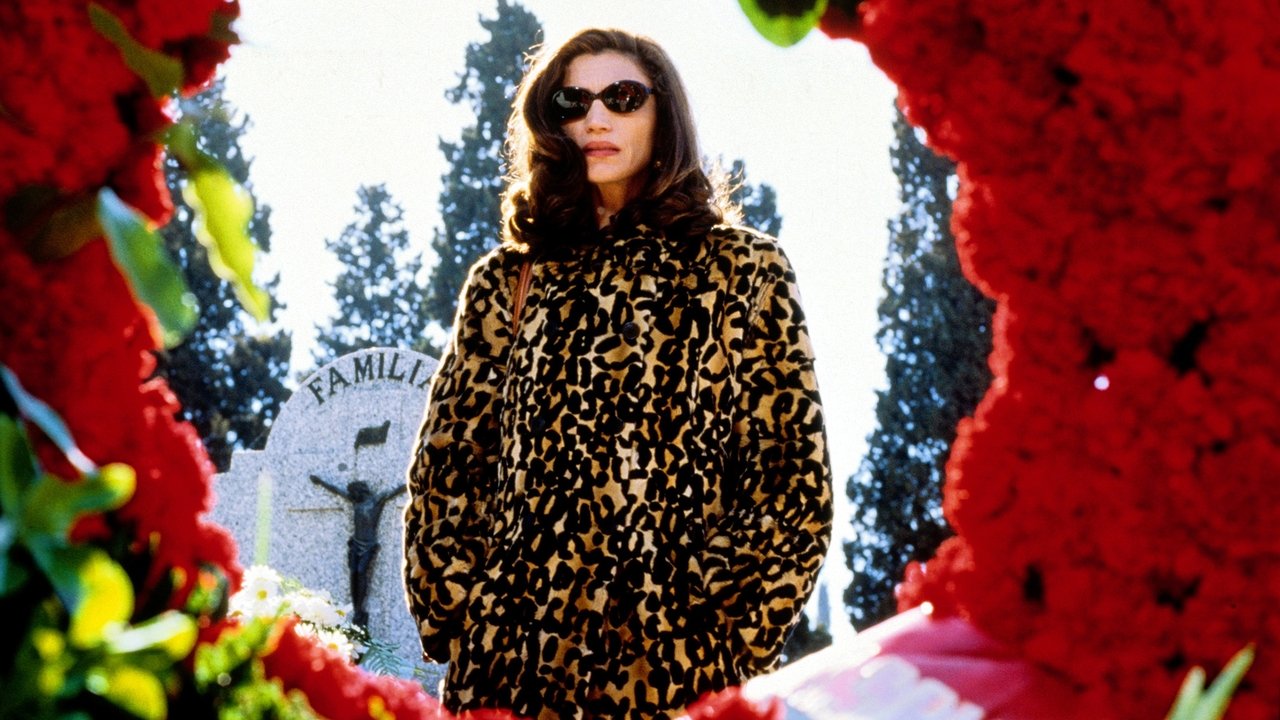
While the vibrant colours and simmering passions are unmistakably Almodóvar – the director who gave us the kaleidoscopic energy of films like Women on the Verge of a Nervous Breakdown (1988) – Live Flesh feels like a step towards a more grounded, though still intensely felt, melodrama. The narrative structure is tighter, leaning more heavily into its thriller elements. There's a palpable tension that underscores the character interactions, a sense that buried resentments and unresolved desires could explode at any moment. Almodóvar masterfully uses the cityscape of Madrid, not just as a backdrop, but as a participant – its streets and apartments holding the memories and secrets of these intertwined lives. He takes Rendell's framework and infuses it with Spanish heat, political undertones (the opening under Franco is no accident), and his trademark exploration of the complexities of human connection, particularly its darker, more obsessive sides.
Faces Etched by Fate: The Performances
The emotional weight of Live Flesh rests squarely on its ensemble cast, and they are uniformly superb. Liberto Rabal, grandson of the legendary Spanish actor Francisco Rabal, carries the difficult role of Victor. He portrays him not as a simple villain, but as a deeply flawed, somewhat naive individual driven by impulses he barely understands. It’s a raw, often uncomfortable performance. Interestingly, Almodóvar had initially hoped to cast Antonio Banderas, by then a Hollywood star after films like Desperado (1995), but scheduling conflicts opened the door for Rabal.
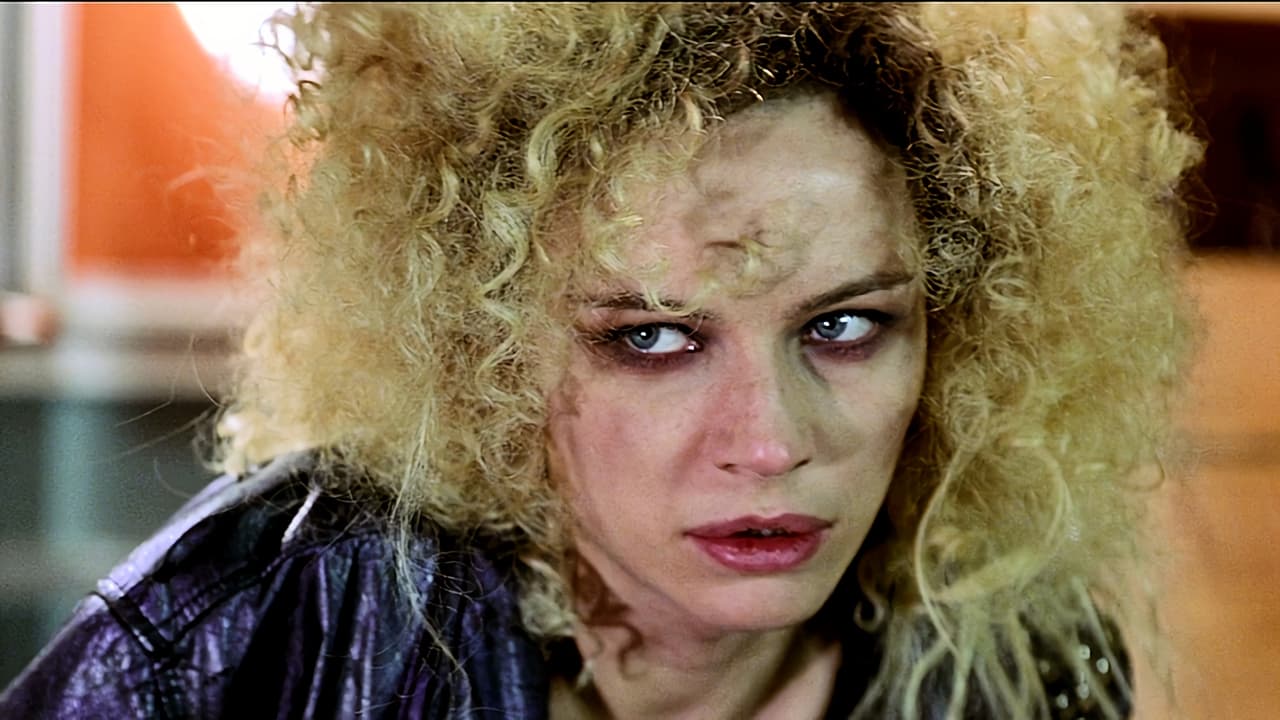
Francesca Neri is compelling as Elena, the initial object of Victor's obsession who finds unexpected love and stability with David, yet remains haunted by the past. But it's Javier Bardem who truly anchors the film's emotional core. As David, the policeman whose life is physically and perhaps emotionally altered by the shooting, Bardem delivers a performance of immense power and subtlety. Confined to a wheelchair, his portrayal transcends physical limitation, conveying deep wells of pain, resentment, love, and determination, often through just a glance or a shift in posture. It's a performance that solidified his status as one of Spain's finest actors, building on his previous collaborations with Almodóvar like High Heels (1991). Adding crucial sparks are José Sancho as the dangerously unstable Sancho and a brief but unforgettable opening appearance by Penélope Cruz as Victor’s mother, giving birth on that fateful bus ride – an early sign of the powerful screen presence she would bring to later Almodóvar masterpieces.
Threads of Connection and Unseen Forces
What makes Live Flesh linger long after the credits roll is its exploration of interconnectedness. How a single moment, a single bullet, creates ripples that spread outwards, altering destinies in ways no one could predict. It’s a film about the weight of the past and the difficulty of escaping its gravitational pull. Almodóvar isn't just telling a crime story; he's examining the messy, unpredictable nature of desire, guilt, and the search for forgiveness or perhaps just understanding. The film earned considerable acclaim, netting nominations like a BAFTA for Best Film Not in the English Language, cementing its place as a significant, more mature work within Almodóvar's celebrated filmography. It felt like a bridge between his earlier, more flamboyant style and the deeper character studies he would explore in the 2000s.
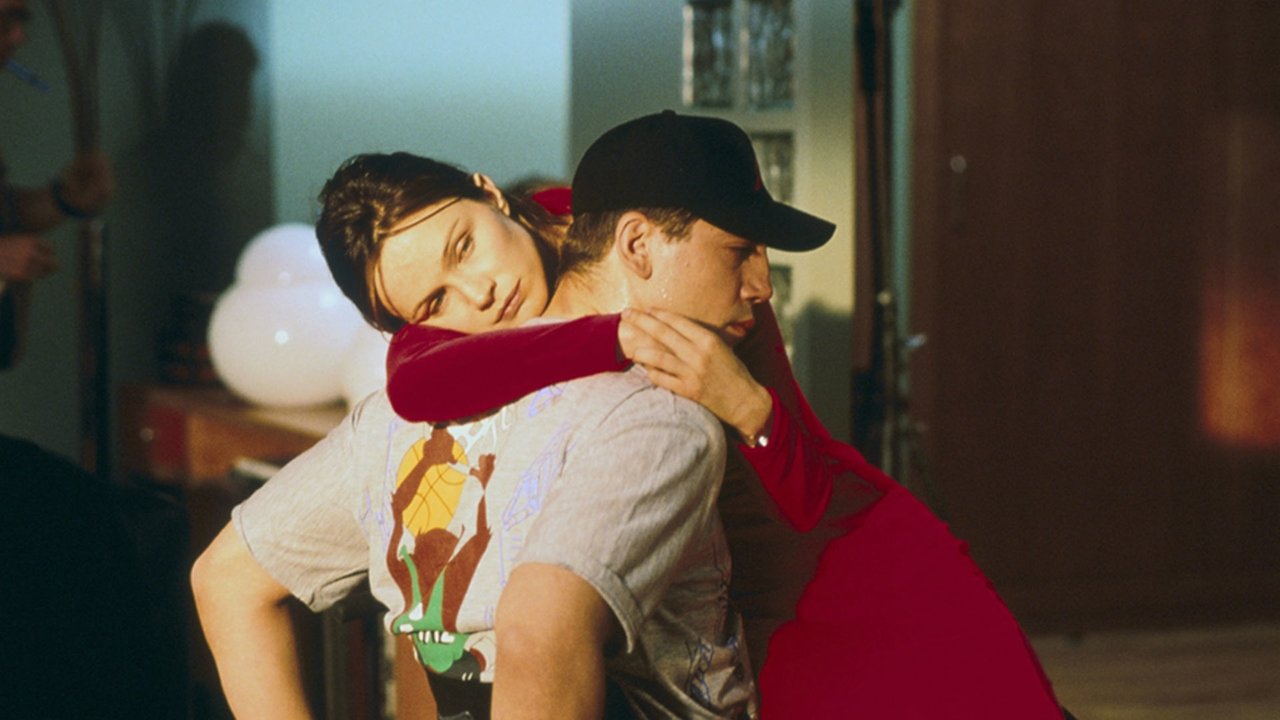
Watching it again now, on a format far removed from the slightly fuzzy warmth of VHS, the film’s narrative intricacies and the sheer force of the performances remain striking. There's a satisfying complexity to its plotting, a sense of watching puzzle pieces stained with sweat and tears slowly click into place. It doesn't offer easy answers or neat resolutions, reflecting the often-unruly nature of life itself.
Rating: 8.5/10
This score reflects the film's powerful acting ensemble, particularly Bardem's standout performance, Almodóvar's assured direction blending melodrama and thriller elements, and its compelling exploration of fate and consequence. While perhaps lacking the sheer iconic flamboyance of some of his other works, its grounded intensity and narrative complexity make it deeply rewarding. Live Flesh isn't just a thriller; it's a potent reminder from a master filmmaker that the past is never truly buried, its tendrils reaching into the present in ways both devastating and, sometimes, unexpectedly redemptive. It leaves you contemplating the invisible threads that bind us, spun from moments of chance and choices made in the heat of passion.