Okay, fellow tape travelers, let's rewind to a corner of the video store many might remember browsing with a mixture of curiosity and maybe a slight blush. Tucked away, often in the 'Foreign' or 'Adult Drama' section (depending on the store owner's sensibilities), sat a film that promised something... different. I'm talking about Tinto Brass's 1983 opulent and controversial dive into desire, The Key (or La Chiave if you found the imported version). Finding this on VHS felt like unearthing a slightly forbidden text, a lush, almost painterly exploration of late-life passion set against the decaying beauty of Fascist-era Venice.
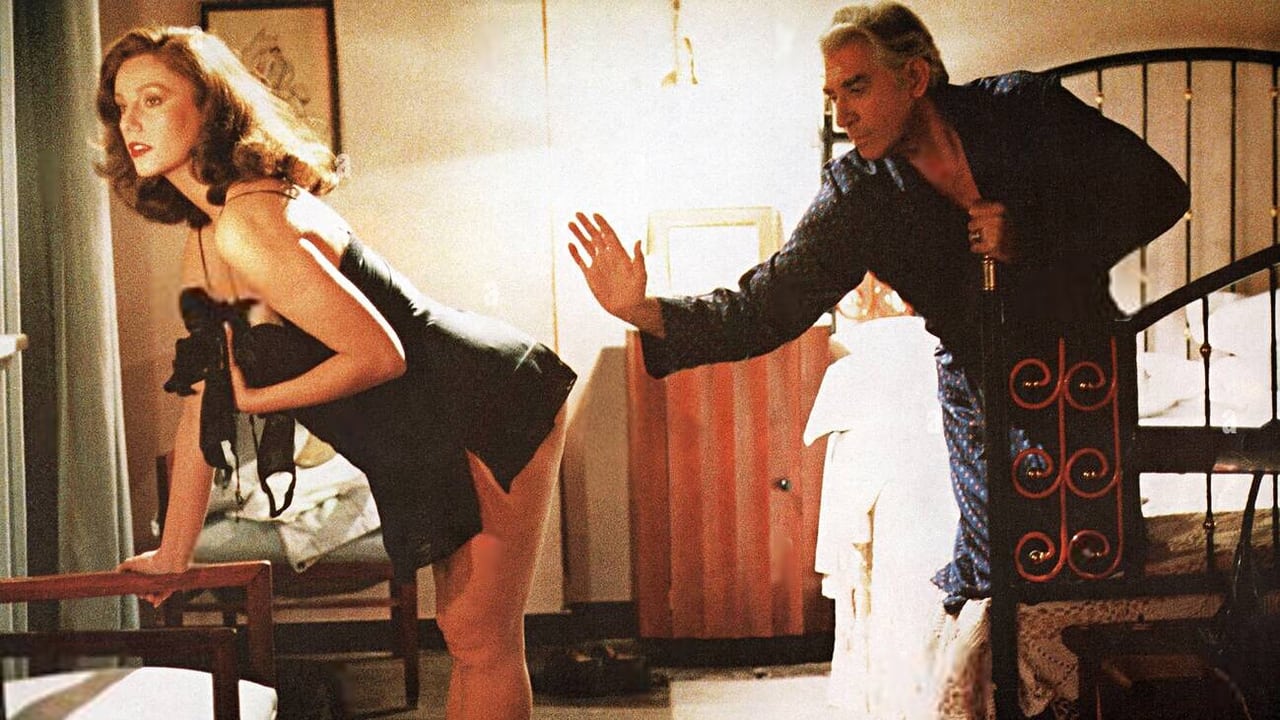
Venice, Voyeurism, and Velvet
Forget the frantic pace of 80s action for a moment. The Key offers a different kind of intensity – a slow burn fueled by secrets and unspoken desires. The premise, adapted from Jun'ichirō Tanizaki's 1956 Japanese novel "Kagi," centers on an aging art historian, Professor Nino Rolfe (Frank Finlay), and his younger, seemingly demure wife, Teresa (Stefania Sandrelli). Nino, frustrated by his waning virility and suspecting Teresa harbors hidden passions, starts documenting his intimate thoughts and fantasies in a diary, leaving the key where she's sure to find it. Teresa, in turn, discovers the diary and begins her own secret journal, playing along while pursuing an affair with their daughter's suave fiancé, Laszlo (Franco Branciaroli). It's a dangerous game of marital espionage, where diaries become weapons and voyeurism fuels a desperate attempt to reignite intimacy.
Brass Tacks: Style Over Shock?
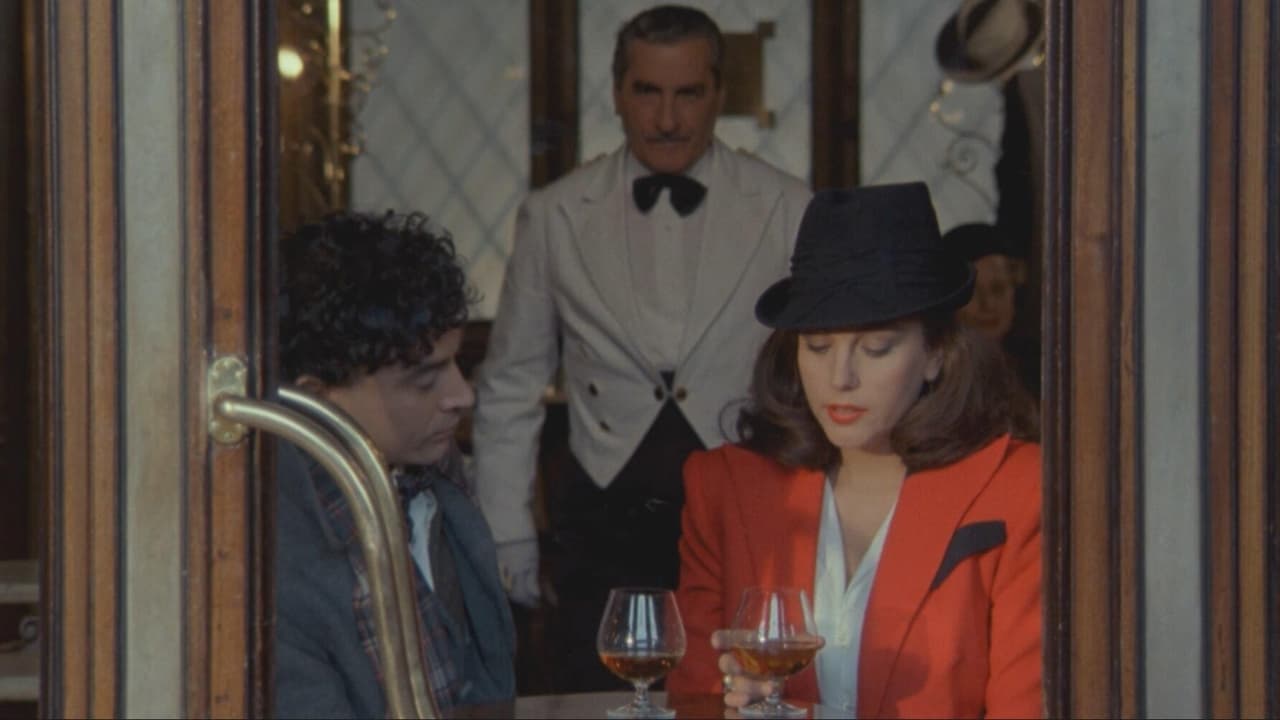
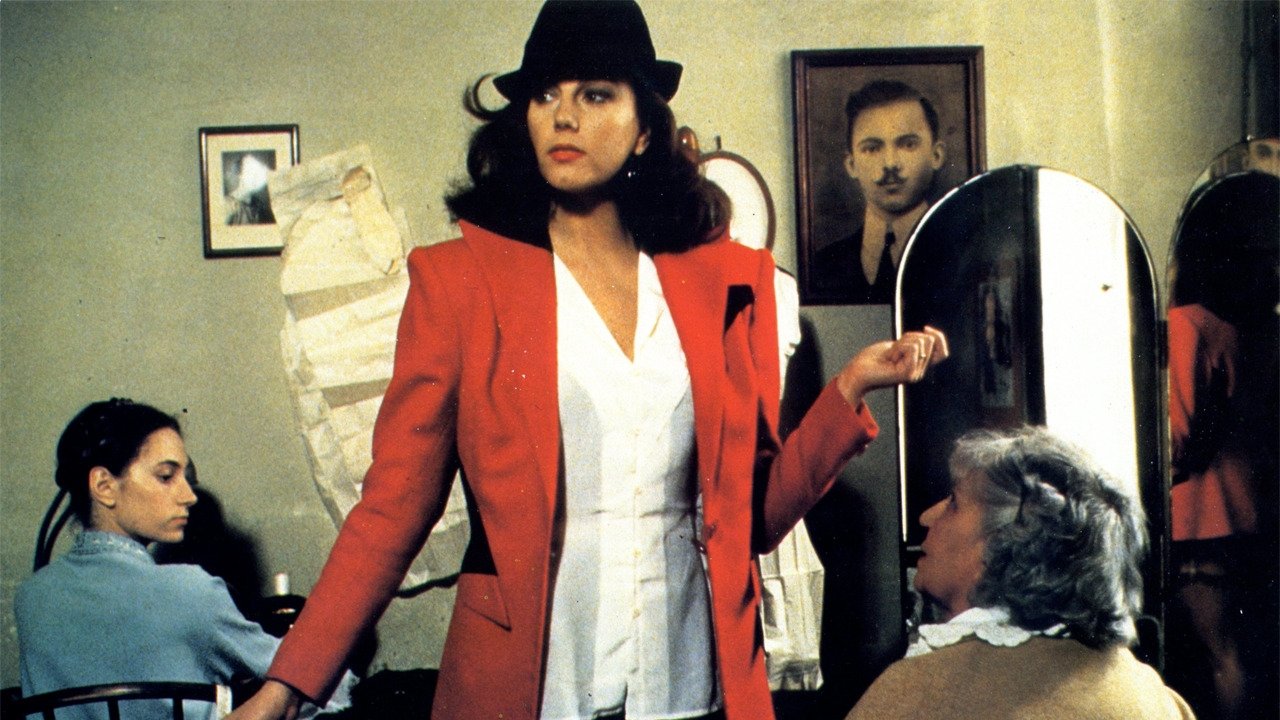
Now, let's be honest, Tinto Brass isn't exactly known for subtlety. His name became synonymous with Italian erotic cinema, films often walking a fine line between artful sensuality and outright exploitation. Think Caligula (1979), which he famously directed parts of before significant reshoots and edits by others turned it into something else entirely. With The Key, however, there's a palpable sense of period atmosphere that elevates it somewhat. Shot on location, the film uses Venice not just as a backdrop but as a character – misty canals, opulent palazzos, the weight of history pressing down on the characters' simmering frustrations. The cinematography lingers, often focusing on textures – velvet, lace, skin – creating a tactile, almost suffocating intimacy that felt particularly potent on a grainy home video viewing.
Did it push boundaries back then? Absolutely. For many encountering it on VHS, its frank depiction of sexuality, particularly involving older characters, felt leagues away from Hollywood norms. Brass's camera often adopts a voyeuristic gaze, mirroring the characters' own spying, which could be uncomfortable but felt integral to the story's themes. Interestingly, despite the controversy (or perhaps fueled by it), The Key was a massive box office success in Italy, proving audiences were hungry for something beyond standard fare. One retro fun fact: the film's budget was relatively modest, yet it became one of Italy's highest-grossing films of the year, a testament to its provocative appeal.
Performances Under Pressure
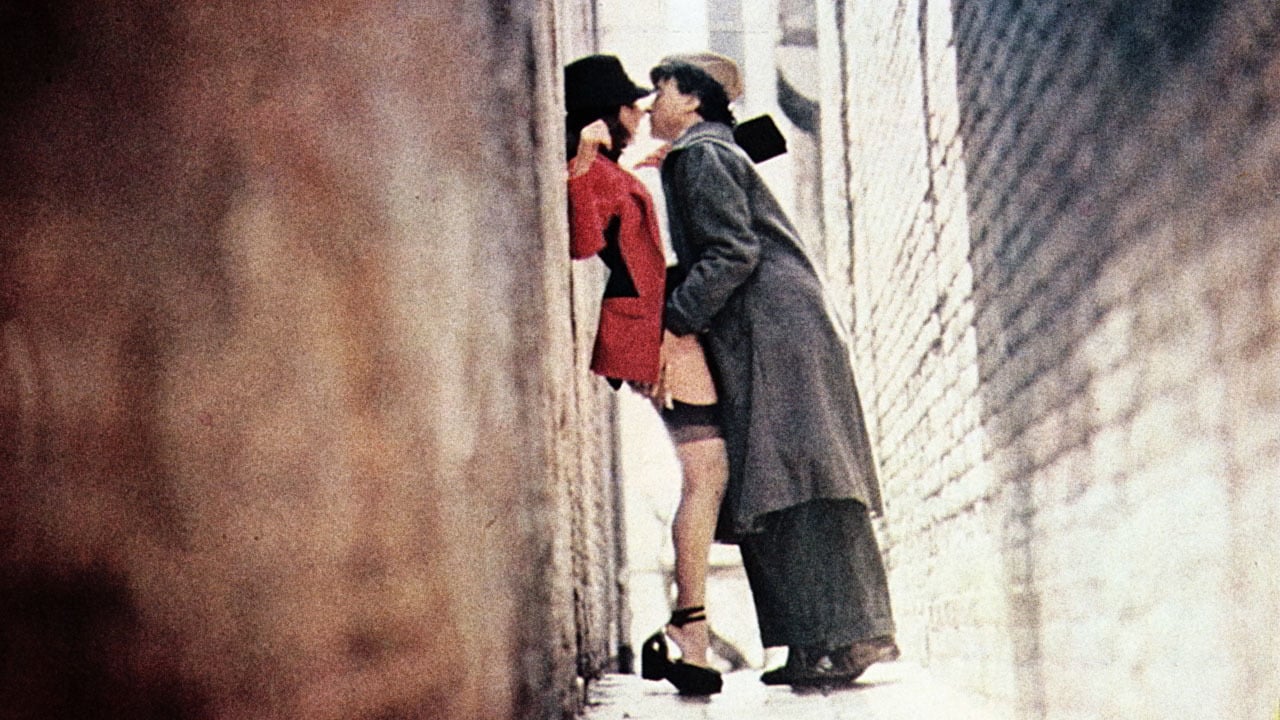
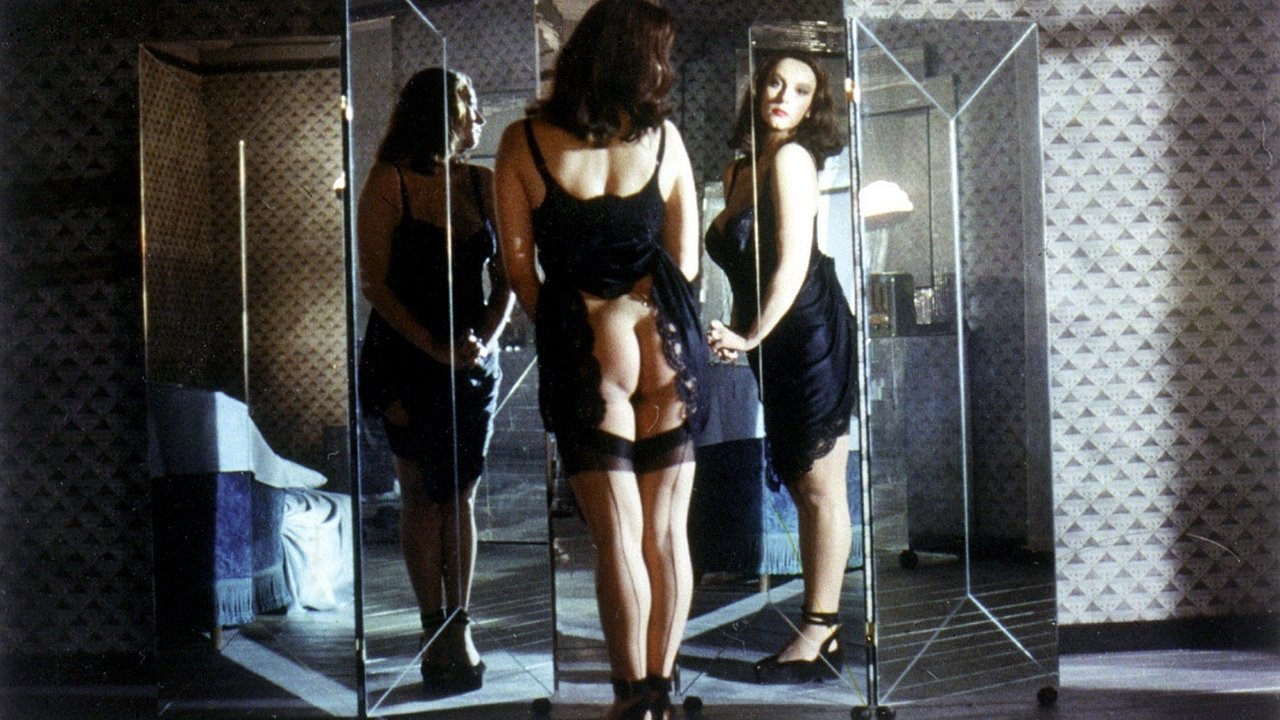
The film rests heavily on its leads. Frank Finlay, a respected British character actor (you might remember him from Richard Lester's The Three Musketeers (1973)), brings a poignant desperation to Nino. He captures the character's intellectual vanity warring with his physical decline. But the real revelation is Stefania Sandrelli. Already a major star in Italian cinema, known for serious dramas like The Conformist (1970), taking on such an explicit role for Brass was a bold move. She navigates Teresa's journey from supposed innocence to manipulative player with fascinating ambiguity. Is she a victim of her husband's games, or the master manipulator pulling the strings all along? Sandrelli keeps you guessing, her performance hinting at depths the script sometimes only skims. Franco Branciaroli as the object of her affection fulfills his role adequately, embodying the handsome, somewhat predatory catalyst for the unraveling marriage.
The Diary of a VHS Find
Watching The Key today is an interesting experience. The pacing can feel deliberate, almost languid compared to modern films. Brass's stylistic tics – the close-ups, the sometimes overt symbolism – are undeniably of their time. Yet, there's an undeniable craft in the film's construction, particularly its visual storytelling and atmospheric detail. It explored themes of aging, sexual frustration, and the complex dynamics of long-term relationships in a way few mainstream films dared to in the early 80s. It wasn't just about the nudity; it was about the psychological gamesmanship, the slow decay of both the Venetian setting and the central marriage. I distinctly remember the slightly worn rental copy, the hum of the VCR late at night – it felt like watching something adult, complex, and maybe a little bit dangerous.
Does it fully escape the 'male gaze' accusations often leveled at Brass? Probably not entirely. But compared to some of his later, more overtly cartoonish work, The Key retains a certain melancholy elegance. It's a film that invites discussion, even debate, about its artistic merits versus its provocative content.
Rating: 6.5/10
Justification: The Key earns points for its lush atmosphere, bold (for its time) exploration of complex themes, and strong central performances, particularly from Stefania Sandrelli. The period detail and Venetian setting are beautifully captured. However, it's hampered by Tinto Brass's sometimes heavy-handed direction, a pace that can drag, and moments where the line between sensuality and exploitation feels blurred. It remains a fascinating, if flawed, artifact of early 80s European cinema that pushed buttons and packed Italian cinemas.
Final Take: A velvet-draped, voyeuristic keyhole peek into marital secrets that felt audacious on VHS; still intriguing, but definitely requires adjusting your VCR's tracking for its unique blend of art house and arthouse-adjacent titillation.