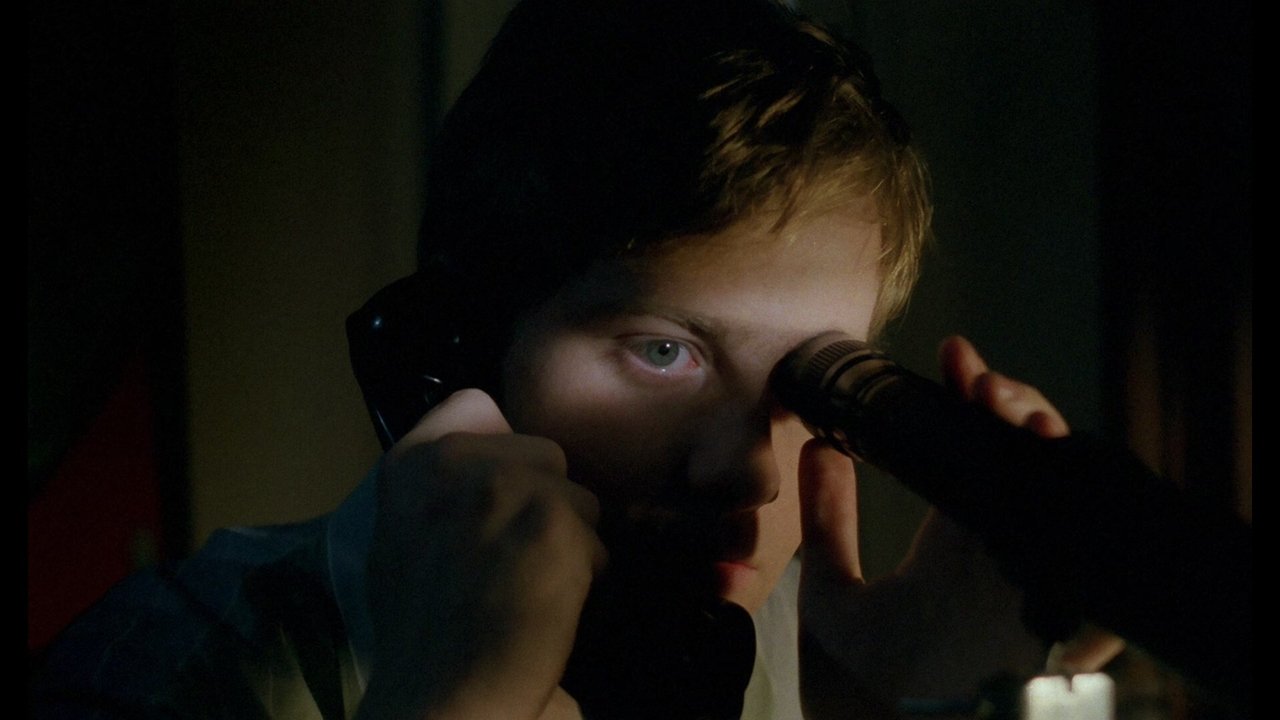
There's an image from Krzysztof Kieślowski's A Short Film About Love (1988) that burrows deep into the viewer's mind: a young man, Tomek, peering through a stolen telescope, his world narrowed to the illuminated window of an older woman, Magda, across the courtyard. It’s an image saturated with longing, loneliness, and the unsettling intimacy of the unseen observer. This isn't the explosive action or broad comedy often found nestled in the cardboard sleeves of our beloved VHS tapes, but something quieter, far more piercing, and undeniably resonant, even decades later. It reminds us that the video store shelves, if you looked closely, held entire worlds of human experience, sometimes profoundly uncomfortable ones.
### The Observer and the Observed
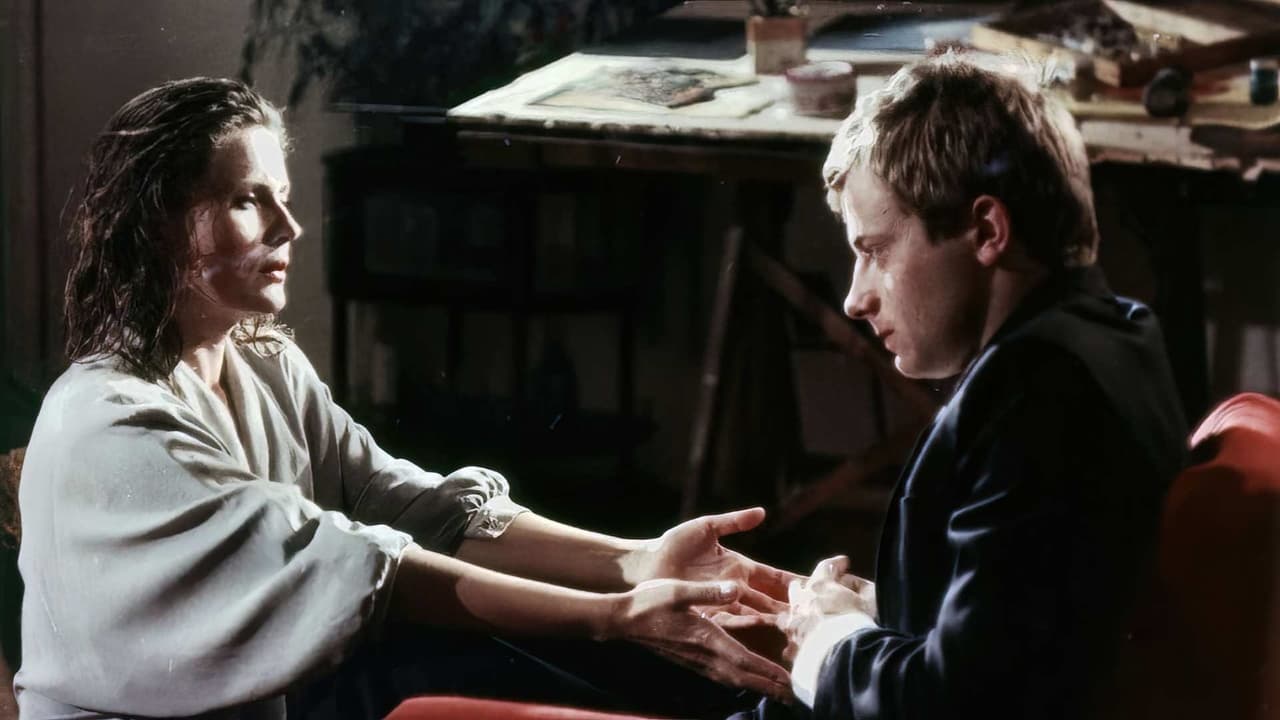
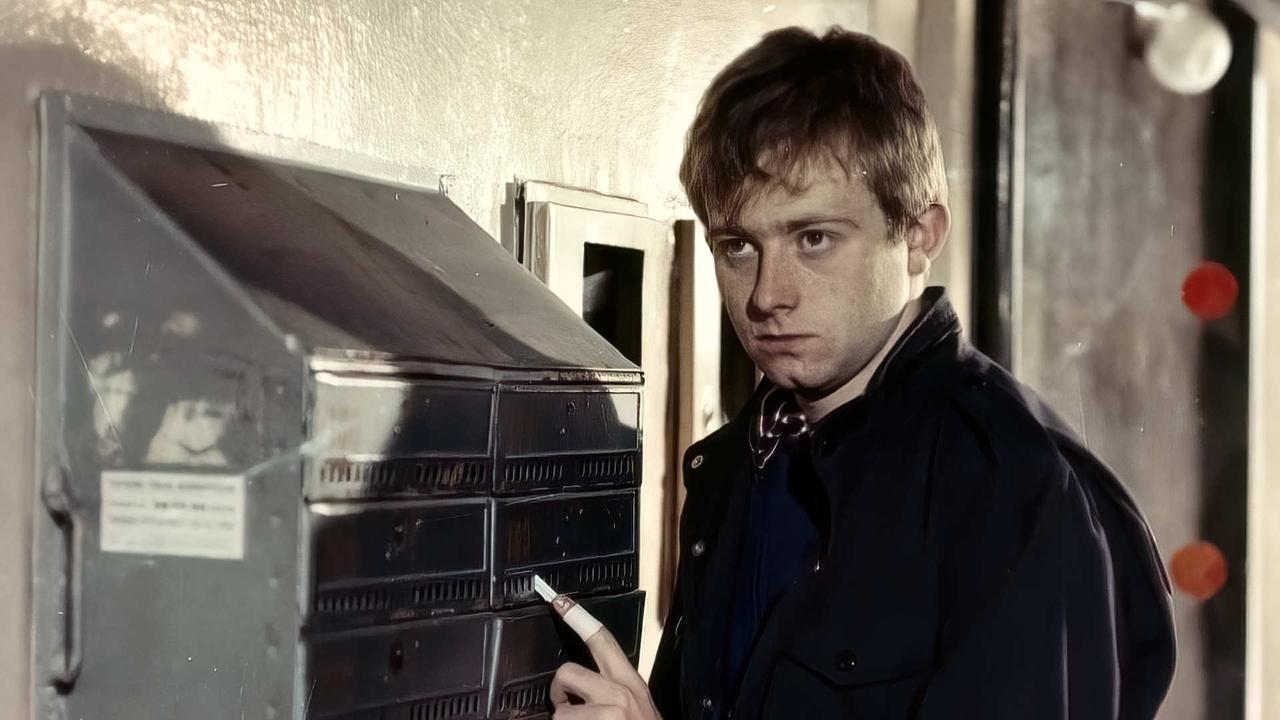
At its heart, the film chronicles the obsessive infatuation of 19-year-old Tomek (Olaf Lubaszenko) with Magda (Grażyna Szapołowska), a sexually liberated artist living opposite him in their Polish apartment block. His days revolve around her schedule, observed through his lens: her return home, her calls, her lovers. He engineers brief, awkward encounters, manipulates circumstances, his adolescent crush escalating into a consuming, voyeuristic devotion. Kieślowski, working with his regular writing partner Krzysztof Piesiewicz, crafts a scenario that forces us to confront uncomfortable questions. Is Tomek’s intense focus a pure, albeit naive, form of love, or merely a pathological obsession born of isolation? What responsibility does Magda, initially unaware then dismissive, bear in this dynamic?
Lubaszenko's performance is a masterclass in understated intensity. He conveys Tomek's crippling shyness, his fumbling attempts at connection, and the profound hurt that follows his eventual, devastating confession of his spying with an authenticity that is almost painful to watch. His youthful face seems to hold the weight of an unrequited world. Opposite him, Szapołowska is magnetic as Magda. She embodies a certain weary sophistication, moving through life with a casual sensuality that masks a deeper vulnerability and loneliness. Her initial amusement and cruelty towards Tomek slowly chip away, revealing layers of her own past wounds and present emptiness. The slow dance between these two characters, mediated by distance and the invasive lens, is the film's captivating, often unsettling core.
### Beyond the Commandment
Many cinephiles will know this film originated as an expanded version of Decalogue: Six, part of Kieślowski's monumental television series exploring the Ten Commandments within contemporary Polish life. A Short Film About Love delves into the territory of "Thou shalt not commit adultery," but transcends a simple moralistic interpretation. It's less about the act itself and more about the complex, messy, often contradictory impulses that drive human connection – desire, loneliness, the yearning for intimacy, and the ways we wound each other, intentionally or not. Finding a film with this kind of philosophical weight tucked away in the foreign film section of the video store always felt like uncovering a hidden treasure, a secret whispered from across the ocean.
Kieślowski's direction is typically meticulous. The muted color palette, the deliberate pacing, the claustrophobic framing of the apartment block – it all contributes to an atmosphere thick with unspoken tensions. He uses the camera not just to show us events, but to implicate us in Tomek's gaze, forcing a degree of complicity. We too become observers, caught between empathy and unease. There's a fascinating bit of trivia here: the film actually has two distinct endings. The original television version from Decalogue: Six concludes on a much bleaker, more tragic note. For the theatrical release – the version most likely found on those rental tapes – Kieślowski crafted a more hopeful, almost lyrical conclusion, offering a fragile sense of reconciliation or at least mutual understanding. It’s a significant alteration that subtly shifts the film's ultimate takeaway message about the possibility of connection emerging from even the most compromised beginnings. Which ending resonates more remains a point of quiet debate among fans.

### The Ache of Connection
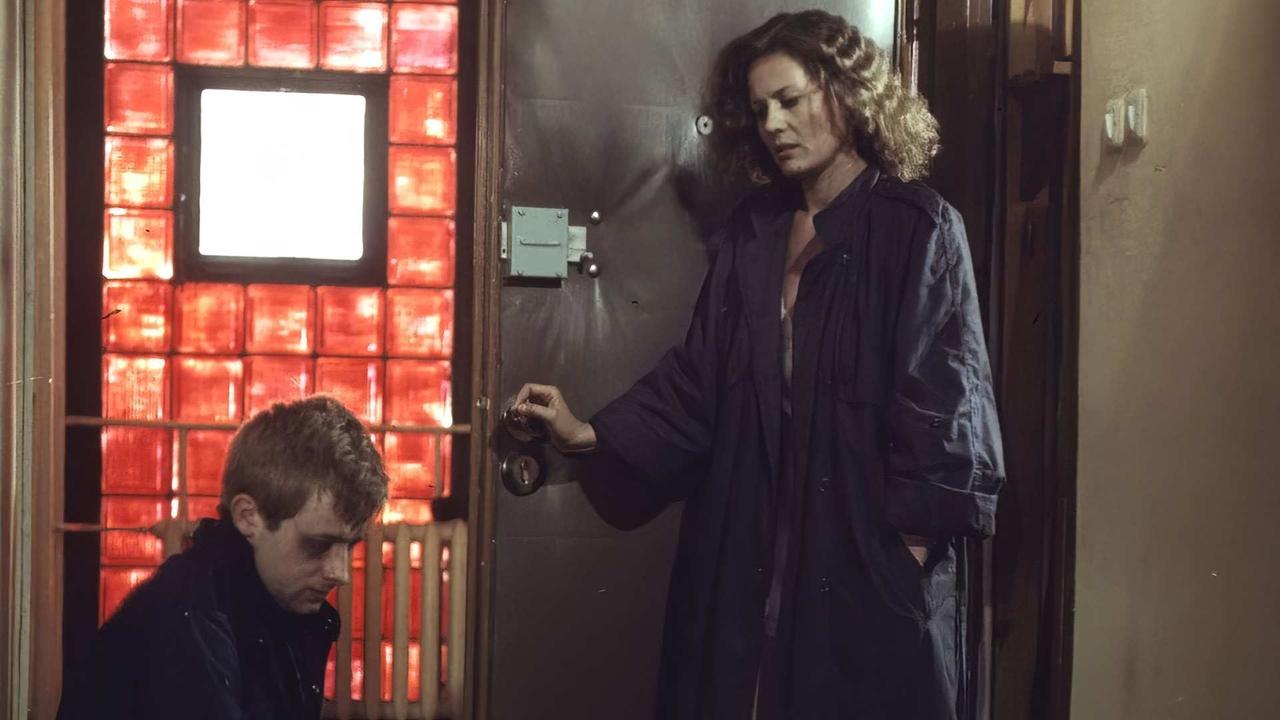
What makes A Short Film About Love linger long after the VCR whirred to a stop? It's the film's profound empathy, even for its flawed characters. It doesn't offer easy answers about the nature of love. Is Tomek's initial, invasive watching 'love'? Clearly not in any healthy sense. But does his later vulnerability, his shattered idealism, reveal a capacity for genuine feeling? Does Magda's eventual turn towards empathy signify a change within her, or just a fleeting moment of pity? The film leaves these questions open, trusting the viewer to sit with the ambiguity. We also shouldn't forget the quiet dignity brought by Stefania Iwińska as Tomek's landlady, a subtle but crucial grounding presence in his isolated world.
This is a film that dissects the act of looking – how we observe others, how we project our desires onto them, and how the distance between observer and observed can be both a source of safety and profound isolation. It's a reminder that sometimes the most intense dramas aren't played out with explosions, but in the quiet spaces between people, in the unspoken words hanging heavy in the air.
Rating: 9/10
This score reflects the film's masterful direction, deeply affecting performances, and its courageous exploration of complex, uncomfortable themes. Kieślowski crafts a psychologically rich and emotionally resonant piece of cinema that avoids easy judgments, instead offering a profoundly human portrait of loneliness and the often-painful quest for connection. It's not always an easy watch, but its quiet power and lingering questions make it an essential piece of late 80s European filmmaking.
A Short Film About Love may not have been the tape you reached for every Friday night, but discovering it felt like unlocking a different kind of cinematic experience – one that stayed with you, prompting reflection long after the credits rolled. What, it asks us even now, does it truly mean to see another person?