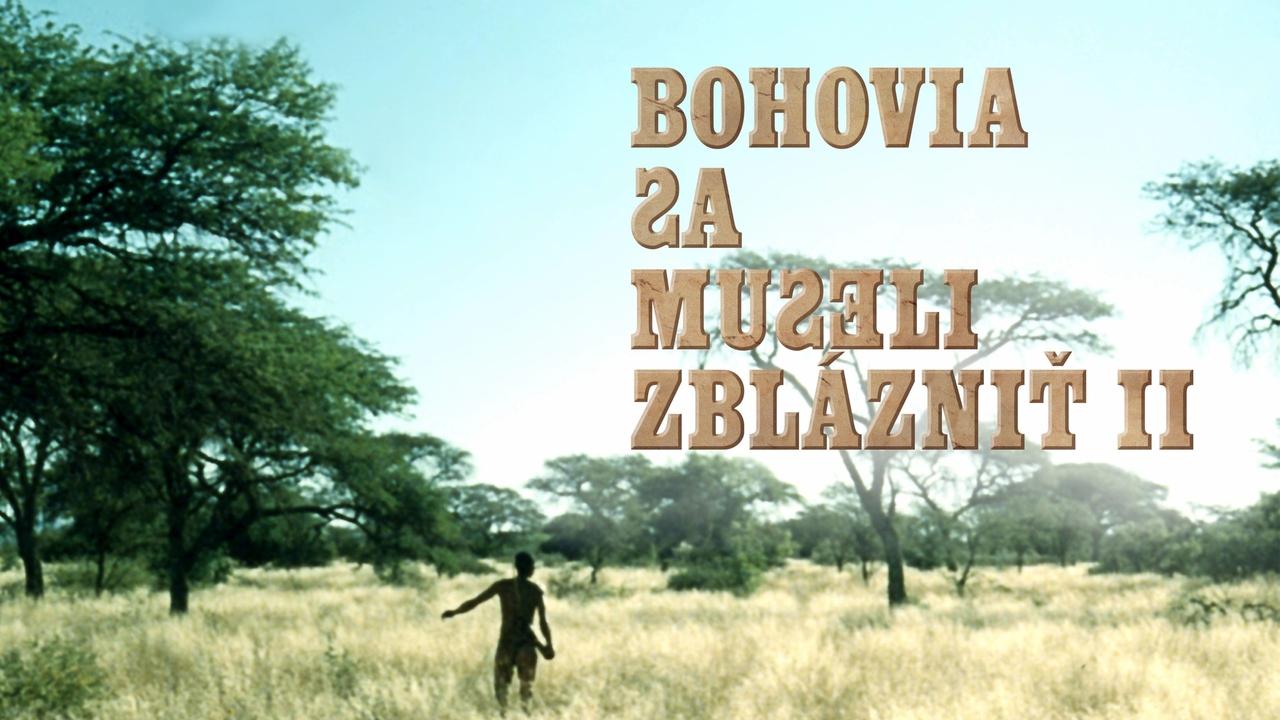
Alright folks, gather 'round the flickering glow of the metaphorical CRT, maybe pop some Jiffy Pop on the stove (carefully!), because we're diving back into the sun-drenched, baobab-dotted landscapes of the Kalahari. Finding The Gods Must Be Crazy II nestled amongst the action and horror behemoths on the video store shelf always felt like discovering a hidden, gentler gem. Nine years after Jamie Uys’s original phenomenon charmed the world with a falling Coke bottle, this 1989 sequel proved that the unique, low-key magic was no fluke. It wasn't quite the same bolt from the blue, but slipping this tape into the VCR was like revisiting an old friend – familiar, funny, and refreshingly earnest.
Return to the Sands
The setup is beautifully simple, echoing the accidental journeys of the first film. This time, our calm and resourceful San hero, Xixo (N!xau, returning with that same irreplaceable screen presence), finds his young children, Xiri and Xisa, accidentally stowing away on a poacher's truck. Their misadventure sets off a chain reaction, intertwining their path with two very different sets of 'civilized' folk tumbling through the desert. Jamie Uys, back in the director's chair and penning the script, clearly understood what made the first film click – that delightful collision of worlds, viewed with a warm, almost anthropological amusement. It's a testament to his vision that he managed to recapture much of that spirit. Filming once again amidst the stunning, harsh beauty of Botswana and Namibia lends the film an authenticity you can practically feel; the heat almost radiates off the screen.
Antics in the Air and on the Ground

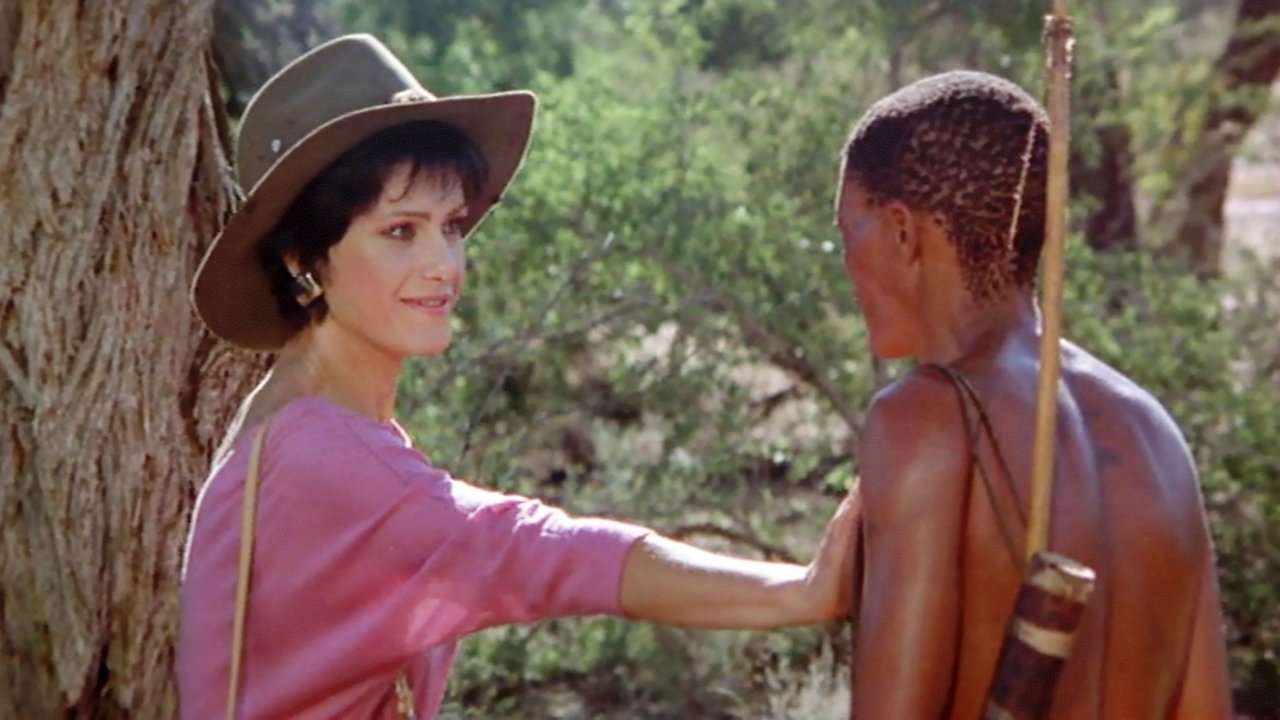
While Xixo tracks his kids with quiet determination, the film introduces its other key players: Dr. Ann Taylor (Lena Farugia), a sharp New York lawyer attending a conference, and Dr. Stephen Marshall (Hans Strydom), a somewhat gangly zoologist. A sudden storm forces their tiny ultralight plane – charmingly nicknamed "Cockroach" – down into the vast wilderness. What follows is pure, unadulterated fish-out-of-water comedy, driven by practical gags and situational absurdity rather than witty dialogue. Remember that ridiculous little plane? Uys, himself an avid pilot who often shot his own aerial footage, makes that flimsy contraption a character in itself. The bumps, the sputtering engine, the sheer precariousness of it all felt hilariously real back then, a world away from today's smooth, CG-rendered aerial sequences. There's a tangible weight, a genuine sense of maybe this thing won't actually fly, that makes the slapstick land so much harder.
Alongside them, we have a pair of bumbling poachers and two soldiers from opposing sides of a local conflict who find themselves repeatedly, and inconveniently, stuck together. The genius lies in how Uys weaves these disparate threads, letting characters stumble across each other's paths in ways that feel both coincidental and cosmically orchestrated. The humor is gentle, rarely mean-spirited, relying on misunderstandings, animal encounters (the honey badger scene!), and the sheer incompetence of the 'civilized' folks when faced with the realities of the desert.
A Different Kind of Star

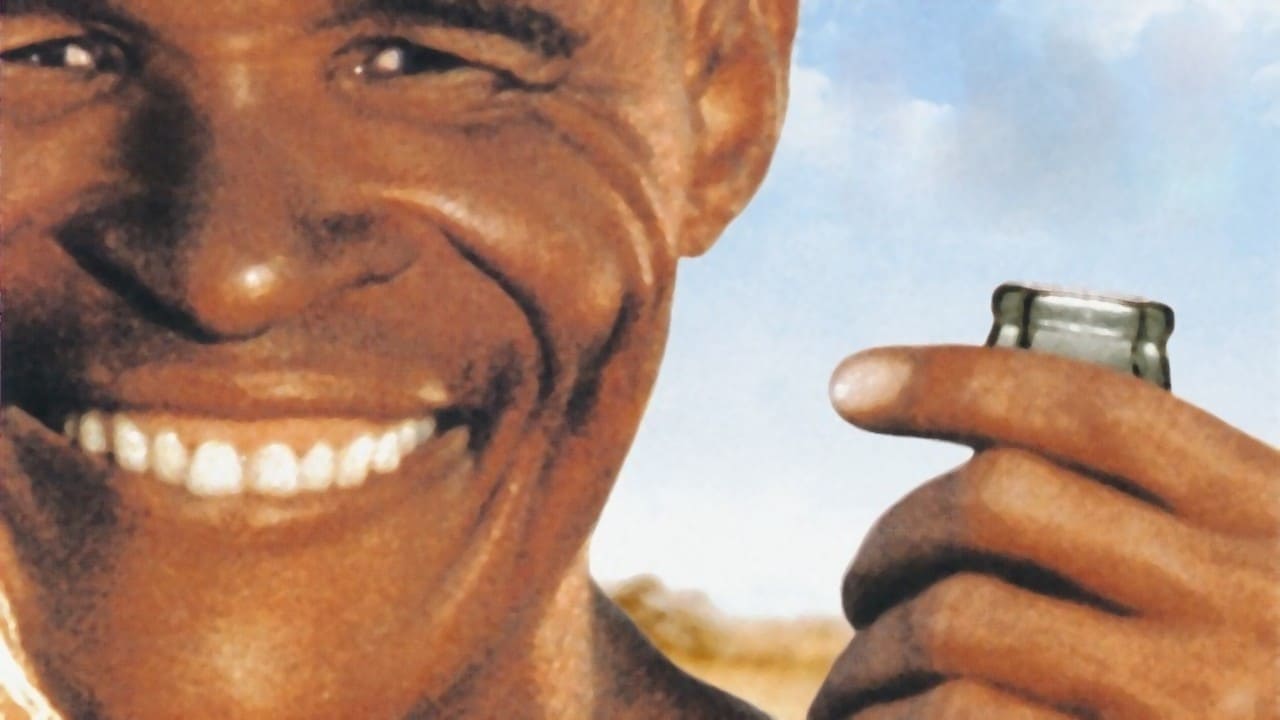
Let's talk about N!xau. After the first film became a surprise global smash hit (grossing over $100 million worldwide on a tiny budget), his life underwent a seismic shift. While stories about his initial compensation for the first film are well-known (and somewhat debated), reports suggest he negotiated a far more substantial sum for this sequel, reflecting his unlikely international stardom. It’s fascinating to consider his journey, plucked from his traditional life into the whirlwind of global filmmaking, yet retaining that incredible naturalism on screen. He doesn't 'act' so much as simply be, and his quiet competence provides a grounding counterpoint to the flustered antics of Farugia and Strydom, who themselves share a lovely, bickering chemistry as the mismatched city slickers.
That VHS Charm
Watching The Gods Must Be Crazy II today really takes you back. It’s a film completely devoid of cynicism. Released in 1989, it felt distinct even then from the louder, more bombastic comedies filling multiplexes. Its pacing is unhurried, its jokes built on character and situation rather than pop culture references or crude punchlines. It's the kind of movie you might have rented on a whim, perhaps based on memories of the first, and been utterly charmed by its gentle spirit and surprisingly effective physical comedy. Was it as groundbreaking as the original? Perhaps not. The element of surprise was gone, and some critics at the time found it a bit too similar, a slightly lesser echo. But audiences still responded to its warmth, and it found its own comfortable niche on home video.
It carries that specific late-80s aesthetic – the slightly washed-out film stock look on VHS, the practical effects that feel endearingly tangible now. The animal scenes, achieved through patience and clever editing rather than digital trickery, possess a unique charm. It’s a reminder of a time when comedy could be simple, observational, and deeply human (even when focused on the non-human!).
Rating and Final Thoughts
Rating: 7/10
Here's why: The Gods Must Be Crazy II doesn't quite hit the surprising highs or possess the sheer novelty of its predecessor. The plot threads feel a little more episodic this time around. However, it absolutely succeeds in recapturing the gentle heart, unique comedic rhythm, and visual beauty of the original. N!xau is magnetic, the physical comedy frequently lands with laugh-out-loud effectiveness (Lena Farugia’s encounters with desert fauna are priceless), and the whole affair radiates a warmth that’s hard to resist. It’s a thoroughly enjoyable, easygoing adventure that holds up remarkably well.
Final Take: Forget the slick, hyper-edited comedies of today for a moment; this is pure, unadulterated, accidentally-on-purpose adventure fueled by charm and a very unreliable airplane. A perfect slice of late-80s world cinema comfort food, best served with a side of nostalgia.