The flickering gaslights of the Paris Opera House cast long, dancing shadows, but they pale against the darkness lurking beneath. Forget the sweeping romance, the soaring melodies you might associate with the name. This is 1989, and the Phantom isn't just a tragic figure; he's a nightmare given flesh, stitched together from shadows and rage. And behind this mask? None other than Robert Englund, riding high on his reign as the razor-gloved dream demon, Freddy Krueger. Renting this tape back in the day, perhaps nestled between A Nightmare on Elm Street 4 and Hellraiser II, felt like an unspoken promise: this Phantom would draw blood.
### Not Your Grandparent's Phantom
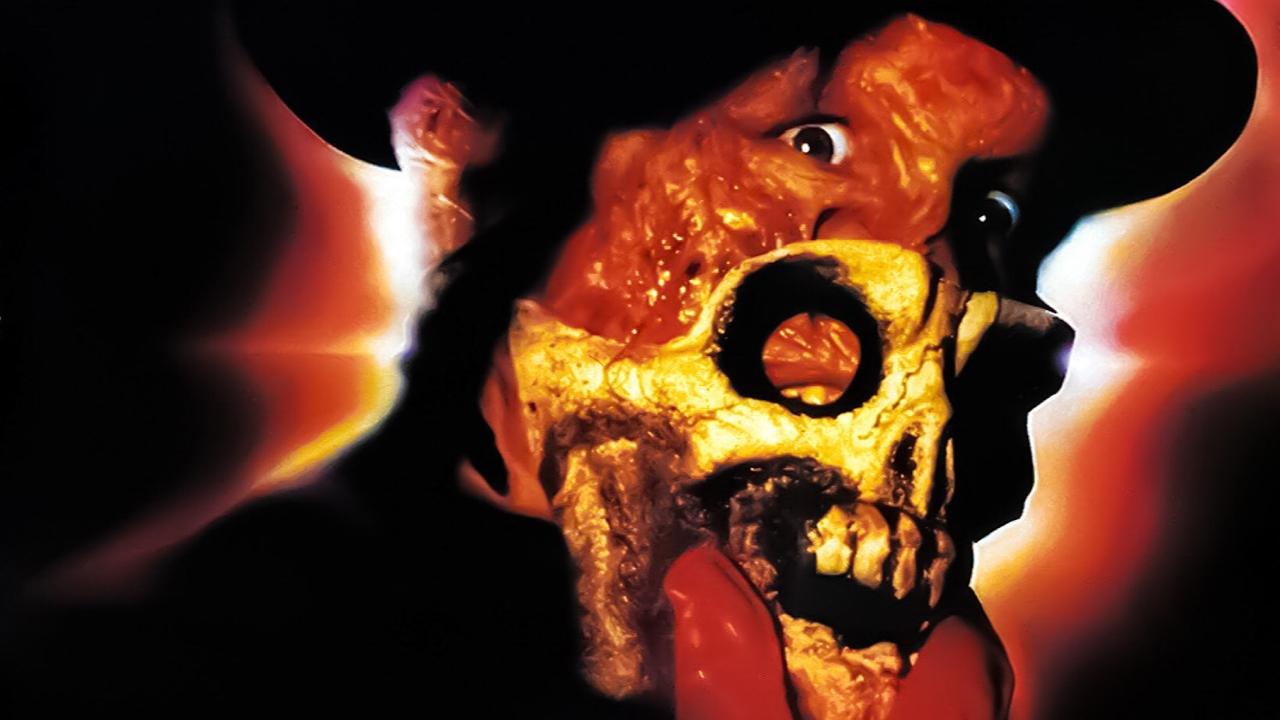
Let's be clear: Director Dwight H. Little, fresh off resurrecting Michael Myers in Halloween 4: The Return of Michael Myers (1988), wasn't aiming for subtlety. Working from a script by Duke Sandefur (with uncredited contributions from Gerry O'Hara), this Phantom of the Opera takes Gaston Leroux's gothic romance and drags it kicking and screaming into the grimy alleyways of late-80s slasher territory. The core story elements are there – the disfigured musical genius Erik, the ingenue Christine Daaé (Jill Schoelen), the grand opera house – but they're filtered through a much darker, bloodier lens. Most significantly, this version introduces a Faustian pact: Erik sold his soul for musical immortality, a deal that manifests not just in genius, but in a horrifying, decaying visage he conceals by stitching flesh – often sourced from his victims – onto his own face. It's a bold, gruesome deviation that immediately sets this adaptation apart. Does that central conceit still feel audacious, even now?
### Englund Unmasked (Figuratively Speaking)
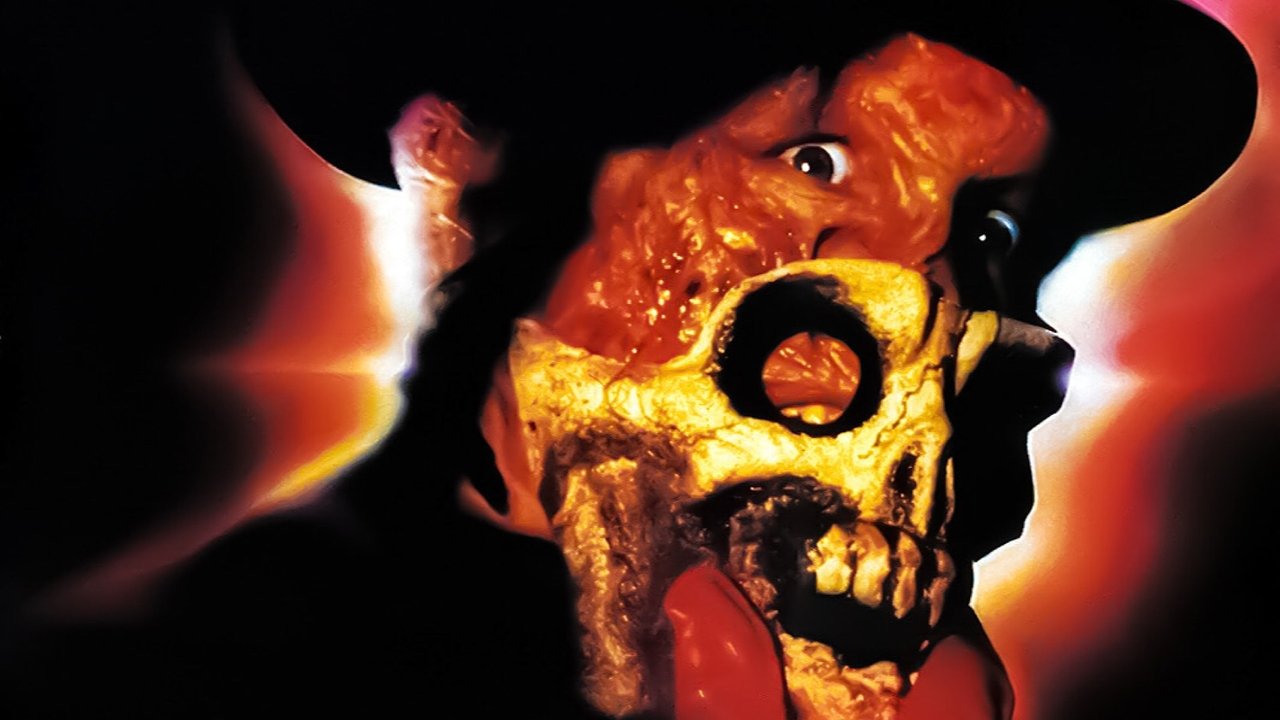
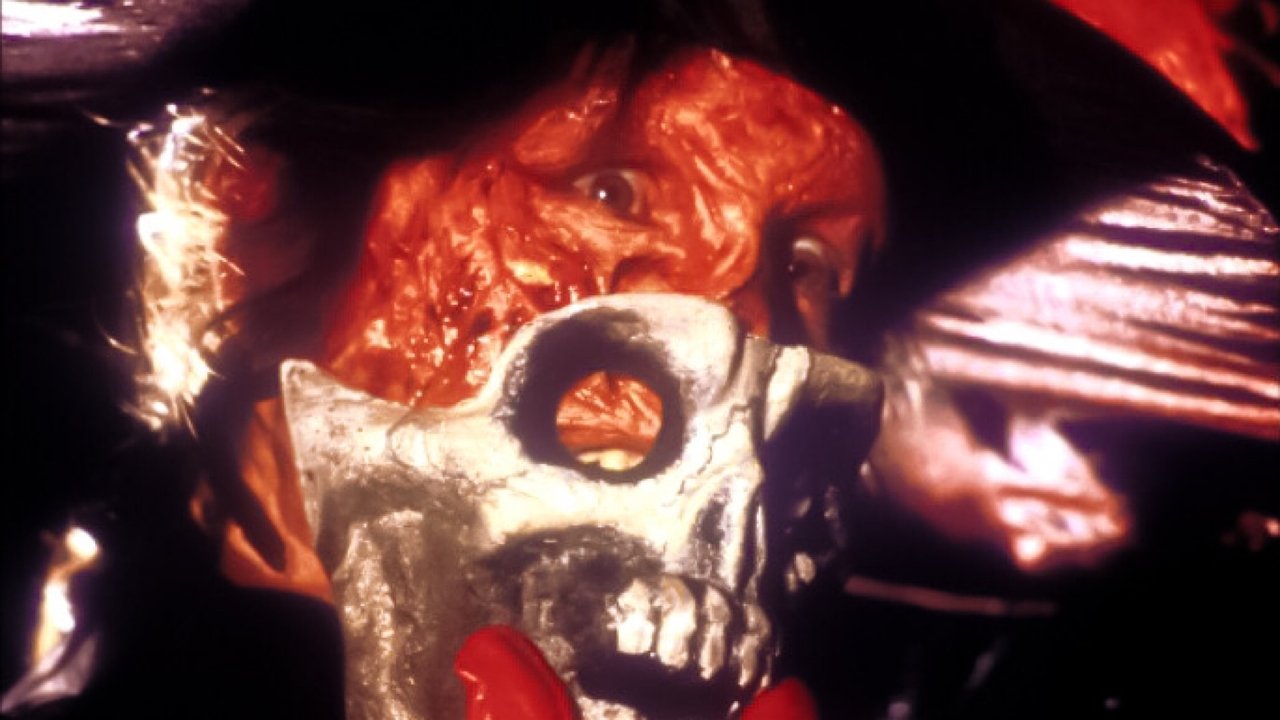
Casting Robert Englund was both a stroke of marketing genius and a creative tightrope walk. Could the man synonymous with Freddy Krueger embody the tormented Erik? Englund certainly commits, bringing a palpable sense of menace and theatricality. His Phantom is less lovelorn recluse, more vengeful predator. He snarls, he bellows, and yes, he kills with brutal efficiency. The makeup, designed by maestro Kevin Yagher (who also crafted Englund's iconic Freddy look and the original Chucky doll), is stomach-churningly effective – a raw, flayed landscape hidden beneath shifting masks of stolen skin. Englund reportedly endured hours in the makeup chair, a process familiar from his Nightmare days, but embraced the chance to play a different kind of monster, one rooted more in tragic horror than supernatural terror, despite the added demonic pact. While his distinctive voice sometimes echoes Krueger, Englund creates a Phantom defined by pain, fury, and a terrifying possessiveness.
### Gothic Grandeur Meets Grimy Gore
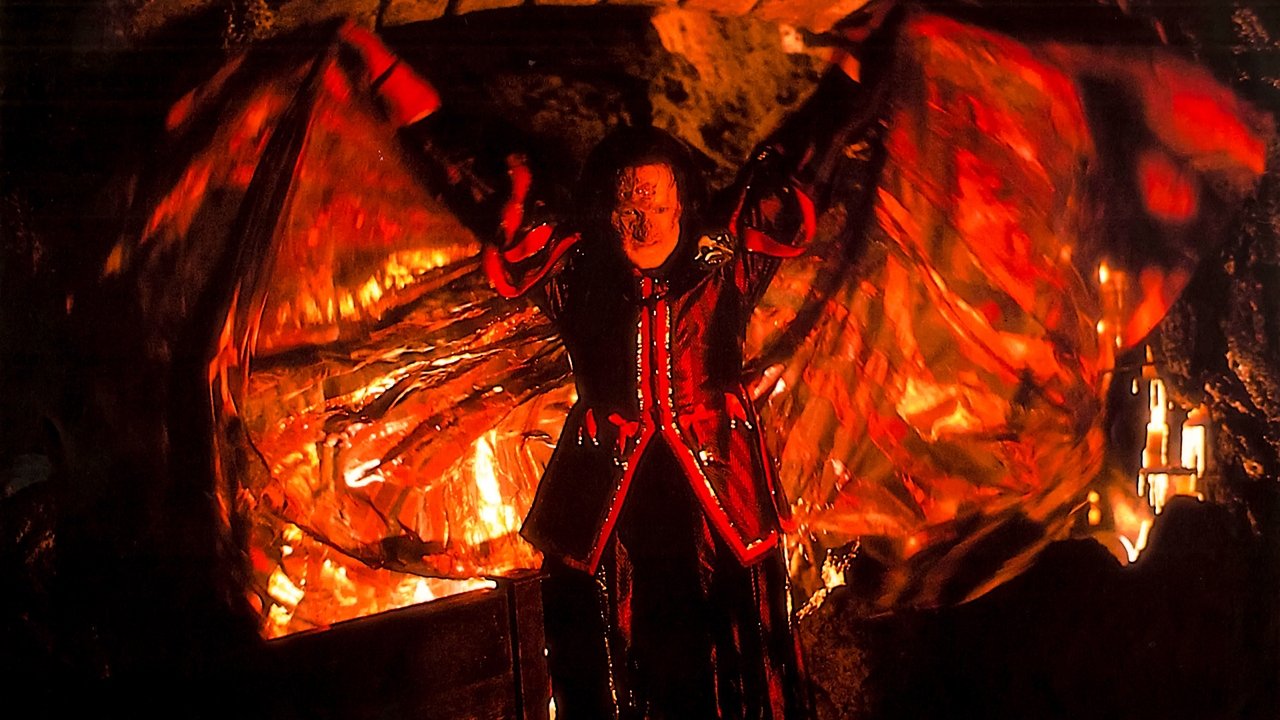
The film, primarily shot in Budapest, Hungary (standing in for Paris and London), manages a surprisingly effective visual contrast. We get glimpses of the opulent opera world – the soaring architecture, the elaborate costumes – but Dwight H. Little seems far more interested in the labyrinthine, decaying catacombs beneath. The production design leans into the grime and the dread, making the Phantom's lair feel genuinely threatening. This isn't just a hidden apartment; it's a charnel house. And the gore… oh, the gore. This Phantom doesn't shy away from viscera. Skinning, impalement, decapitation – it's all staged with a graphic intensity that likely shocked audiences expecting a more traditional take. One particularly memorable (and nasty) effect involves a critic meeting his end via the opera house's backstage machinery. The practical effects, while occasionally showing their age, still possess that tangible, unsettling quality that defined the best 80s horror. It's reported the film had some tussles with the MPAA over its graphic content, aiming for an R-rating in a climate increasingly wary of explicit violence.
### Whispers from the Aisles
Alongside Englund, Jill Schoelen (The Stepfather, Popcorn) brings a doe-eyed vulnerability to Christine, serving as a capable scream queen anchor amidst the carnage. Alex Hyde-White fills the Raoul archetype adequately, and it's always a treat to spot a young Bill Nighy as the opera house manager, Martin Barton. The score by Misha Segal effectively blends operatic motifs with pulsing horror cues, underlining the film's dual identity.
Originally, this was intended to be the start of a horror franchise for the now-defunct 21st Century Film Corporation, with a planned sequel set in modern-day Manhattan. The film's modest box office performance (around $13 million against a $4 million budget) and the distributor's subsequent financial troubles unfortunately buried those ambitions, leaving this as a standalone curiosity. Its time-travel framing device, involving Christine finding Erik's music in present-day New York, feels a little tacked-on, perhaps a remnant of those sequel aspirations, but adds another layer of strangeness to the proceedings.
### Final Curtain
The Phantom of the Opera (1989) is undeniably an oddity, a fascinatingly flawed attempt to fuse gothic tragedy with the blood-and-guts sensibility of the golden age of slashers. It ditches nuance for brutality, romance for obsession, and psychological terror for visceral shocks. Purists of the novel or the musical will likely recoil, but for horror fans who grew up haunting video store shelves, it holds a certain grimy charm. Robert Englund delivers a memorable, if very different, Phantom, and the film’s commitment to practical gore and gothic atmosphere makes it stand out. It's not high art, perhaps not even the Phantom many wanted, but it's undeniably a Phantom – one forged in the fires of 80s horror cinema. Remember picking up that distinctive VHS box, maybe drawn in by Englund's name, and being morbidly curious?

Rating: 6/10
Justification: The score reflects the film's status as a cult curio rather than a classic. Points are awarded for Robert Englund's committed performance, the impressive practical gore and makeup effects, and the sheer audacity of its slasher approach to the source material. Points are deducted for a sometimes uneven script, the slightly awkward framing device, and the fact that it sacrifices much of the original story's depth for shock value. It's a must-see for Englund fans and 80s horror completists, but far from a definitive Phantom adaptation.
Final Thought: This Phantom may not haunt your dreams with tragic melodies, but its gruesome visage, stitched together from ambition and viscera, certainly left its mark on the darker corners of the VHS era.