Some things are best left buried. Deep beneath the cracked earth, under layers of dust and forgotten history, certain artifacts hold more than just monetary value. They cradle echoes of malice, whispers of violence waiting for a careless hand to brush away the dirt and let them breathe again. So it is with the discovery near the Dolly Dearest factory in Mexico – an ancient tomb disturbed, an evil spirit loosed, finding a new, disturbingly innocent home: a child's plaything.
South of the Border, Down Mexico Way
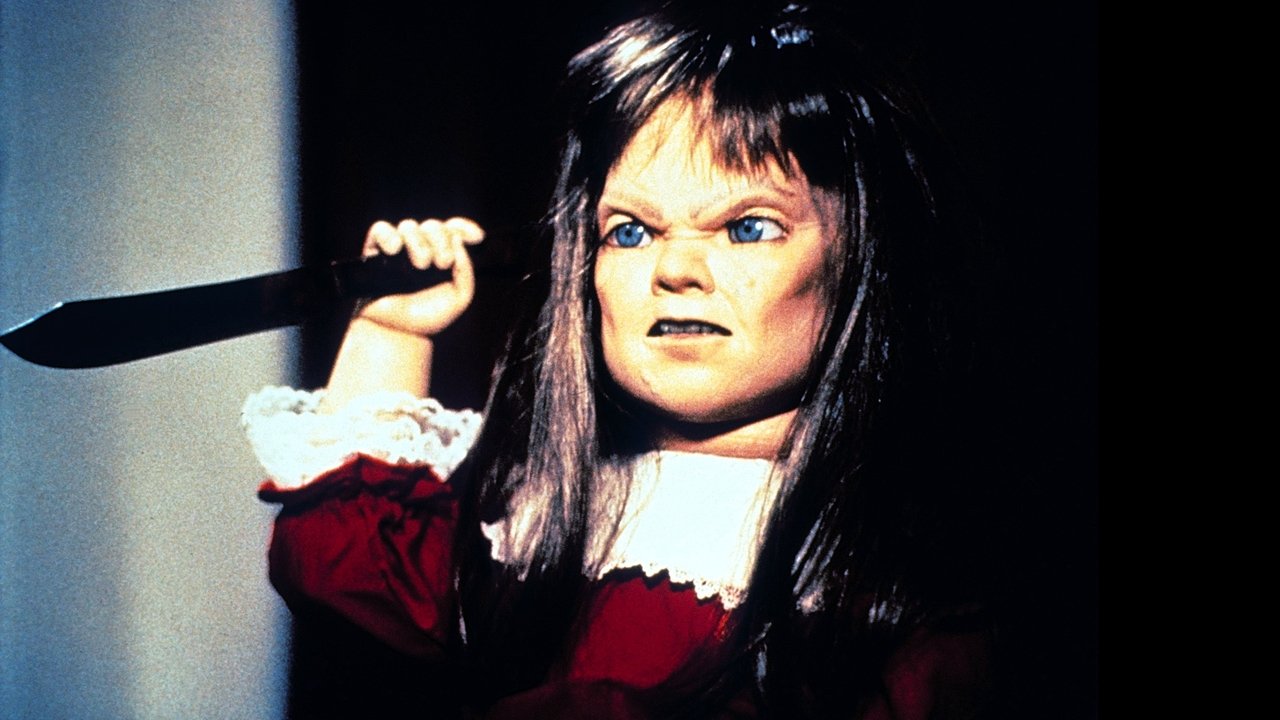
Dolly Dearest (1991) wastes little time setting up its classic horror scenario. Elliot Read (Sam Bottoms) drags his family – reluctant wife Marilyn (Denise Crosby) and their children Jessica (Candace Hutson) and Jimmy (Chris Demetral) – to rural Mexico to realize his dream of revitalizing a defunct doll factory. The isolation is immediate, the factory itself cavernous and slightly unsettling, filled with blank-eyed doll parts and shadowed corners. It’s the perfect breeding ground for unease, even before the real trouble starts. Director Maria Lease (who also co-wrote the screenplay) leans into this fish-out-of-water element, amplifying the family's vulnerability in an unfamiliar land where ancient evils might just be real. The atmosphere is thick with the dust of the nearby dig site and the slightly ominous silence of the factory after hours.
She Wants to Play... Forever
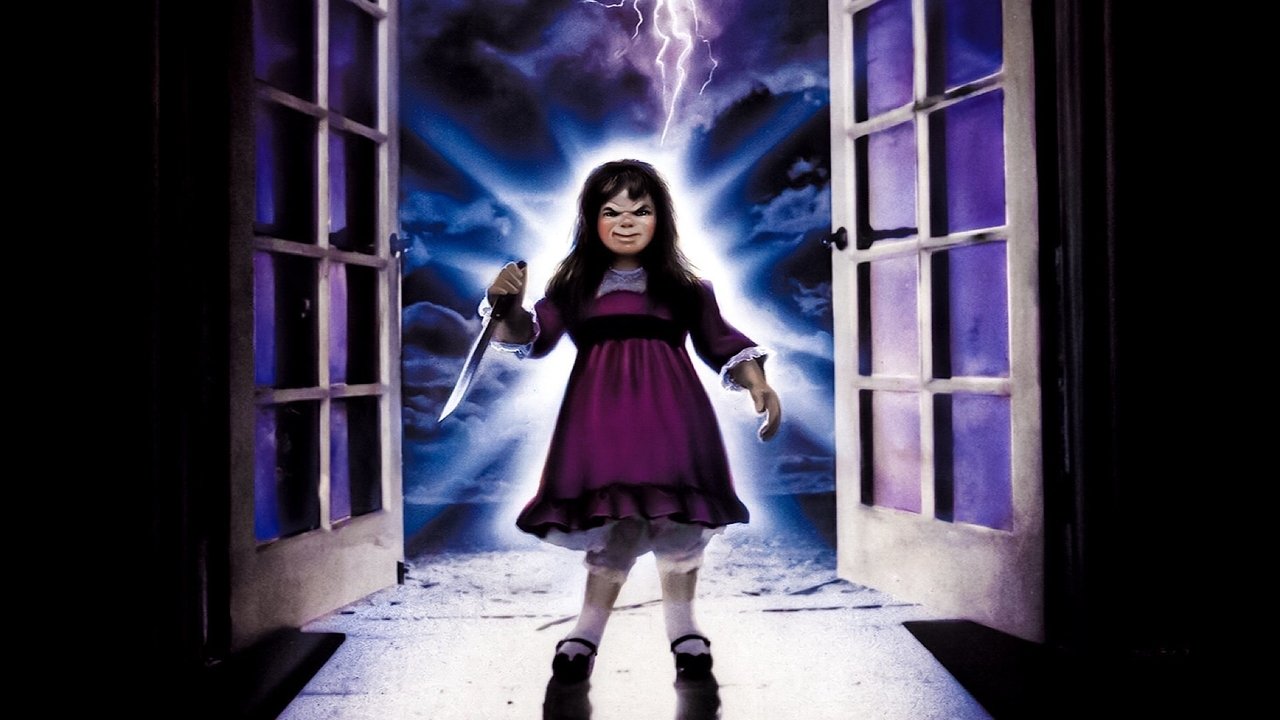
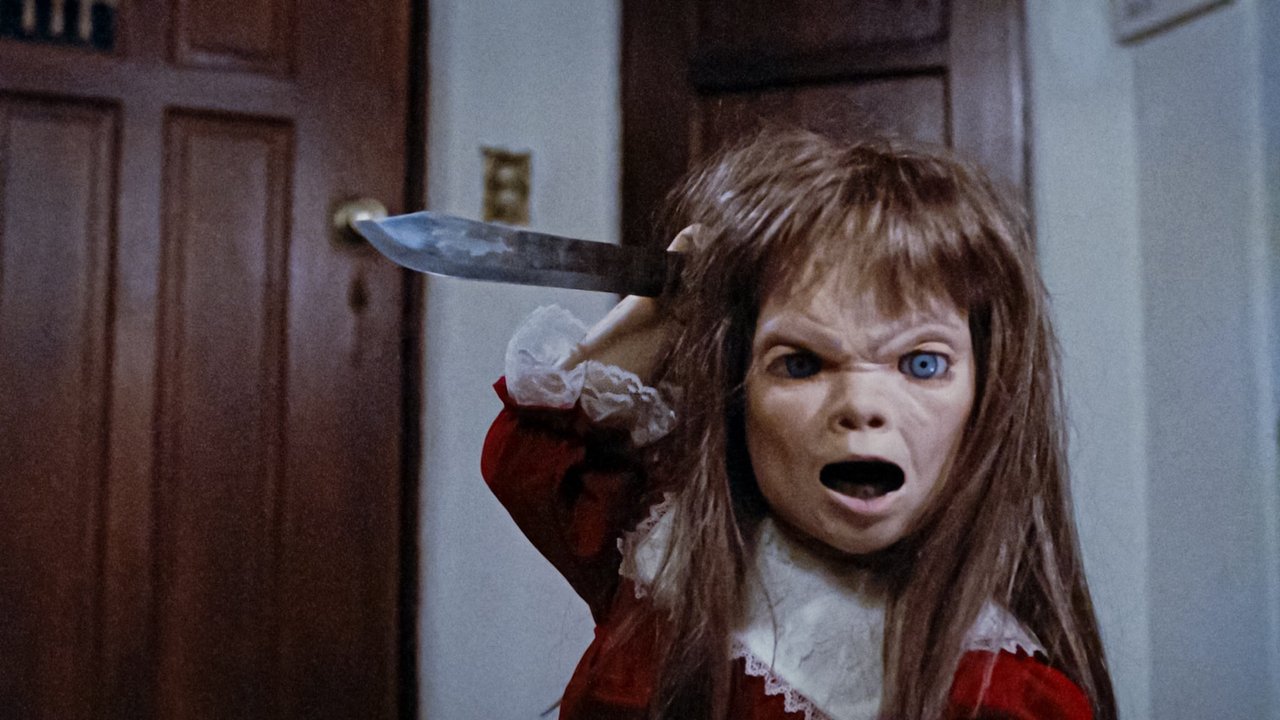
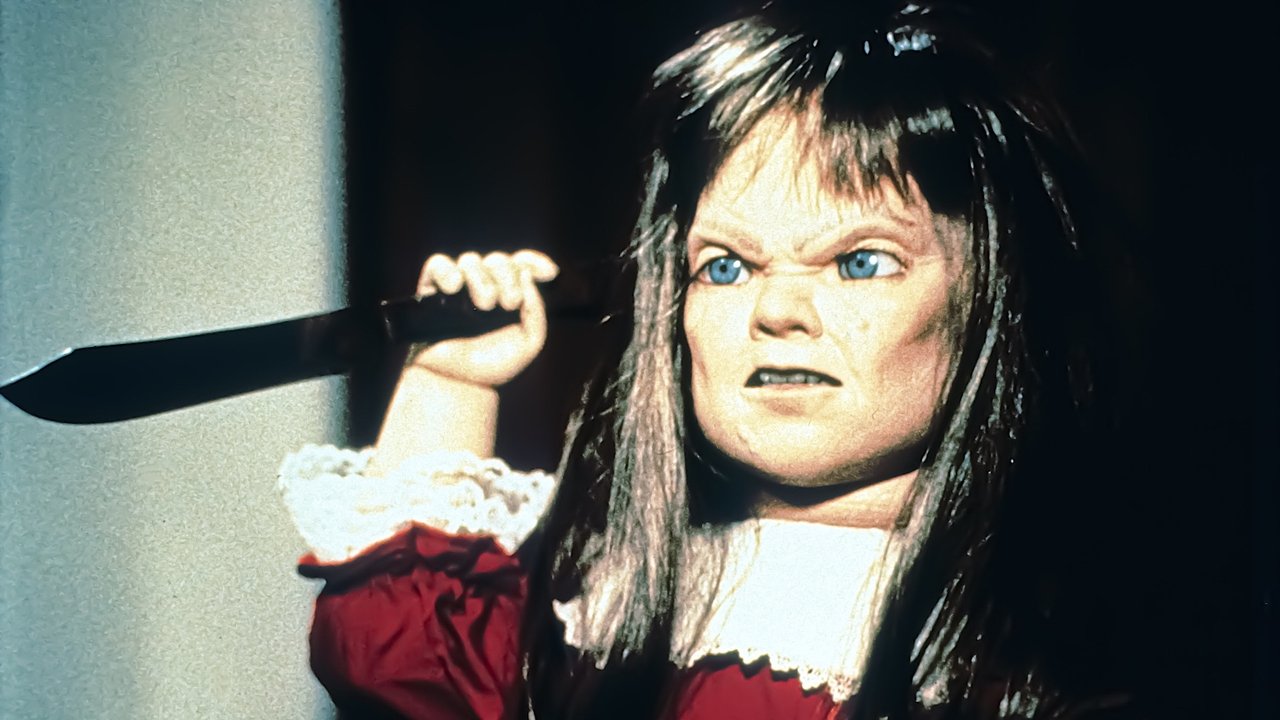
Of course, the centerpiece is Dolly herself. Discovered amongst the factory's old stock, she's chosen by young Jessica as her special friend. And let's be honest, even before the demonic possession, Dolly is… unsettling. There's a harshness to her painted features, a vacant stare that feels less like innocence and more like cold observation. When the ancient Sanzia spirit – described by archaeologist Karl Resnick (Rip Torn) as a "child-sized demon" – takes up residence, Dolly becomes the vessel for some classic killer-doll mayhem. While inevitably inviting comparisons to Chucky from Child's Play (1988), Dolly operates with a slightly different, perhaps less charismatic, menace. The practical effects used to bring her to life – twitching eyes, sudden head turns, a leering smile – are pure late-80s/early-90s vintage. They might look a bit creaky now, especially the scenes of the doll "walking," but back on a fuzzy CRT screen rented from the local video store, didn't those jerky movements feel genuinely unnerving? There's a tangible quality to the threat that CGI often lacks.
A Cast Caught in the Crossfire
The human element is carried capably, if not spectacularly. Denise Crosby, still recognizable to many from Star Trek: The Next Generation and fresh off another unsettling maternal role in the far superior Pet Sematary (1989), brings a grounded worry to Marilyn. She sells the mounting dread as she realizes her daughter's new toy is something far more sinister. Sam Bottoms plays the initially oblivious, business-focused father figure convincingly. But the real scene-stealer, as he often was, is the legendary Rip Torn. Chewing scenery with gusto as the exposition-dumping archaeologist, Torn adds a certain wild-eyed gravitas (or perhaps high camp, depending on your view) to the proceedings. His presence elevates the film, lending it a touch of eccentric credibility it might otherwise lack. Does anyone deliver warnings about ancient demons quite like Rip Torn?
Crafting Terror on a Budget
Dolly Dearest is unmistakably a product of its time – a direct-to-video horror flick aiming to capitalize on a popular subgenre. Maria Lease, working with limited resources, delivers a functional B-movie experience. The film doesn't rewrite the rulebook, hitting familiar beats: creepy whispers, objects moving inexplicably, escalating violence, and the inevitable parent-finally-believes moment. One particularly unsettling bit of trivia surrounding the film is the writing credit attributed to "Peter Sutcliffe." While reportedly not the infamous serial killer of the same name (sources suggest it might be a pseudonym related to Lease's husband), the association itself casts an extra layer of grimness over the production's history – a truly dark coincidence or a deliberately provocative choice? It adds to the film's slightly sordid, video-nasty-adjacent appeal. The practical challenges of making a small doll a credible physical threat are sometimes visible, but there's an earnestness to the effort that resonates with the era's filmmaking spirit.
Does Dolly Still Haunt the Attic?
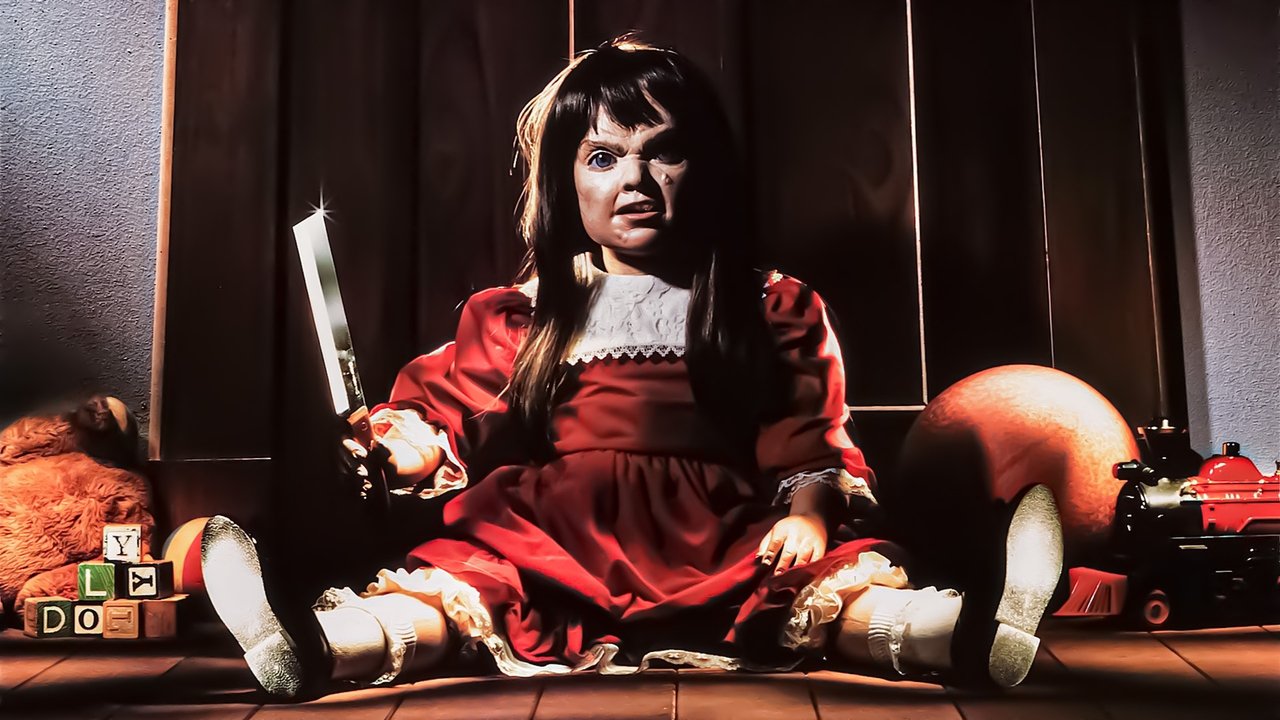
Watching Dolly Dearest today is an exercise in nostalgia as much as horror appreciation. The fear it generates is less jump-scare immediate and more a slow burn of creepy atmosphere mixed with moments of glorious absurdity. Remember seeing that intense cover art on the VHS shelf, promising untold terrors within? The film delivers on the killer doll premise, albeit with occasionally clunky dialogue and plot conveniences. Some scenes, like Dolly wielding a kitchen knife or lurking in the shadows, retain a certain unsettling power thanks to the inherent creepiness of dolls. Others veer into unintentional comedy, particularly the climax which throws everything including the possessed kitchen sink at the screen. It’s a film that feels perfectly suited to a late-night watch with fellow fans of the era, ready to appreciate both its genuine attempts at dread and its charming B-movie limitations. It’s a tangible piece of 90s horror history, the kind you’d eagerly grab from the "New Releases" wall at Blockbuster.
Rating: 5/10
The score reflects a film that’s more enjoyable as a nostalgic artifact and a piece of killer-doll B-movie history than as a genuinely terrifying or well-crafted horror classic. It hits the expected notes, features a memorable turn from Rip Torn, and boasts a central villain creepy enough in concept. However, clunky execution, pacing issues, and inevitable comparisons to superior genre entries hold it back. It’s undeniably dated, but for fans digging through the VHS crates (real or metaphorical), Dolly Dearest offers a specific flavor of early 90s direct-to-video horror – earnest, slightly goofy, and centered on one unsettlingly blank-eyed toy. It might not be top-tier terror, but it’s a recognizable face from the video store shelves, and sometimes, that shared memory is frighteningly fun in itself.