The flickering glow of the television paints the room in shifting blues and reds. Outside, the world sleeps, but here, bathed in cathode ray twilight, the familiar synth chords begin. It's 1988 again, and Freddy Krueger isn't just a boogeyman whispered about in hushed tones anymore; he's practically a rock star. A Nightmare on Elm Street 4: The Dream Master arrives not with the creeping dread of the original, but with the slick, neon-drenched confidence of late-80s MTV. It’s a different beast, less interested in primal fear, more invested in becoming the ultimate horror spectacle.
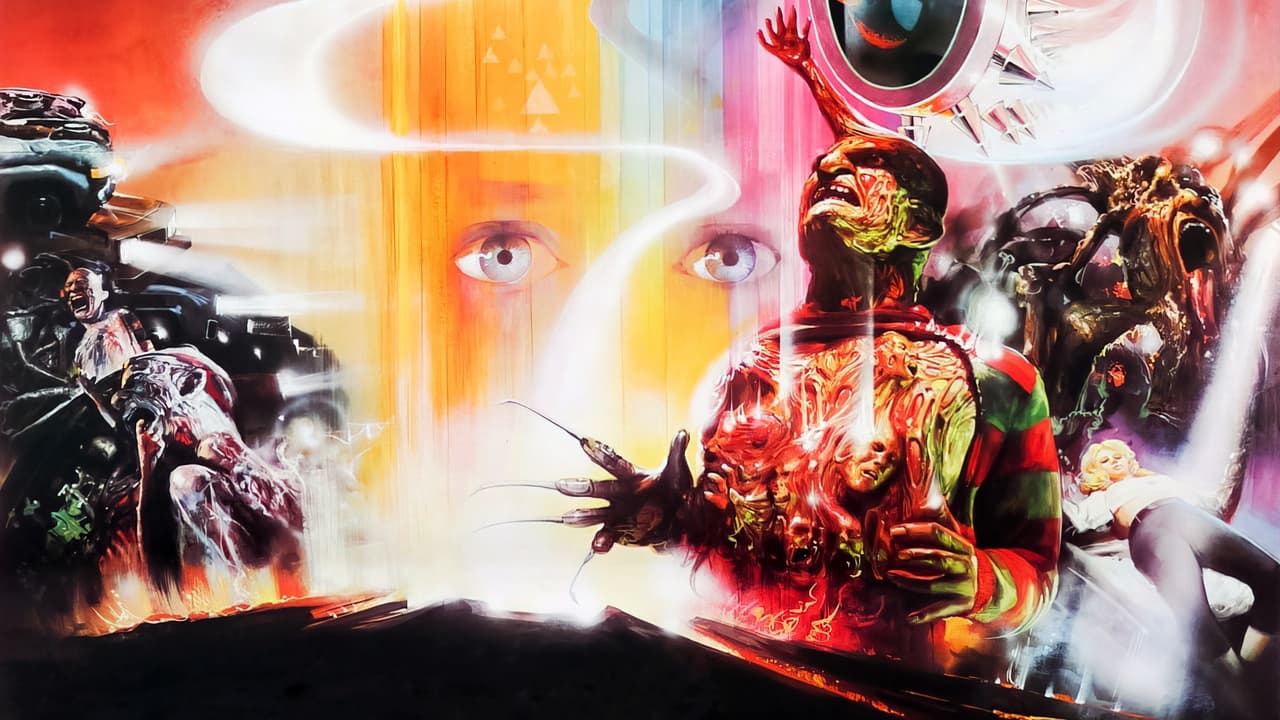
The Dream Warriors’ Legacy, Twisted Anew
Picking up where the fan-favorite Dream Warriors left off, The Dream Master initially feels like a direct continuation. We find Kristen Parker (now played by Tuesday Knight, stepping in for Patricia Arquette who was pregnant at the time), Kincaid, and Joey trying to live normal lives after their ordeal at Westin Hills. But Freddy (Robert Englund, practically reveling in his pop culture icon status here) doesn't stay buried for long. The ingenuity of his resurrection this time – involving fiery dog urine, no less – sets the stage for a film that embraces the absurdity alongside the horror. When Kristen frantically pulls her shy friend Alice Johnson (Lisa Wilcox) into her final nightmare, she unwittingly passes on her dream powers, setting Alice on a path to become the titular "Dream Master." Wilcox's transformation from timid wallflower to Freddy's formidable final girl is one of the film's strongest assets, giving the increasingly outlandish proceedings a necessary emotional core.
Welcome to the Prime Time, Bitch!
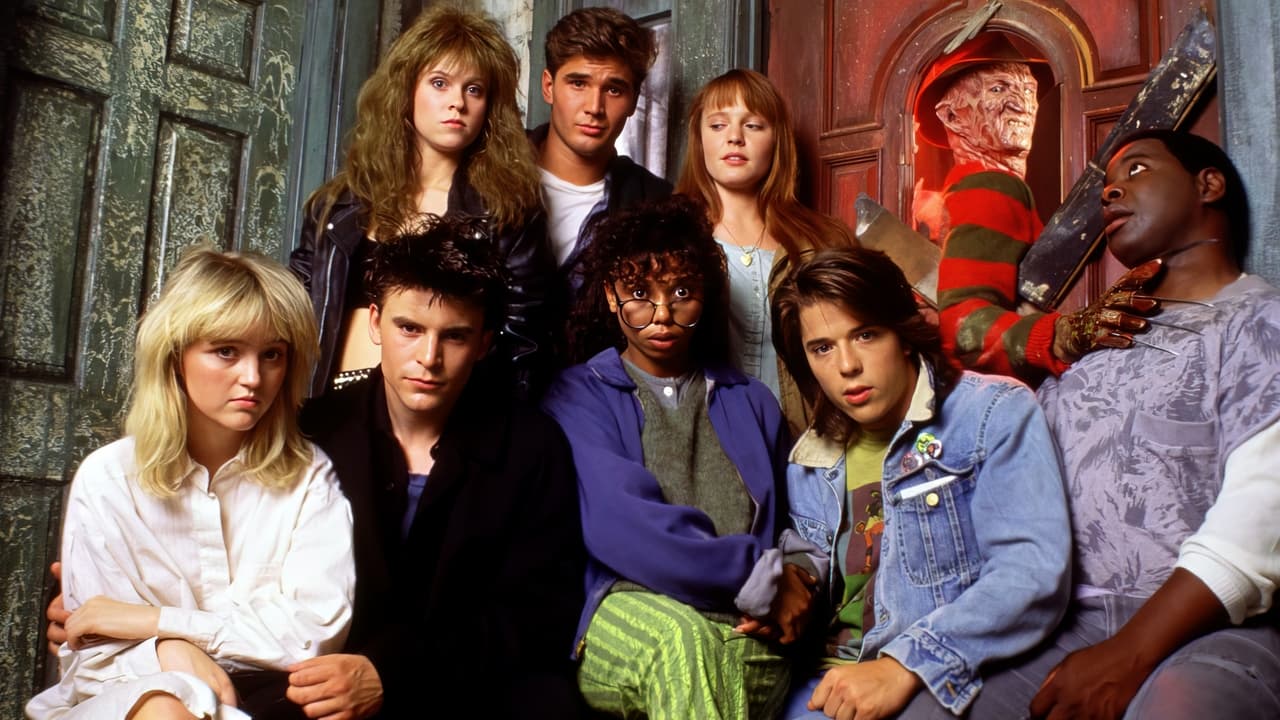
This is Renny Harlin's show. The Finnish director, who famously won the gig by impressing producers with his boundless enthusiasm and wild visual concepts (reportedly showing up with storyboards and even a miniature model for a key sequence), injects Elm Street 4 with pure, unadulterated visual energy. Forget the grimy boiler rooms of yesteryear (though they make brief appearances); Harlin crafts dreamscapes that are vibrant, surreal, and often breathtakingly complex for their time. Think less psychological terror, more hallucinatory funhouse.
The kills here are legendary, becoming some of the most iconic in the entire franchise, less for their brutality and more for their sheer, often darkly comedic, invention. Who can forget Sheila's transformation into a cockroach caught in a roach motel? Or Debbie's gruesome metamorphosis involving weights and insect limbs? These sequences, achieved through remarkable (and undoubtedly painstaking) practical effects, were the kind of thing you’d rewind the VHS tape over and over to fully appreciate. The waterbed sequence, trapping poor Joey in its watery embrace with a submerged, grinning Freddy, remains a standout of creative, aquatic dread. The sheer ambition on display, especially considering the film's relatively modest $6.5 million budget, is commendable. Harlin, fresh off the low-budget thriller Prison (1987), proved he could handle scale and spectacle, paving his way directly to directing Die Hard 2 (1990).
Freddy Gets Polished (Maybe Too Much?)
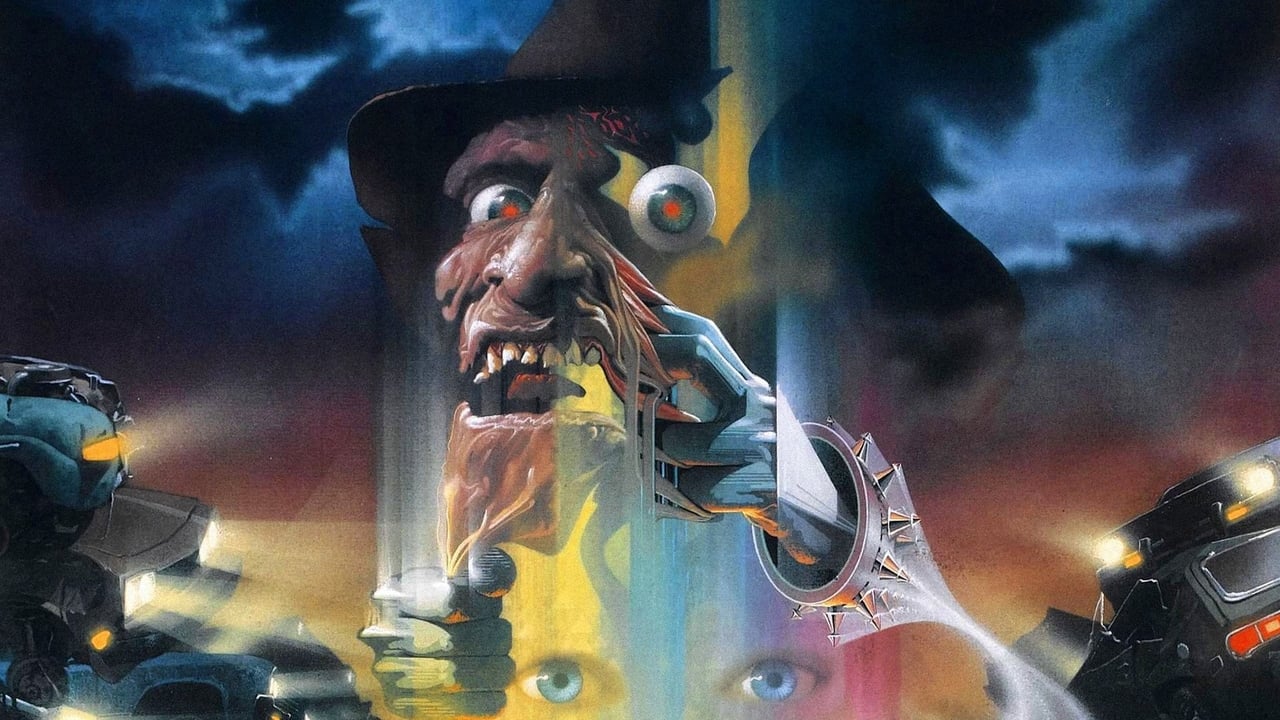
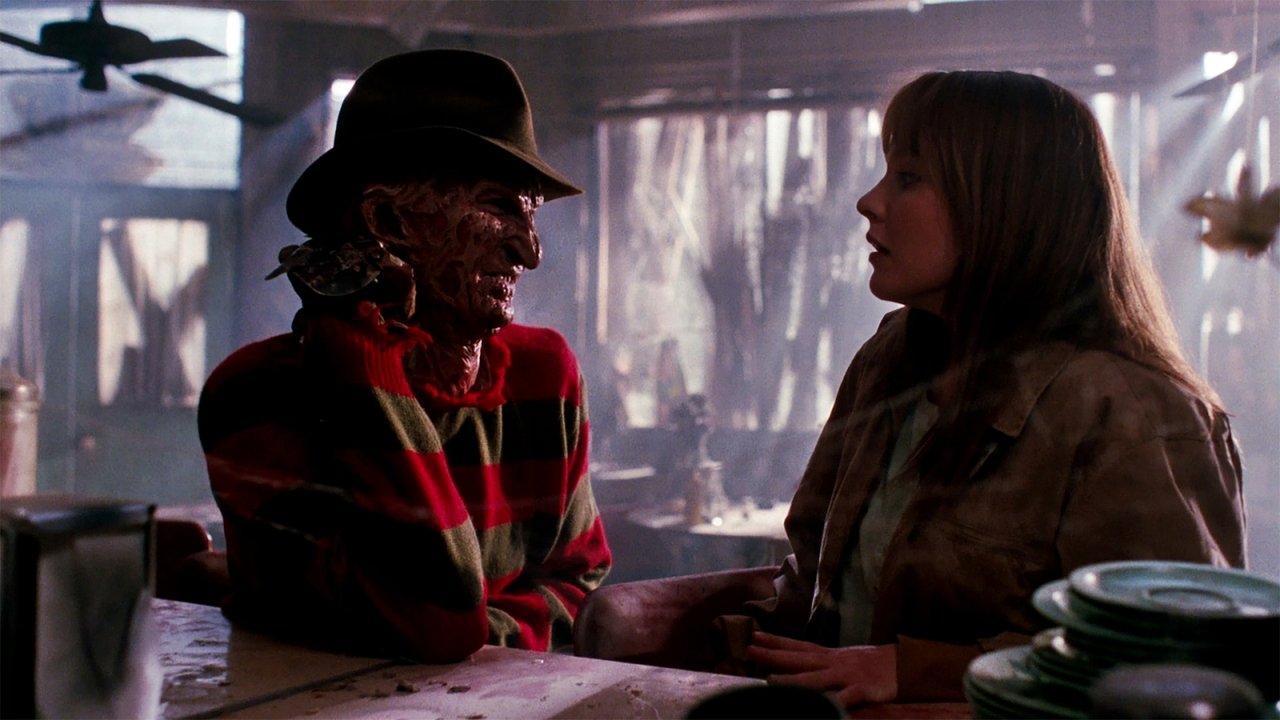
While Harlin's direction gives the film its undeniable flair, it also marks a significant tonal shift for Freddy himself. Robert Englund is clearly having a blast, leaning heavily into the one-liners and embracing Krueger's newfound celebrity. He delivers zingers with the timing of a seasoned comedian ("Wanna suck face?", "How's this for a wet dream?"). It’s entertaining, undeniably so, but some of the raw menace that defined the character in the earlier films feels diluted. He’s less a figure of pure nightmare fuel, more a wisecracking ringmaster of a deadly circus. This evolution certainly contributed to the film's massive success – becoming the highest-grossing entry in the series up to that point, hauling in nearly $50 million domestically – but did it cost the character some of his terrifying soul? That debate likely raged in video stores across the country back in the day.
Behind the Nightmare Curtain
The film's production was famously frantic. Born amidst the 1988 Writers Guild of America strike, the script (credited to Brian Helgeland - yes, the future Oscar winner for L.A. Confidential - and Scott Pierce, from a story by William Kotzwinkle and Helgeland) was reportedly being written and rewritten practically on set. This chaotic energy somehow translates into the film’s relentless pace and almost episodic structure, as Alice absorbs the powers and traits of her fallen friends, confronting Freddy in increasingly elaborate scenarios. Adding another layer to the production's unique flavor, replacement actress Tuesday Knight didn't just step into Kristen's shoes; she also performed the film's catchy, synth-heavy theme song, "Nightmare," cementing the film's MTV aesthetic. It’s one of those weird, wonderful conjunctions of circumstances that feels quintessentially 80s.
The Verdict: Peak Spectacle, Diminished Scares
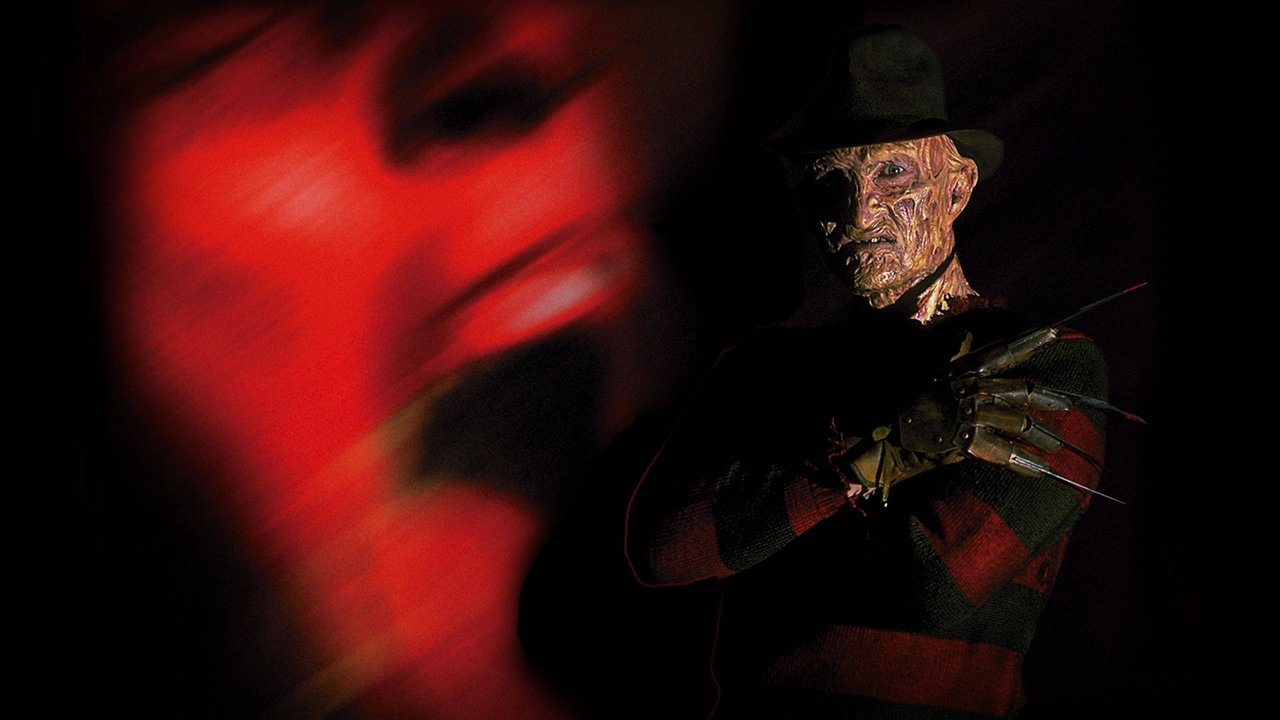
A Nightmare on Elm Street 4: The Dream Master represents the absolute peak of Freddy Krueger's mainstream popularity and the franchise's embrace of visual spectacle over gritty horror. Renny Harlin delivered a slick, fast-paced, and visually inventive entry that remains incredibly entertaining, fueled by creative kills, impressive practical effects, and a strong central performance from Lisa Wilcox. It captured the zeitgeist of late-80s horror perfectly – loud, colorful, and leaning into the fantastic. However, the trade-off was a less frightening Freddy and a move away from the suffocating dread that made the original so potent. It traded terror for thrills, becoming more of a dark fantasy action film than pure horror. Watching it now feels like unearthing a time capsule – a testament to a specific moment when a slasher icon became a pop culture phenomenon. It might not haunt your dreams like Wes Craven's original, but it sure knows how to put on a show.
Rating: 7/10
Why this score? While it loses some of the original's terrifying edge and leans heavily into Freddy's quips, The Dream Master boasts outstanding practical effects, creative dream sequences under Harlin's energetic direction, and a compelling heroine in Alice. It’s a high point for the franchise in terms of sheer entertainment and visual flair, even if the scares are more spectacle than substance. Its massive success and defining late-80s horror vibe earn it a solid score. It’s the Elm Street film that felt like a blockbuster event, perfectly packaged for a Friday night rental back in the day.