Some films arrive on video store shelves feeling like unexpected treasures, smuggled in from another world. Jean-Paul Rappeneau's magnificent 1990 adaptation of Cyrano de Bergerac was precisely that – a burst of colour, passion, and poetic grandeur standing proudly amidst the action flicks and teen comedies lining the walls. Pulling that slightly oversized VHS box off the shelf, maybe drawn by the striking image of Gérard Depardieu in profile, felt like committing to something substantial, something more. And oh, how it delivered.
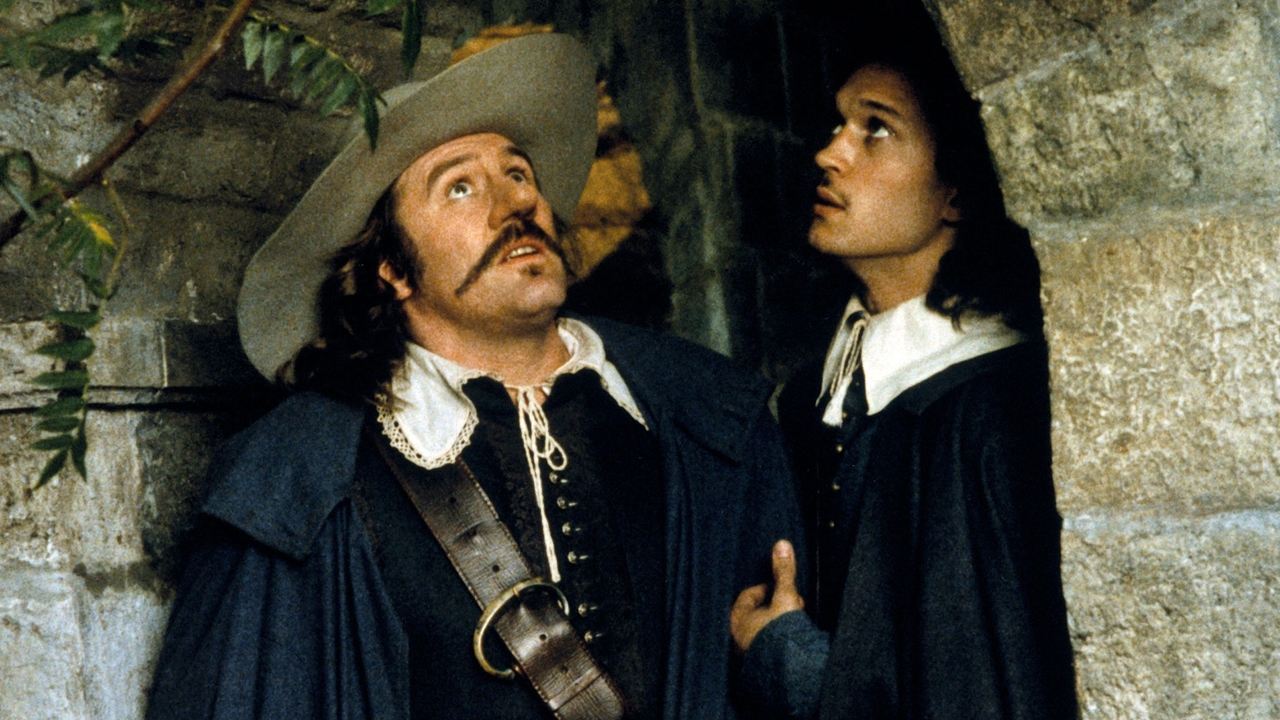
This isn't just a movie; it's an immersion. From the opening scenes, Rappeneau, who also co-wrote the screenplay with the great Jean-Claude Carrière adapting Edmond Rostand's timeless 1897 play, plunges us into the vibrant, swaggering world of 17th-century Paris. The sheer scale is breathtaking – bustling theatre crowds, candlelit interiors, muddy battlefields – all rendered with a richness and attention to detail that feels utterly transportive on screen. This wasn't just a costume drama; it felt like stepping through time. It's no wonder the film was, at the time, one of the most expensive French productions ever mounted (reportedly costing around 110 million Francs, a hefty sum translating to roughly $20 million USD back then, or closer to $45 million today), and every franc feels visible in the gorgeous cinematography and the Oscar-winning costumes by Franca Squarciapino.
### The Soul of a Poet, The Nose of a Punchline
At the heart of this lavish tapestry beats the extraordinary performance of Gérard Depardieu as Cyrano. It's difficult to overstate how completely he embodies this iconic character. Depardieu had apparently longed to play the role for years, and that passion translates into every flourish of his sword, every perfectly delivered insult, every flicker of hidden pain in his eyes. His Cyrano is a whirlwind – a brilliant poet, a peerless swordsman, a man of fierce pride and unwavering loyalty, yet crippled by the profound insecurity stemming from his famously large nose.
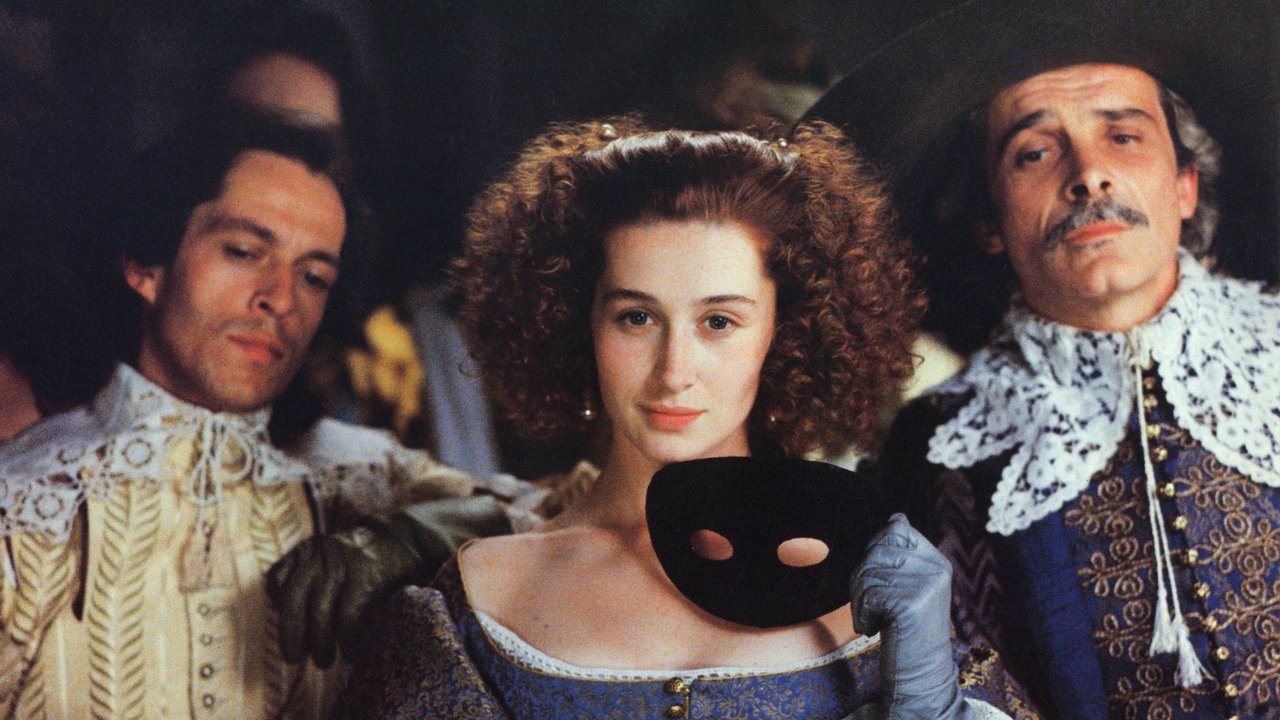
It's the way Depardieu balances these contradictions that makes the performance legendary. He captures Cyrano's "panache" – that uniquely French blend of flamboyant style and heroic spirit – but crucially, he reveals the vulnerability beneath the bravado. We see the brilliant mind crafting exquisite verses, the courageous soldier leading his men, and the heartbroken lover watching the object of his affection, Roxane (Anne Brochet), fall for the handsome, kind, but utterly tongue-tied Christian de Neuvillette (Vincent Perez). The moments where Cyrano pours his own soul into letters and speeches for Christian, standing hidden in shadows while his rival receives the adoration meant for his words... they are devastatingly effective. It’s a performance that rightly earned Depardieu the Best Actor award at Cannes and an Oscar nomination – a rare feat for a non-English language role.
### More Than Just a Love Triangle
While the central romance drives the plot, Rappeneau ensures the film is more than just unrequited love. Anne Brochet brings intelligence and grace to Roxane, making her more than just a passive prize. She is captivated by the beauty of the words, the soul revealed through language, even if she initially misattributes the source. And Vincent Perez, in a role that launched his international career, effectively portrays Christian's charm and his dawning awareness of the deception, adding another layer of pathos.
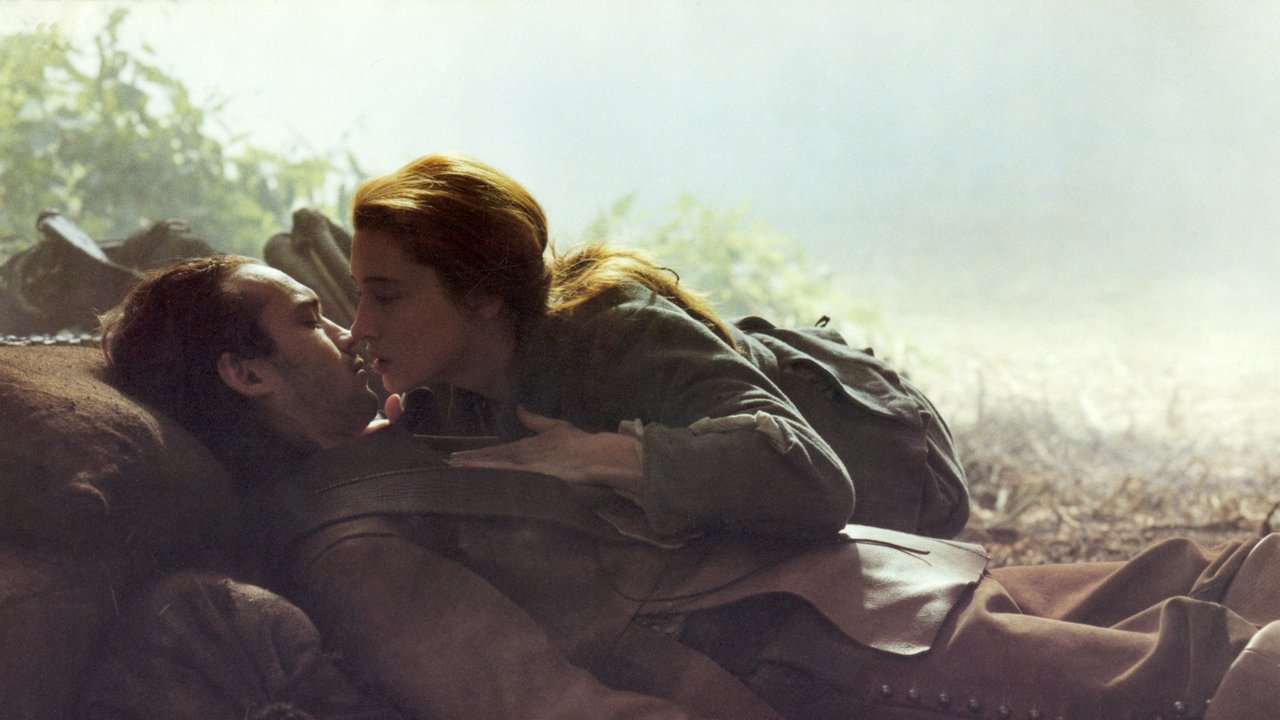
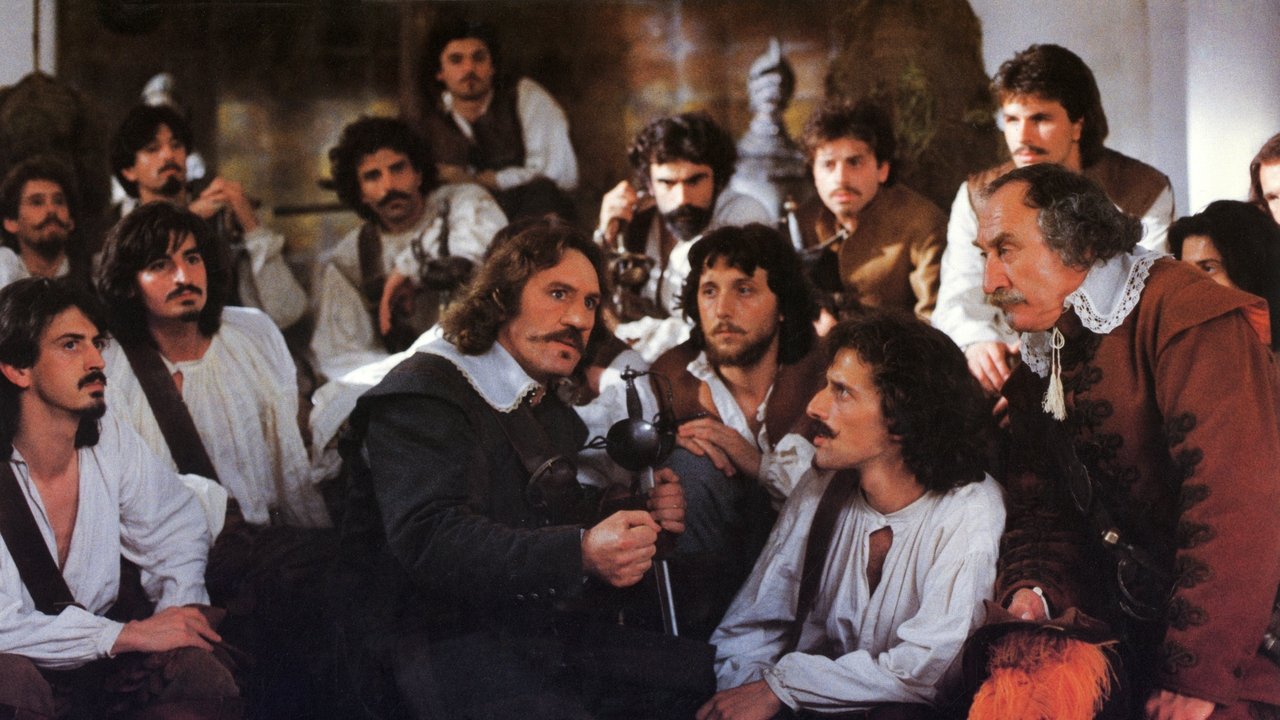
The film masterfully adapts Rostand's Alexandrine verse. Translating rhyming couplets while retaining their wit and emotion is a Herculean task, yet the subtitles (or the excellent English dub, for those who opted for it on VHS) managed to convey the spirit and sparkle of the original French. The famous "Nose monologue," where Cyrano improvises a dazzling list of insults about his own protuberance, is a masterclass in writing and performance, showcasing both Cyrano's linguistic genius and his defensive pride. Rappeneau, known previously for lighter fare like Le Sauvage (1975), proved adept at handling both the swashbuckling energy of the duel scenes and the quiet, heart-wrenching intimacy of the later moments. Filming took place across numerous historic French locations, including Le Mans and sections of the Château de Versailles, adding an authentic grandeur that simply couldn't be faked on a backlot.
### Lasting Echoes of Panache
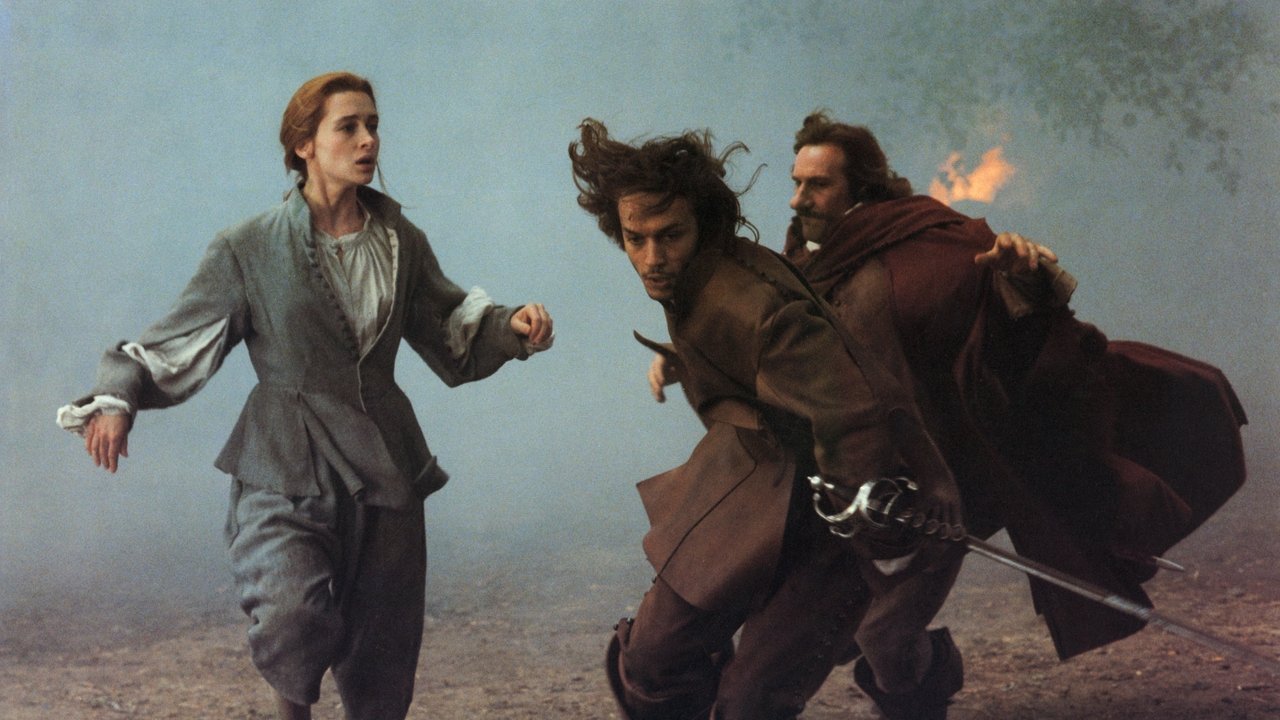
Watching Cyrano de Bergerac today, it feels both wonderfully of its time (that slightly saturated, rich film stock look so characteristic of early 90s prestige pictures) and utterly timeless. Its themes of inner versus outer beauty, the power of language to connect and deceive, and the bittersweet nature of sacrifice resonate as strongly as ever. It’s a film that celebrates intelligence, wit, and deep feeling with unapologetic passion. It stands in stark, beautiful contrast to the more ironic, detached tone that would sometimes characterize later films. This is pure, uncynical romance and adventure, delivered with exceptional artistry. It even managed to succeed where many foreign language films struggle, earning significant critical acclaim and finding a receptive audience internationally, perhaps reminding people of the power of classic storytelling done well, even overshadowing for a time the charming but very different American update, Roxanne (1987), starring Steve Martin.
Rating: 9/10
This rating reflects a near-perfect blend of powerhouse acting (Depardieu is simply unforgettable), masterful direction, stunning production values, and a faithful yet vibrant adaptation of a literary classic. It’s a film that sweeps you away with its romance and adventure, but lingers long after thanks to its profound emotional core. If you somehow missed this gem back in the rental days, or if your tape wore out long ago, seek it out. It remains a towering achievement, a reminder of how truly epic and moving cinema can be, proving that sometimes, the words are everything. What endures more: the fleeting impression of physical beauty, or the lasting power of a well-expressed soul? This film makes a passionate case for the latter.