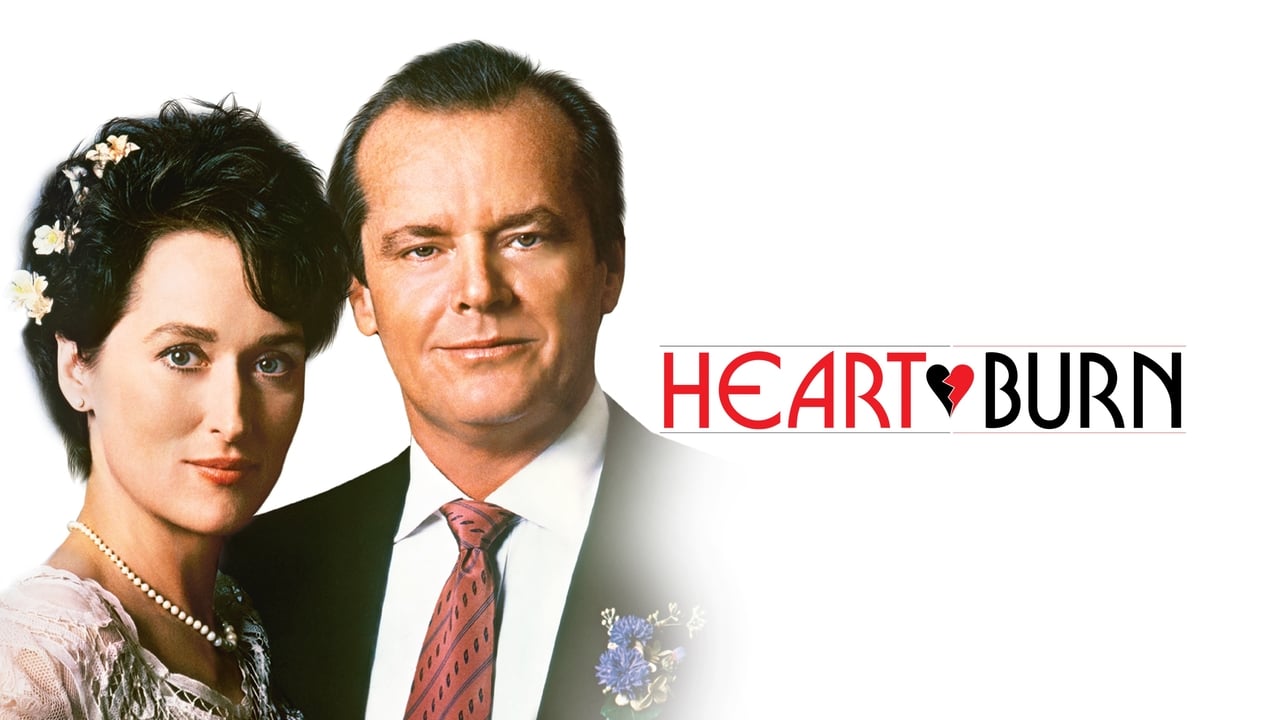
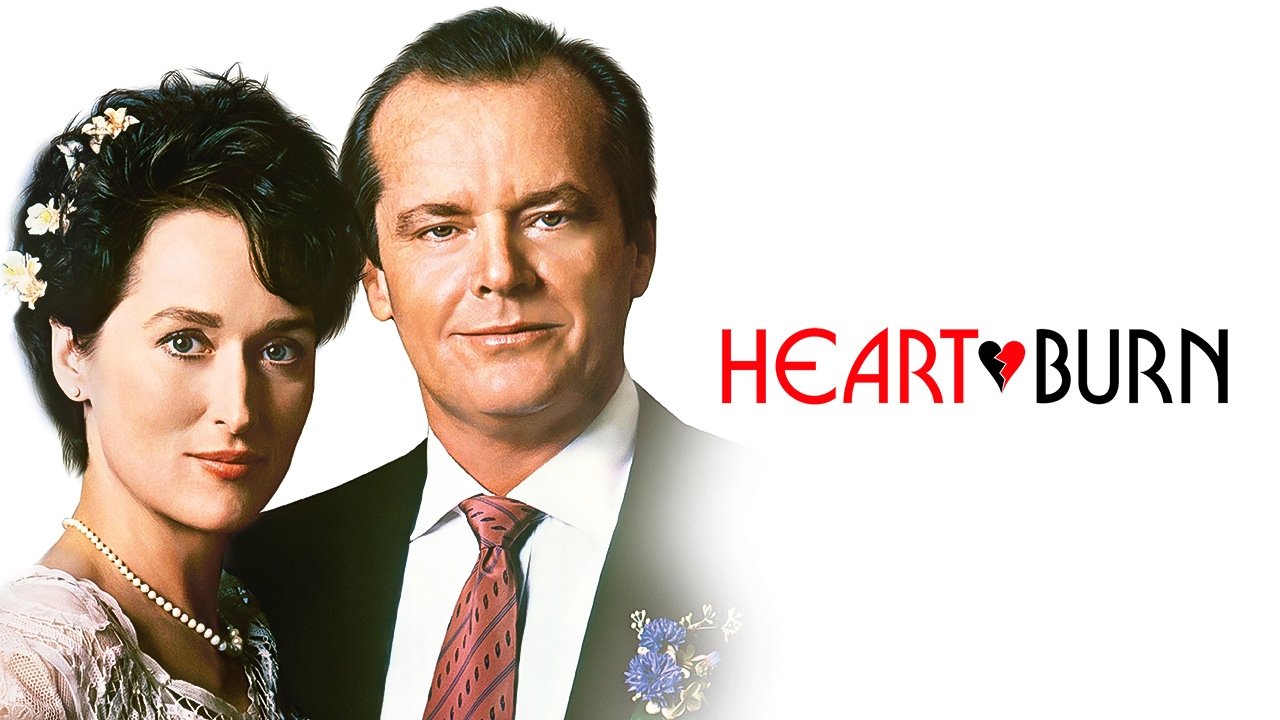
Okay, fellow travelers down the magnetic tape memory lane, let's slide a well-worn cassette into the VCR of our minds. Tonight's feature on VHS Heaven is 1986's Heartburn, a film that arrived with the kind of pedigree that practically guaranteed video store prominence: Meryl Streep and Jack Nicholson headlining, directed by the legendary Mike Nichols (The Graduate, Working Girl), and penned by the witty Nora Ephron, adapting her own tell-all novel. It felt like an event, didn't it? Yet, revisiting it now evokes a feeling more complex than simple nostalgia—a bittersweet blend of sophistication, sharp humor, and the unmistakable sting of betrayal.
### When Star Power Meets Raw Nerves
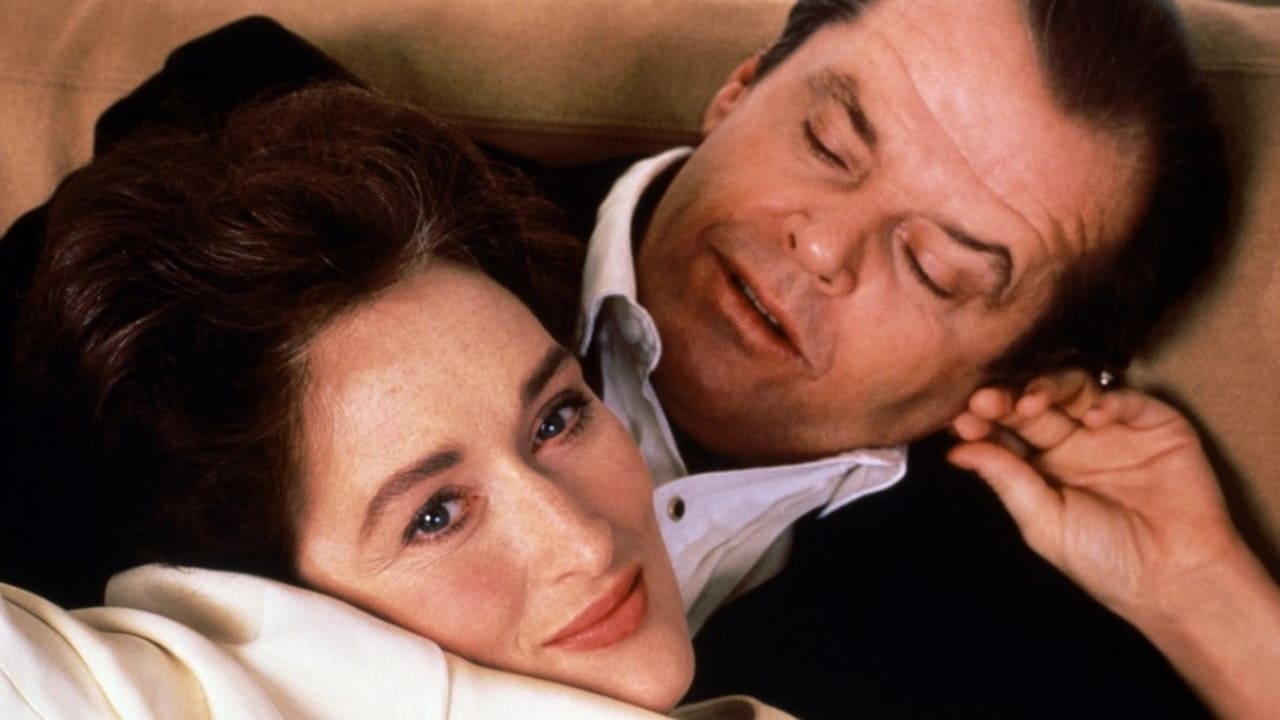
What happens when effervescent New York food writer Rachel Samstat (Meryl Streep) meets charming Washington political columnist Mark Forman (Jack Nicholson)? Fireworks, naturally. A whirlwind courtship, marriage, a baby, a dilapidated house renovation... it's the stuff of sophisticated romantic comedy dreams. But Heartburn isn't quite that simple. Based directly on Nora Ephron’s thinly veiled account of her marriage implosion with Watergate journalist Carl Bernstein, the film carries an undercurrent of raw, personal pain beneath its glossy surface. This isn't just fiction; it feels like watching someone process their heartbreak, albeit with Ephron's signature acerbic wit and Nichols' polished direction. I remember renting this one, perhaps expecting something breezier like Ephron’s later hits (When Harry Met Sally... or Sleepless in Seattle), and being struck by its melancholic honesty, the way laughter catches in the throat.
### The Ephron Edge, The Nichols Polish
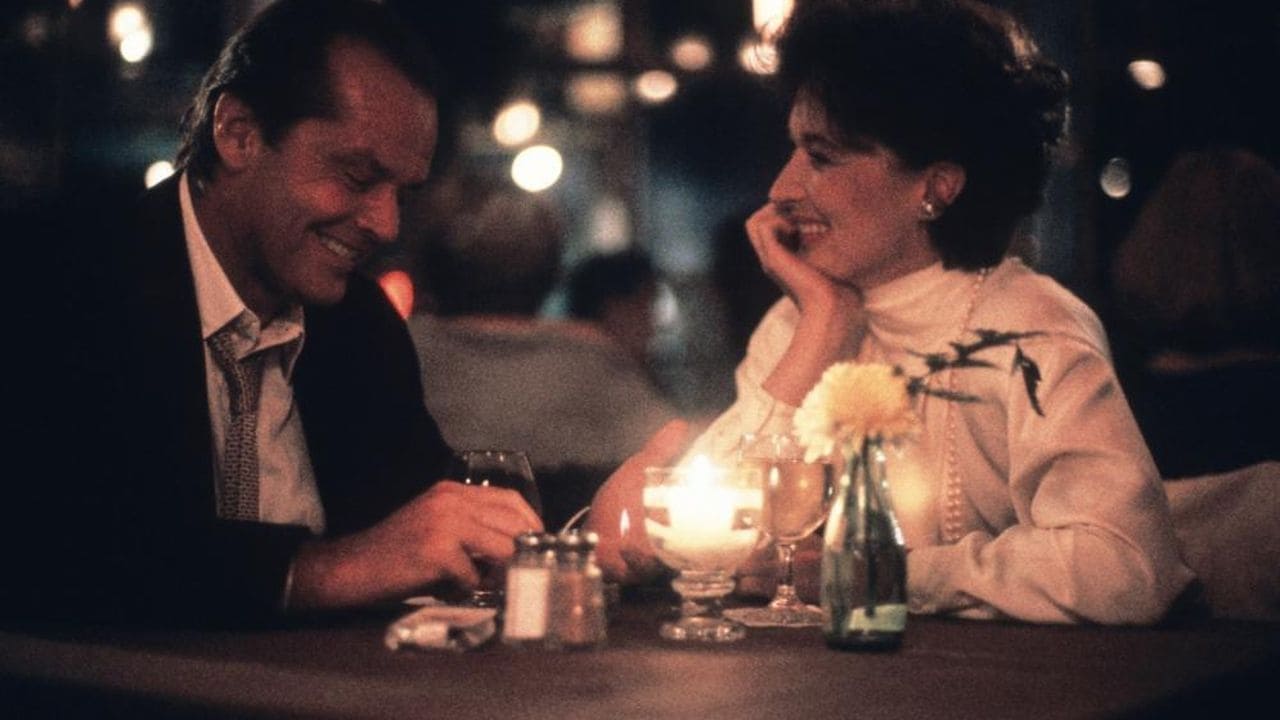
Ephron's screenplay is packed with the kind of observant, cutting lines she was famous for. Rachel’s anxieties, her culinary coping mechanisms (food really is a central character here), her dawning horror as Mark’s infidelities surface – it all feels sharp and specific. Nichols, ever the master craftsman with actors and tone, navigates the tricky shifts between comedy and drama with elegance. He gives the film a lived-in, almost claustrophobic feel at times, particularly within the confines of Rachel and Mark's ever-under-renovation D.C. home, a physical manifestation of their unstable relationship. He knows exactly when to let a moment of quiet devastation land, often framed beautifully by cinematographer Nestor Almendros. It’s a visually handsome film, typical of Nichols’ 80s output, but the emotional core remains messy and complicated.
### Streep's Strength, Nicholson's... Nicholson-ness
The film truly hinges on its leads, and what leads they are. Meryl Streep, already well on her way to becoming cinematic royalty after Kramer vs. Kramer and Sophie's Choice, is luminous as Rachel. She embodies the character’s intelligence and vulnerability, her fierce love giving way to wounded disbelief. There’s a quiet strength in her performance, a refusal to be merely a victim, that anchors the film. You feel her trying to hold onto the witty, capable persona even as her world fractures. It's a performance that feels incredibly truthful, capturing the specific agony of loving someone you can no longer trust.
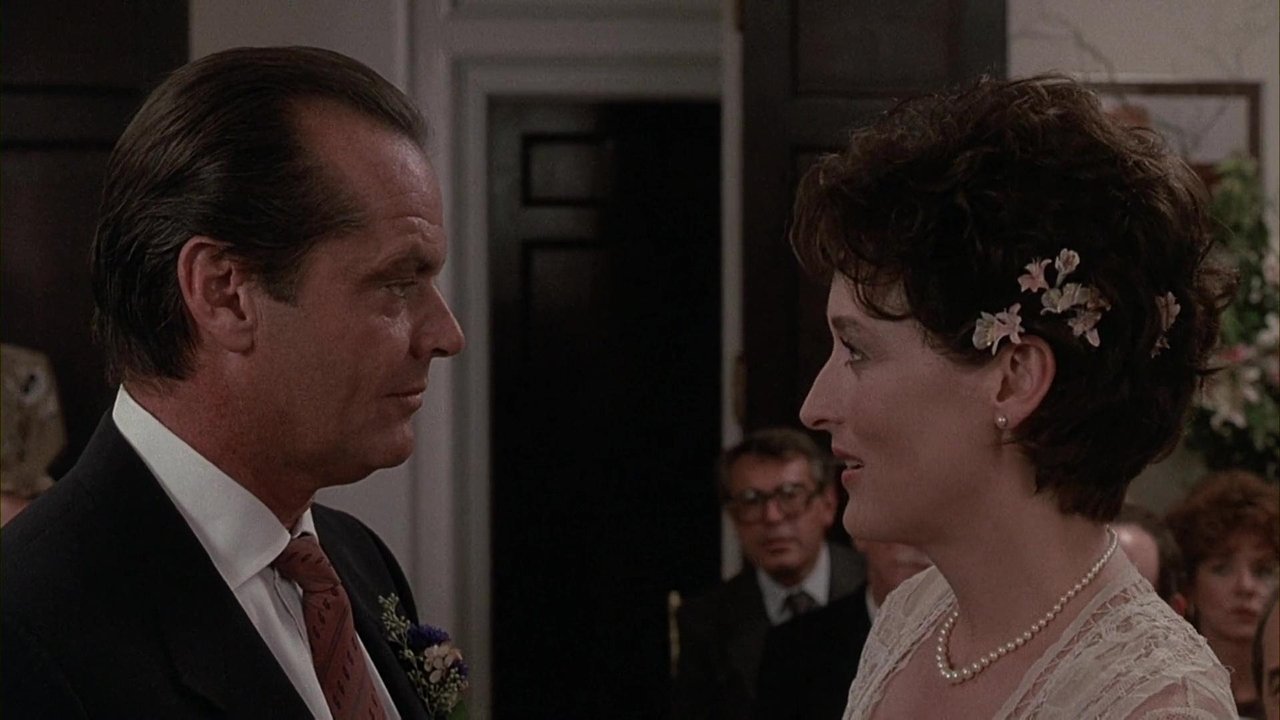
And then there's Jack Nicholson. As Mark, he weaponizes the very charm that made him a superstar. Mark isn't a simple villain; he's magnetic, funny, and utterly infuriating. Nicholson plays him with that familiar twinkle, the easy confidence, but allows glimpses of the careless self-absorption beneath. Is it a stretch for him? Perhaps not, but his chemistry with Streep is undeniable, making their initial romance believable and the eventual collapse all the more painful. Their scenes together crackle with an energy born of two masters playing off each other, even when the dialogue turns bitter. We also get memorable supporting turns, including Stockard Channing as one of Rachel's sharp-tongued friends.
### Retro Fun Facts: Art Imitating Life (Painfully)
You can't discuss Heartburn without acknowledging its very public roots. Knowing that Rachel is Ephron and Mark is Bernstein adds a layer of voyeuristic fascination, perhaps even discomfort. It feels like reading someone's diary, published for the world.
- Life On Set: In a poignant case of life imitating art imitating life, Meryl Streep was actually pregnant during filming with her daughter, Mamie Gummer. In a delightful turn, Mamie ended up playing Rachel and Mark's infant daughter, Annie, in the film! Talk about method acting starting early.
- That Pie Scene: Yes, the infamous moment where Rachel, having discovered the full extent of Mark's betrayal, wordlessly smashes a key lime pie into his face during a dinner party. It’s cathartic, messy, and became one of the film's most talked-about scenes – pure Ephron payback served cold (or rather, creamy).
- Soundtrack Serendipity: Carly Simon provided the film's theme song, "Coming Around Again," along with other pieces for the score. The song became a massive hit, perfectly capturing the film’s cyclical themes of love, loss, and finding the strength to continue. It's almost impossible to think of Heartburn without hearing that melody.
- Debut Alert: Keep an eye out for a very young Kevin Spacey in his feature film debut, playing a thief on the subway. Blink and you might miss him!
- Mixed Reception: Upon release, Heartburn wasn't a runaway success (around $25.3 million gross on a $20 million budget) and critics were divided. Some found it too close to Ephron's personal grievances, perhaps lacking dramatic shape, while others lauded the performances and its mature take on marital disillusionment. It certainly wasn't the feel-good hit some might have expected from the talent involved.
### Does It Still Simmer?
Watching Heartburn today, it feels like a quintessential 80s artifact – sophisticated, adult-oriented filmmaking wrestling with complex emotions. It’s not perfect; the episodic structure sometimes feels more like a series of vignettes than a tightly plotted narrative. And yes, the sense of personal score-settling can occasionally overshadow the universality of the themes. Yet, there's an undeniable power in its honesty. It refuses easy answers or neat resolutions about love and infidelity. Doesn't the messiness of Rachel and Mark's story resonate with the often-uncomfortable realities of long-term relationships, even decades later? It captures that specific ache when something cherished irrevocably breaks.
It might not have been the tape you wore out in the VCR, maybe it was more of a thoughtful rental when you were in the mood for something with more bite than fluff. But its blend of wit, pain, and star power leaves a distinct impression.
Rating: 7/10
Justification: While sometimes feeling episodic and perhaps too close to its source material's raw nerve, Heartburn is elevated significantly by the powerhouse performances of Meryl Streep and Jack Nicholson, Mike Nichols' assured direction, and Nora Ephron's sharp, insightful (if pointed) writing. The film tackles mature themes with a complexity often missing in mainstream fare, and Carly Simon's iconic score perfectly complements the bittersweet tone. It’s a compelling, if sometimes uncomfortable, watch that captures a specific kind of 80s adult drama – glossy on the surface, turbulent underneath.
Final Thought: Heartburn remains a fascinating artifact – a public processing of private pain, wrapped in Hollywood gloss and showcasing two legends navigating the wreckage of love with undeniable, if uncomfortable, chemistry. It reminds us that sometimes, the sharpest humor is born from the deepest hurt.