It drifts back sometimes, not as a specific scene, but as a feeling – the particular quality of light in a slightly cluttered suburban kitchen, the echo of an unusual laugh, the quiet thrum of lives being lived with messy, unvarnished honesty. Mike Leigh's 1990 masterpiece, Life Is Sweet, isn't a film you simply watch; it's one you inhabit for a couple of hours. Renting this one back in the day, perhaps nestled between louder, brasher options on the video store shelf, felt like uncovering a secret, a beautifully observed portrait of ordinary existence that was anything but ordinary.
The Art of the Ordinary
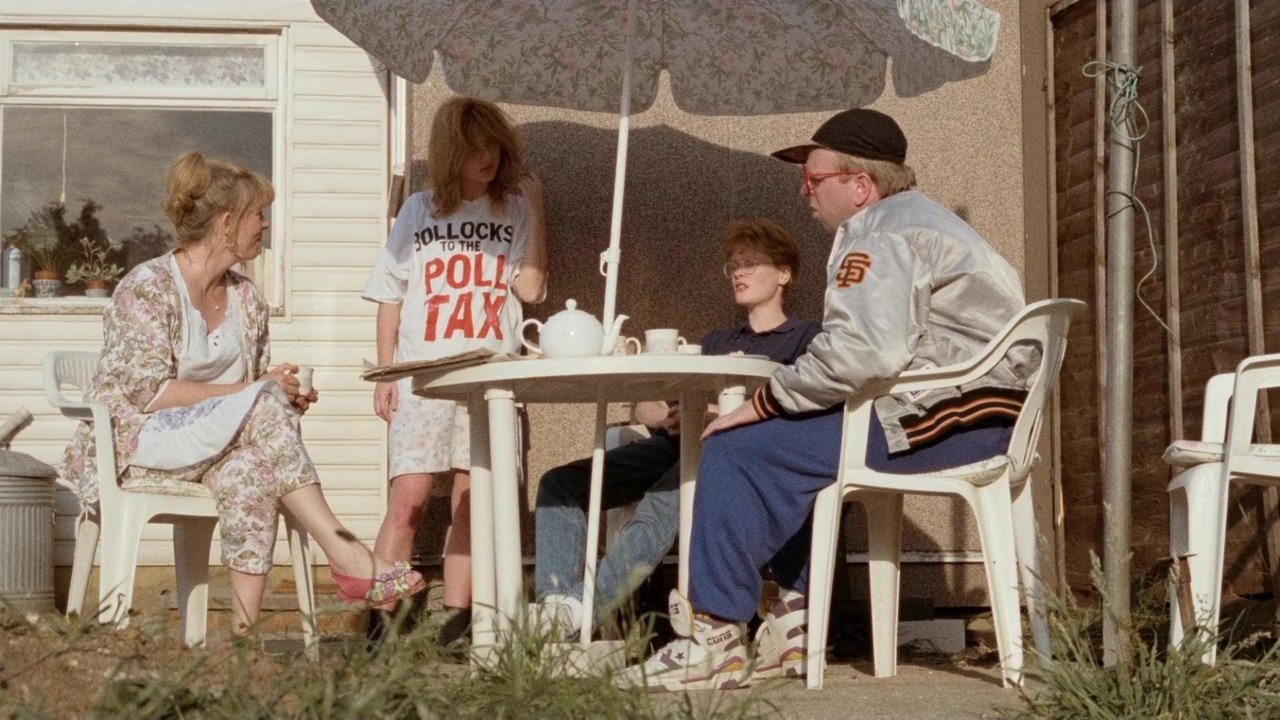
What immediately set Life Is Sweet apart, and still does, is its profound commitment to realism, born from Mike Leigh's signature filmmaking process. There wasn't a conventional script handed out on day one. Instead, Leigh worked intimately with his cast for months, building characters from the ground up through improvisation and deep exploration. You feel this meticulous preparation in every frame. The interactions between the central family – cheerful, perpetually optimistic Wendy (Alison Steadman), her eternally hopeful but often hapless husband Andy (Jim Broadbent), and their chalk-and-cheese twin daughters, the sullen, secretly suffering Nicola (Jane Horrocks) and the quietly pragmatic plumber Natalie (Claire Skinner) – possess an almost startling authenticity. Their conversations overlap, trail off, erupt in sudden bursts of absurdity or frustration – just like real families. This isn't movie dialogue; it's overheard life. I remember watching this on a chunky CRT, the slightly fuzzy picture somehow enhancing the feeling that you were peering through a neighbour's window, privy to their most intimate, awkward, and sometimes achingly funny moments.
A Symphony of Small Moments

The 'plot', such as it is, meanders rather than drives. Andy buys a dilapidated food van, hoping for culinary independence. Wendy teaches children's dance classes with infectious, slightly manic energy (Steadman's unique, high-pitched giggle is a character in itself, a sound both endearing and potentially grating). Natalie gets on with her plumbing apprenticeship, a beacon of relative normalcy. And Nicola... Nicola rails against everything – Thatcherite politics, societal expectations, her own body – cloaked in layers of baggy clothes and simmering rage, her secret bulimia a raw wound beneath the surface.
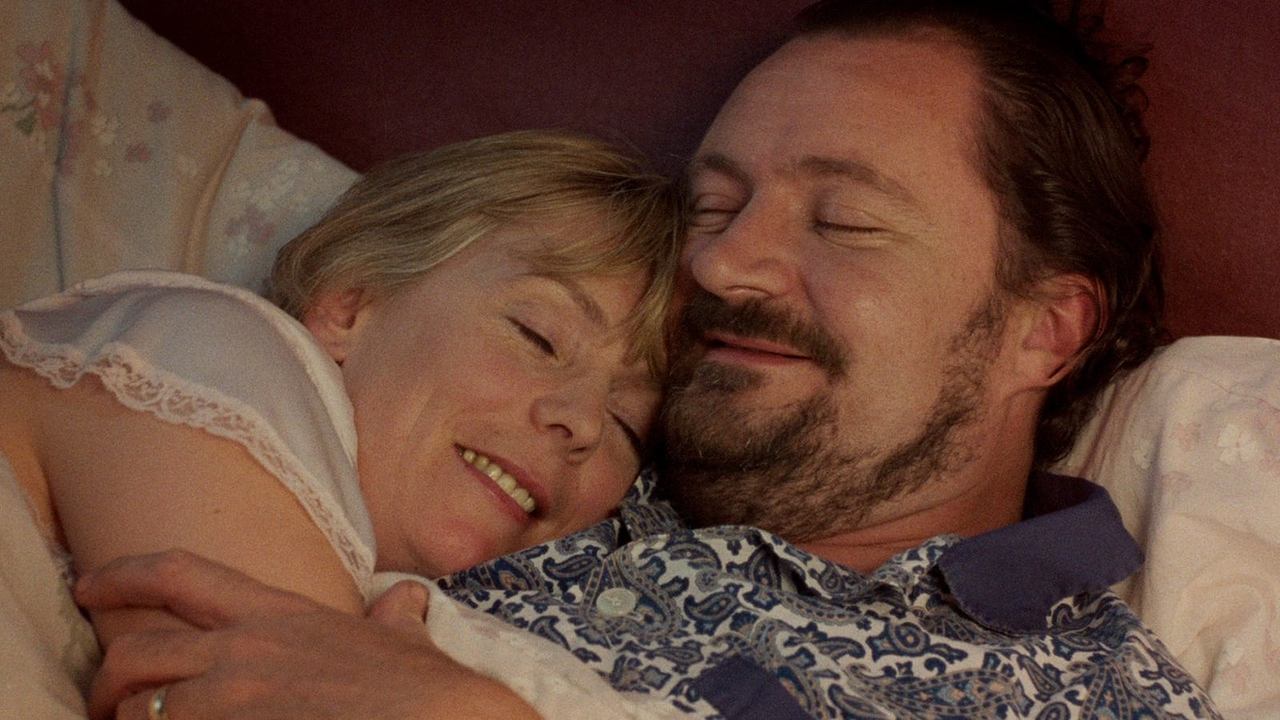
Alison Steadman is simply magnificent as Wendy, radiating a warmth that’s fiercely protective yet tinged with a denial about the undercurrents in her home. Her chemistry with Jim Broadbent (who had already worked with Leigh on stage and screen) is perfect; Andy is a gentle soul, a dreamer whose schemes rarely pan out, but whose love for his family is undeniable. Broadbent invests him with such empathy that even his most misguided moments elicit sympathy rather than scorn. It’s fascinating to note that Leigh often casts actors he’s worked with before, building a kind of repertory company; this familiarity undoubtedly contributes to the palpable ease and depth of the relationships on screen.
Beyond the Laughter: Shadows and Truth


While often hilariously funny – the film is peppered with Leigh’s trademark observational wit – Life Is Sweet never shies away from the darkness that can pool in the corners of everyday life. Nicola's storyline, handled with remarkable sensitivity by Jane Horrocks (who reportedly drew on personal experiences), confronts the painful reality of eating disorders and self-loathing without sensationalism. It's uncomfortable, unflinching, and utterly believable. The contrast between the film's title and these darker themes isn't ironic, but rather, deeply human. Life is sweet, Leigh seems to suggest, but it's also bitter, confusing, and sometimes deeply painful – often all at the same time. Finding the sweetness requires acknowledging the whole, messy picture.
That Restaurant Scene
And then there's Aubrey. Oh, Aubrey. In a film brimming with memorable characters, Timothy Spall's turn as the tragically ambitious family friend who opens a ludicrously pretentious French restaurant, 'The Regret Rien', is an absolute tour de force of comic pathos. Aubrey is a disaster zone in a chef's hat – sweaty, flustered, utterly convinced of his own culinary genius while serving up concoctions like pork cyst or clams in chaussure (shoe) sauce. The extended sequence depicting the restaurant's opening night is excruciatingly funny and desperately sad, a masterclass in sustained cringe comedy. Spall, another Leigh regular, reportedly threw himself into crafting Aubrey's hideous menu during the improvisation phase, resulting in one of the most unforgettable (and unappetizing) feasts in cinema history. It’s said Leigh actively encouraged this level of detailed, if disastrous, character creation. The sheer commitment from Spall makes Aubrey more than just a caricature; he’s a heartbreaking portrait of misplaced dreams.
A Timeless Slice of Life
Watching Life Is Sweet today, it feels both perfectly evocative of its specific time – late Thatcher-era Britain, with its underlying anxieties and aspirations – and remarkably timeless in its exploration of family dynamics, personal struggles, and the search for small joys. The fashions might date it, the specific political references might need a footnote, but the emotional core remains profoundly resonant. It doesn’t offer easy answers or neat resolutions. Instead, it offers recognition. That feeling of muddling through, of finding laughter in absurdity, of loving people despite (and sometimes because of) their flaws – isn't that something we all understand?
This wasn't a blockbuster, pulling in maybe £1.5 million at the UK box office (a modest sum even then), but its critical acclaim was immediate and its reputation as a gem of British cinema has only grown. It’s a film whose quiet power sneaks up on you, leaving you contemplative and strangely uplifted.
Rating: 9/10
This near-perfect score reflects the film's exceptional performances, particularly from Steadman, Broadbent, Horrocks, and Spall, Leigh's masterful direction and unique process that yields such authenticity, and its unflinching yet compassionate portrayal of the bittersweet complexities of ordinary life. It avoids sentimentality while being deeply moving, and its humour arises naturally from character and situation, making it both funny and profound. It misses a perfect 10 only perhaps because its deliberately meandering pace might test the patience of some viewers expecting more conventional narrative drive, but for those willing to settle into its rhythm, it's incredibly rewarding.
Life Is Sweet remains a potent reminder that the most compelling stories are often found not in grand gestures, but in the quiet, messy, beautiful chaos of the everyday. A true treasure from the shelves of VHS Heaven.