It arrives like an unexpected phone call in the middle of the night – jarring, demanding, and ultimately, unavoidable. 1986's Nothing in Common often gets filed under "80s Comedy" on those dusty rental store shelves in our memories, likely thanks to the charismatic presence of a rapidly ascending Tom Hanks. But to revisit it now, on a format far removed from the tracking adjustments of old VHS tapes, reveals a film wrestling with something far heavier, a dramedy that truly earns both halves of its description, leaving a surprisingly resonant emotional echo. It’s a film that catches you off guard, much like life itself often does.
### The High-Flying Ad Man Meets Reality
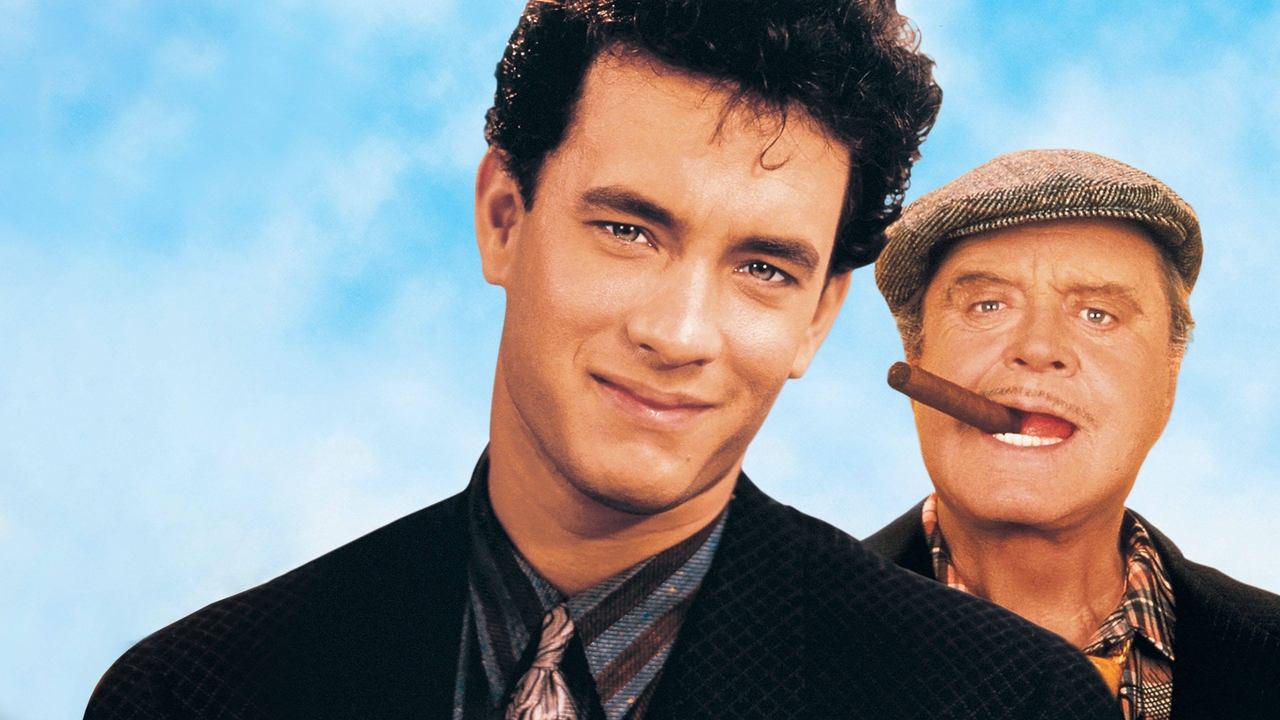
We're dropped into the fast-paced, high-stakes world of Chicago advertising alongside David Basner (Tom Hanks), a quintessential 80s success story. He's charming, witty, great at his job creating flashy campaigns, and comfortably detached from messy emotional commitments. Hanks, already demonstrating the effortless likeability that would define his career (Splash, Big), perfectly embodies the ambitious young creative on the rise. His world is one of client meetings, clever pitches, and casual relationships – a carefully constructed life designed to keep deeper feelings at arm's length. This slick portrayal of the advertising world, under the guidance of director Garry Marshall (who knew a thing or two about blending laughs and heart, later giving us Pretty Woman), feels authentically of its time, a snapshot of yuppie ambition before the cynicism fully set in.
But the sleek surface cracks when David gets blindsided by news: his parents, Lorraine (Eva Marie Saint) and Max (Jackie Gleason), are splitting up after 36 years. More pressingly, his abrasive, stubbornly old-fashioned father, Max, a lifelong garment salesman now adrift, is facing serious health problems. Suddenly, David's meticulously scheduled life is thrown into disarray, forced to confront the messy, inconvenient, and deeply buried relationship with the man he shares, seemingly, nothing in common with.

### Walking the Tightrope of Tone
What makes Nothing in Common linger is its deft navigation between these two worlds. Garry Marshall orchestrates a potentially jarring tonal shift with remarkable grace. One moment, we're chuckling at the absurdity of pitching airline campaigns with goofy slogans; the next, we're witnessing the raw, uncomfortable reality of a father and son struggling to communicate across a vast emotional chasm. It could have easily veered into schmaltz or felt disjointed, but the sincerity of the performances, particularly from the two leads, anchors the film. The screenplay, co-written by Marshall with Rick Podell and Michael Preminger, doesn't shy away from the bitterness and resentment, making the eventual moments of connection feel hard-earned and genuinely moving. It’s a balancing act that many films attempt, but few manage with such authenticity.
### A Legend's Swan Song, A Star's Turning Point
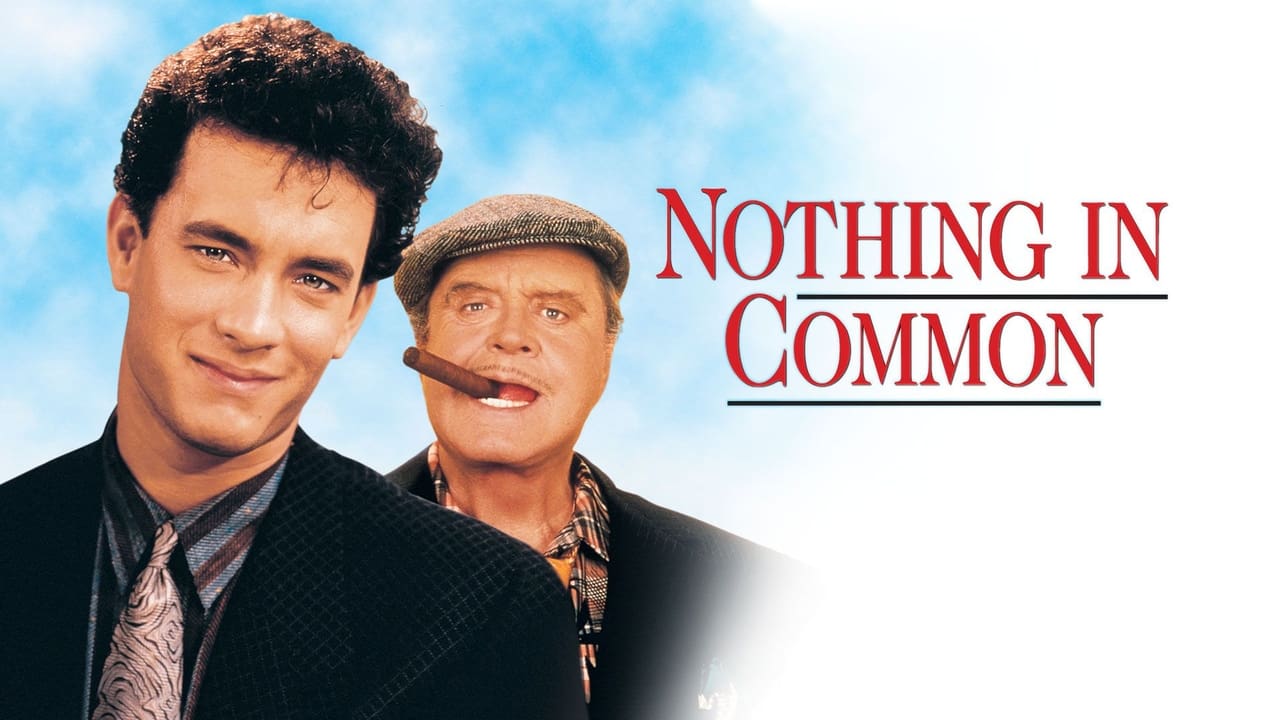
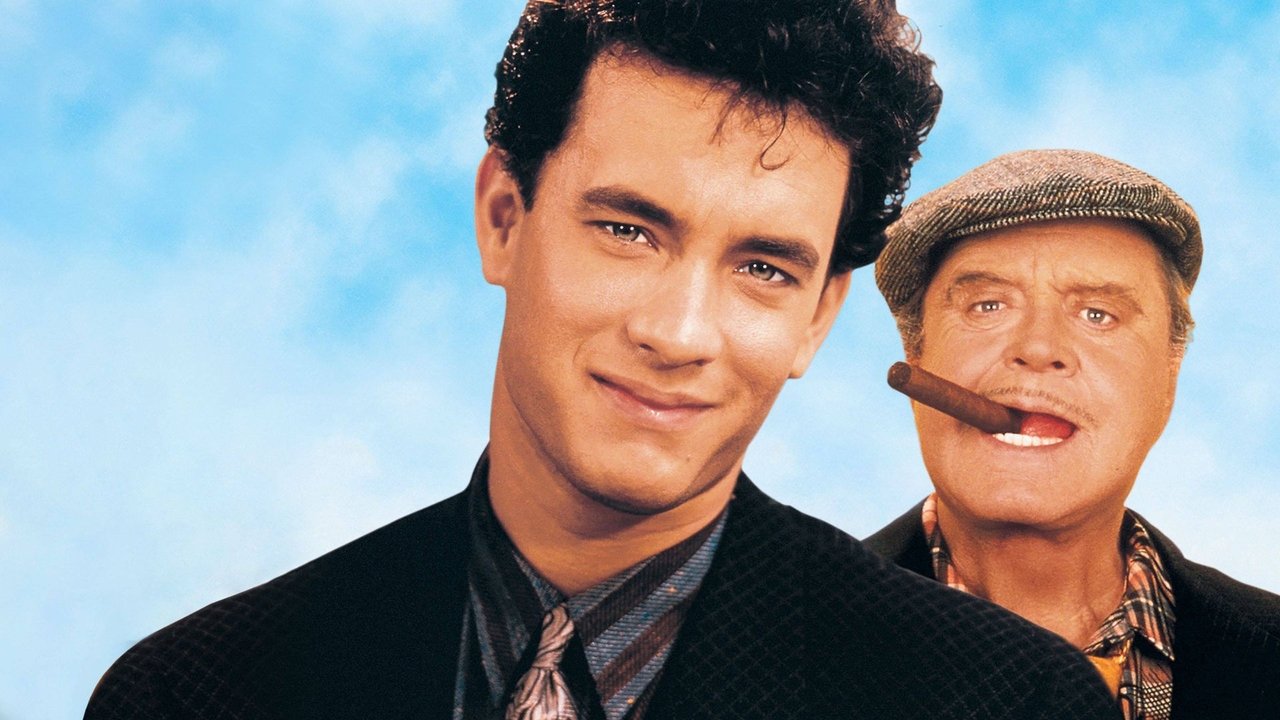
The emotional core, of course, rests on the dynamic between Hanks and Jackie Gleason. For Gleason, the larger-than-life icon of The Honeymooners, this was tragically his final film role. Knowing that he was battling the terminal cancer that would claim his life less than a year after the film's release adds an almost unbearable layer of poignancy to his portrayal of Max. Max isn't just a grumpy old man; he's facing his own obsolescence, terrified of irrelevance and mortality, masking his fear with bluster and complaints. Gleason, initially hesitant to take the part, delivers a performance stripped of vanity, imbued with a vulnerability rarely seen in his legendary career. The physical frailty we see on screen wasn't just acting; it was real, lending an undeniable power to scenes where Max confronts his limitations. It’s a performance that resonates with quiet heartbreak.
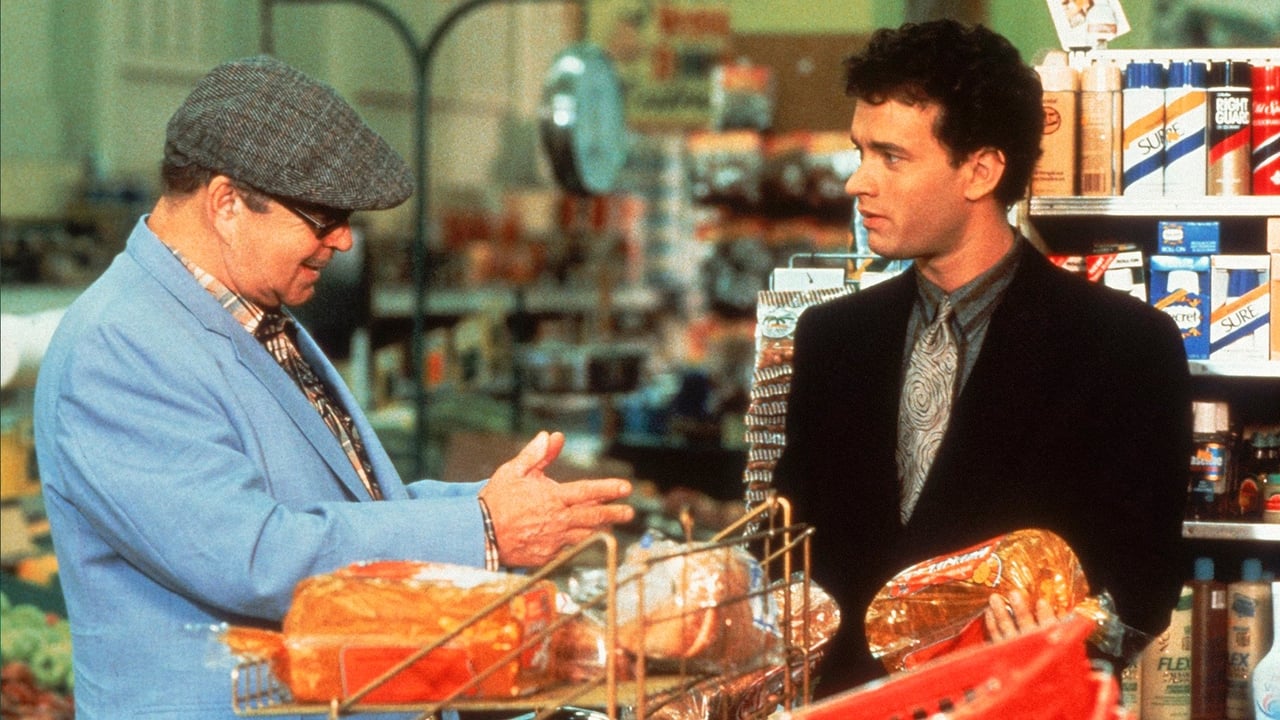
Opposite him, Hanks delivers what felt like a crucial pivot point in his career. While still effortlessly charming, he digs deeper, revealing the frustration, guilt, and reluctant affection simmering beneath David's polished exterior. The scenes where David tries, often clumsily, to care for his father – navigating doctor's appointments, hospital visits, and Max's sheer stubbornness – showcase Hanks stretching beyond pure comedy, hinting at the dramatic powerhouse he would become. Watching them together, two performers from different generations finding a prickly, believable rhythm, is the film's greatest strength. We shouldn’t overlook the wonderful Eva Marie Saint either; her portrayal of Lorraine, rediscovering herself after decades in a difficult marriage, provides a necessary counterpoint and depth.
### Echoes in the Present
Beyond the central performances, Nothing in Common touches on themes that feel remarkably contemporary. The pressure of balancing a demanding career with family obligations, the communication breakdown between generations shaped by different values and experiences, the fear of aging and dependency – these are anxieties that haven't faded with the 80s fashion. David's struggle to be present for his parents while chasing professional success feels particularly resonant in today's always-on work culture. Doesn't that pull between personal ambition and familial duty remain a central conflict for many? The film doesn't offer easy answers, but it presents the dilemma with honesty. While a short-lived TV sitcom adaptation followed in 1987, it inevitably couldn't capture the film's delicate blend of humor and pathos.
The film was a moderate success upon release, grossing around $32 million, perhaps overshadowed by more overtly escapist fare of the era. Yet, its reputation has quietly grown, recognized now as a standout piece of 80s dramedy and a significant moment for its stars.
***
VHS Heaven Rating: 8/10
Nothing in Common earns this rating through its exceptional lead performances, particularly the poignant final turn from Jackie Gleason and a career-defining step for Tom Hanks. Its brave tightrope walk between sharp comedy and heartfelt drama feels authentic, and its exploration of familial responsibility and generational disconnect remains surprisingly relevant. While some of the 80s workplace satire might feel dated, the core emotional journey is timeless and powerfully rendered.
It's a film that reminds us that beneath the surface gloss of ambition and success often lie the complicated, sometimes painful, but ultimately essential connections that define us. It doesn't just ask us to remember the 80s; it asks us to consider what truly matters, then and now.