What happens when the ground beneath your feet, the very story of who you are, shifts without warning? A Family Thing doesn't arrive with explosions or fanfare, common currency in its mid-90s release window. Instead, it begins with a quiet devastation: a letter, read after a mother's passing, revealing a truth that fundamentally alters one man's understanding of his entire existence. This 1996 drama, penned by a pre-Sling Blade fame Billy Bob Thornton and his writing partner Tom Epperson, invites us not into a spectacle, but into the profoundly uncomfortable, deeply human space of reckoning with buried family secrets and the unexpected tributaries that form the river of identity.
An Uncomfortable Inheritance
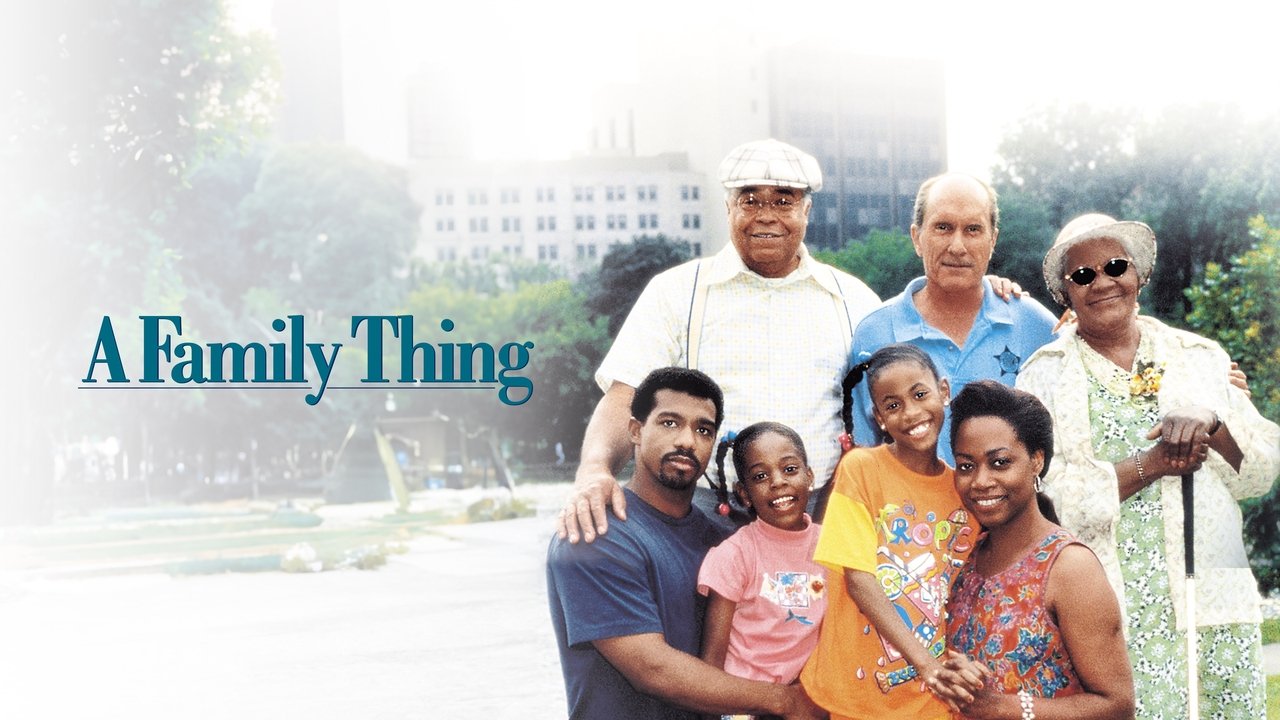
We meet Earl Pilcher Jr. (Robert Duvall), a good ol' boy running an equipment rental store in rural Arkansas. He seems content, grounded in his life, his marriage, his community. The sudden death of his mother is grief enough, but the letter she leaves behind contains a revelation that shatters his world: she was not his biological mother. His birth mother was, in fact, a Black woman who died in childbirth, and his father had entrusted him to the Pilchers to raise as their own. Furthermore, he has a Black half-brother, Ray Murdock (James Earl Jones), living in Chicago. Reeling, confused, and carrying a lifetime of unconsciously absorbed racial biases, Earl is urged by his mother’s dying wish to seek out this unknown family. What follows isn't a predictable feel-good story, but a tentative, often awkward journey into uncharted territory.
Director Richard Pearce, known for character-driven pieces like Heartland (1979) and Country (1984), brings a necessary restraint to the proceedings. He lets the discomfort breathe. There are no easy answers, no swift resolutions. Earl’s arrival in Chicago isn't met with open arms, but with suspicion and bewilderment by Ray, a city bus driver, and his understandably protective son Virgil (Michael Beach). The film wisely avoids shortcuts, allowing the characters to navigate the complexities of their situation with halting conversations, sideways glances, and moments of shared, uneasy silence. This quiet naturalism makes the eventual, fragile connections feel earned rather than manufactured.
Titans of Quiet Power
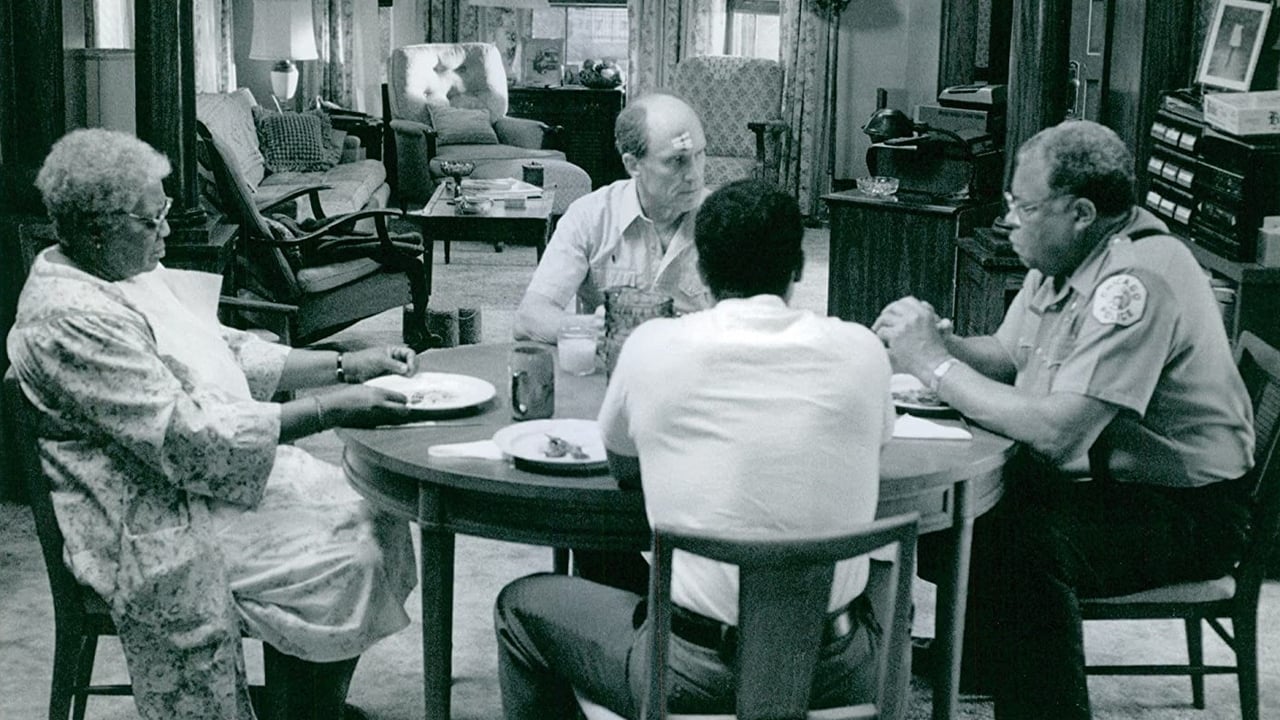
The absolute anchor of A Family Thing lies in the central performances. Robert Duvall, whose own production company Butchers Run Films championed this project, is masterful as Earl. He doesn't play Earl as a caricature of a Southerner suddenly reformed; instead, he portrays a man visibly wrestling with ingrained prejudice, confusion, and a dawning awareness of a shared humanity he never conceived of. His discomfort is palpable, his gradual thawing utterly believable. It's a performance built on subtle shifts in expression and posture, a masterclass in internalized conflict.
Opposite him, James Earl Jones delivers one of his finest, most understated screen performances as Ray. Stripped of the booming pronouncements often associated with his iconic voice work, Jones embodies Ray's weary dignity, his quiet strength, and his deep-seated pain from a past he only partly understands. The initial scenes between Duvall and Jones are thick with tension, a cautious dance around decades of unspoken history and societal division. Watching these two legends share the screen, navigating such delicate emotional terrain, is the film's greatest reward. Their chemistry isn't explosive; it's a slow burn built on mutual respect, tentative understanding, and the shared weight of their parents' choices.
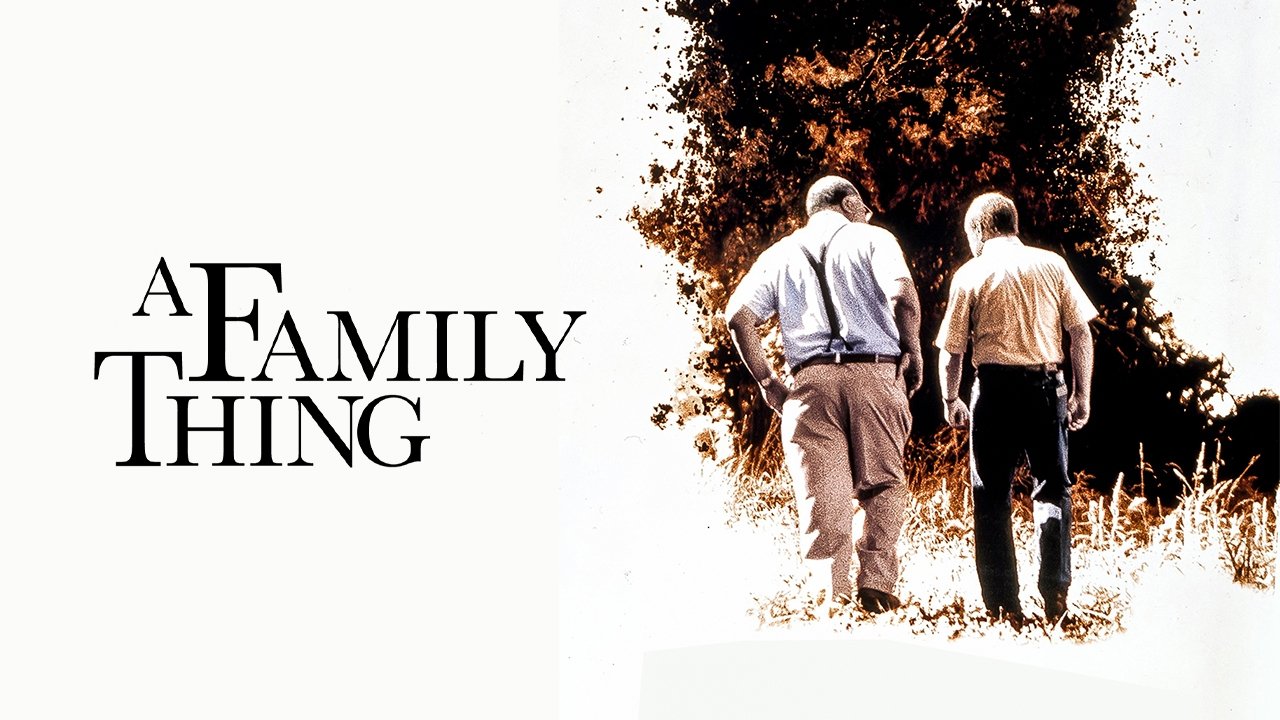
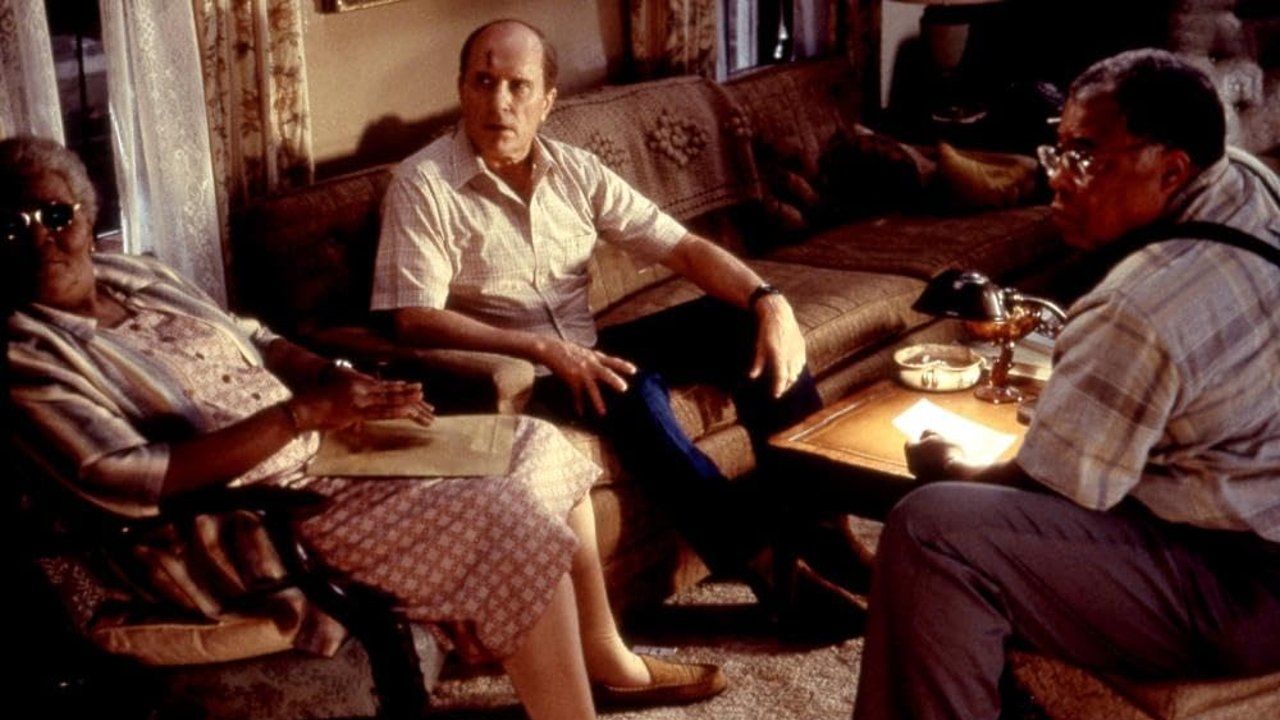
And one cannot overlook the magnificent Irma P. Hall as Aunt T., Ray's blind, wise, and fiercely loving aunt. She serves as the family's emotional compass and historian, delivering truths with a blend of warmth and unwavering directness. Hall steals every scene she's in, providing not just exposition but the film's soulful center. Her presence is a grounding force, reminding both Earl and the audience of the deep roots and enduring strength of the family he's stumbled into.
A Writer's Touch, A Human Story
The screenplay by Billy Bob Thornton and Tom Epperson, who had previously collaborated on the brilliant neo-noir One False Move (1992), showcases their talent for crafting authentic dialogue and exploring complex themes without resorting to sentimentality. This film feels cut from the same cloth of lived-in reality, focusing on character and atmosphere over plot machinations. It's fascinating to see Thornton tackling these themes of Southern identity and hidden histories just before his own Sling Blade (released later the same year) would catapult him to stardom. A Family Thing might not have been a box office smash – earning back its modest estimated $10 million budget but not much more – yet its thoughtful script resonated with critics (Roger Ebert notably awarded it 3.5 stars) and those viewers who discovered it, perhaps nestled on the "New Releases" shelf at the local video store.
Seeing it again now, that faded VHS tape feels like a perfect vessel for this kind of story. It’s not loud or flashy; it requires you to lean in, to listen to the silences. It’s the kind of film that might have been easily overlooked amidst the bigger studio releases of the era, but finding it felt like uncovering something genuine. I remember renting it back then, drawn by the promise of Duvall and Jones, and being struck by its quiet integrity – a quality that feels even rarer today. Does its handling of racial dynamics feel entirely contemporary? Perhaps not in every nuance, but its core message about confronting prejudice through personal connection remains potent.
Rating: 8/10
A Family Thing earns its 8 out of 10 for its exceptional lead performances, its sensitive and intelligent script, and its willingness to tackle difficult themes with grace and restraint. While its pacing is deliberate and it avoids easy emotional payoffs, its quiet power lies in its authenticity and the deeply felt humanity of its characters. It doesn't offer grand solutions, but portrays the messy, complicated, and ultimately rewarding process of discovering family in the most unexpected of places.
It leaves you pondering not just the secrets families keep, but the bridges that can be built, however tentatively, across divides we never thought possible to cross. A true gem from the 90s drama VHS shelf.