Here we go, popping another well-loved tape into the VCR... Remember that feeling? The satisfying clunk, the whirring start? Some films just feel like settling in with old friends, even if those friends are a whirlwind of captivating chaos. That's precisely the sensation evoked by Mermaids (1990), a film that arrived just as the 80s gave way to the 90s, carrying a nostalgic glow for an even earlier era – the cusp of 1963. It presents a portrait of family that’s less Norman Rockwell and more… well, wonderfully weird, aquatic sprites temporarily stranded on dry land.

Meet the Flax Fleet
At the heart of Mermaids is the Flax family, perpetually relocating whenever matriarch Rachel Flax (Cher) decides it's time for a fresh start – usually precipitated by a messy romantic entanglement. Mrs. Flax is a force of nature: glamorous, fiercely independent, deeply unconventional, and seemingly allergic to anything resembling permanence or traditional domesticity. Her approach to parenting is as unique as her hors d'oeuvres (finger foods only, please). Trailing in her wake are her two daughters: the devout, dramatic, and deeply conflicted teenager Charlotte (Winona Ryder), and the quietly observant, swimming-obsessed youngster Kate (Christina Ricci, in a remarkably assured feature film debut). Their arrival in small-town Eastport, Massachusetts, sets the stage for yet another chapter of adaptation, attraction, and adolescent angst.
Currents of Conflict and Connection
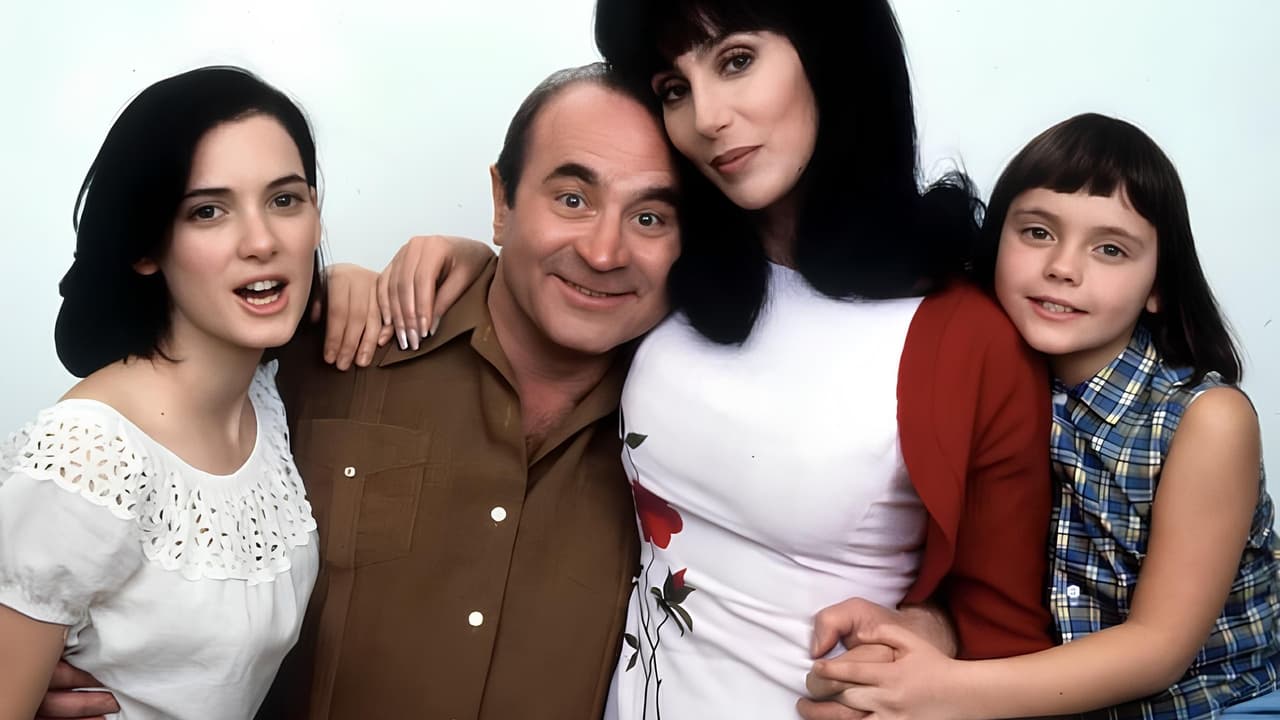
What makes Mermaids swim rather than sink is the genuine, albeit turbulent, affection that underpins the Flax family dynamic. Cher embodies Rachel with a magnetic blend of flamboyant confidence and hidden vulnerability. She’s a mother who loves her daughters fiercely but struggles to provide the stability they crave, perhaps because she’s never quite found it herself. It’s a performance that feels lived-in, radiating star power while grounding Rachel in relatable flaws. Opposite her, Winona Ryder delivers a performance that became instantly iconic for a generation of young viewers grappling with their own identities. Charlotte’s intense internal struggle – torn between her burgeoning desires, her fascination with Catholicism (despite being Jewish), and her complicated relationship with her mother – is rendered with raw honesty and endearing awkwardness. Ryder captures that specific teenage frequency of feeling everything so intensely.
It’s fascinating to remember the slight turbulence behind the scenes getting this chemistry right. The film famously cycled through two directors (Lasse Hallström and Frank Oz) before Richard Benjamin (My Favorite Year) stepped in, reportedly due to creative differences with Cher. And Winona Ryder herself replaced the originally cast Emily Lloyd; while unfortunate for Lloyd, it's hard now to imagine anyone else capturing Charlotte's particular mix of piety and passion so perfectly. Ryder earned a Golden Globe nomination for her work here, solidifying her place as a defining actress of the era, fresh off intense roles in Heathers (1989) and sharing the screen with Cher just before her turn in Edward Scissorhands (1990).
Adding warmth and stability to this swirling vortex is Bob Hoskins as Lou Landsky, the kindhearted shoe store owner who becomes Rachel's unlikely love interest. Hoskins, often known for tougher roles like in The Long Good Friday (1980) or Who Framed Roger Rabbit (1988), is utterly charming here. His gentle patience and genuine affection for Rachel, and indeed the entire Flax family, provide an essential anchor. The scenes between Cher and Hoskins crackle with an easy, believable chemistry – two guarded individuals slowly letting their defenses down.
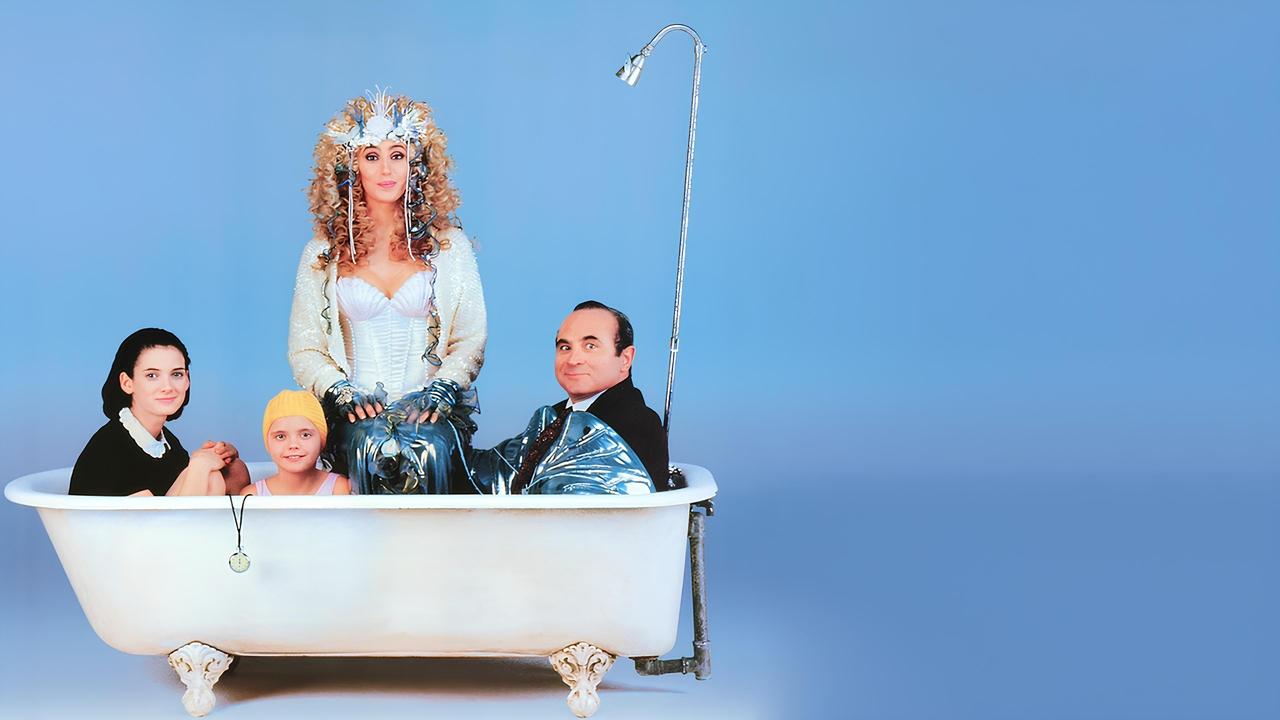
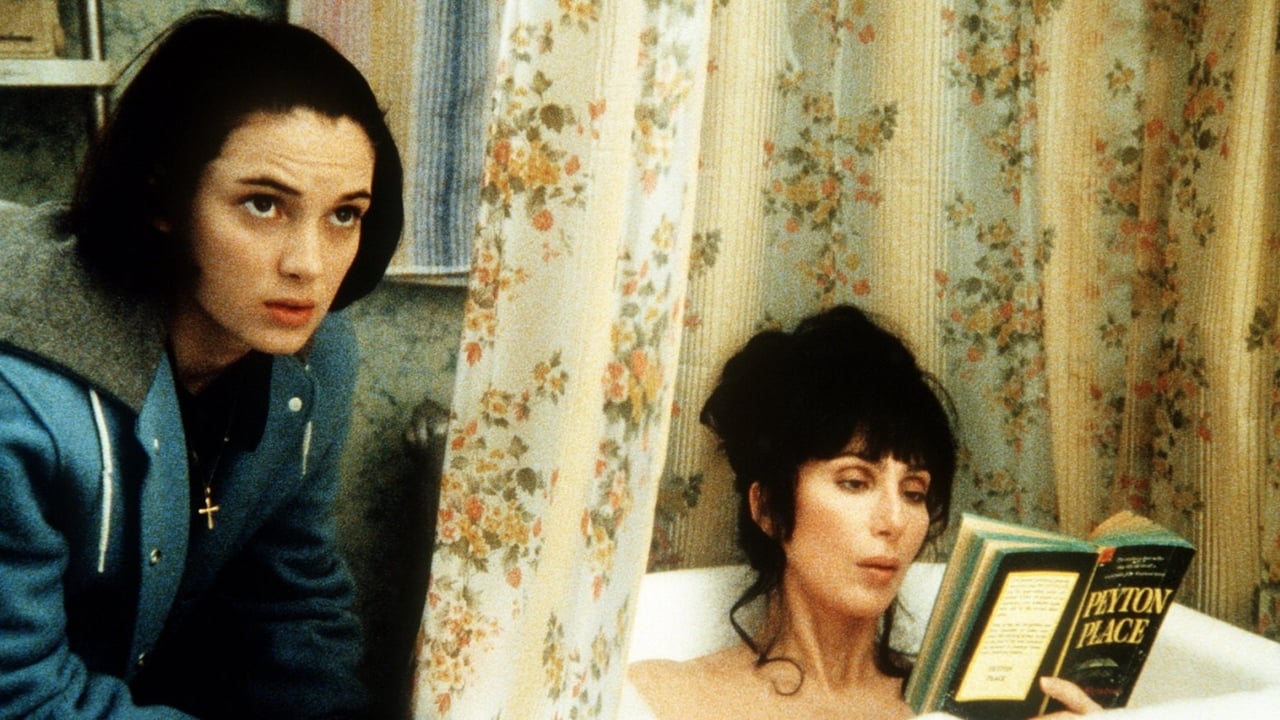
Setting the Scene: 1963 Through a 1990 Lens
Director Richard Benjamin does a lovely job capturing the specific atmosphere of late 1963 – a moment brimming with innocence yet poised on the edge of massive cultural shifts. The production design, the costumes, the soundtrack... it all feels authentic without being overly mannered. Filmed on location in Massachusetts towns like Ipswich, the film has a tangible sense of place. Remember the visual palette? Slightly muted, comfortable, like a faded photograph brought to life. And speaking of the soundtrack, who could forget it? It was almost as big as the movie, buoyed by Cher's incredibly catchy cover of "The Shoop Shoop Song (It's in His Kiss)," which became a massive international hit, proving that sometimes, the right song at the right time can give a film a whole second life on the airwaves.
More Than Just Quirky Charm
Beneath the witty dialogue and eccentricities, Mermaids delves into surprisingly resonant themes. It's a coming-of-age story not just for Charlotte, navigating her confusing desires and spiritual explorations, but arguably for Rachel too, who must confront the consequences of her nomadic lifestyle and perhaps, finally, allow herself to plant some roots. The film, adapted by June Roberts from Patty Dann's novel (which apparently had a darker tone), explores the complexities of mother-daughter relationships with honesty. That push-and-pull between wanting independence and needing maternal connection? It feels incredibly real here, even amidst the stylised period setting and Rachel's flamboyant personality. How does a daughter forge her own identity when her mother is such an overwhelming, unconventional presence? It's a question the film poses thoughtfully.
[Spoiler Alert!] Even the near-tragedy that strikes late in the film, involving Kate, serves as a crucial catalyst. It forces the characters, particularly Rachel and Charlotte, to confront their patterns and truly see each other. It’s a moment that deepens the narrative beyond lighthearted dramedy, reminding us that even the most whimsical lives aren't immune to harsh realities.
The Lasting Ripple
Watching Mermaids today feels like revisiting a fond memory. It’s warm, funny, and deeply felt, capturing a specific blend of 90s filmmaking sensibilities applied to a 60s setting. The performances remain outstanding, particularly Ryder’s encapsulation of teenage turmoil and Cher’s inimitable star quality. It wasn't a colossal blockbuster ($35.4 million US gross on a modest budget), but it found its audience and became a beloved staple on video store shelves – the kind of movie you'd happily rent again and again. It perfectly balances humor and heart, eccentricity and emotion. What lingers most is the feeling of a family defined not by convention, but by an enduring, if imperfect, love. Doesn't that feel more real, somehow?
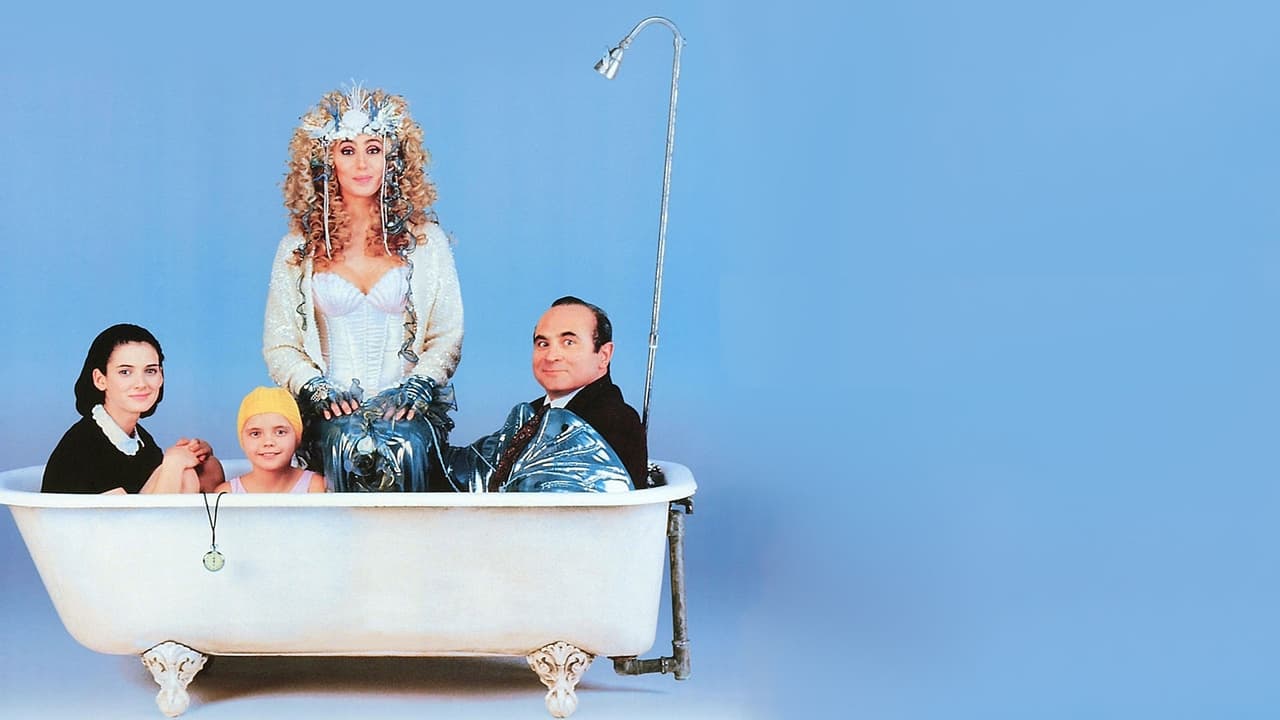
Rating: 8/10
This score reflects the film's exceptional performances, particularly from Cher and Winona Ryder, its charming atmosphere, witty script, and the genuine warmth it exudes. The slightly episodic nature and the sometimes-convenient plot turns keep it from perfection, but its core emotional intelligence and endearing characters make it a standout dramedy of the era, more than justifying its place in our VHS Heaven library.
It leaves you thinking about the messy, beautiful reality of family ties, and perhaps humming "The Shoop Shoop Song" for days afterwards. A truly memorable current in the stream of 90s cinema.