It doesn't always announce itself with explosions or dramatic pronouncements. Sometimes, truth arrives quietly, dressed in an ill-fitting tuxedo, carrying the weight of unspoken insecurities. That’s the feeling that lingers after revisiting Angus (1995), a film that navigated the treacherous waters of 90s high school cinema with a sincerity that feels both rare for its time and surprisingly resonant today. It wasn't the loudest voice in the video store aisle, often overshadowed by slicker, more formulaic teen fare, but for those of us who picked up that tape, perhaps drawn by the familiar faces of Kathy Bates and George C. Scott on the cover, Angus offered something unexpectedly substantial.
More Than Just the Fat Kid
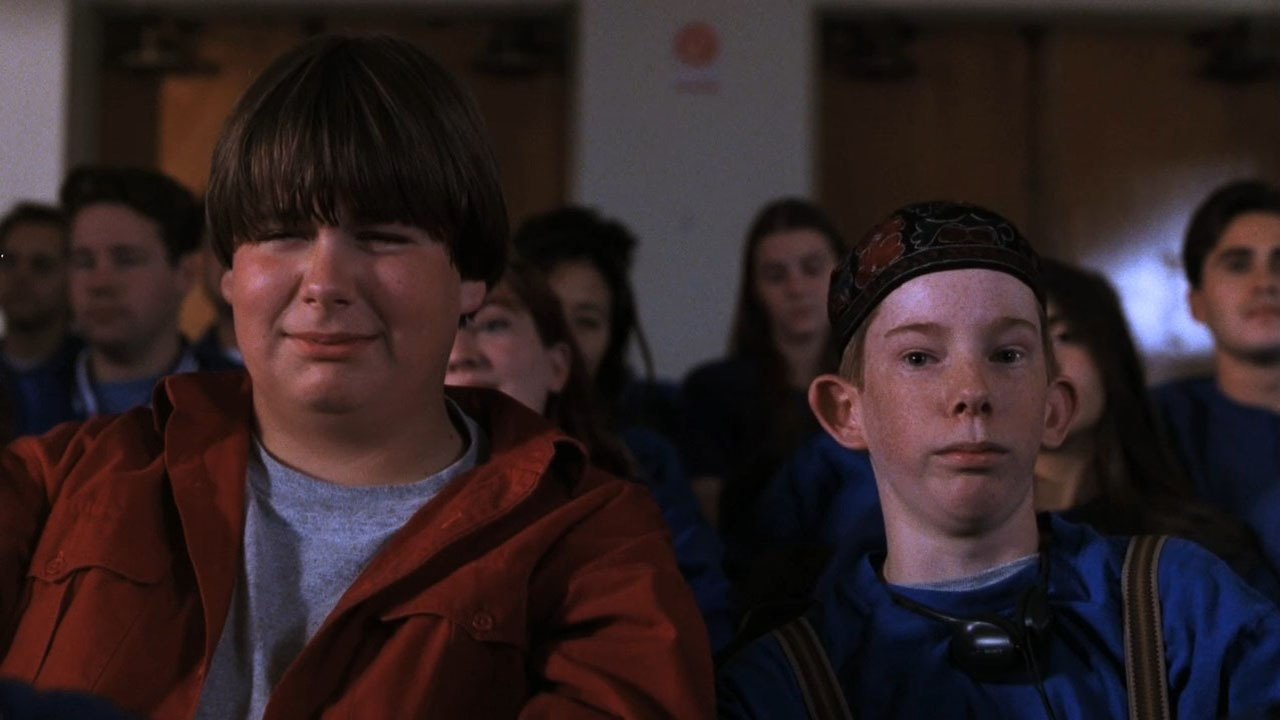
At its core, Angus presents a familiar landscape: the American high school, a battleground of cliques, cruelty, and awkward awakenings. Angus Bethune, played with remarkable authenticity by Charlie Talbert, is intelligent, scientifically gifted, and carries the physical burden of being overweight in an environment that prizes conformity. He’s relentlessly targeted by the requisite handsome jock bully, Rick Sanford (James Van Der Beek in an early role, perfecting that sneer long before Dawson's Creek), and pines for the popular Melissa Lefevre (Ariana Richards, post-Jurassic Park). The setup feels standard, but the film, directed by Patrick Read Johnson (who later brought us the Star Wars fan tribute 5-25-77), consistently aims for something deeper than caricature.
The script, adapted by Jill Gordon from a short story by Chris Crutcher (an author known for tackling tough teen issues), refuses to let Angus be defined solely by his weight or victimhood. Yes, the bullying is brutal and hard to watch, reflecting a casual cruelty many of us remember from our own school days, but Angus possesses an inner strength and intellect that shine through. It’s a narrative less about transformation into something acceptable, and more about the courage to be oneself, even when the world demands otherwise.
Anchors of Gravitas
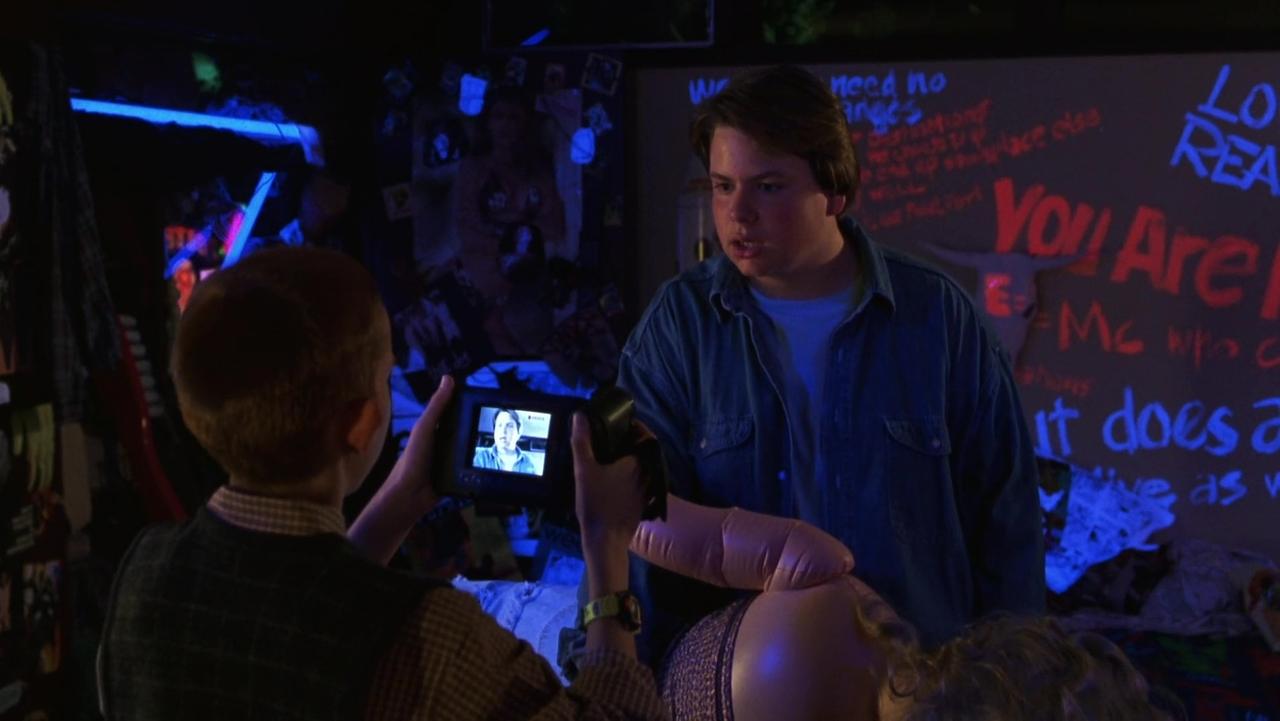
What truly elevates Angus beyond the typical after-school special territory are the powerhouse performances anchoring the young protagonist. Kathy Bates, fresh off her chilling turn in Misery (1990) and delivering warmth in Fried Green Tomatoes (1991), is Meg, Angus's resilient mother. She’s a truck driver, unconventional and fiercely protective, embodying a working-class grit and unconditional love that feels utterly genuine. Her scenes provide not just emotional support for Angus, but a grounding realism for the entire film.
And then there’s George C. Scott as Grandpa Ivan. In one of his final major film roles, the legendary actor, forever immortalized as Patton (1970), brings a lifetime of weary wisdom and cantankerous charm. His advice to Angus – "Screw 'em" – is more than just a pithy line; it's a philosophy born of experience, delivered with that unmistakable Scott gravitas. The interactions between Angus and his grandfather are the film's heartbeats, moments of profound intergenerational connection that explore masculinity, courage, and mortality with surprising depth. Scott’s presence lends the film a weight it might otherwise have lacked, reminding us that the struggles of youth are part of a much larger human story.
Finding Authenticity Amidst the Angst
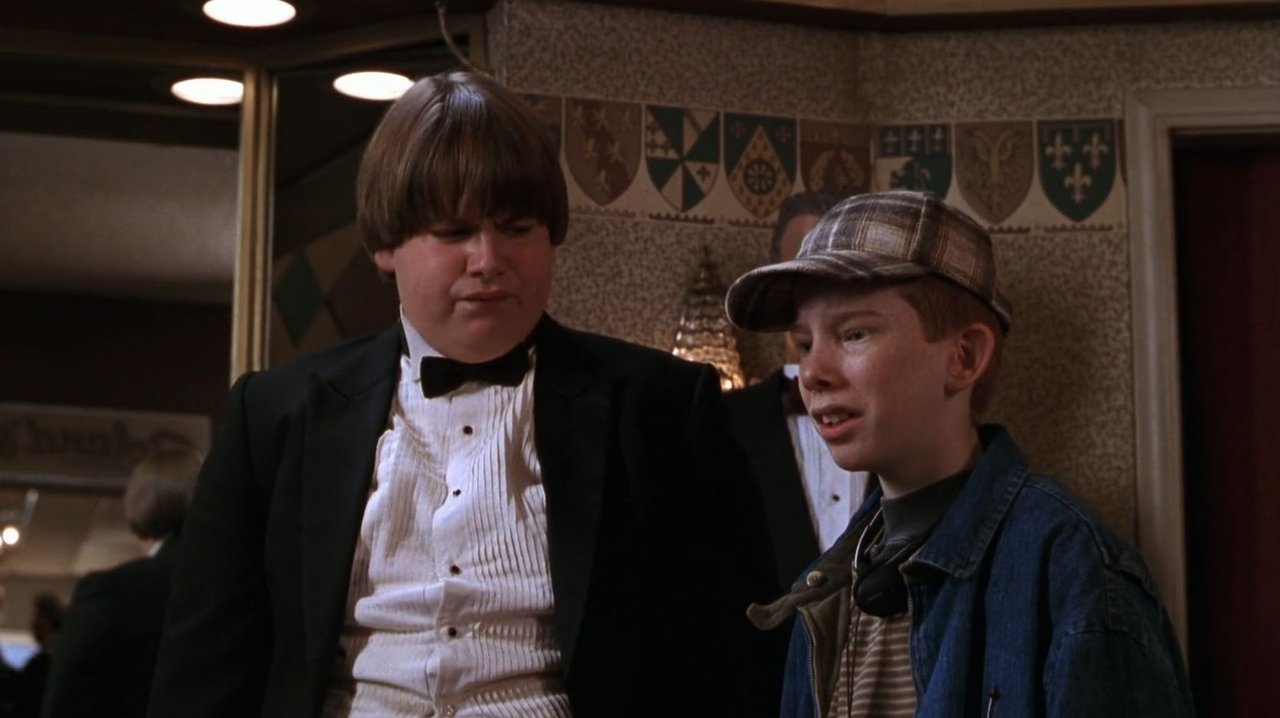
Charlie Talbert himself is key to the film's success. Reportedly discovered during a nationwide casting call, Talbert wasn't a seasoned actor, and that lack of polish works entirely in the film's favor. He feels like a real teenager grappling with real insecurities, not a Hollywood invention. There’s a vulnerability in his eyes, a quiet intelligence in his observations, that makes Angus instantly relatable, even if you didn't share his specific struggles. It’s a performance that underscores the film’s central theme: finding dignity not in changing who you are, but in embracing it. It's a shame Talbert didn't pursue a more extensive acting career; his presence here is unique and memorable.
Retro Fun Facts: A Tougher Road
Getting Angus to the screen wasn't entirely smooth sailing. There was apparently some studio nervousness about how to market a film centered on an overweight protagonist that wasn't purely slapstick, potentially even considering title changes. More significantly, the filmmakers reportedly fought battles with the MPAA over language and thematic elements – particularly the frankness about bullying and sexuality – to secure the desired PG-13 rating without sanitizing the story completely. This struggle perhaps reflects the film's own identity: caught between the desire for broad appeal and the need to tell an honest story. It's a film that cost a modest $1.5 million to make and saw a similarly modest return ($4.8 million gross), cementing its status as more of a cherished find than a blockbuster hit – something many of us discovered tucked away on the rental shelves. And let's not forget that quintessential mid-90s alternative rock soundtrack featuring Green Day, Weezer, and the Goo Goo Dolls – it instantly transports you back.
Does It Hold Up?
Watching Angus today, some elements inevitably feel dated – the fashion, the specific high school archetypes. The narrative beats occasionally dip into predictable territory. Yet, the core emotional honesty remains potent. The film’s refusal to offer easy answers or a magical transformation feels more mature than many of its contemporaries. It acknowledges that standing up for yourself doesn't magically erase pain or insecurity, but it is, in itself, a victory. The questions it raises about acceptance, societal pressure, and finding strength in vulnerability are, sadly, timeless. Doesn’t Angus’s quiet defiance resonate with the challenges we still face in navigating social expectations?
Rating: 7.5/10
This rating reflects Angus's undeniable heart, powerful supporting performances from Bates and Scott, and Talbert's authentic portrayal of the lead. It successfully transcends many teen movie clichés to deliver moments of genuine emotional depth and a worthwhile message. While certain plot elements follow familiar paths and its modest scope might not scream "masterpiece," its sincerity and refusal to compromise its core message earn it significant points. It’s a film that feels more thoughtful and grounded than its initial premise might suggest.
Angus remains a poignant reminder from the VHS era that sometimes the most compelling stories aren't about the heroes who fit in, but about the ones who find the courage not to. It leaves you pondering not just the cruelty of youth, but the quiet, enduring strength required to simply be yourself.