There’s a specific kind of loneliness that felt unique to the pre-internet suburbs, wasn't there? That quiet hum of conformity, the feeling of being surrounded yet utterly unseen. It’s into this landscape of muted desperation that Allan Moyle’s 1990 film Pump Up the Volume drops its needle, unleashing a voice that cuts through the static like a razor. The voice belongs to "Hard Harry," a pirate radio DJ whose nightly broadcasts become a primal scream for the alienated youth of Hubert Humphrey High, even as the boy behind the mic, Mark Hunter, remains painfully invisible by day.
The Shadow and the Shout
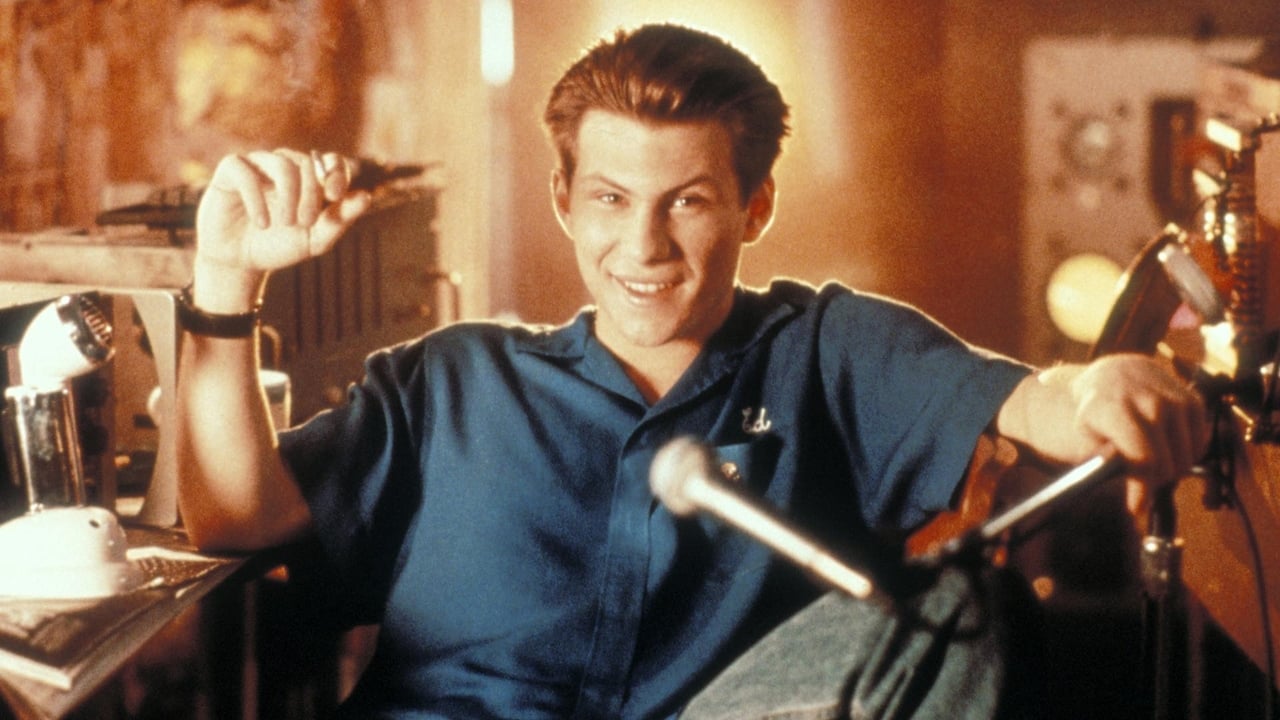
At the heart of the film pulses Christian Slater’s unforgettable performance as Mark/Harry. Fresh off his star-making turn in Heathers, Slater solidified his status as the thinking teen’s rebel icon here. It's a performance that brilliantly captures the dichotomy: the cripplingly shy, observant Mark versus the profane, charismatic, and dangerously honest Hard Harry. Slater borrows liberally from Jack Nicholson's swagger, yes, but there’s a raw vulnerability beneath the borrowed bravado that feels entirely his own. Watching him hunched over his makeshift console in that dimly lit basement, unleashing torrents of angst and insight, you believe completely in the catharsis he finds – and offers – over the airwaves. Moyle, who also penned the sharp script, reportedly drew inspiration from observing the rise of pirate radio and the way kids used music and broadcasts to carve out their own spaces. It feels authentic, grounded in a specific time but tapping into universal feelings.
Beneath the Surface of Suburbia
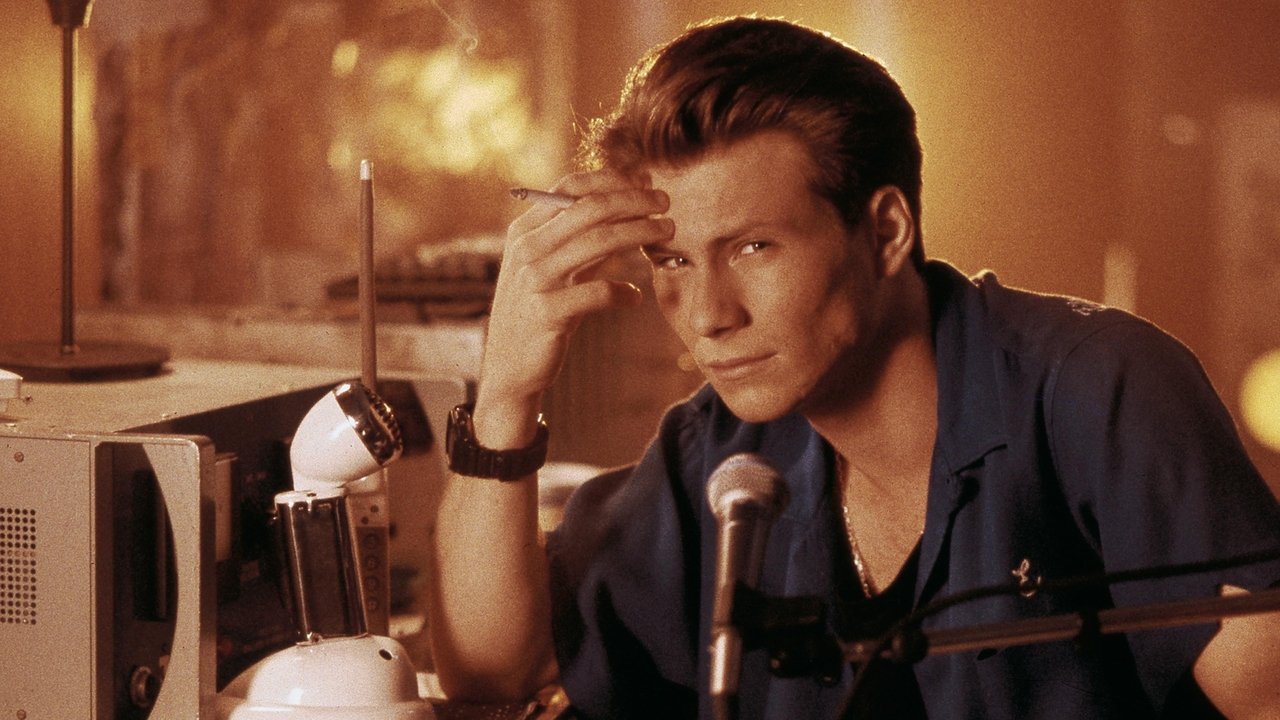
The target of Harry’s nightly diatribes is the suffocating hypocrisy of the adult world, embodied by the school administration led by the increasingly desperate Principal Creswood (Scott Paulin). The film doesn't paint the adults as mustache-twirling villains (well, mostly not), but rather as figures invested in maintaining a fragile, often dishonest, order. When Hard Harry starts peeling back the layers – exposing cheating scandals, offering frank advice on sex, and most crucially, giving voice to suicidal despair – he becomes a threat not just to authority, but to the carefully constructed facade of normalcy. It’s here that Samantha Mathis, in an early and luminous role as Nora Diniro, enters the picture. She’s not just a love interest; she’s the listener who truly hears Mark, piecing together the identity of the phantom DJ and ultimately becoming his confidante and accomplice. Her intelligence and quiet determination provide a vital counterpoint to Mark's explosive broadcasts.
An Anthem for the Disenfranchised
What truly cements Pump Up the Volume in the annals of beloved 90s cinema is its atmosphere, heavily driven by its killer soundtrack. Featuring the likes of the Pixies, Soundgarden, Sonic Youth, and Leonard Cohen (whose "Everybody Knows" becomes a haunting motif), the music isn't just background noise; it is the rebellion. Moyle masterfully weaves these tracks into the narrative, amplifying the sense of disillusionment and the burgeoning counter-culture energy. This commitment to sonic authenticity was core to the film's identity, helping it connect deeply with its target audience despite a modest initial box office return (grossing roughly $11.5 million against an $11 million budget – barely breaking even, but finding its true success on home video). Remember seeing that tape cover, with Slater's intense gaze, practically daring you to press play? It became a fixture in many a VCR.

Retro Fun Facts & Lasting Static
- The film's tagline, "Talk Hard," perfectly encapsulated its defiant spirit.
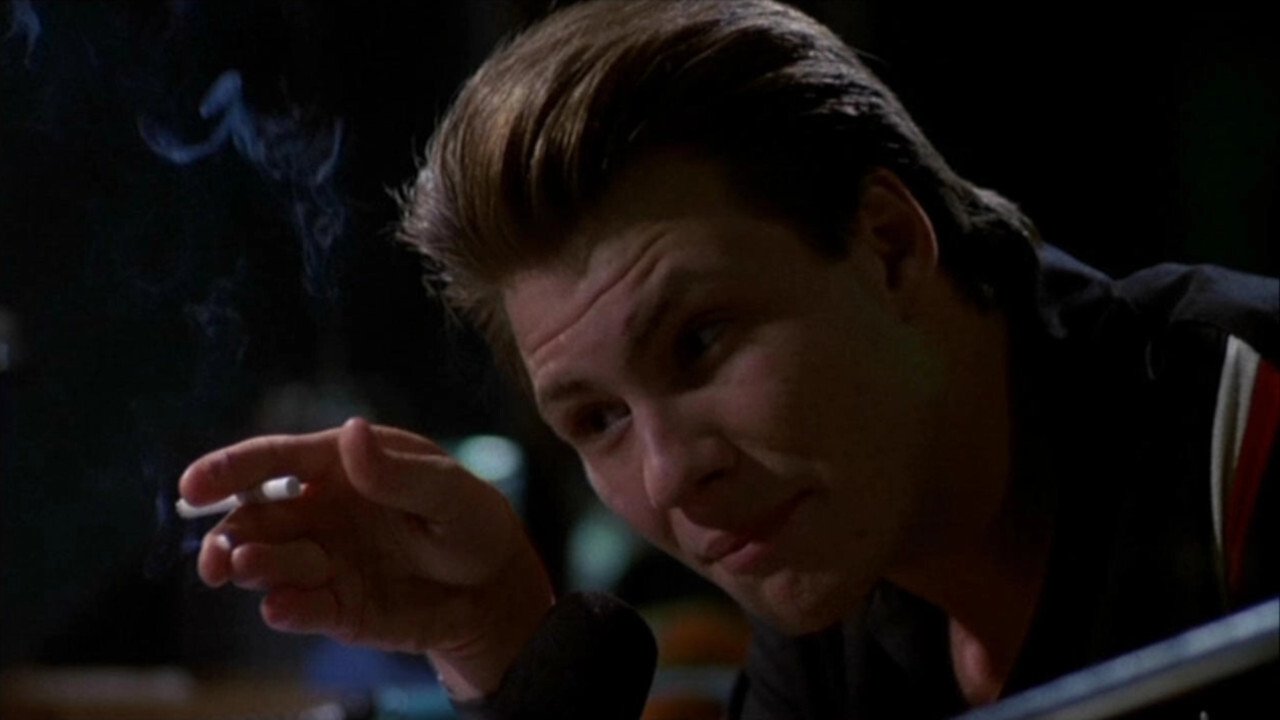
- While Slater’s performance feels iconic now, Moyle captured a specific, potent moment in the young actor's career trajectory.
- Filmed primarily in Saugus, California, the locations effectively convey the sense of sprawling, anonymous suburbia that Hard Harry rails against.
- The film faced some scrutiny for its mature themes and language, earning its R rating, which felt daringly appropriate for its subject matter at the time. Initial critical reviews were generally positive, particularly praising Slater and the film's timely themes, but its true legacy was built through word-of-mouth and countless VHS rentals.
- Interestingly, director Allan Moyle would revisit themes of youth culture, music, and finding identity in another beloved cult classic a few years later: Empire Records (1995). You can feel the shared DNA between the two films.
The Message Lingers
Watching Pump Up the Volume today, what strikes hardest is how relevant its core message remains. In an era before widespread internet access, Hard Harry's pirate radio show was a lifeline, a way for isolated kids to realize they weren't alone. Doesn't that resonate even more profoundly now, in our hyper-connected yet often deeply isolating digital age? The technology has changed, but the yearning for authentic connection, the frustration with hypocrisy, and the courage it takes to speak truth to power – these things endure. The film isn't just a time capsule of early 90s angst; it’s a powerful exploration of finding your voice, even when you're whispering into a microphone in a dark basement, hoping someone out there is listening. It asks us, ultimately, what responsibility comes with having a platform, however small.

Rating: 9/10
This score reflects the film's powerful lead performance, its resonant themes that transcend their era, an absolutely killer soundtrack that defines its mood, and its enduring status as a defining cult classic of the early 90s. While some supporting elements might feel a touch dated, the core message and Christian Slater's raw energy remain incredibly potent.
Pump Up the Volume crackles with the energy of youthful rebellion and the profound loneliness it often masks, leaving you with the echo of Hard Harry's sign-off: "Talk hard." It’s a reminder that sometimes, the quietest voices have the most to say.