Okay, slide that worn copy of Empire Records into the VCR, adjust the tracking if you need to (you probably do), and let's talk about a film that bombed harder than a lead balloon on release but somehow became the retail-angst spirit animal for a generation. Landing in 1995, this movie felt less like a tightly plotted narrative and more like hanging out for a particularly chaotic day with the coolest minimum-wage workers you never knew.

Remember that feeling? Walking into a real record store – the smell of vinyl and cardboard, the posters plastered everywhere, the promise of discovering your next favourite band tucked away in the racks? Empire Records bottled that sensation, even if the bottle itself was a bit cracked and leaking teenage melodrama all over the counter. It wasn’t just a location; it was a character, a sanctuary against the encroaching beige-ness of corporate chains like Music Town, the film’s looming antagonist.
One Crazy Day on Delaware Route 4
The setup is pure youthful rebellion mixed with questionable financial decisions. Lucas (Rory Cochrane, bringing that perfect slacker cool he honed in Dazed and Confused), discovers the independent Empire Records is about to be sold to the soulless Music Town chain. His solution? Take the store's $9,000 deposit to Atlantic City and... well, let’s just say his gambling skills aren't exactly sharp. This single act of glorious idiocy sets the stage for 24 hours of frantic fundraising, personal crises, and the arrival of faded pop idol Rex Manning (Maxwell Caulfield, chewing scenery with delightful smarm).
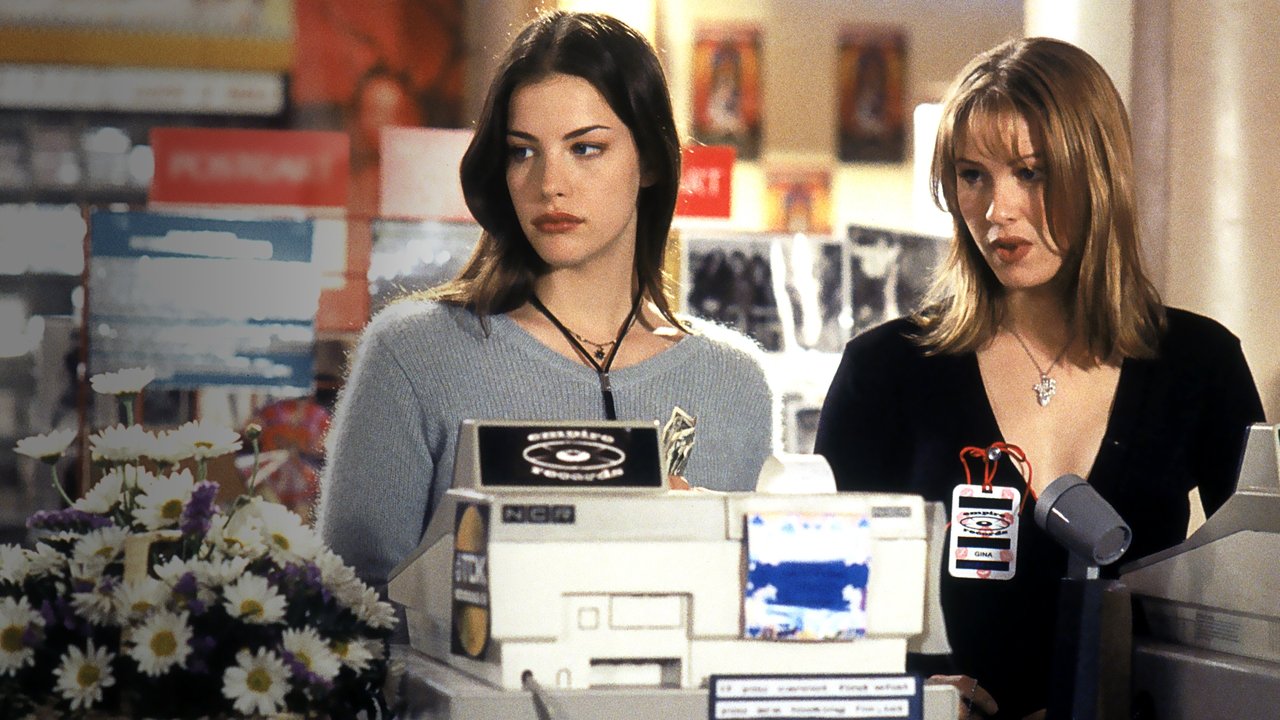
It’s amazing this film even got made, considering its bumpy ride. Writer Carol Heikkinen based the script on her own experiences working at a Tower Records, injecting authentic details. However, the studio reportedly pushed for significant changes, cutting nearly 40 minutes and softening some of the darker elements originally planned, like Deb's (Robin Tunney) suicide attempt being more graphic. You can almost feel those edits sometimes, like phantom limbs of a slightly grittier movie lurking beneath the surface.
The Coolest Staff You Never Worked With
What truly makes Empire Records endure isn't the plot (which is thinner than Rex Manning's artistic credibility), but the ensemble cast. This was a launching pad or early showcase for so many familiar faces. Liv Tyler glows as Corey, the seemingly perfect good girl grappling with ambition and pills. A pre-Bridget Jones Renée Zellweger sizzles as the rebellious Gina. Ethan Embry nails the goofy, energetic Mark, dreaming of rock stardom with his band. And Johnny Whitworth provides the sensitive artist counterpoint as A.J., hopelessly smitten with Corey.
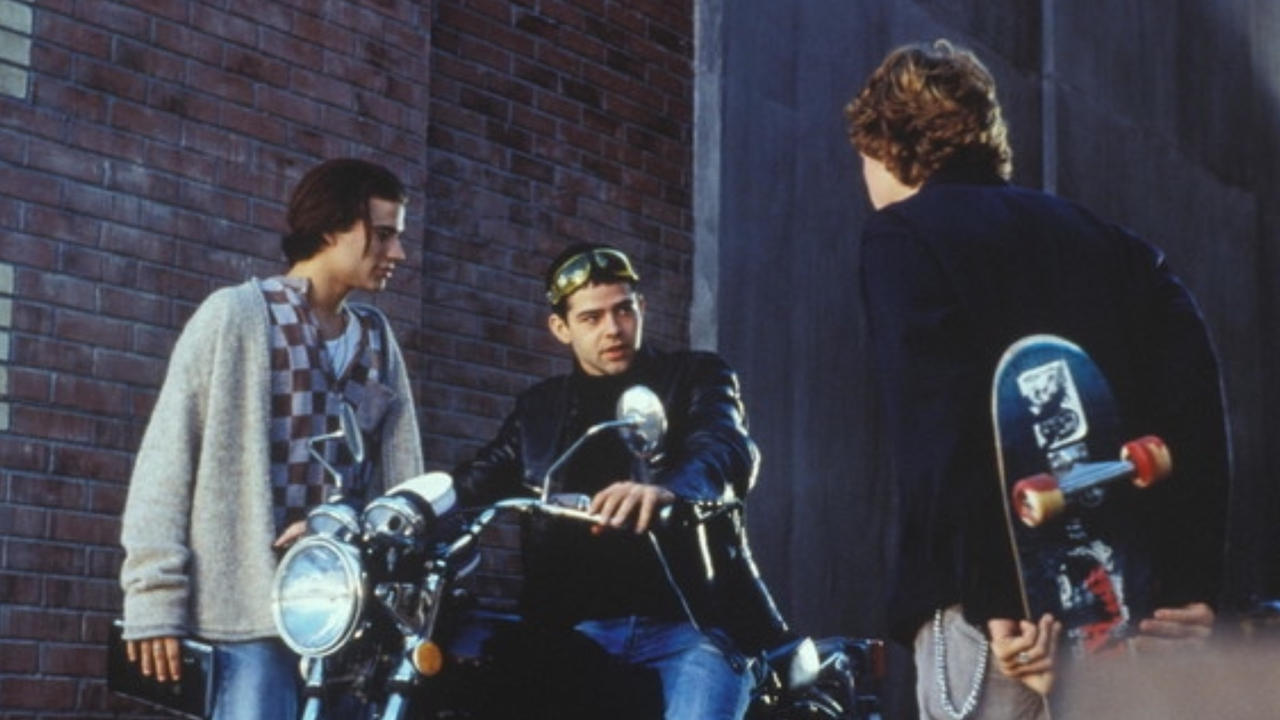
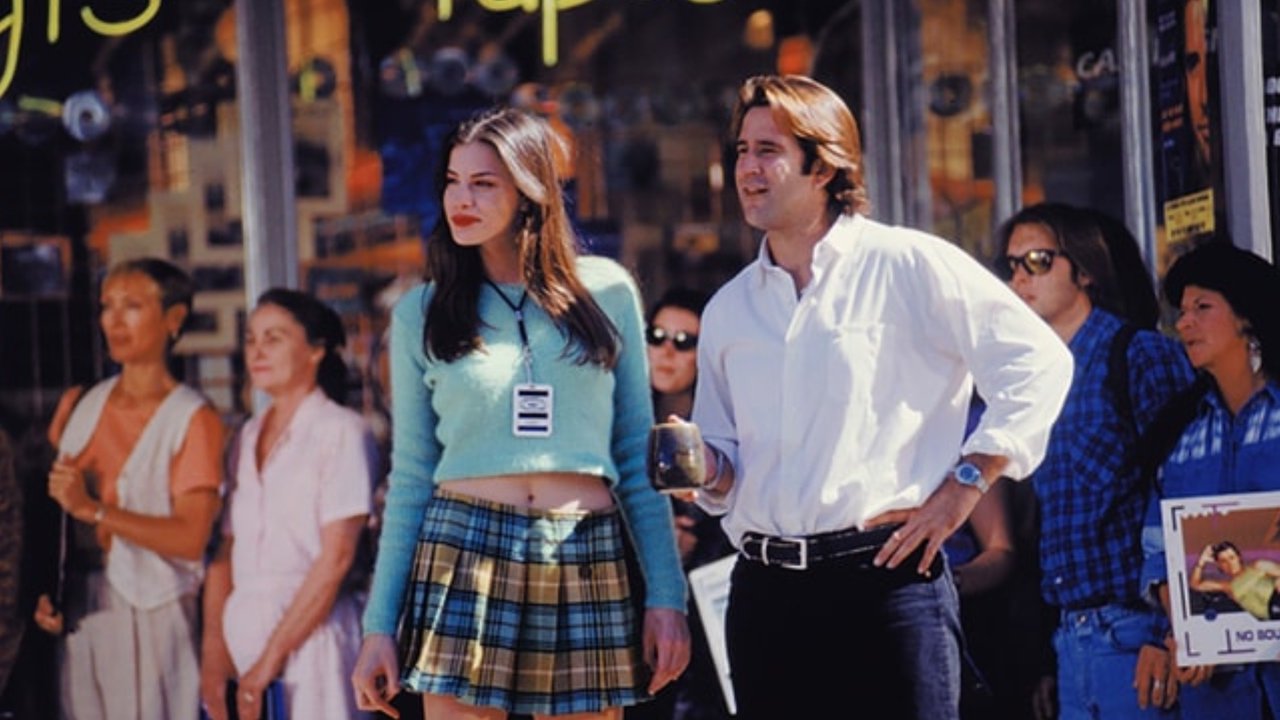
Overseeing this beautiful mess is store manager Joe, played by the ever-reliable Anthony LaPaglia. He’s the exasperated but ultimately supportive father figure, trying to keep the ship afloat amidst the chaos. Watching him try to handle employee meltdowns, shoplifters (a young Tobey Maguire was reportedly considered for the role Warren eventually played), and the impending corporate doom is half the fun. Director Allan Moyle, who previously captured youthful alienation so well in 1990's Pump Up the Volume, brings a similar sympathetic energy here, letting the characters breathe even when the narrative zips around erratically. He knew how to film youthful energy without condescending to it.
The Soundtrack That Defined an Era (Maybe More Than the Film)
Let's be honest: for many, the Empire Records soundtrack eclipsed the movie itself. And what a soundtrack! Gin Blossoms, The Cranberries, Toad the Wet Sprocket, Better Than Ezra... it was a perfect capsule of mid-90s alternative rock radio. Remember blasting "Til I Hear It From You" or "A Girl Like You"? That music wasn't just background noise; it was the film's heartbeat, driving the emotions and capturing the very specific vibe of the time. The scene where the staff spontaneously breaks into Edwyn Collins' "A Girl Like You" is pure wish-fulfillment – who didn’t want to work somewhere that cool? Reportedly, the soundtrack album went Platinum, a stark contrast to the film's dismal $300,000 box office take against a budget rumored around $10 million. Ouch.
Why It Sticks Around
Empire Records isn’t a masterpiece of filmmaking. The pacing is uneven, some plot points feel contrived (Warren's sudden armed robbery turn, anyone?), and the dialogue occasionally dips into cliché. But its charm is undeniable. It captures that messy, passionate, slightly lost feeling of being young and trying to figure things out, all while railing against "The Man." The film, shot primarily in Wilmington, North Carolina (which often stood in for idyllic small towns in 90s cinema), feels lived-in and real, even during its more heightened moments like Mark's rooftop fantasy performance. There’s an earnestness here, a lack of cynicism that feels refreshing compared to today's often hyper-ironic youth culture depictions. It didn't have slick CGI, relying instead on the chemistry of its cast and the energy of its soundtrack to create its magic.
It’s a film that found its audience later, on VHS and cable, becoming a sleepover staple and a cult favourite. It speaks to anyone who ever felt like an outsider, who found solace in music, or who dreamed of fighting corporate conformity from behind a cash register.
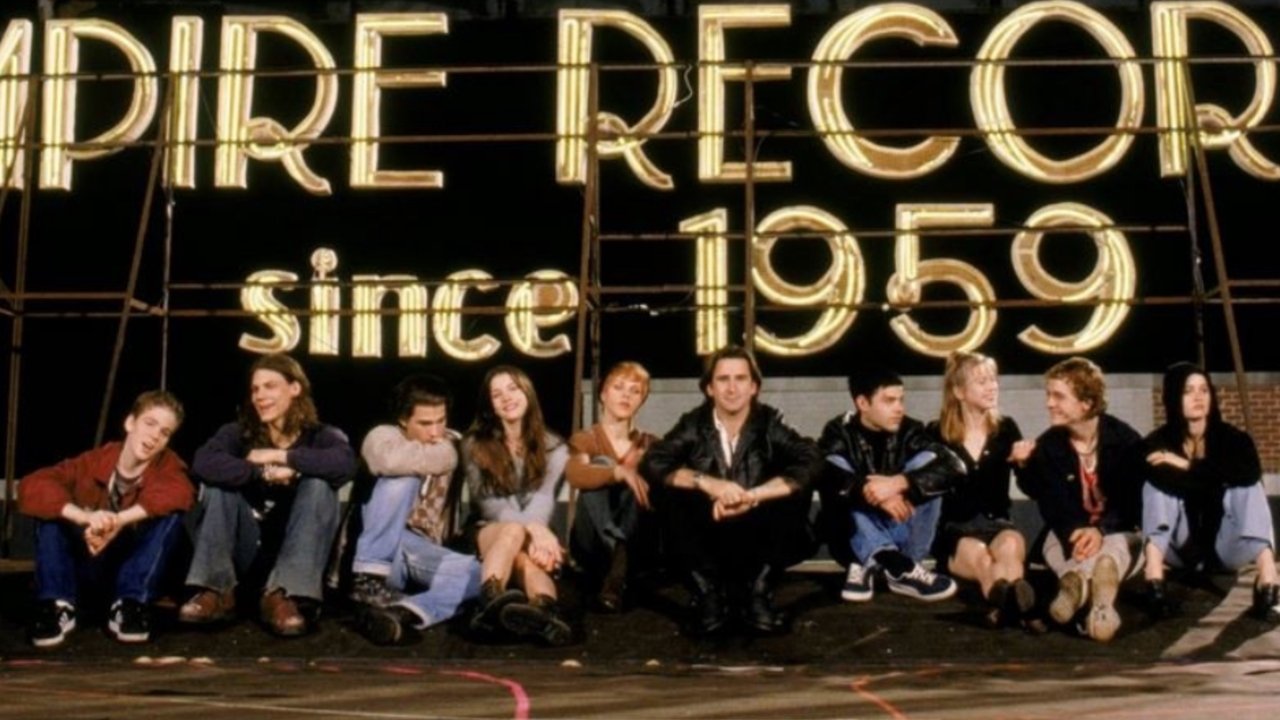
Rating: 7/10
Justification: While flawed in structure and occasionally clumsy, Empire Records boasts an irresistible energy, a killer soundtrack, and a cast overflowing with future stars who perfectly capture the angst and camaraderie of finding your tribe. Its initial box office failure is irrelevant now; its heart and snapshot of mid-90s alternative culture earned its cult status. It’s more feeling than film sometimes, but what a feeling it is.
Final Thought: Forget slick streaming algorithms; sometimes the best discoveries happened during that chaotic, hopeful day shift captured on a well-loved, slightly fuzzy videotape. Damn the Man, Save the Empire!