Alright, fellow tapeheads, dim the lights, maybe adjust the tracking just a hair – we're diving deep into the swirling martial world of 1990's Swordsman (Xiao ao jiang hu). If your memory of Hong Kong cinema's glorious early 90s explosion is anything like mine, this one likely holds a special place. It wasn't just another chop-socky adventure; this felt like the rulebook for grounded kung fu got tossed out a window, replaced by something altogether more mystical, airborne, and wildly energetic. Landing on shelves amidst the usual action fare, Swordsman felt like a transmission from a different dimension of filmmaking.
### Into the Jianghu We Go
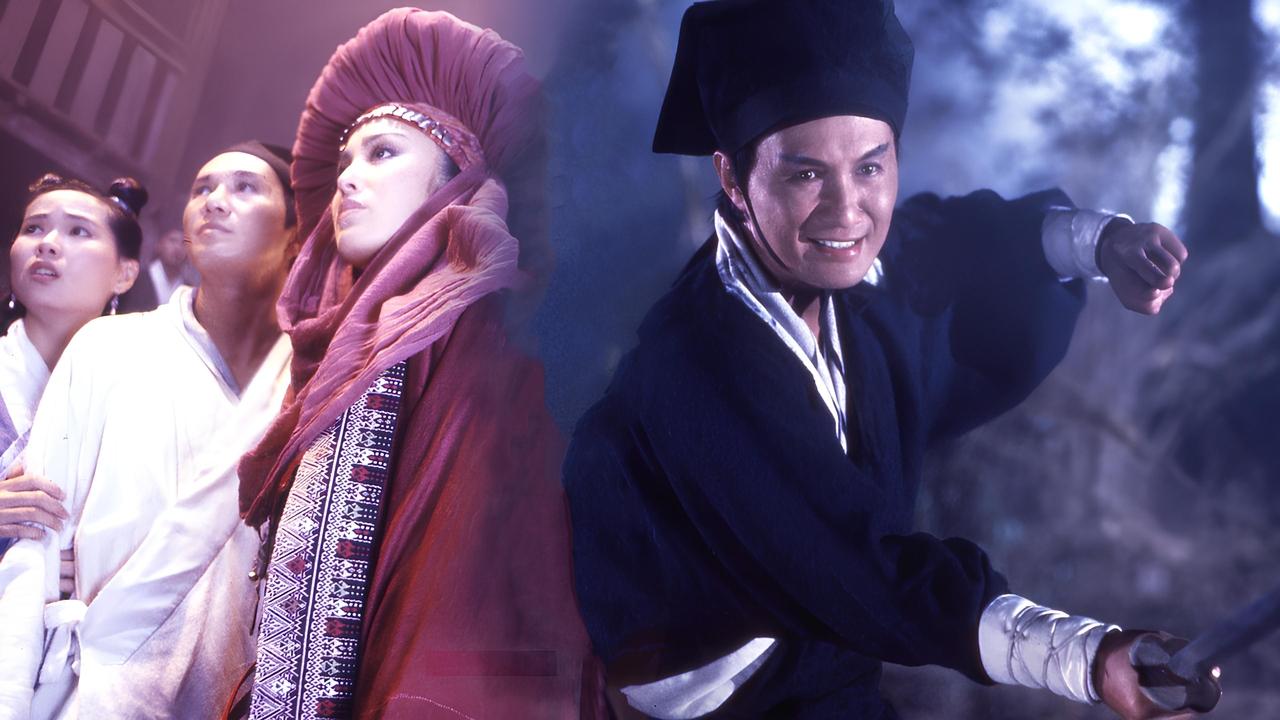
Based on a sprawling, beloved novel (The Smiling, Proud Wanderer) by the legendary Louis Cha (often called the J.R.R. Tolkien of Chinese literature), the plot throws us headfirst into the treacherous jianghu – the world of martial artists, clans, and ancient secrets. At its heart is the quest for the "Sacred Scroll" (Kuihua Baodian), a manual promising ultimate power, and driving everyone from noble sects to sinister imperial forces into a frenzy of betrayal and violence. Caught in the middle is our hero, Ling Wu Chung (Sam Hui, a Cantopop superstar lending his effortless charm), a senior disciple of the Mount Hua Sect who’d much rather drink wine and joke around than get embroiled in deadly conspiracies. Alongside him is the plucky Kiddo (Cecilia Yip), whose identity holds its own secrets. Their journey is a whirlwind tour of hidden masters, shifting allegiances, and spectacular showdowns.
### Taking Flight: The New Wave of Wuxia Action
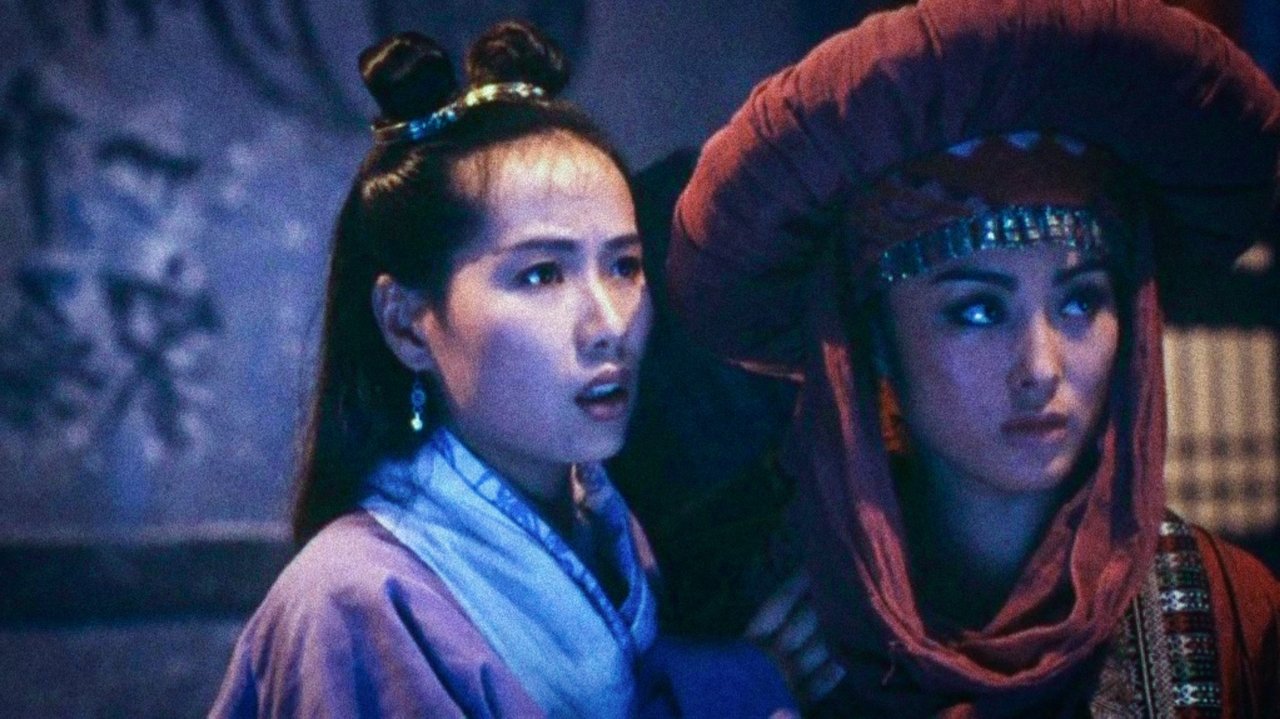
Let's talk about what really made jaws drop back in the day: the action. Co-directed and choreographed by the maestro Ching Siu-tung (A Chinese Ghost Story), Swordsman essentially kicked the door down for the "new wave" wuxia style. Forget grounded sparring; this was all about wire-fu! Characters didn't just jump; they soared, twirled, and defied gravity in ways that felt utterly revolutionary. Remember watching those scenes, maybe on a slightly fuzzy CRT, and just being stunned by the sheer kinetics?
Crucially, this was achieved through breathtaking practical effects and stunt work. These were real performers being yanked around on wires, executing complex choreography mid-air, often amidst pyrotechnics and intricate sets. There's a raw, almost dangerous energy to it – you feel the impact, the near misses. Retro Fun Fact: Ching Siu-tung honed this style over years, blending traditional Peking Opera techniques with modern filmmaking tricks, creating a ballet of blades and bodies that felt both fantastical and strangely visceral. It lacks the smooth, digital perfection of today's action, perhaps, but it possesses a tangible weight and audacity that's often missing now.
### A Symphony of Chaos (Behind the Scenes)
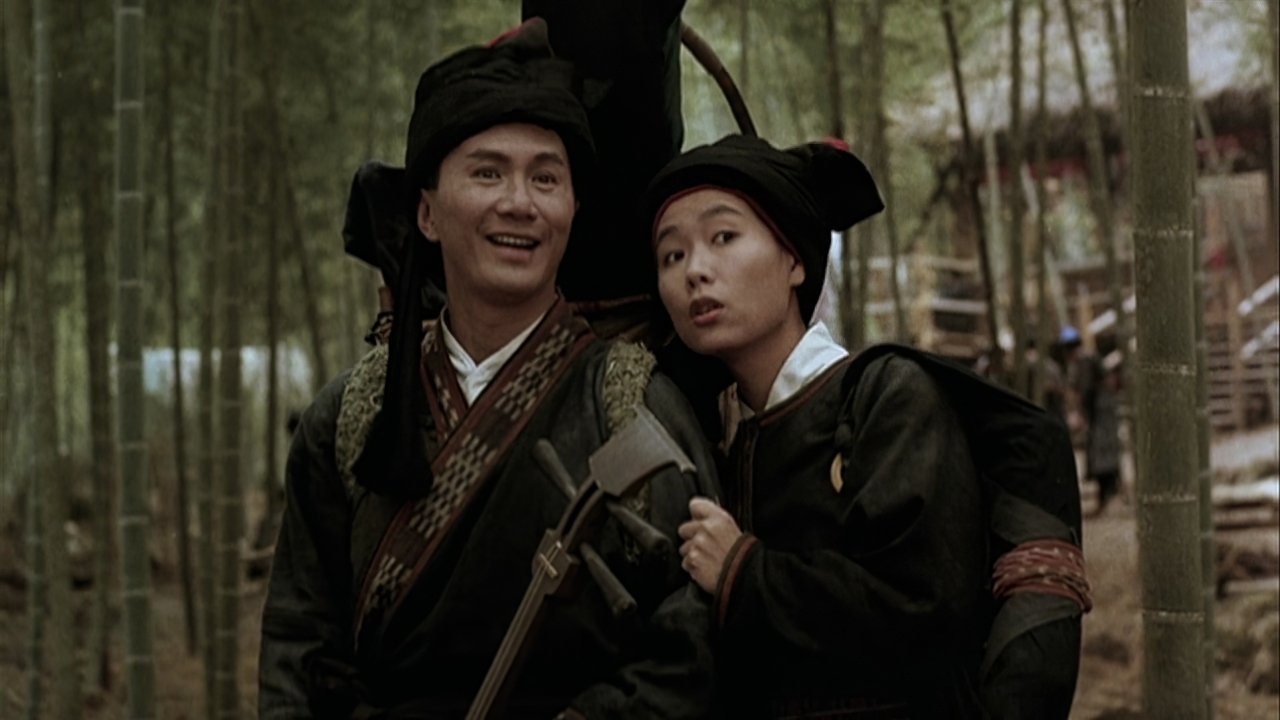
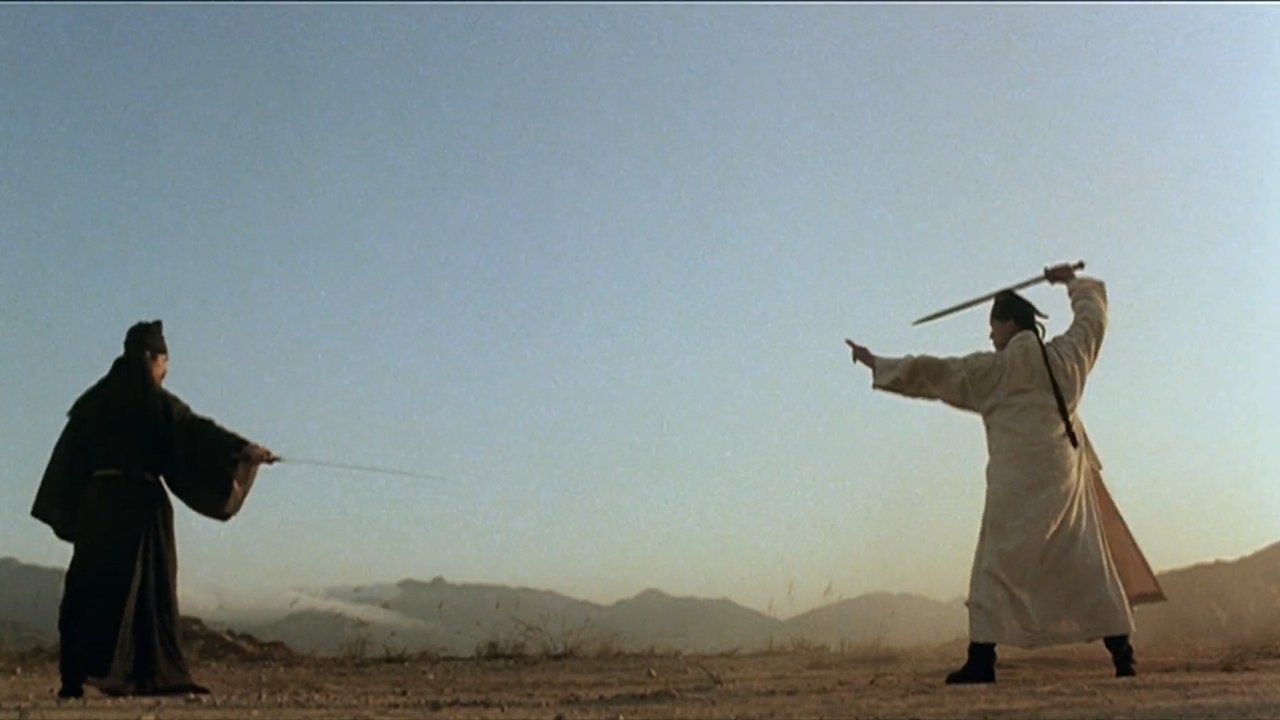
The film's frenetic energy isn't just onscreen; it mirrors a famously troubled production. Legendary wuxia director King Hu (Dragon Inn, A Touch of Zen) was initially at the helm, envisioning a more traditionally grounded take. Retro Fun Fact: Creative differences led to Hu's departure relatively early in filming, leaving producer Tsui Hark (who had revitalized the genre with 1983's Zu: Warriors from the Magic Mountain) to essentially salvage the project. Tsui, along with Ching Siu-tung and credited co-director Raymond Lee (plus several uncredited hands!), steered the film towards the faster, more stylized spectacle we see today. You can sometimes feel the seams, a slight unevenness in tone or pacing, but honestly, it mostly adds to the film's chaotic charm. Adapting such a dense novel was already a Herculean task; doing it amidst directorial musical chairs makes the final product even more remarkable.
### Scene-Stealer Supreme
While Sam Hui makes for a likeable, roguish hero and Cecilia Yip provides spirit, the film is utterly dominated by Jacky Cheung's mesmerizing performance as the ambitious Imperial eunuch, Au Yeung Chun. Cheung, another Cantopop king, delivers a chillingly memorable villain – effete, cunning, and ruthlessly power-hungry. His physical performance, blending sinister grace with sudden bursts of violence, is magnetic. Retro Fun Fact: Cheung deservedly earned a Best Supporting Actor nomination at the Golden Horse Awards for this role, cementing his acting credentials beyond his music stardom. He practically walks away with the entire movie every time he's onscreen.
### Echoes Through the Mountains
You can't discuss Swordsman without mentioning its theme song. "A Laugh from the Vast Sea" (滄海一聲笑), composed by the late, great James Wong Jim, is an absolute anthem. Its simple, powerful melody, often performed on traditional instruments within the film by characters themselves, perfectly encapsulates the jianghu spirit – a melancholic defiance, a yearning for freedom amidst the bloodshed and struggle. Retro Fun Fact: Legend has it that Wong struggled to find the right melody until inspiration struck, supposedly leading him to use only the five notes of the traditional Chinese pentatonic scale (do-re-mi-so-la) to create its timeless, instantly recognizable tune. It became massively popular and remains iconic.
The film itself was a significant hit in Hong Kong, breathing new life into the wuxia genre and paving the way for a tidal wave of similar films throughout the early 90s. Its influence was immense, leading directly to its own sequels – the arguably even more iconic Swordsman II (1992), which brought in Jet Li and Brigitte Lin in that unforgettable role, and the utterly bonkers The East Is Red (1993). But this is where it all began.
### The Verdict
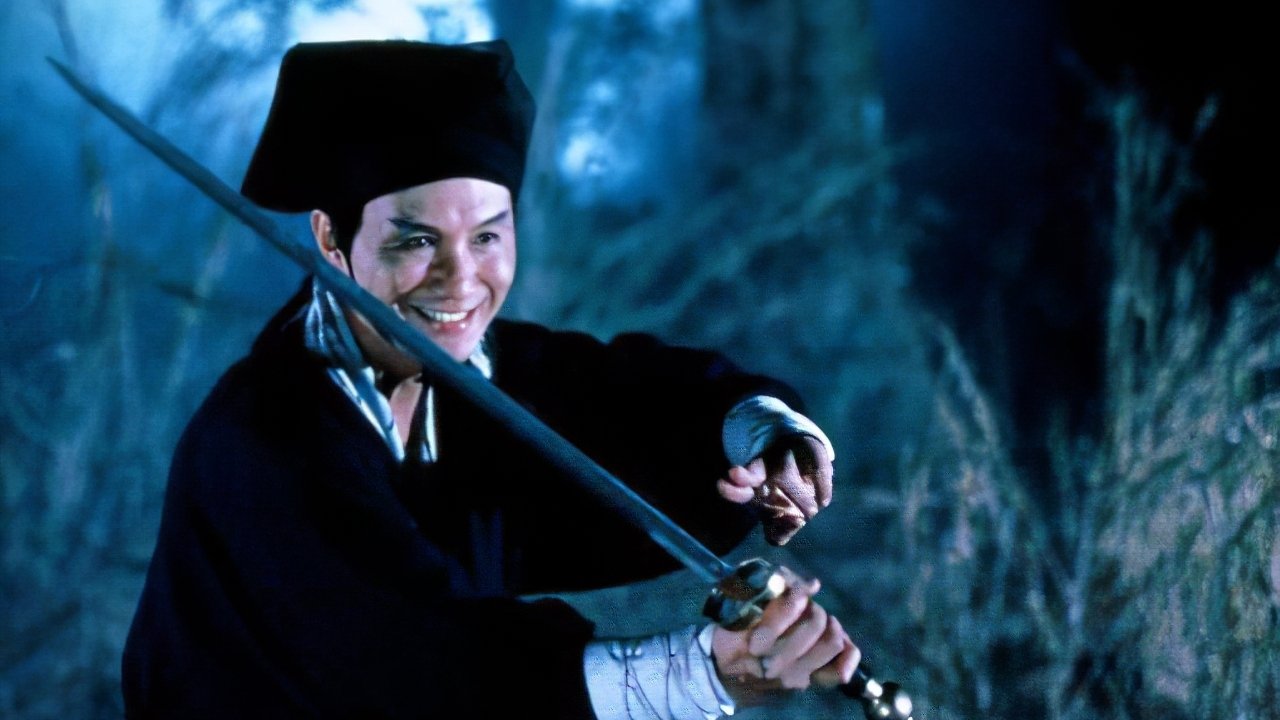
Swordsman isn't a perfect film. The storytelling, likely a casualty of its turbulent creation, can feel a bit choppy, and trying to condense Louis Cha's epic into two hours means some character arcs feel rushed. But good heavens, the style, the energy, the sheer audacity of it! It’s a landmark film that redefined action, blessed us with an all-time great movie villain performance from Jacky Cheung, and gifted us that incredible theme song. Watching it again on VHS (or, okay, maybe a modern format that spares you the tracking adjustments) is like mainlining pure, unadulterated 90s Hong Kong cinema.
Rating: 8/10 - The score reflects its groundbreaking action, unforgettable villain, and cultural impact, slightly tempered by the narrative unevenness stemming from its chaotic production. It’s a foundational piece of wuxia history that remains wildly entertaining.
Final Thought: Forget slick CGI; Swordsman is a glorious testament to the raw power of wire-fu, ambition, and sheer filmmaking will – a high-flying, sword-clanging trip back to when action movies felt genuinely, thrillingly dangerous. It still kicks.