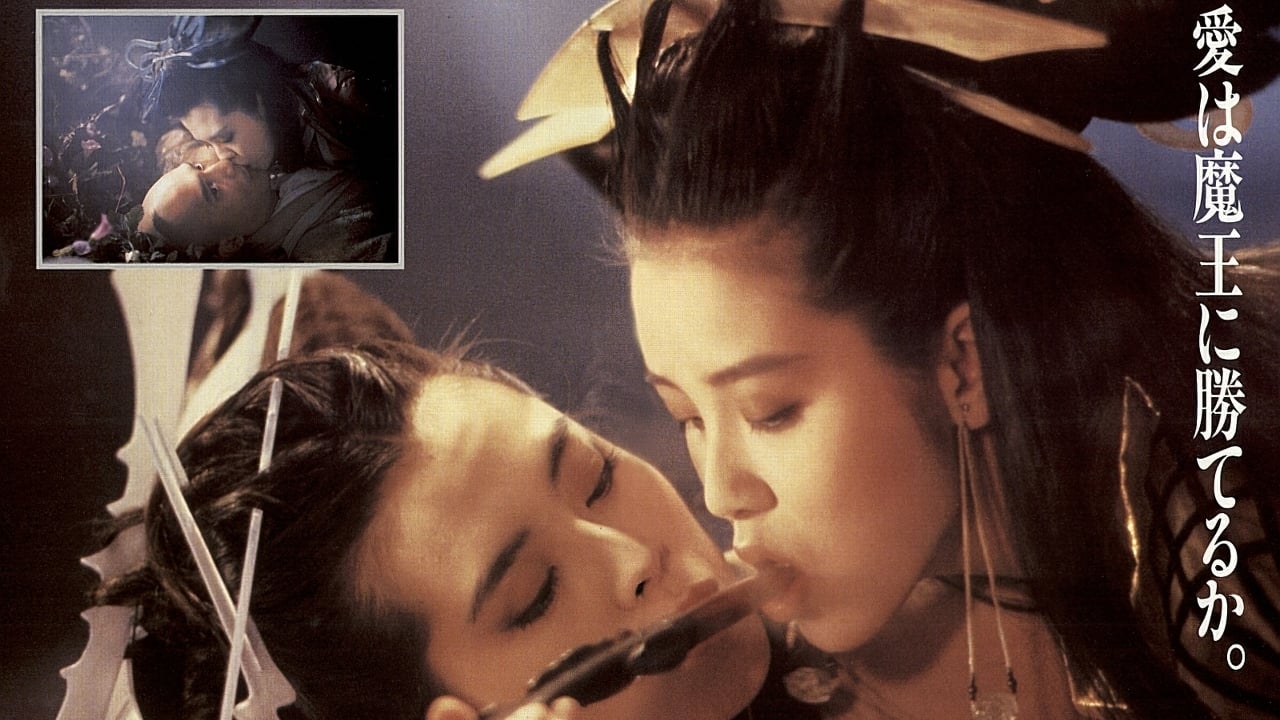
Okay, fellow tape travellers, let’s rewind to 1991. The video store shelves were still groaning under the weight of Hong Kong imports, often with gloriously lurid cover art that barely hinted at the visual madness within. If you were lucky, nestled amongst the Shaw Brothers re-releases and the latest John Woo bullet ballet, you might have found A Chinese Ghost Story III (倩女幽魂III: 道道道). It arrived just a year after Part II, carrying the distinct, high-energy signature of producer Tsui Hark's Film Workshop and director/action choreographer Ching Siu-tung. Pull up a beanbag chair, adjust the tracking – let's dive back into this spectral whirlwind.
### Back to the Haunted Temple (Sort Of)
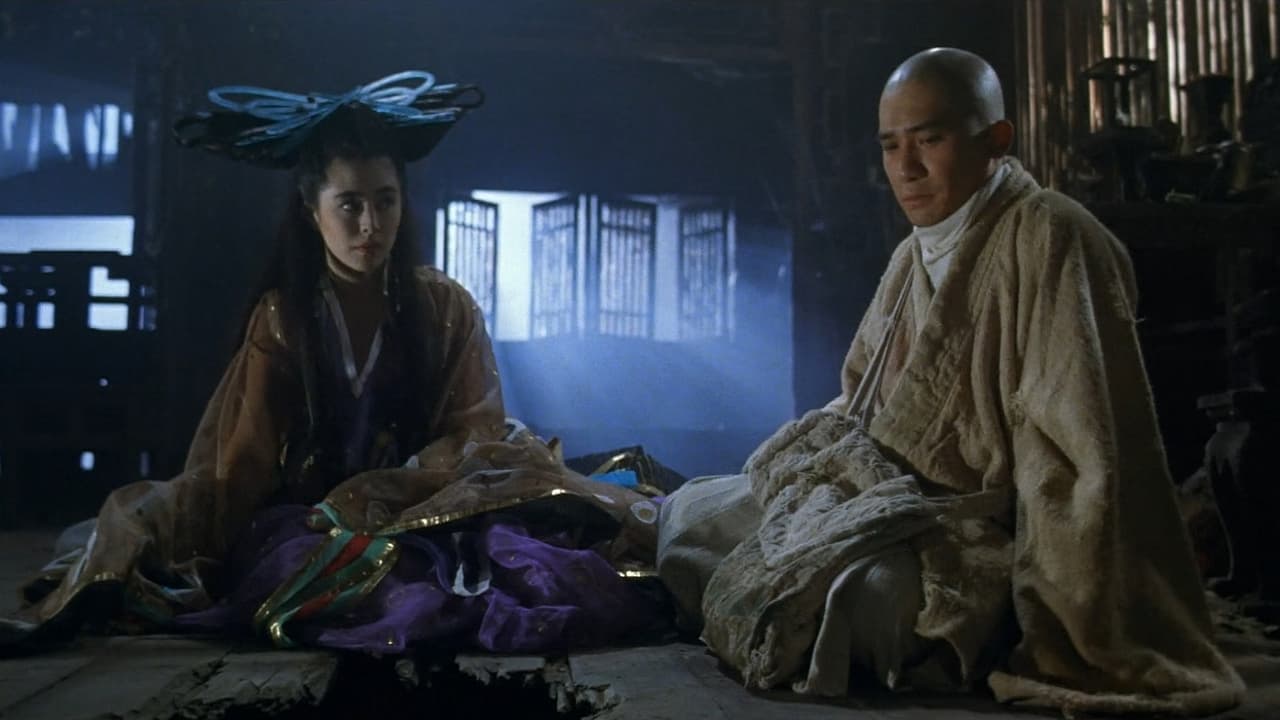
Right off the bat, this third instalment feels both familiar and different. We're back in a world haunted by seductive spirits and ruled over by a truly gnarly Tree Demon (Lau Shun, returning with gusto), but our naive scholar protagonist is gone. Replacing the dearly missed Leslie Cheung is the effortlessly charismatic Tony Leung Chiu-wai as Fong, a young Buddhist monk travelling with his aging, slightly crotchety master (Lau Siu-ming). Their path inevitably leads them to the vicinity of the infamous Orchid Temple, though the film cleverly plays with locations and expectations.
Instead of Leslie Cheung's gentle scholar Ning Choi-san, Tony Leung's Fong is bound by his Buddhist vows, adding a different kind of tension when he encounters the beautiful ghost Lotus, played once again by the ethereal Joey Wong. Yes, Wong is back, cementing her status as the face of supernatural Hong Kong romance, even though she's technically playing a different ghost who happens to look identical to her previous character, Nip Siu-sin. It’s a classic HK sequel move – bring back the star power, slightly tweak the role! And honestly, who complained? Seeing Joey Wong glide across the screen, caught between spectral duty and burgeoning affection, was always a highlight.
### Wire-Fu Wizardry and Practical Spectacle
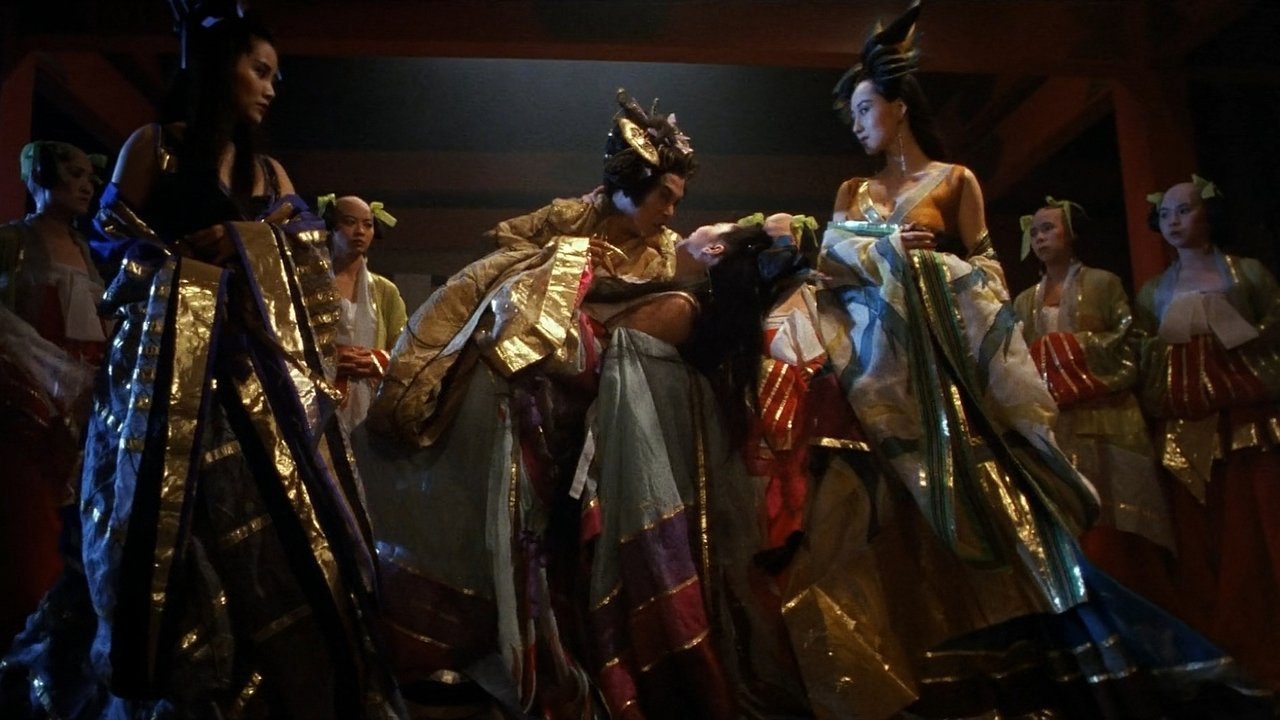
Let's talk action, because with Ching Siu-tung at the helm, you know you're in for a treat. This is peak Hong Kong fantasy wire-fu. Characters don't just jump; they soar, spin, and defy gravity in ways that feel both balletic and slightly unhinged. Remember how real those impacts felt, even when someone was flying sideways through paper walls? The stunt work is phenomenal, often involving performers on intricate wire rigs performing complex choreography amidst smoke, wind machines, and exploding props.
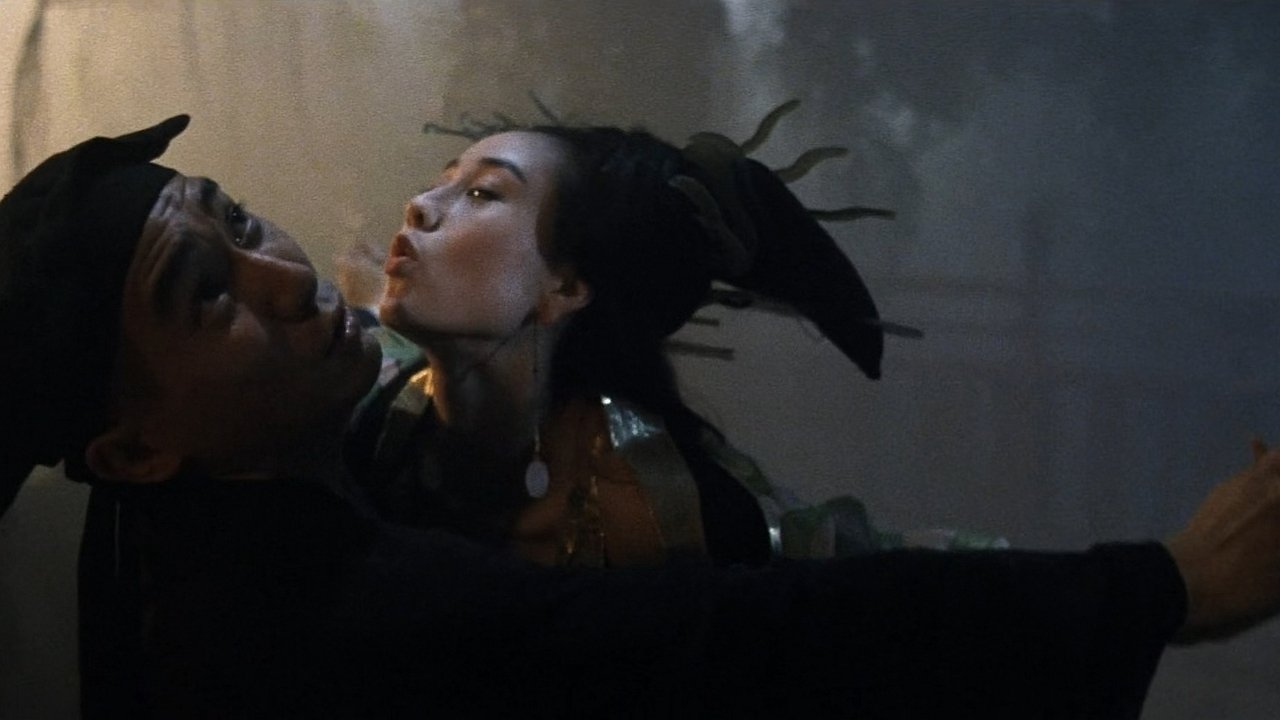
The practical effects, while perhaps showing their strings a bit more clearly on a modern HD screen, were mind-blowing back on a fuzzy CRT. The Tree Demon's lair is a masterpiece of gnarled roots, pulsating organic sacs, and, of course, that tongue. It’s gooey, grotesque, and utterly fantastic – a tangible creation you could almost reach out and touch (though you probably wouldn't want to). These weren't sterile digital creations; they were physical builds, puppeteered and filmed with ingenious camera angles to maximize their impact. There's a raw energy here, a sense of barely controlled chaos, that modern CGI often smooths away. Reportedly, the demanding pace of Hong Kong filmmaking meant effects teams like Tony Ching's frequent collaborators at Centro Digital Pictures often worked miracles under immense time pressure, adding to that kinetic, almost frantic energy.
### New Faces, Familiar Phantoms
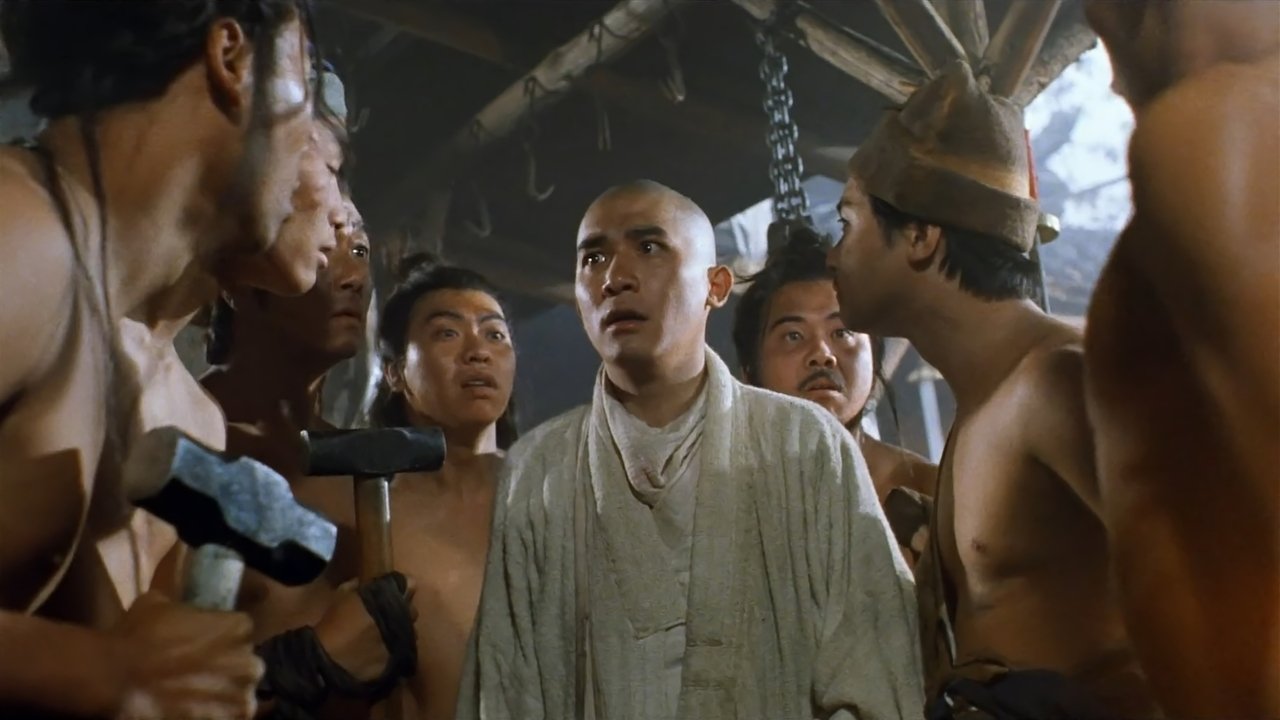
While Tony Leung brings his trademark soulful eyes and quiet intensity to the monk role, creating a different dynamic than the frantic innocence of Leslie Cheung, it's Jacky Cheung as the swordsman Yin Chik-ha (a character name echoing Wu Ma's Taoist from the original) who often steals the show. Cheung, already a massive Cantopop star, injects pure manic energy into the film. His sword fights are acrobatic bursts, and his line delivery often provides welcome comic relief amidst the spectral seduction and demonic threats. It's a performance full of swagger and surprising agility. His inclusion was likely a savvy move to capture a broader audience, given his immense popularity outside of film at the time.
The supporting cast is filled with familiar faces from the era, adding to the rich tapestry. The blend of horror, romance, action, and slapstick comedy is a hallmark of the series and much of Tsui Hark’s output. It might feel tonally jarring to some modern viewers, but back then, it was part of the charm – a rollercoaster ride through different moods, all delivered with maximum visual flair. The score, often soaring and dramatic, perfectly complements the hyper-stylized visuals and operatic emotions.
### Legacy in the Ghost Story Saga
Was A Chinese Ghost Story III as groundbreaking as the 1987 original? Probably not. The first film was a watershed moment, perfectly blending genres and setting a new standard for Hong Kong fantasy. Part III inevitably retreads some familiar ground – the haunted temple, the seductive ghost, the monstrous matriarchal demon. However, it does so with such infectious energy, visual invention, and committed performances that it stands firmly on its own two spectral feet.
It arrived when the formula was well-established, perhaps feeling a little less fresh but compensating with sheer technical bravura and star power. Critics at the time might have noted its similarity to its predecessors, but audiences, particularly those devouring VHS tapes, embraced its familiar comforts mixed with Ching Siu-tung’s ever-evolving action mastery. It didn't quite hit the iconic status of the first, but it was far from a weak entry, keeping the ghostly flame burning bright.
***
VHS Heaven Rating: 8/10
Justification: While it doesn't quite capture the perfect storm of the original, A Chinese Ghost Story III is a dazzling display of practical effects, incredible wire-fu choreography, and charismatic performances. Tony Leung and Jacky Cheung are great additions, Joey Wong remains iconic, and Ching Siu-tung directs with kinetic flair. It suffers slightly from familiarity but delivers heaps of the specific supernatural action-fantasy-romance blend that made this era of HK cinema so special. The sheer visual imagination and practical stunt work earn it high marks.
Final Thought: If the first film was lightning in a bottle, this was the spectacular, slightly chaotic fireworks show that followed – pure, unadulterated Hong Kong fantasy magic, best enjoyed with the lights low and maybe a slight VCR hum in the background.