Alright, fellow tapeheads, slide that worn cassette into the VCR, maybe give the tracking a little nudge, because tonight we're diving into a late-90s Hong Kong spectacle that practically exploded out of the box: Andrew Lau's A Man Called Hero (1999). If you were lucky enough to snag this one from the 'New Releases' wall back then, you know it felt like a big deal – a sprawling, effects-heavy martial arts epic that tried to bottle lightning twice after Lau’s groundbreaking The Storm Riders the previous year.
Epic Ambitions, Comic Book Roots
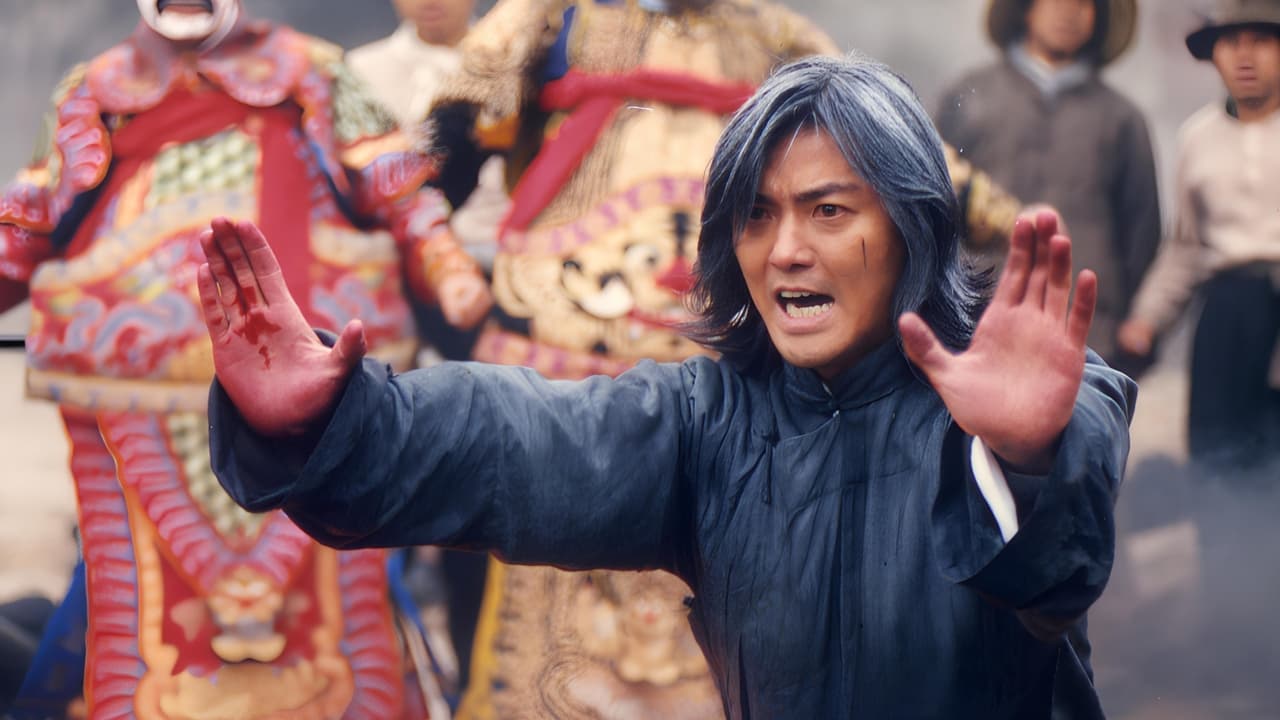
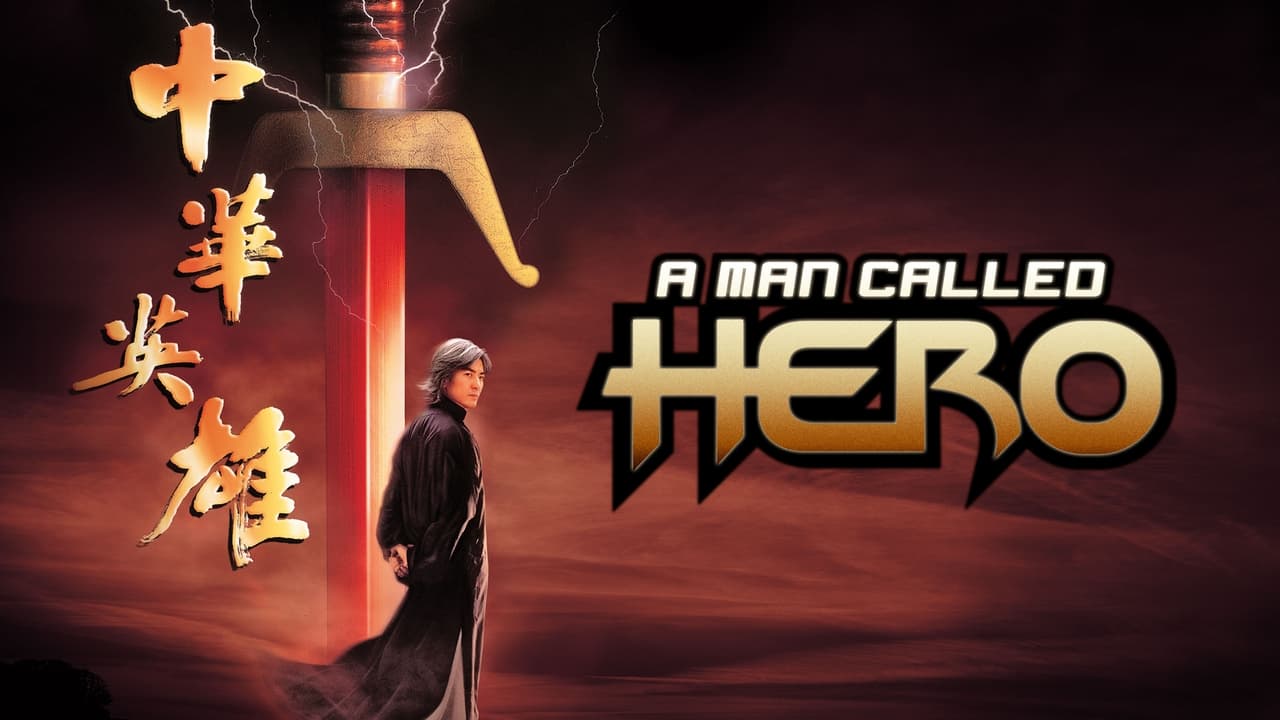
This wasn't just another chopsocky flick. Based on the wildly popular manhua (comic book) by Ma Wing-shing, A Man Called Hero throws everything at the screen. We follow the tragic, decades-spanning saga of Hero Hua Ying-hung, played with stoic charisma by Cantopop megastar Ekin Cheng (the heartthrob lead from Lau’s Young and Dangerous series). Born under an unlucky star (the 'Star of Death'), Hero's life is a whirlwind of vengeance, loss, emigration to America, martial arts mastery, and battling formidable foes, all framed by historical turmoil in early 20th-century China and America. The plot... well, let's just say it tries to cram a lot of comic book panels into two hours. Following the convoluted destiny and dueling masters can feel like homework sometimes, especially on that slightly fuzzy fourth-generation dub you might have rented!
But the sheer scale is undeniable. This was Hong Kong cinema swinging for the fences, reportedly pouring HK$80 million into the production – a massive sum back then. Director Andrew Lau, pulling double duty as cinematographer, clearly wanted to push the visual envelope established by The Storm Riders. You see it in the elaborate sets, the period costumes, and the constant striving for operatic grandeur, even when the narrative gets tangled in its own complex mythology.
When Practical Punches Met Digital Dreams
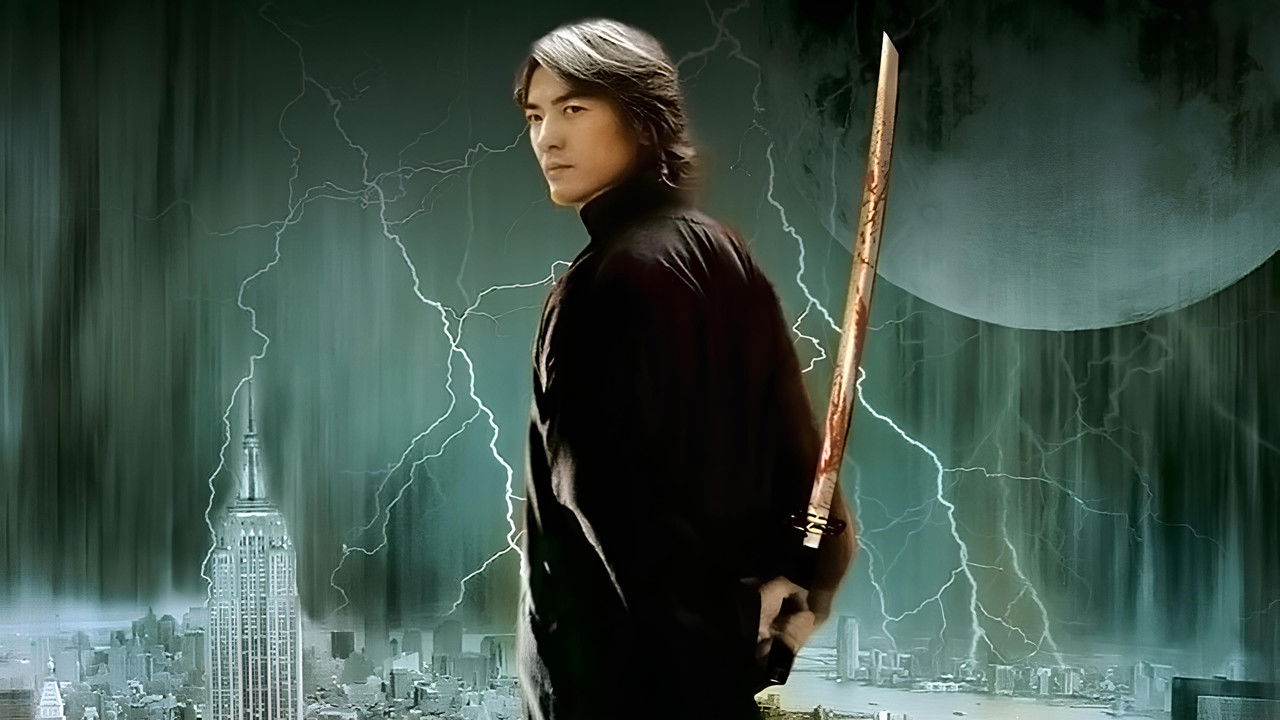
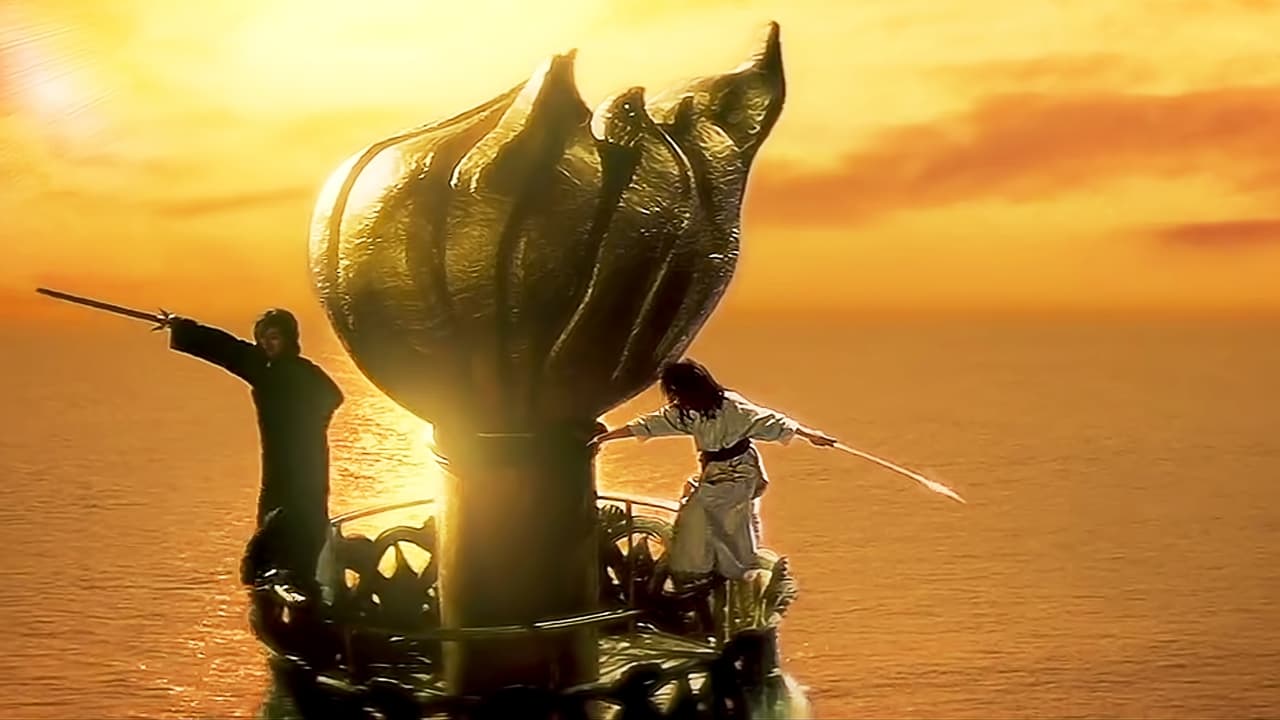
Let's talk action, because that’s where A Man Called Hero truly earns its place in the VHS pantheon. The fight choreography blends traditional wire-fu elegance with a burgeoning fascination for digital enhancement. Remember watching those scenes atop the Statue of Liberty? The ambition was breathtaking, even if the green screen work occasionally felt... well, like green screen work from 1999.
But beneath the burgeoning pixels, there was real physicality. The stunt work, often involving intricate wire rigs sending actors soaring across sets, still packs a punch. You feel the impact in the close-quarters combat, the clanging steel, the desperate throws. This was an era caught between two worlds: the gritty, bone-crunching reality of classic Hong Kong action and the limitless possibilities (and occasional awkwardness) of early CGI. Those energy blasts emanating from Hero’s Blood Sword or the powers wielded by the formidable villain Invincible (played by the legendary Yuen Biao!) were eye-popping back then, even if they look like high-res video game effects today. It's that fascinating friction between the tangible stunts and the nascent digital magic that gives the film its unique late-90s flavour. They weren't just compositing backgrounds; they were trying to visualize chi and destiny itself.
Stars Caught in the Storm
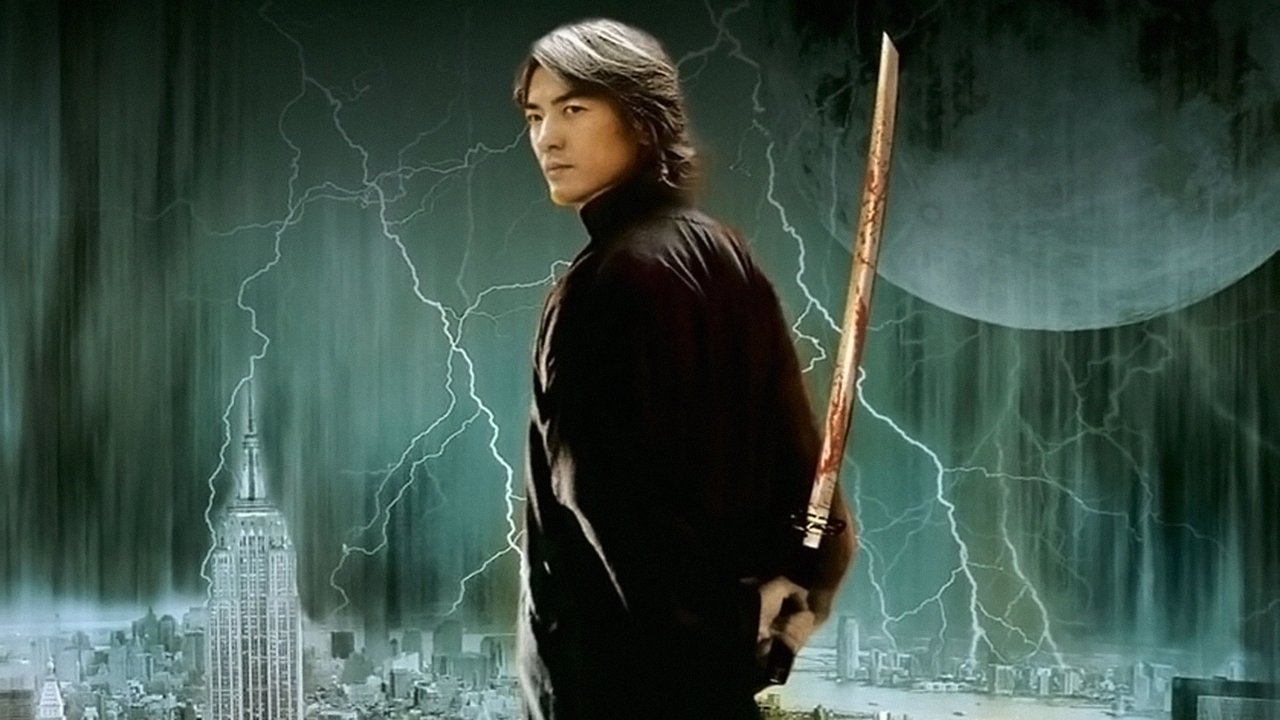
Ekin Cheng carries the film with his signature brooding intensity, embodying the eternally cursed hero archetype. While his martial arts prowess is more stylistic than grounded (he reportedly trained hard, but he’s no Jet Li), his screen presence is undeniable. Supporting turns from Shu Qi as Hero's love interest Mu, a young and fiery Nicholas Tse as Hero's son Sword Hua, and the always-welcome presence of veterans like Anthony Wong Chau-sang add dramatic weight, even if their characters sometimes feel lost in the sprawling plot. It’s a testament to the cast that they often manage to convey genuine emotion amidst the sometimes overwhelming visual effects and narrative jumps. Trivia time: Ma Wing-shing, the comic's creator, was apparently quite involved, trying to ensure the adaptation captured the spirit of his work, which probably contributed to the film's densely packed story.
Echoes in the Video Store Aisles
Released in 1999, A Man Called Hero was a box office smash in Hong Kong, riding the wave of Cheng's stardom and the audience's hunger for CGI-enhanced fantasy martial arts. Critics were more divided, often praising the visuals and ambition while pointing out the sometimes confusing storyline – a fair assessment. It arrived just as The Matrix was rewriting the rules for action filmmaking globally, and while Hero doesn't boast the same level of philosophical depth or revolutionary effects, it shares that late-millennium desire to blend martial arts with cutting-edge technology. Watching it now feels like unearthing a time capsule from that specific moment of transition in action cinema.
VHS Heaven Rating: 7/10
Justification: A Man Called Hero earns a solid 7 for its sheer, unadulterated ambition and visual spectacle within the context of late-90s Hong Kong cinema. Ekin Cheng is iconic in the lead, the practical stunt work and wire-fu offer genuine thrills, and Andrew Lau's direction provides kinetic energy. The manhua adaptation attempts an epic scope rarely seen. However, the film loses points for its often convoluted and rushed plot, which tries to condense too much source material, and for its early CGI effects which, while groundbreaking then, haven't aged as gracefully as the practical elements. It’s a visual feast that sometimes prioritizes style over narrative coherence.
Final Rewind: This flick is a glorious, slightly messy testament to Hong Kong cinema's audacity at the turn of the millennium. It’s pure eye candy, a fusion of tragic opera and comic book fantasy, packed with the kind of earnest spectacle and tangible, wire-assisted action that feels worlds away from today’s smoother, but perhaps less dangerous-feeling, digital creations. Worth dusting off the tape? Absolutely, especially if you want to remember when digital dreams were just starting to punch through the screen.