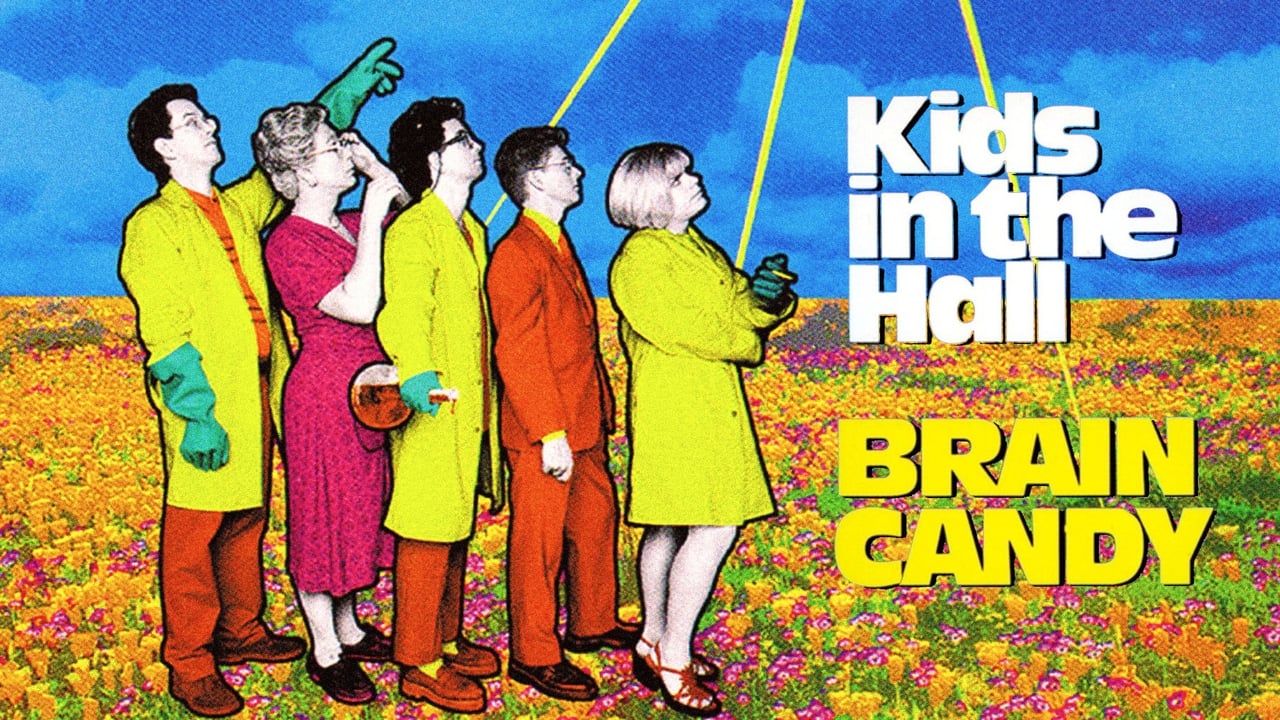
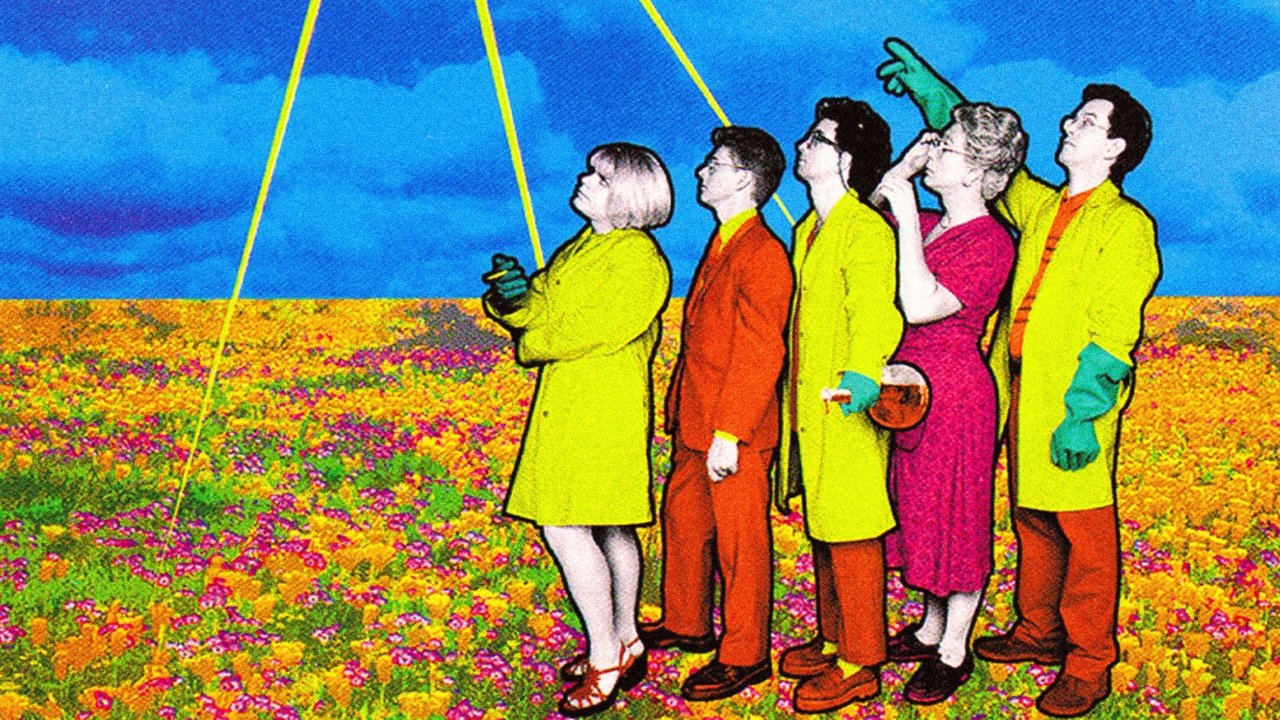
Alright, fellow tape travelers, let's rewind to 1996. Picture this: you're browsing the comedy section at Blockbuster (remember that smell?), past the Jim Carrey standees and the Adam Sandler new releases, and you stumble upon something… different. Kids in the Hall: Brain Candy. The cover art hints at the familiar weirdness of the Canadian sketch troupe, but nothing quite prepares you for the gleefully dark, often uncomfortable, yet strangely brilliant pill you're about to swallow. This wasn't just another TV-show-to-movie cash-in; it was something riskier, messier, and ultimately, unforgettable.

### Beyond the TV Screen
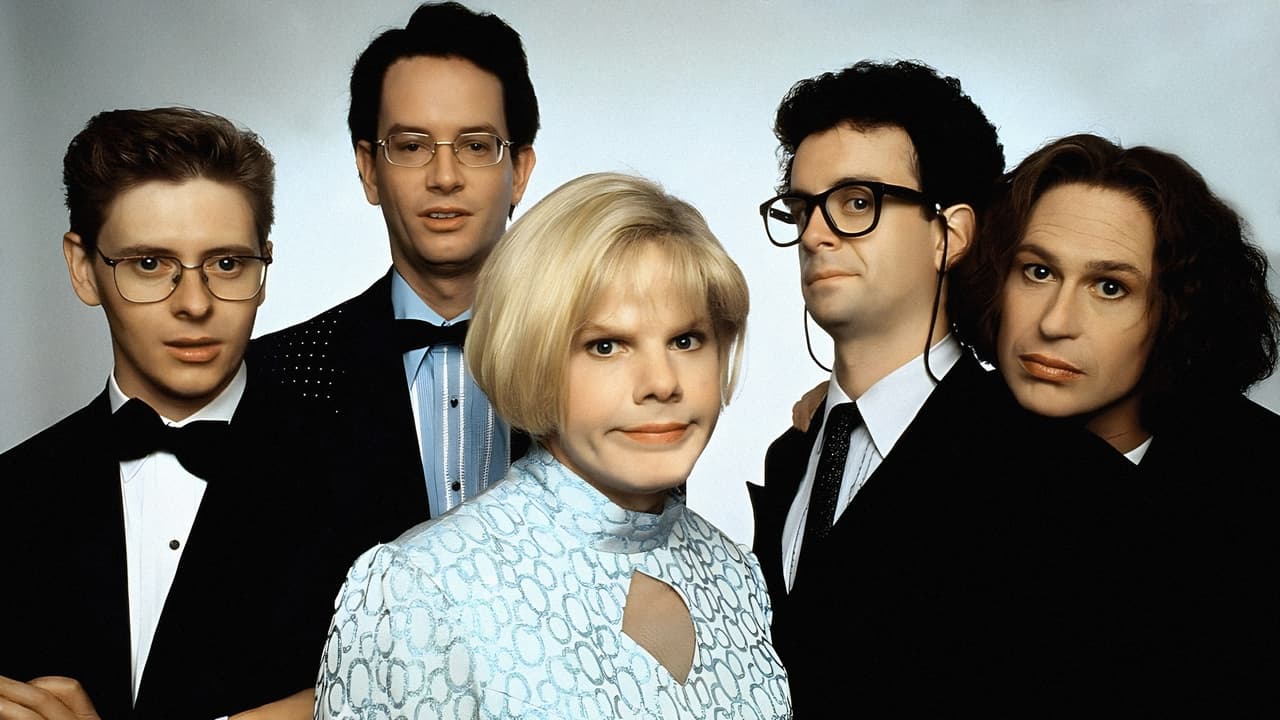
Taking the jump from their beloved CBC/HBO sketch show, The Kids in the Hall (Dave Foley, Bruce McCulloch, Kevin McDonald, Mark McKinney, Scott Thompson) aimed to translate their unique, character-driven, often absurdist humor to the big screen. Directed by Kelly Makin, who had helmed many episodes of their show, Brain Candy attempts to weave their sketch sensibilities into a single narrative thread. The result is structurally a bit bumpy, feeling episodic at times, but the core concept is pure, uncut KITH genius filtered through a distinctly cynical 90s lens.
The plot centers around Dr. Chris Cooper (Kevin McDonald in peak anxious form), a researcher at the monolithic Roritor Pharmaceuticals. He develops Gleemonex, a miracle antidepressant that locks users into their happiest memory. Rushed to market by the soulless pharma execs (led by a perfectly smarmy Mark McKinney as Don Roritor), the drug becomes a phenomenon. But, surprise! There are side effects. Coma-inducing, paralysing side effects. It’s a premise ripe for satire, targeting corporate greed, the quick-fix culture, and the often-blurred line between happiness and oblivion.
### A Cavalcade of Characters (and Conflict)
As any KITH fan knows, the magic lies in the troupe playing multiple, often bizarre, characters. Brain Candy is no exception. We get Scott Thompson revisiting his flamboyant lounge lizard Buddy Cole, now pontificating on the nature of happiness; Bruce McCulloch as rock star Grivo, a Kurt Cobain-esque figure lamenting the drug's effect on angst-ridden music; Dave Foley as Marv, a put-upon Roritor employee; and a gallery of others, from repressed housewives finding bliss to scientists grappling with their creation. The makeup and transformations are impressive, a testament to the practical craft that defined so much of the era's comedy.
However, the behind-the-scenes story adds another layer to the film's fractured feel. Tensions within the troupe were famously high during production, particularly between McCulloch and Foley. Foley, unhappy with the script's dark turn and creative direction (initially conceived by McCulloch and Norm Hiscock), reportedly participated minimally, fulfilling contractual obligations but lacking his usual spark in some scenes. This internal strife undoubtedly impacted the final product, perhaps contributing to its uneven tone but also, weirdly, reinforcing the film's themes of dysfunction and breakdown. It's a fascinating "retro fun fact" that the very creation of this movie about manufactured happiness was reportedly quite miserable for some involved.
### Darker Than Your Average Dose
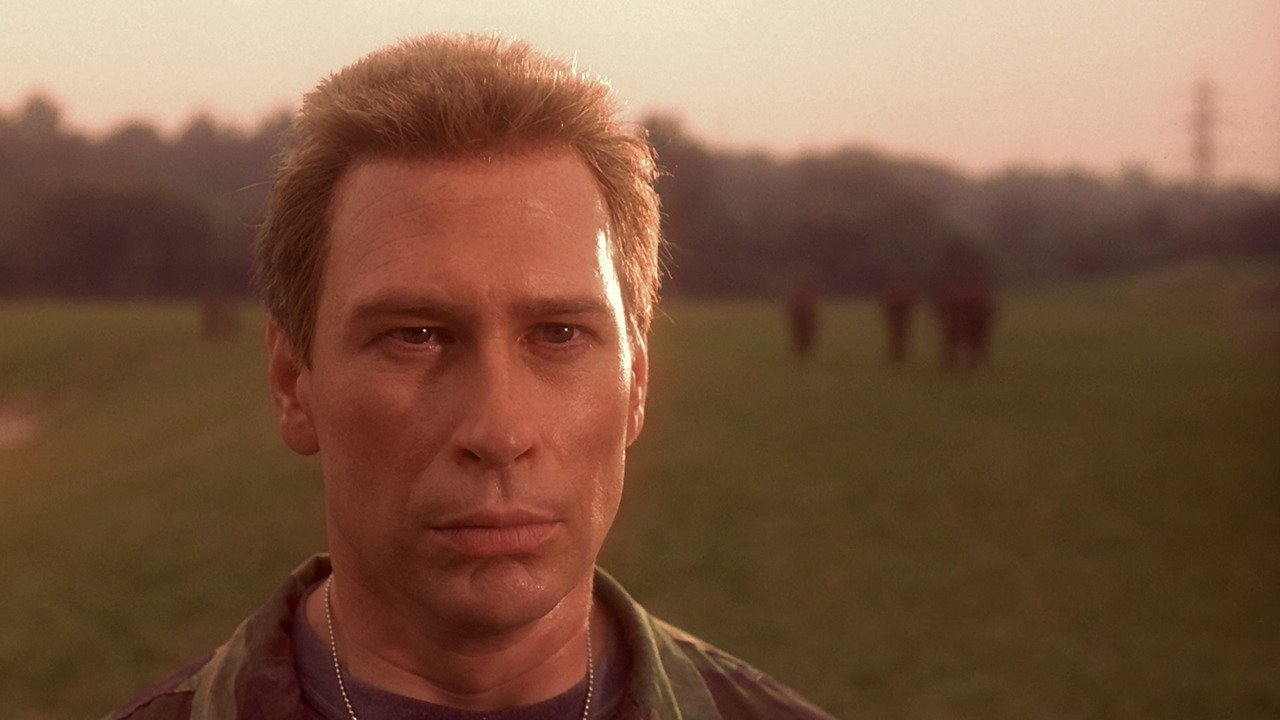
What truly set Brain Candy apart, and likely contributed to its initial commercial failure, was its willingness to go there. This isn't lighthearted satire; it tackles depression, repressed homosexuality (via Thompson's poignant character Wally), corporate malfeasance, and even features a character dying of cancer (McKinney's Baxter). Paramount Pictures allegedly got cold feet, worried the dark themes and edgy humor (like the infamous "Cancer Boy" sketch, which almost made it in) would alienate audiences. Remember how jarring some of that felt back then, even compared to the show? It wasn't afraid to make you laugh and then immediately feel a pang of discomfort.
The humor, while often hilarious in that specific KITH way (observational absurdity meets character pathos), doesn't always land perfectly within the narrative structure. Some scenes feel like standalone sketches shoehorned in. Yet, the core satirical message about Big Pharma and the pursuit of chemically-induced happiness feels startlingly relevant today, perhaps even more so than in 1996. The film grossed a paltry $3 million against its budget, receiving mixed-to-negative reviews initially. Critics and audiences didn't quite know what to make of this strange concoction. It wasn't Wayne's World; it was something far more peculiar and melancholic.
### The Cult Following Cure
Like many misunderstood gems from the video store era, Brain Candy found its audience later, on VHS and DVD. Fans appreciated its refusal to compromise, its specific brand of dark comedy, and the sheer talent of the five leads inhabiting this weird world. It became a cult classic, a movie whispered about among comedy nerds – the KITH movie that dared to be bleak. Watching it now evokes that specific feeling of late-90s alternative culture, a time when cynicism felt like a shield and comedy could have jagged edges.
Rating: 7/10
Justification: While the internal conflicts and somewhat disjointed structure prevent it from being a perfect film, Brain Candy is a bold, often brilliant, and uniquely KITH creation. Its dark satire remains potent, the performances (even amidst tension) are largely fantastic showcases of the troupe's range, and its cult status is well-earned. It's a flawed gem, but a fascinating and funny one.
Final Thought: Brain Candy is like that weird, unlabeled tape you found at a garage sale – maybe a bit fuzzy, definitely unconventional, but delivering a dose of potent, darkly hilarious nostalgia that mainstream comedy rarely dared to prescribe. Still hits the spot, side effects and all.