Ah, the satisfying thunk of a well-worn VHS tape sliding into the VCR. Flickering static gives way to the familiar FBI warning, and then… pure, unadulterated 90s action. If your local video store had a decent martial arts section (and whose didn't?), you almost certainly crossed paths with 1991’s Martial Law II: Undercover. It wasn't trying to reinvent the wheel, but boy, did it know how to spin it with some high-kicking velocity. This wasn't multiplex fare; this was prime Friday night rental material, promising exactly what the cover delivered: cops, kicks, and maybe a questionable explosion or two.
### Back on the Beat (With More Kicking)
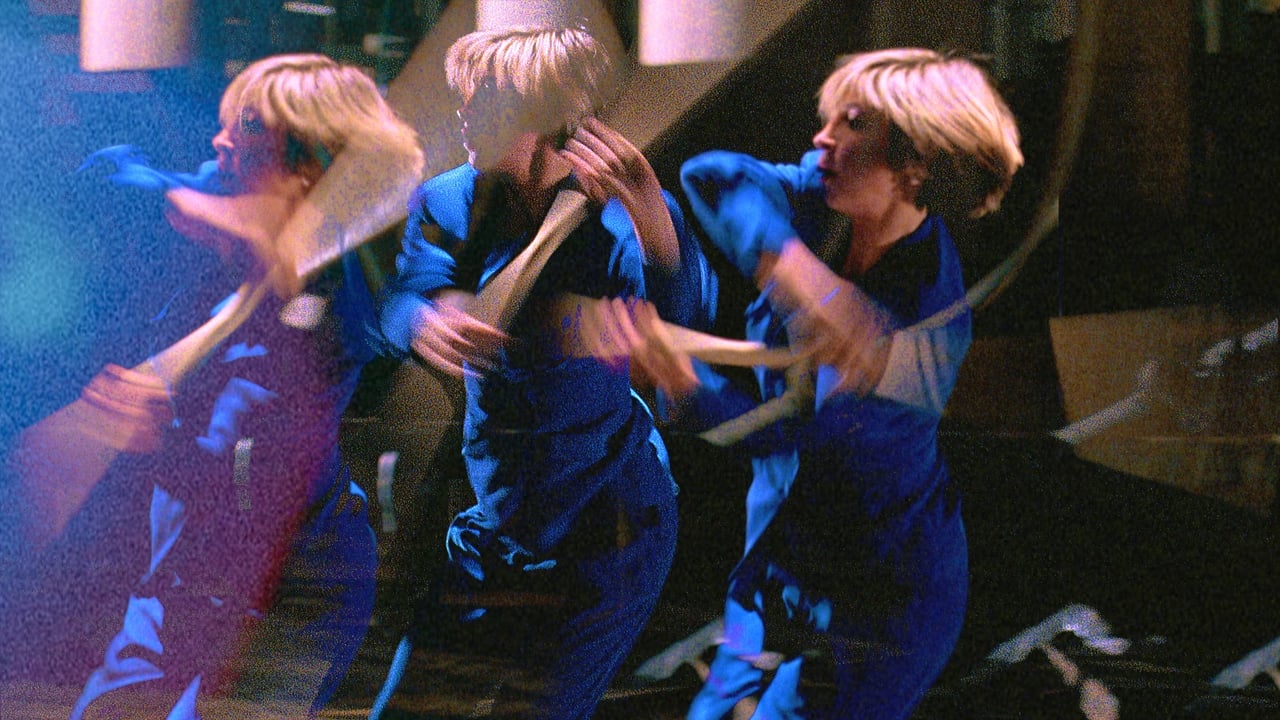
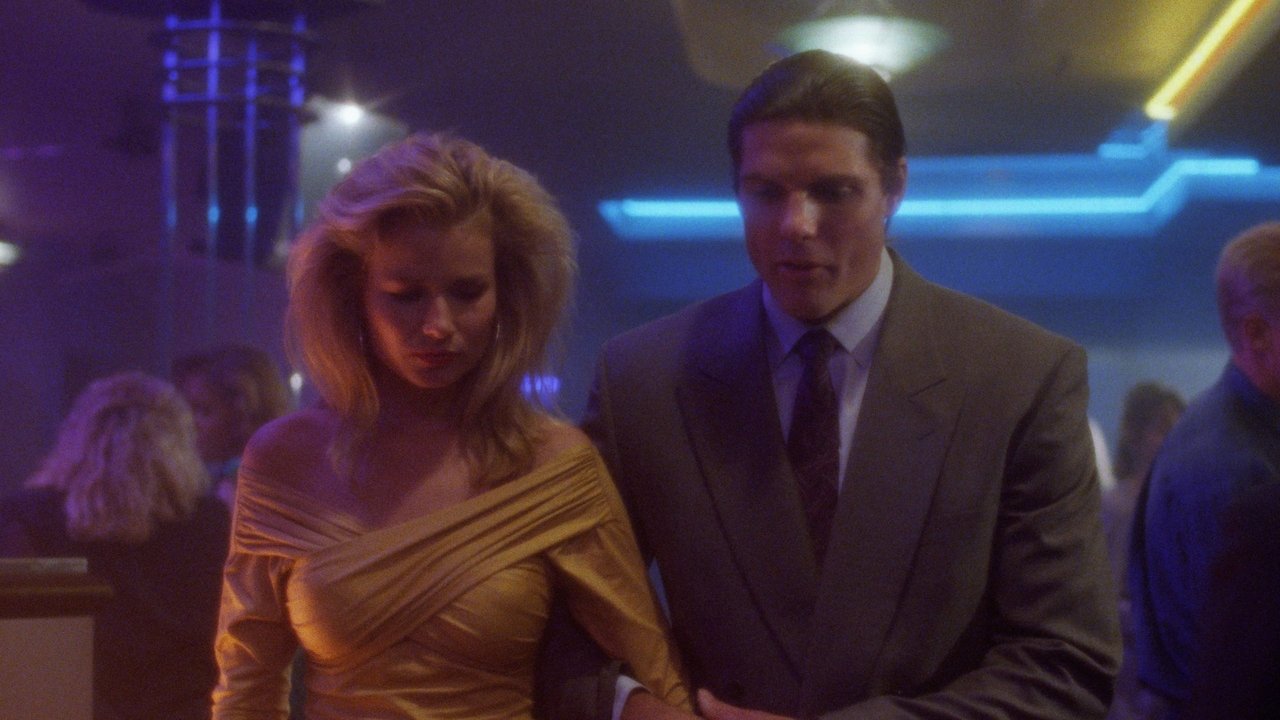
Picking up where the first Martial Law left off, we rejoin Detectives Sean Thompson (Jeff Wincott) and Billie Blake (Cynthia Rothrock). Wincott, already a familiar face from films like The Killing Man, brings that intense, coiled energy he was known for, while Rothrock, a bona fide queen of action cinema thanks to Hong Kong hits and US features like China O'Brien, radiates cool competence. This time, they're investigating a series of deaths linked to a fancy nightclub owner, Spencer Hamilton, played with slimy relish by Paul Johansson (yes, Dan Scott from One Tree Hill, looking decidedly younger and meaner!). The plot involves drugs, dirty cops, and the requisite underground fighting circuit – standard ingredients for the era, sure, but served up with genuine enthusiasm.
What always set these films apart, especially viewed through today's lens, was the commitment to the action. Director Kurt Anderson, who mainly worked in the DTV action realm, knew exactly what the audience came for. Forget shaky cams and hyper-editing designed to hide stunt doubles. Here, the camera often holds steady, letting us appreciate the performers' skills. Jeff Wincott, a legitimate black belt in Taekwondo, moves with a speed and precision that feels authentic. His kicks aren't just movie magic; they look like they connect with genuine force. Remember how real those bullet hits often looked back then, often achieved with squibs that felt far more visceral than digital blood puffs? This film delivers that same kind of tactile impact in its hand-to-hand combat.
### Fists of Fury, VHS Style
And then there’s Cynthia Rothrock. By '91, she was an established international action star, one of the few Western women headlining martial arts films. Her background in multiple disciplines shines through – fluid movements, scorpion kicks that looked legitimately painful, and an undeniable screen presence. The pairing of Wincott and Rothrock was a stroke of genius for producer Pierre David, a prolific name in Canadian and DTV genre filmmaking. They had a believable partnership, a chemistry built on mutual respect and the shared language of expertly delivered roundhouses.
One fun fact often overlooked is the sheer physicality demanded by these lower-budget productions. While not boasting Hollywood blockbuster resources (the film likely had a budget well under $5 million, typical for its market), the stunt work is often impressive because it feels grounded. You see real people performing complex choreography, often without the safety nets (literal and figurative) common today. There's a sequence involving a fight in a confined space – I think it was a warehouse or garage – that perfectly captures this gritty aesthetic. It’s not overly polished; it feels messy, dangerous, and immediate, much like the grainy image on your trusty CRT television back in the day. Wasn't that raw energy part of the appeal?
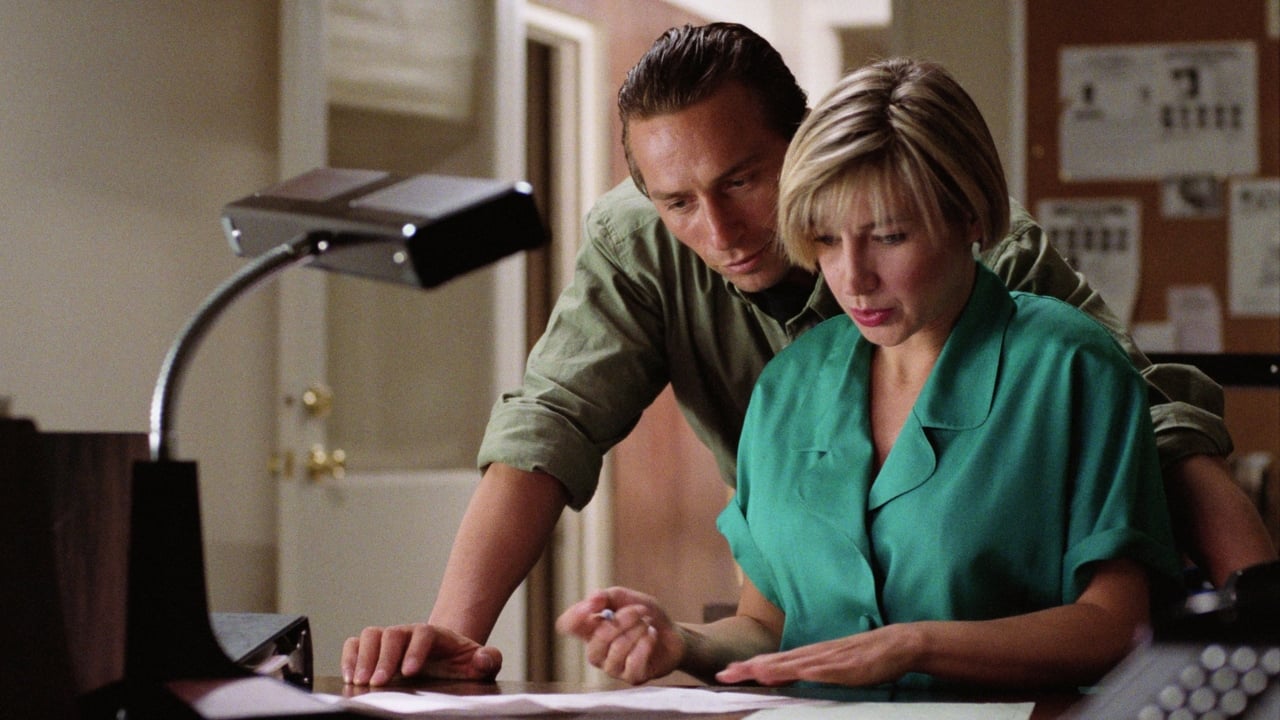
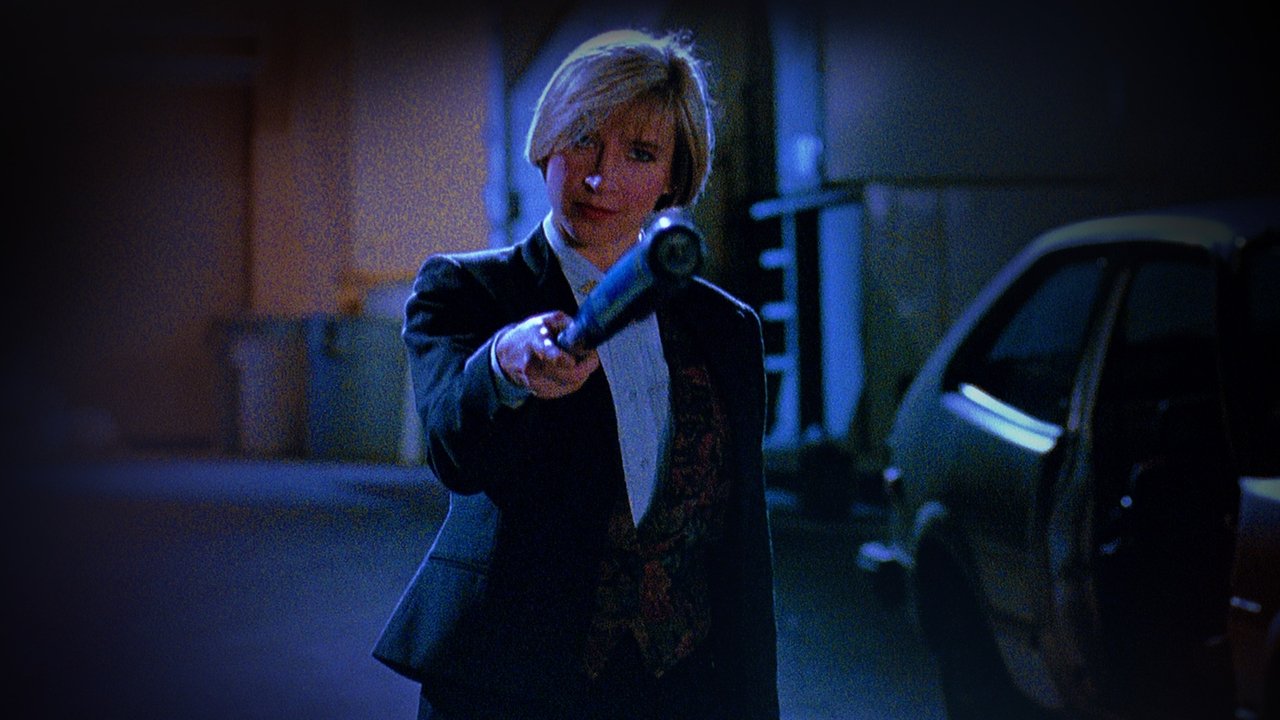
The film isn't without its 90s quirks, of course. The dialogue occasionally dips into delightful cheese, the undercover outfits are wonderfully era-specific, and the plot mechanics sometimes feel… convenient. But honestly, that's part of the charm. You didn't rent Martial Law II for intricate plotting; you rented it for the promise of Wincott and Rothrock cleaning house. It’s a testament to their charisma and skill that they elevate the material. It’s also worth noting writer Richard Brandes, who penned several other DTV actioners – he clearly understood the formula.
### Low Budget, High Impact
Compared to its predecessor, Martial Law II: Undercover arguably ups the ante on the action front, leaning more heavily into the martial arts prowess of its leads. While the first film had its moments, this sequel feels more confident in its identity as a showcase for Wincott and Rothrock. It knew its audience – fans craving straightforward, well-executed fight scenes – and catered directly to them. Did critics rave? Probably not. Did it dominate the box office? Definitely not, as it was primarily a straight-to-video success story. But on the shelves of Blockbuster and local rental shops, it found its loyal following. I distinctly remember the tape being perpetually rented out on weekends.
The supporting cast does its job, with Johansson making a perfectly hateable villain. The score is typical early 90s synth-heavy action fare – effective in driving the pace, if not particularly memorable on its own. It's the kind of movie where the practical effects, the tangible stunt work, and the sheer screen presence of its leads carry the day. It’s a product of its time, certainly, but made with a level of craft and respect for the genre that still resonates.
---
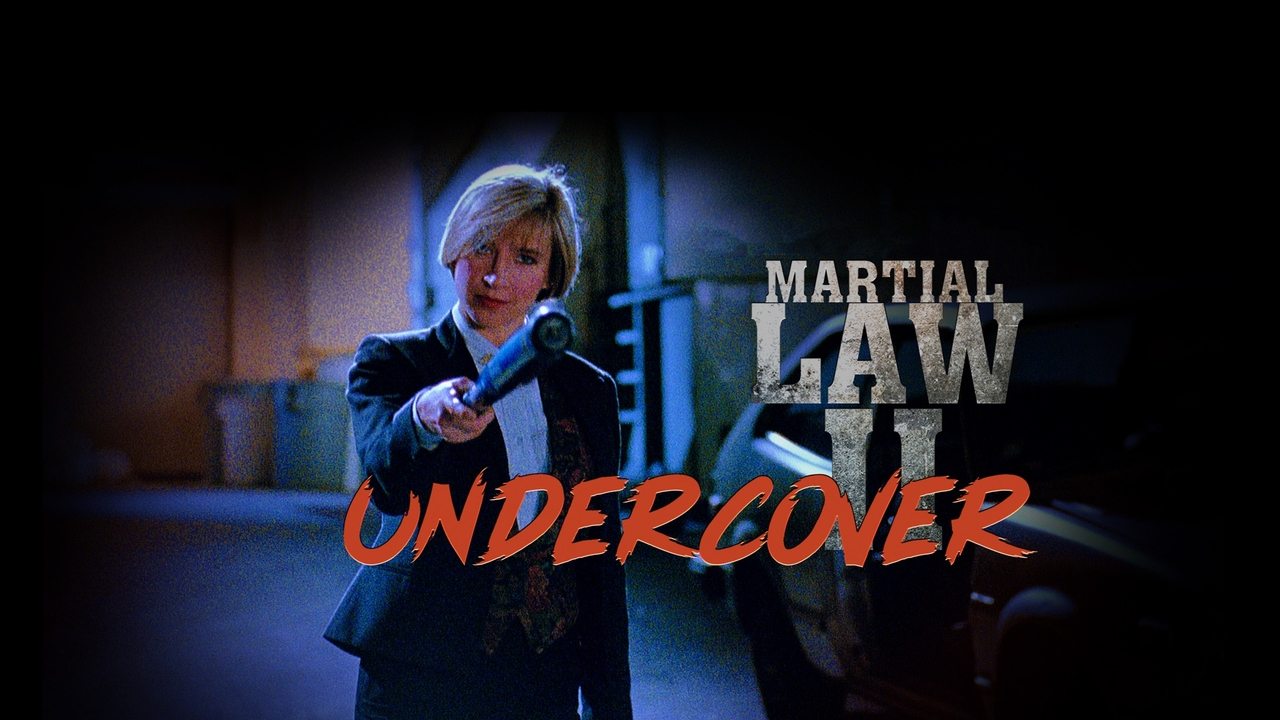
VHS Heaven Rating: 7/10
Justification: Martial Law II: Undercover delivers exactly what it promises: solid, unpretentious 90s martial arts action headlined by two charismatic leads at the top of their DTV game. The plot is standard, and the production values reflect its budget, but the fight choreography featuring Jeff Wincott and Cynthia Rothrock is genuinely impressive and refreshingly grounded compared to modern CGI spectacles. It might be dated in some respects, but the energy and practical skill on display earn it a strong recommendation for fans of the genre and era.
Final Take: Forget glossy perfection; this is the glorious, slightly gritty, high-kicking action that made browsing the video store shelves such a thrill – pure, unadulterated VHS combat heaven.