Alright, fellow tapeheads, dim the lights, maybe crack open a can of something fizzy, and let’s talk about a real head-scratcher from the shelves of yesteryear. Remember scanning the aisles, maybe past the action heroes and slasher villains, and landing on… a cartoon dog that looked suspiciously like Rodney Dangerfield? Yep, we’re diving headfirst into the bizarre, slightly threadbare, but undeniably unique world of Rover Dangerfield (1991). This wasn't your average Saturday morning fare; it was the legendary comedian pouring his whole "no respect" shtick into an animated canine, and the result is something you just had to see back then, even if you weren't quite sure why.

### From Vegas Glitz to Cow Pies
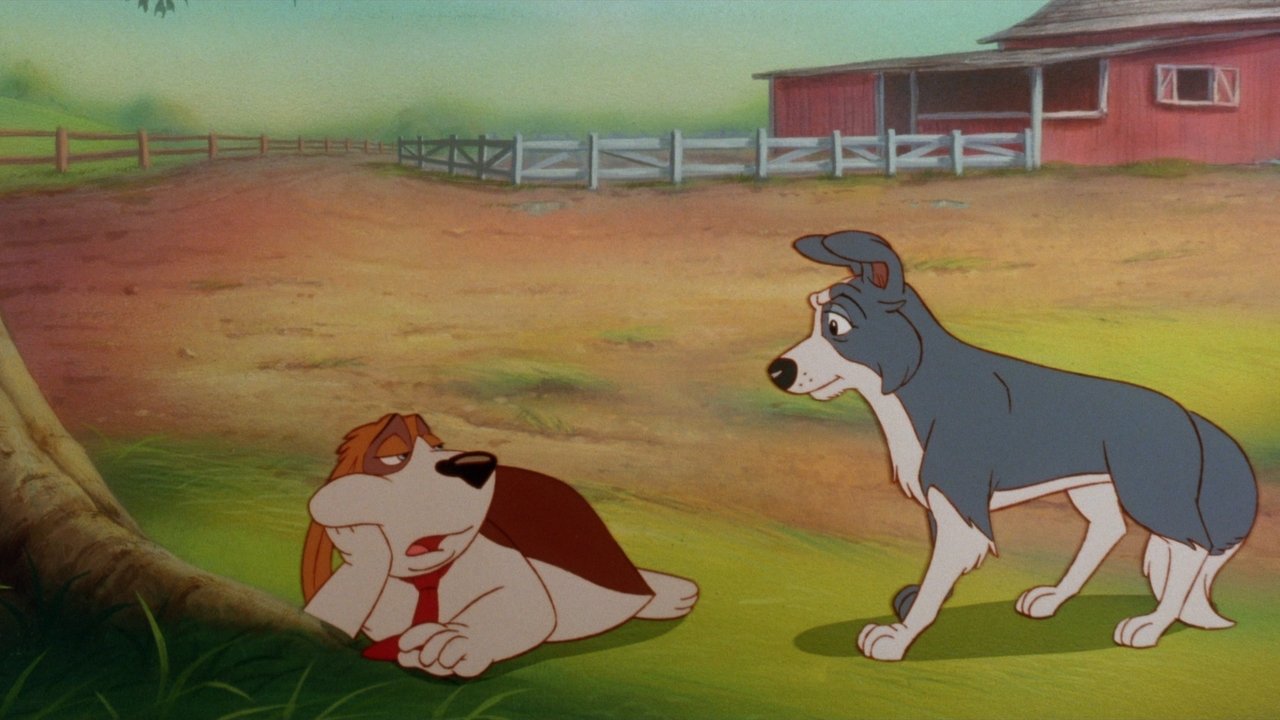
The setup is pure Dangerfield, filtered through a Hanna-Barbera lens. Rover is a wisecracking Las Vegas show dog, living the high life with his dancer girlfriend Connie, throwing zingers faster than poker chips. He’s got pals, he’s got gals, he’s got… well, he’s got Rodney’s voice and timing, which is the entire point. But when Rover inadvertently foils a shady deal involving Connie’s nefarious boyfriend Rocky (Ronnie Schell), he finds himself dumped off Hoover Dam (yes, really) and winds up on a humble farm. It’s a classic fish-out-of-water (or dog-out-of-casino) story, pitting Rover’s city-slicker sensibilities against the manure-scented realities of rural life.
The culture clash provides most of the gags, naturally. Rover tries to teach farm animals poker, cracks wise about the lack of fire hydrants, and generally complains his way through chores. It’s essentially Dangerfield’s stand-up act transplanted onto four legs. Does it always work? Honestly, no. The jokes can feel repetitive, leaning heavily on familiar Dangerfield refrains ("I tell ya...", "No respect!"), but there’s a certain goofy charm to hearing them come out of this animated mutt. It’s like watching a celebrity roast hosted by cartoon animals.
### The Man Behind the Mutt
You can’t talk about Rover Dangerfield without acknowledging the comedian’s massive input. This wasn't just a voice gig for Rodney Dangerfield; it was a passion project. He co-wrote the script (alongside comedy titan Harold Ramis of Ghostbusters (1984) and Groundhog Day (1993) fame – a surprising credit!), penned some of the songs, and reportedly had significant creative control, even sinking some of his own money into it when Warner Bros. got hesitant. Rumor has it the production stretched over several years, partly due to Dangerfield’s meticulousness (or perhaps perfectionism) regarding how his animated alter-ego looked and sounded. He wanted this dog to be him, right down to the bulging eyes and fidgety tie-tugging (transposed onto Rover’s neckerchief, of course). That personal investment bleeds through the screen, giving the film a peculiar sincerity beneath the barrage of one-liners.
### That Early 90s Animation Vibe
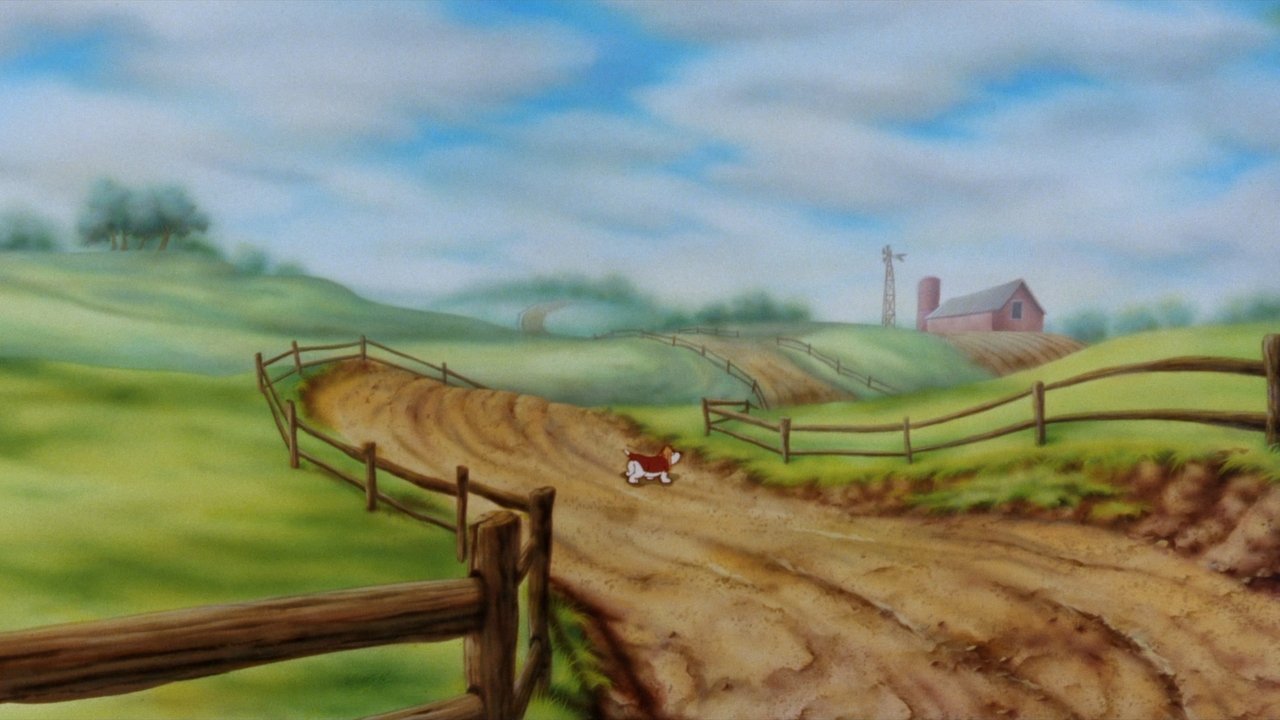
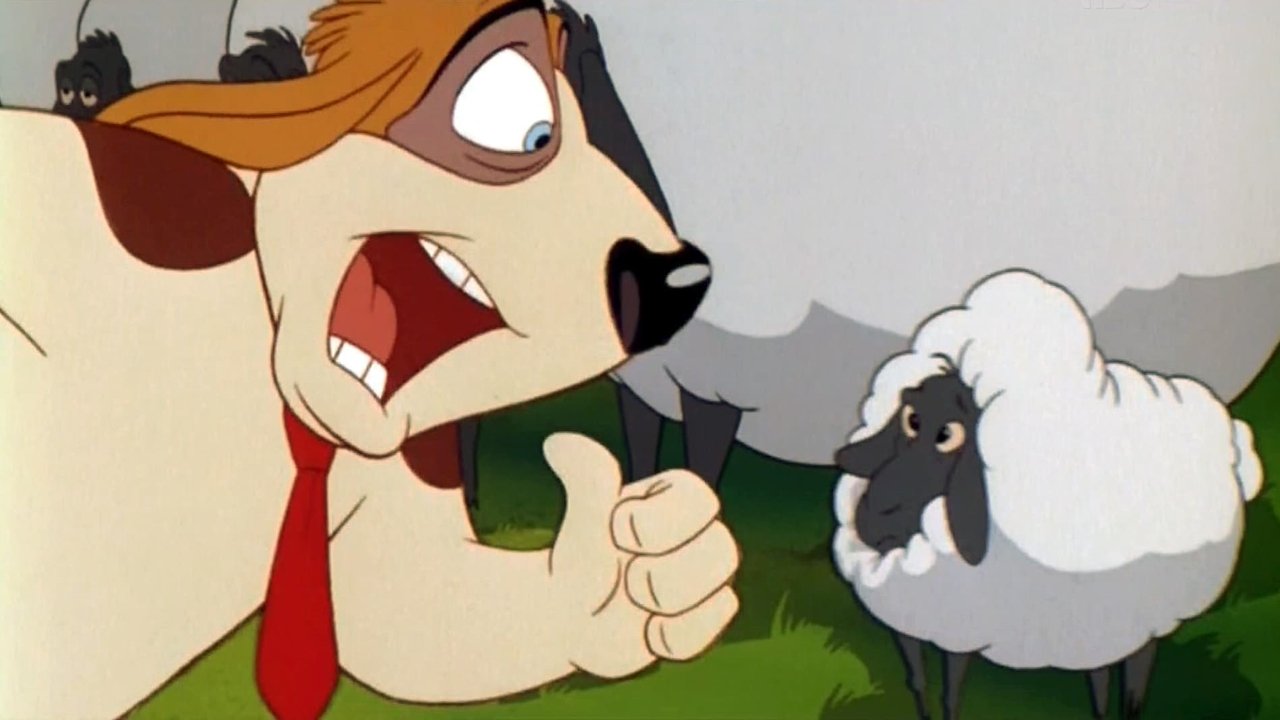
Visually, Rover Dangerfield screams "early 90s non-Disney animation." Directed by James L. George and Bob Seeley, veterans of numerous animated series, the style is functional, certainly a step above basic TV cartoons of the era, but lacking the fluidity and budget of the Disney Renaissance happening concurrently. Remember how animation sometimes felt a little… stiffer back then, unless it had that Mouse House magic? That's the vibe here. The character designs are appealing enough, especially Rover himself, who perfectly captures Dangerfield's hangdog expression. The backgrounds do their job, shifting from the neon glow of Vegas to the earthy tones of the farm. It’s not groundbreaking, but it’s competent, and honestly, the slightly rough-around-the-edges feel kinda suits the main character. It wouldn't feel right seeing Dangerfield rendered with Pixar polish, would it?
The musical numbers, often penned or co-penned by Dangerfield, are… well, they exist. "I'd Never Do It On A Christmas Tree" is probably the most memorable, purely for its audacious title and typical Dangerfield self-deprecation. They’re not exactly Ashman & Menken, but they add to the film’s quirky personality.
### Respect? Well, Some...
Upon release, Rover Dangerfield didn't exactly set the box office on fire (a modest $1.7 million gross against a reported budget somewhere north of $8 million - ouch), nor did it wow critics. It was seen, perhaps fairly, as a vanity project with limited appeal beyond hardcore Dangerfield fans. Yet, like so many films from the VHS era, it found a second life on home video. Renting this felt like discovering a weird little secret. It wasn't Who Framed Roger Rabbit (1988), but it had personality, largely thanks to its star pouring his entire comedic identity into it.
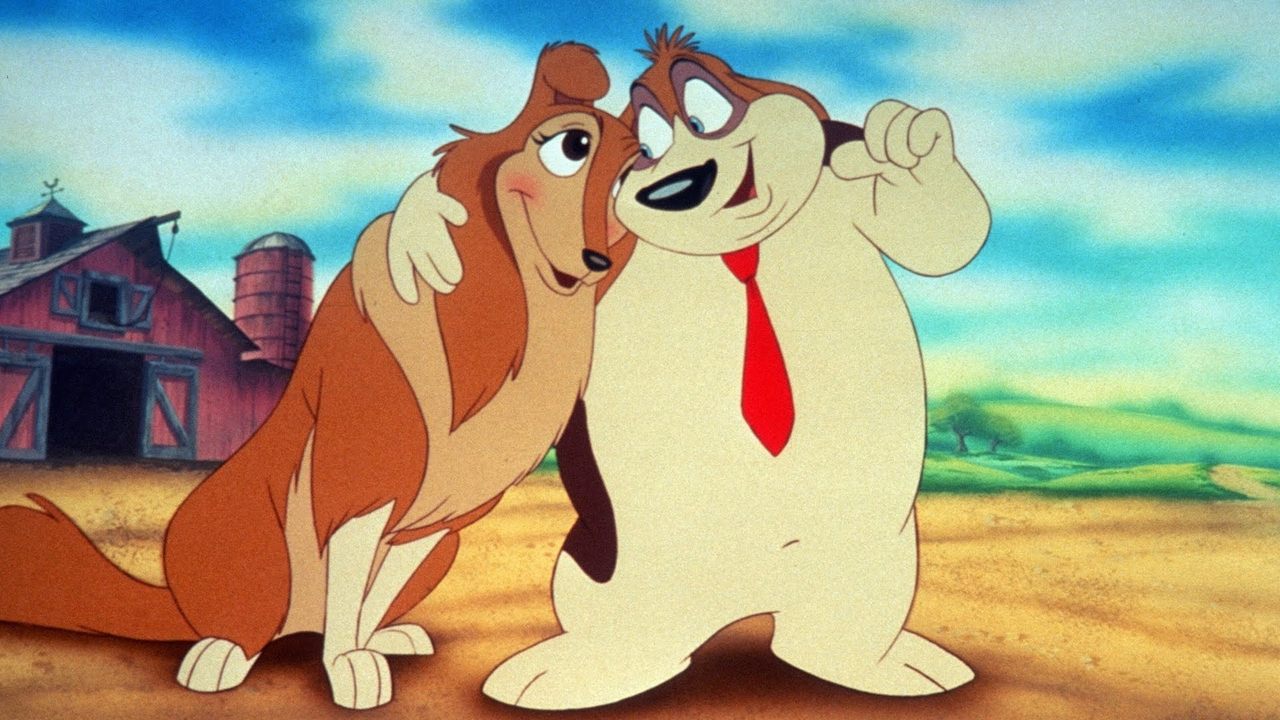
Watching it today, the film is undeniably dated. The pacing sometimes drags between jokes, and the plot mechanics (especially the gangster subplot) feel perfunctory. But there's an earnestness there. Rover’s eventual growth, learning to appreciate farm life and his new friends (including the fetching collie Daisy, voiced by Susan Boyd), adds a touch of heart that prevents it from being purely cynical. And let's be honest, hearing Rodney Dangerfield argue with a turkey is still kind of funny in a profoundly specific, early-90s way.
Rating: 5.5/10
Justification: Rover Dangerfield gets points for sheer audacity and the undeniable presence of its star, whose comedic DNA permeates every frame. It's a fascinating time capsule of a specific comedian's attempt to translate his persona into animation. However, repetitive jokes, standard animation, and a thin plot keep it from being a true classic. It earns its score mostly through nostalgic charm and the curiosity factor.
Final Take: A cinematic oddity tailor-made for the VHS generation – it might not get much respect from modern eyes, but for Dangerfield fans or lovers of animation curios, Rover Dangerfield is a fuzzy, flawed, but strangely endearing trip down memory lane. Now, if you'll excuse me, I gotta find a decent fire hydrant...