Okay, fellow tape travelers, let's rewind to a time when animation felt hand-crafted and adventure arrived through the flickering glow of a CRT screen. Remember stumbling upon a treasure, maybe not at a flea market like Tintin, but in the hallowed aisles of the video rental store? That feeling of unearthing something special, something brimming with mystery and promise? That's the very essence captured in the 1991 animated feature, The Secret of the Unicorn. This wasn't just another cartoon; for many of us, it was a passport to a world meticulously drawn and thrillingly explored.
### More Than Just Ink on Screen
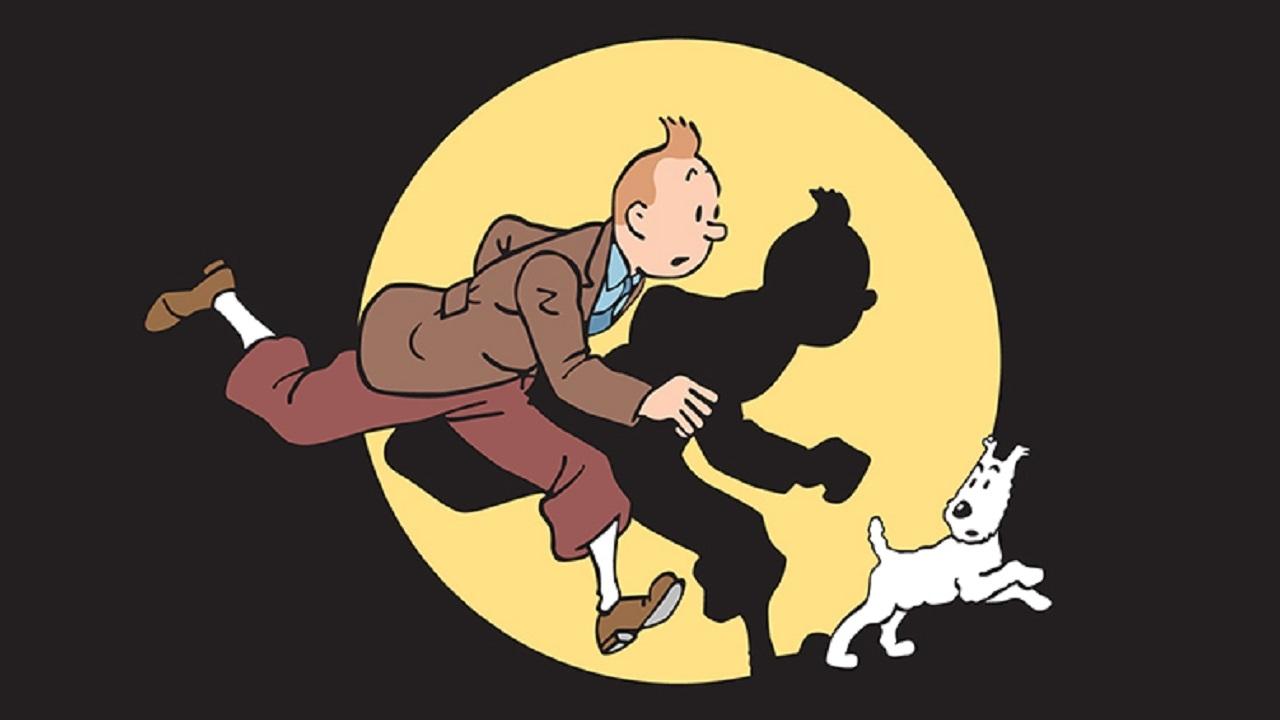
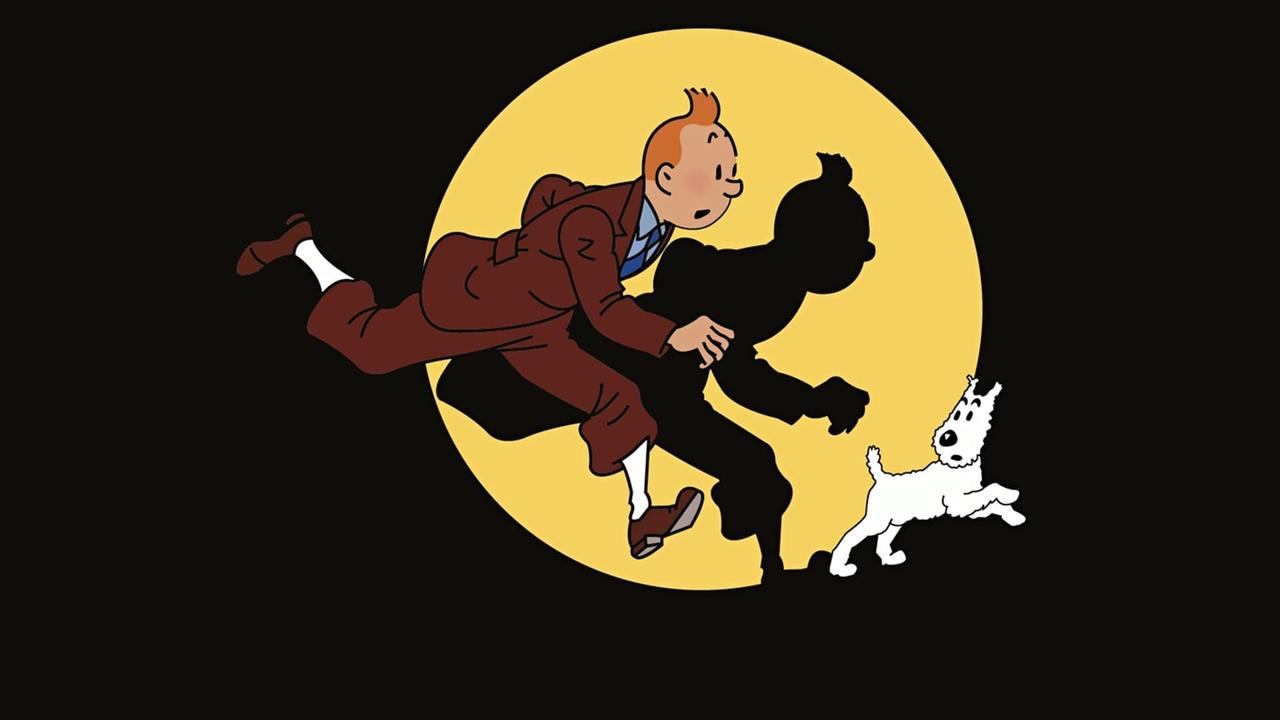
Adapting the legendary Hergé's work is no small feat. His ligne claire ("clear line") style is iconic – deceptively simple, yet bursting with detail and dynamic energy. This animated adaptation, directed by Stéphane Bernasconi as part of the broader, highly regarded French/Canadian series The Adventures of Tintin (produced by Ellipse Programme and Nelvana), tackled this challenge head-on. While animation purists might debate the nuances forever, there’s an undeniable charm and faithfulness here. The animators clearly revered the source material, translating Hergé's panels into moving images with remarkable care. The distinctive look of Tintin, the perpetually exasperated Captain Haddock, the loyal Snowy, and the bumbling Thomson and Thompson – they were all brought to life in a way that felt instantly familiar and deeply satisfying to fans of the comics.
This specific "movie" version often seen on VHS is actually a clever combination of two beloved Tintin albums: The Secret of the Unicorn and its direct sequel, Red Rackham's Treasure. Seamlessly edited together, they form one grand narrative arc that takes our intrepid boy reporter from a bustling Brussels market to the treacherous depths of the ocean. It’s a smart move, delivering a complete, high-stakes adventure in one sitting – perfect for a rainy Saturday afternoon rental.
### A Spirited Adventure Unfurls
The story kicks off, as it famously does, with Tintin (Colin O'Meara providing the earnest, youthful voice) purchasing a magnificent model ship, the Unicorn. Almost immediately, sinister figures emerge, desperate to acquire the model themselves. This seemingly innocent purchase plunges Tintin and Snowy into a whirlwind of coded messages hidden within replica masts, menacing collectors, ancestral curses, and the introduction of one of literature's greatest curmudgeons: Captain Haddock.
Ah, Captain Haddock! Voiced with glorious bluster by David Fox, Haddock's arrival injects the story with hilarious frustration ("Billions of blue blistering barnacles!") and surprising heart. His connection to the legendary Sir Francis Haddock and the lost treasure provides the emotional core of the second half. The dynamic between the ever-optimistic Tintin and the perpetually put-upon Captain is pure gold, providing much of the film's humor and warmth. And let's not forget the indispensable Snowy, whose canine intuition often saves the day, rendered here with just the right mix of loyalty and comic relief. The bumbling detectives Thomson and Thompson (Dan Hennessey voiced both, capturing their identical yet distinct ineptitude) add another layer of delightful chaos.
### Crafting a Classic on Tape
The animation, while perhaps lacking the fluidity of modern standards, possesses a distinct character. It prioritizes clarity and storytelling, mirroring Hergé's own artistic philosophy. The backgrounds are often rich with detail, inviting you to pause the tape (if your VCR tracking could handle it!) and soak in the atmosphere. The score, too, plays a crucial role, subtly building tension during the mystery sequences and swelling appropriately during moments of discovery or peril. It complements the visuals without ever overwhelming them, maintaining that classic adventure serial feel.
One of the real triumphs of this adaptation is its pacing. It masterfully balances exposition, investigation, action, and humor. Think of the thrilling sequence involving the Bird Brothers, the palpable sense of discovery as Tintin deciphers the parchments, or the claustrophobic wonder of the deep-sea dive in Professor Calculus's shark submarine (a highlight pulled from Red Rackham's Treasure). These moments felt genuinely exciting back then, proof that compelling animation didn't need flashy effects, just strong storytelling and character work. This series, and by extension this feature edit, was instrumental in introducing Hergé's world to a generation of viewers worldwide, often serving as the gateway drug to the original graphic novels.
### Retro Fun Facts
- The entire animated series aimed for extreme faithfulness, sometimes lifting dialogue and compositions directly from Hergé's panels. This dedication was a key reason for its positive reception among long-time fans.
- While beloved, the series wasn't without minor controversies – slight alterations were occasionally made for cultural sensitivity or pacing for television, though Unicorn/Red Rackham remained remarkably close to the source.
- Colin O'Meara voiced Tintin for the entire English run of the series, becoming the voice of the character for many English-speaking fans during the 90s.
- The series aired in numerous countries and was translated into dozens of languages, cementing Tintin's global appeal beyond the Franco-Belgian comics sphere. Finding this specific feature cut on VHS often felt like finding, well, treasure!
### The Verdict
The Secret of the Unicorn (or more accurately, the Unicorn/Red Rackham combo) is a gem of 90s animation. It captures the spirit of Hergé's timeless adventure with remarkable fidelity and charm. The voice acting is spot-on, the mystery is engaging, and the sense of globe-trotting excitement is palpable. It successfully translates the intricate plotting and character dynamics that made the books legendary. While the animation might show its age slightly, its clarity and dedication to the source material shine through, making it a delightful watch even today. It’s a perfect example of how adaptation, when done with respect and skill, can bring a beloved story to life for a new audience and format. For fans of classic adventure, animation history, or just pure, unadulterated fun, this tape is a treasure worth seeking out.
Rating: 8.5/10 – A wonderfully faithful and spirited adaptation that perfectly captures the joy and mystery of Hergé's creation. It skillfully blends two books into a satisfying whole, buoyed by great voice work and a clear reverence for the source. Minor animation limitations barely detract from the thrilling adventure.
So, dust off that imaginary fedora (or sailor cap!), pour yourself a glass of Loch Lomond (non-alcoholic, perhaps?), and revisit this classic. Great snakes, it holds up!