Alright, fellow tapeheads, let's dust off a slightly different kind of jewel from the back shelves of the anime section today. Slide this one into the VCR, maybe give the tracking a little nudge, and prepare for 1987's Lupin the Third: The Fuma Conspiracy (also known sometimes as Lupin III: Plot of the Fuma Clan). This isn't your everyday Lupin escapade pulled from the TV series reruns; this OVA (Original Video Animation – remember those slick, higher-budget direct-to-video releases?) hits different, right from the moment you hear the voices.
### A Familiar Heist, Unfamiliar Voices
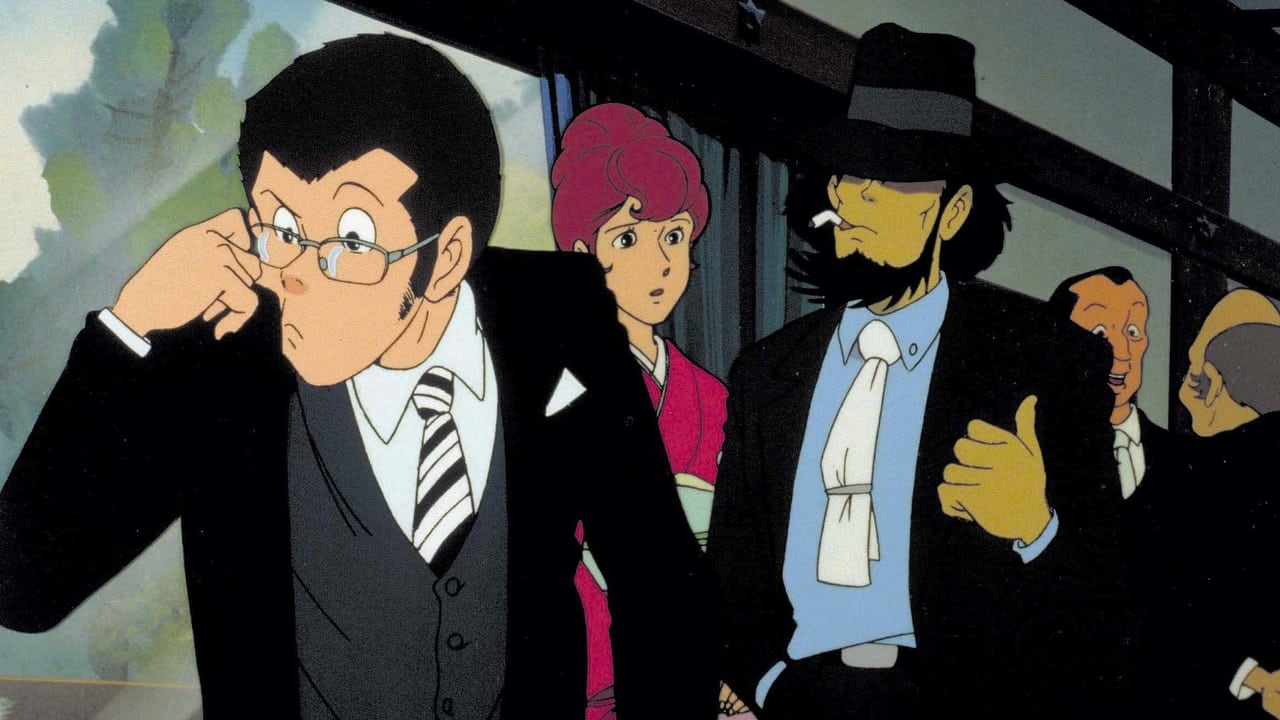
The setup feels comfortably Lupin: our stoic samurai pal Goemon Ishikawa XIII is finally tying the knot! But, naturally, his wedding to the lovely Murasaki Suminawa gets crashed harder than one of Lupin's getaway cars. The nefarious Fuma Clan ninjas descend, kidnapping the bride and demanding her family's ancient (and likely valuable) treasure map. Cue Lupin, Jigen, and Fujiko diving headfirst into the chaos, motives mixed as ever between helping their friend and eyeing the potential loot. And yes, ol' Inspector Zenigata isn't far behind, perpetually flustered but determined.
But let's address the oversized, fedora-wearing elephant in the room immediately. If you popped this tape in expecting the iconic voices of Yasuo Yamada (Lupin) or Kiyoshi Kobayashi (Jigen), you were in for a jolt. Due to reported budget constraints for this OVA project – a move that caused quite the stir among hardcore fans in Japan back in the day – the entire main voice cast was replaced. We get the talented Toshio Furukawa (known for roles like Piccolo in Dragon Ball Z) stepping into Lupin's loafers, Banjō Ginga (Gihren Zabi in Mobile Suit Gundam) as the gruff Jigen, the excellent Kaneto Shiozawa (Rei in Fist of the North Star) voicing Goemon, and Mami Koyama (Arale in Dr. Slump) as Fujiko. While these are all veteran voice actors delivering solid performances in their own right, the difference is undeniable. It takes a few minutes to adjust; it's like meeting an old friend who suddenly sounds completely different.
### Where the Budget Went: Sheer Animated Velocity
So, if the budget didn't go to the usual star voice cast, where did it go? Just look at this thing move. This is where The Fuma Conspiracy truly shines and earns its place on the shelf. The animation, largely handled by folks associated with the legendary Telecom Animation Film (who worked on landmarks like Castle of Cagliostro), is absolutely stellar for an '87 OVA. Forget the static shots and limited movement sometimes seen in TV anime of the era; this film flows.
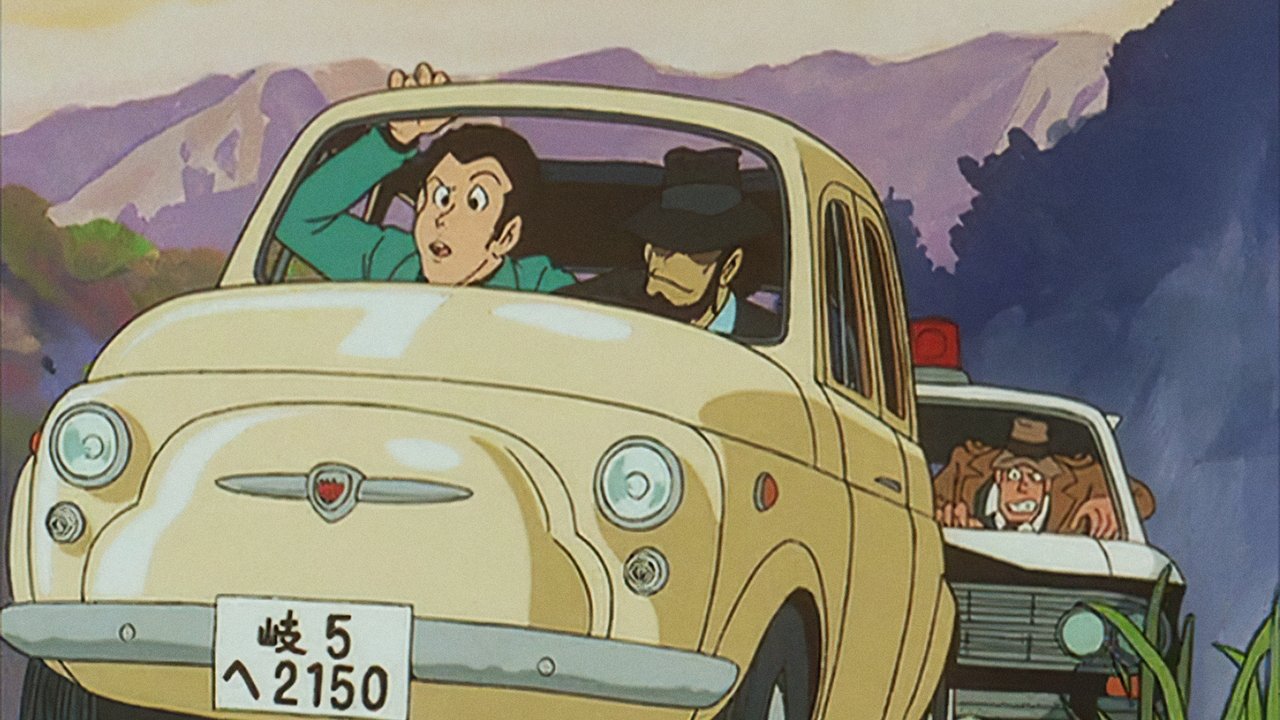
Remember those glorious, hand-drawn car chases before CGI smoothed everything out? Fuma Conspiracy delivers one for the ages. There's a sequence involving Lupin's beat-up Fiat 500 (or a similar yellow compact) tearing through winding mountain roads, pursued by the Fuma Clan, that is just breathtakingly fluid. The sense of speed, the physics-defying turns, the way the car realistically bounces and skids – it feels kinetic in a way that only meticulous, frame-by-frame traditional animation can achieve. You can almost feel the G-force. It’s pure, unadulterated animated stunt work, a testament to the artists' skill.

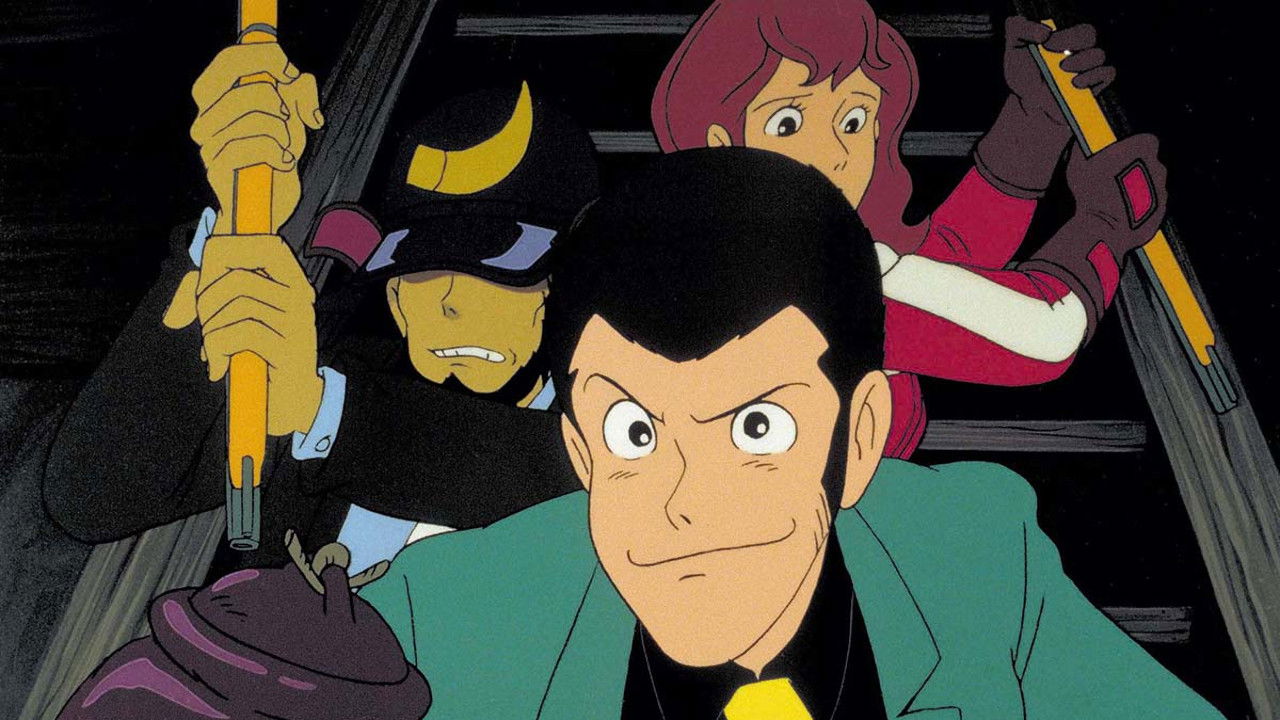
The ninja action, too, feels dynamic and impactful. Goemon's sword fights are lightning fast, the Fuma Clan move with acrobatic grace, and the occasional bursts of cartoonish violence (this is Lupin, after all) land with comedic punch thanks to the expressive animation. This feels like the kind of quality animation you’d expect from a theatrical feature, squeezed onto a VHS tape for home enjoyment – a real treat back then.
### A Different Beat
Adding to the unique feel is the music. The legendary Yuji Ohno, whose jazzy, iconic scores are synonymous with Lupin III, sits this one out. Instead, composer Kiyoshi Miyaura provides the soundtrack. It's perfectly serviceable, hitting the right adventurous and suspenseful notes, but it lacks that instantly recognizable Ohno funk and flair. It's another element that sets Fuma Conspiracy apart, contributing to its distinct identity within the vast Lupin universe.
The direction by Masayuki Ōzeki, who primarily worked on Lupin TV episodes before this, keeps things brisk and focused on the action-adventure plot. It doesn't quite have the auteurial stamp of a Miyazaki or the melancholic undertones found in some other Lupin entries, but it delivers a tightly paced, visually engaging heist romp. It knows what it is: a showcase for incredible animation wrapped around a classic Lupin storyline.
### The Verdict on This Fuma Find
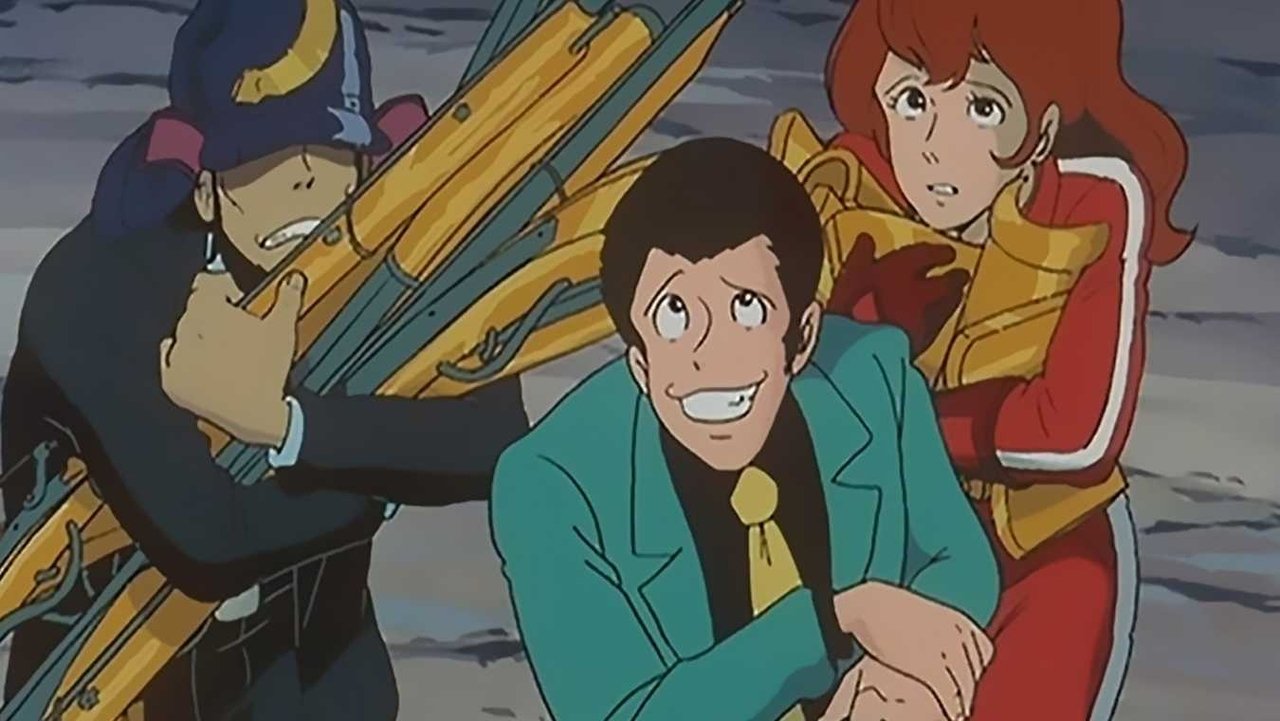
Watching Lupin the Third: The Fuma Conspiracy today is a fascinating experience. The initial hurdle of the different voice cast remains, and for some purists, it might be insurmountable. However, if you can acclimatize, you're rewarded with arguably some of the most fluid and beautifully animated action sequences in the entire franchise's pre-digital history. It’s a visual feast that demonstrates the peak of hand-drawn anime craft from the late 80s home video boom. My own well-worn tape certainly got a lot of play back in the day, the sheer energy of the animation overcoming any initial voice-cast dissonance. It might not be the definitive Lupin adventure, but it's a high-octane, visually stunning one that deserves recognition.
Rating: 8/10 – Points docked slightly for the jarring (though understandable) voice cast change and the less memorable score, but the phenomenal, movie-quality animation and sheer fun factor elevate it significantly.
Final Thought: A must-see for Lupin fans willing to embrace the different, and a prime example of that glorious late-80s OVA era where stunning traditional animation was king – something that feels almost like a treasure map find itself these days.