Ah, Lupin the Third. Just hearing the name conjures up images of a lanky, grinning master thief, impossible heists, and that ridiculously catchy theme tune. If you haunted the anime shelves of your local video store back in the day, you likely stumbled across the adventures of Arsène Lupin's equally audacious grandson. While Hayao Miyazaki's The Castle of Cagliostro (1979) often gets the spotlight (and deservedly so), the Lupin universe is vast. And kicking off a long-running tradition of annual feature-length adventures was 1989's Lupin the Third: Bye Bye, Lady Liberty. This wasn't just another caper; it was the very first Lupin TV special, setting a precedent for globe-trotting escapades delivered right to our CRT screens.

Stealing Liberty Itself? Almost!
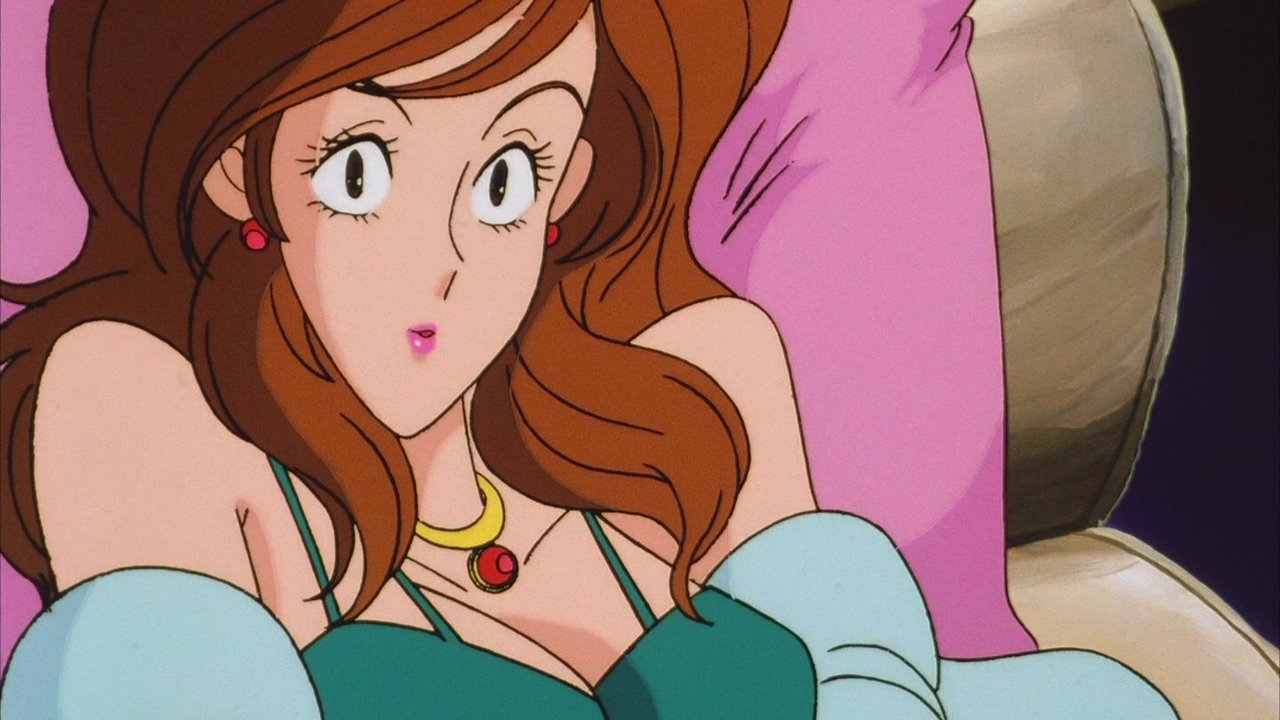
The premise is pure Lupin: our favourite gentleman thief sets his sights on the "Super Egg," a colossal diamond said to be hidden inside the Statue of Liberty. Yes, you read that right. Only Lupin would conceive of such a brazen target. Naturally, he's not alone. His ever-reliable (and eternally cool) partners are along for the ride: the sharpshooting, chain-smoking Daisuke Jigen (voiced with gravelly perfection by Kiyoshi Kobayashi) and the stoic, blade-wielding Goemon Ishikawa XIII (the brilliant Makio Inoue). Of course, the dangerously alluring Fujiko Mine (Eiko Masuyama) is playing her own game, and the dogged Inspector Zenigata (Gorō Naya) is never far behind, bellowing Lupin's name to the heavens. Add a shadowy secret society known as the "Three Masons" and a young computer whiz named Michael, and you've got the ingredients for a classic Lupin scramble.
It's the kind of plot that felt wonderfully larger-than-life on a flickering television screen. Forget intricate character studies; this was about the thrill of the chase, the outlandish gadgets, and the sheer, unadulterated fun of watching Lupin outwit impossible odds. Written by Hiroshi Kashiwabara, working from Monkey Punch's iconic source material, the story bounces from New York to Paris with infectious energy. I distinctly remember the feeling of settling in to watch something like this – it promised pure escapism, a cartoon world where physics were suggestions and charisma could unlock any door (or vault).
Dezaki's Stylish Stamp
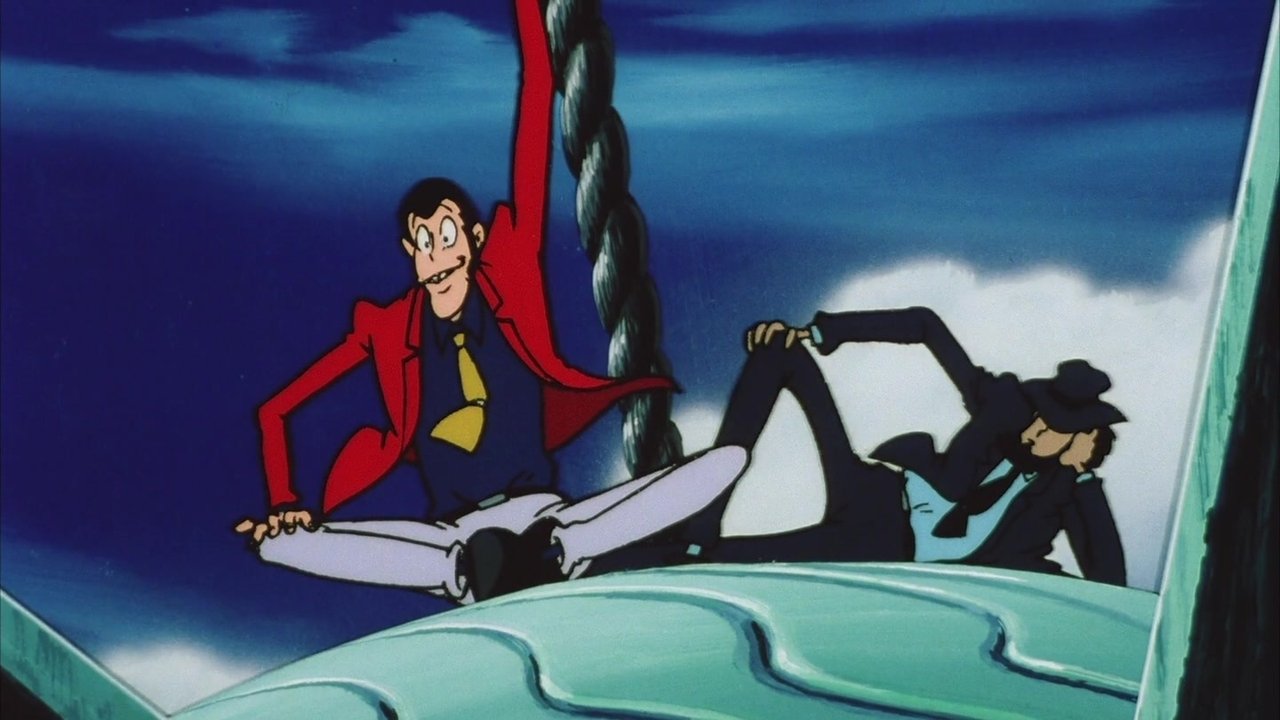
What elevates Bye Bye, Lady Liberty beyond just another adventure is the hand of its director, the legendary Osamu Dezaki. Anyone familiar with his work on shows like Space Adventure Cobra or Ashita no Joe will instantly recognize his signature style. Dezaki wasn't afraid to be dramatic, employing intense lighting, dynamic camera angles, and his famous "postcard memories" – those moments where the action freezes into a beautifully rendered still frame, often washed in dramatic light or sepia tones. It adds a layer of visual flair that makes even the limitations of a TV special budget feel cinematic. You see it in the glint off Jigen's hat brim, the swiftness of Goemon's blade, or the exaggerated expressions of Zenigata's frustration. Dezaki knew how to make animation pop, even within the constraints of late-80s television production.
The Heartbeat of Lupin: The Voices
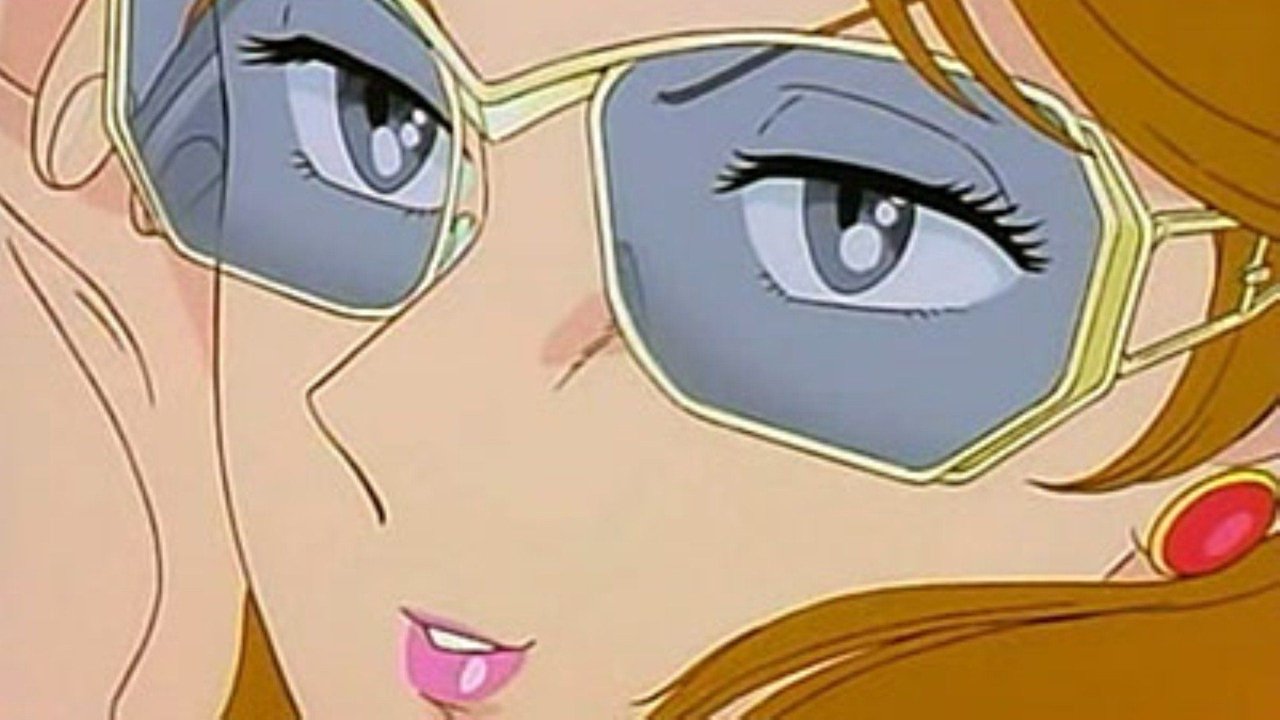

For many long-time fans, the definitive voice cast is Lupin. And Bye Bye, Lady Liberty features the quintessential lineup. The irreplaceable Yasuo Yamada voices Lupin with that perfect blend of suave confidence, goofy charm, and underlying cleverness. His performance is Lupin III for an entire generation of viewers, and hearing his distinctive voice here is like welcoming back an old friend. The easy camaraderie and bickering between Lupin, Jigen, and Goemon feels utterly natural, thanks to the decades these actors spent embodying these characters. Even if you watched a dubbed version back in the day (perhaps the Streamline Pictures release that found its way onto many VHS shelves), the energy of the original performances shines through the animation.
Retro Fun Facts: The First of Many
Being the inaugural TV special is Bye Bye, Lady Liberty's main claim to fame within the Lupin canon. It aired on NTV in Japan on April 1st, 1989, and proved successful enough to launch an annual tradition that continued for decades, becoming a fixture for Japanese viewers. While perhaps not possessing the fluid animation budget of a theatrical feature like Cagliostro, Dezaki's stylish direction ensures it punches above its weight visually. It’s a fascinating look at late 80s anime production values – sharp character designs typical of the era, detailed backgrounds for the exotic locales, and action sequences that prioritize dynamic posing and quick cuts over intricate fluid motion. It captures that specific aesthetic perfectly, a time capsule of anime just before the digital revolution truly took hold.
Does Liberty Still Beckon?
Watching Bye Bye, Lady Liberty today is a delightful trip back. Sure, some plot elements might feel a bit familiar if you're steeped in Lupin lore, and the animation, while stylish, is definitely of its time. But the core appeal remains potent. The interplay between the main characters is timeless fun, the action is zippy and inventive (Lupin scaling Lady Liberty!), and Dezaki's direction gives it a visual identity that stands out. It perfectly encapsulates the globe-trotting, high-stakes, yet fundamentally lighthearted spirit of Lupin III. It might not be the deepest or most groundbreaking Lupin adventure, but it’s a thoroughly entertaining one that laid the groundwork for countless specials to come. It reminds you why this franchise, born from Monkey Punch's manga back in 1967, has endured for so long: pure, unadulterated, charismatic fun.
---
Rating: 7.5/10
Bye Bye, Lady Liberty is a strong start to the Lupin TV specials legacy. While perhaps overshadowed by theatrical releases, Osamu Dezaki's stylish direction, the iconic voice cast led by Yasuo Yamada, and a ridiculously fun central heist make it a must-watch for Lupin aficionados and a thoroughly enjoyable slice of late-80s anime adventure. It doesn't quite reach the sublime heights of Cagliostro, but it delivers exactly what you want from a Lupin caper: action, laughs, and charm to spare.
It's the kind of adventure perfectly suited for that worn VHS tape – reliable, entertaining, and always ready to whisk you away on another impossible mission.