It’s 1995. The world feels poised on the cusp of something – the internet is becoming a thing, technology is accelerating, and maybe, just maybe, those dusty prophecies hold some weight after all. It’s into this slightly anxious, futuristic-yet-retro vibe that Lupin the Third sashays, attempting one of his most audacious capers yet in Lupin the Third: Farewell to Nostradamus. This wasn't just another heist; it felt grander, darker, grappling with fate itself, all while trying to snatch a legendary diamond. For many of us catching Lupin adventures on well-worn tapes or late-night TV slots, this feature film felt like a significant event, a cinematic step-up for our favourite gentleman thief.
Prophecies, Panic, and Priceless Jewels
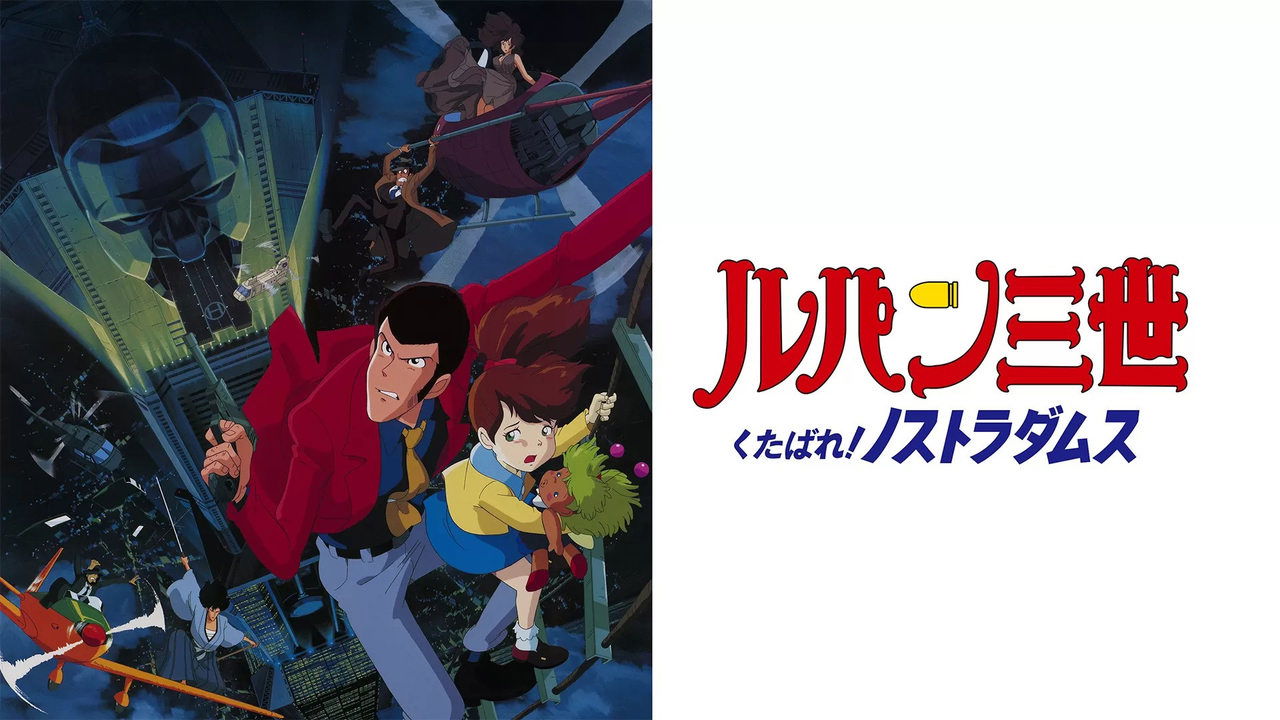
Directed with a supervisory eye by Lupin veteran Shun Mizushima and helmed by Toshiya Shinohara, with a screenplay by Hiroshi Kashiwabara based on Monkey Punch's enduring characters, Farewell to Nostradamus throws Lupin, Jigen, and Goemon into a plot swirling around the lost prophecies of the titular seer. The target? The Nostradamus Diamond, naturally. The complication? A sinister, high-tech cult led by the charismatic Douglas and his seemingly psychic daughter, Julia, operating out of the colossal, almost impossibly tall Earth Building skyscraper in fictional São Paulo. The cult is using manipulated interpretations of Nostradamus's verses to gain power and sow chaos, and Lupin’s crew, along with the ever-pursuing Inspector Zenigata and the delightfully unpredictable Fujiko Mine, get caught right in the middle. It’s a setup ripe for classic Lupin action – impossible infiltrations, narrow escapes, and witty banter under fire.
A Master Thief's Curtain Call
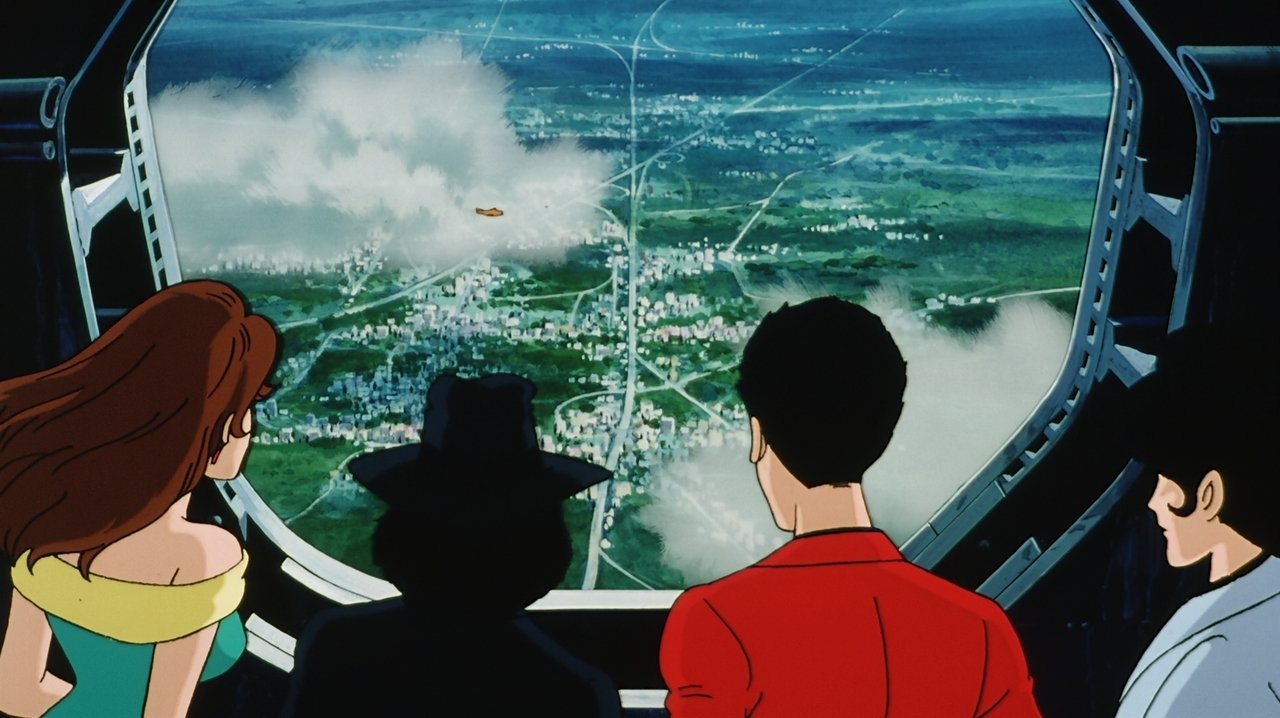
What truly elevates Farewell to Nostradamus beyond just another entertaining Lupin romp is its poignant place in the franchise's history. This film marks the final performance of the legendary Yasuo Yamada as the voice of Lupin III. Yamada was Lupin for generations of fans, his distinctively playful, occasionally melancholic, always charismatic voice defining the character since the early 70s. Tragically, Yamada passed away shortly after the film's release, lending an unintended layer of farewell to the proceedings. Knowing this now, watching Lupin navigate the dangers of the Earth Building carries a different weight. Yamada reportedly recorded his lines while battling illness, a testament to his dedication. His performance here is still brimming with that familiar Lupin energy, but there's perhaps an underlying weariness that, in hindsight, feels incredibly moving. It’s a fitting, if bittersweet, swan song for an iconic voice actor.
Of course, the rest of the gang is here too, providing that essential Lupin chemistry. Kiyoshi Kobayashi delivers his typically stoic, dryly witty Jigen, the indispensable sharpshooting partner. Makio Inoue brings grace and impossible swordsmanship as Goemon Ishikawa XIII. Fujiko (voiced by Eiko Masuyama) weaves her own schemes as usual, and Gorō Naya gives Inspector Zenigata his classic blend of obsessed determination and comical frustration. The dynamic is familiar, a comforting anchor amidst the film's grander, slightly darker plot.
Scaling New Heights (Literally)
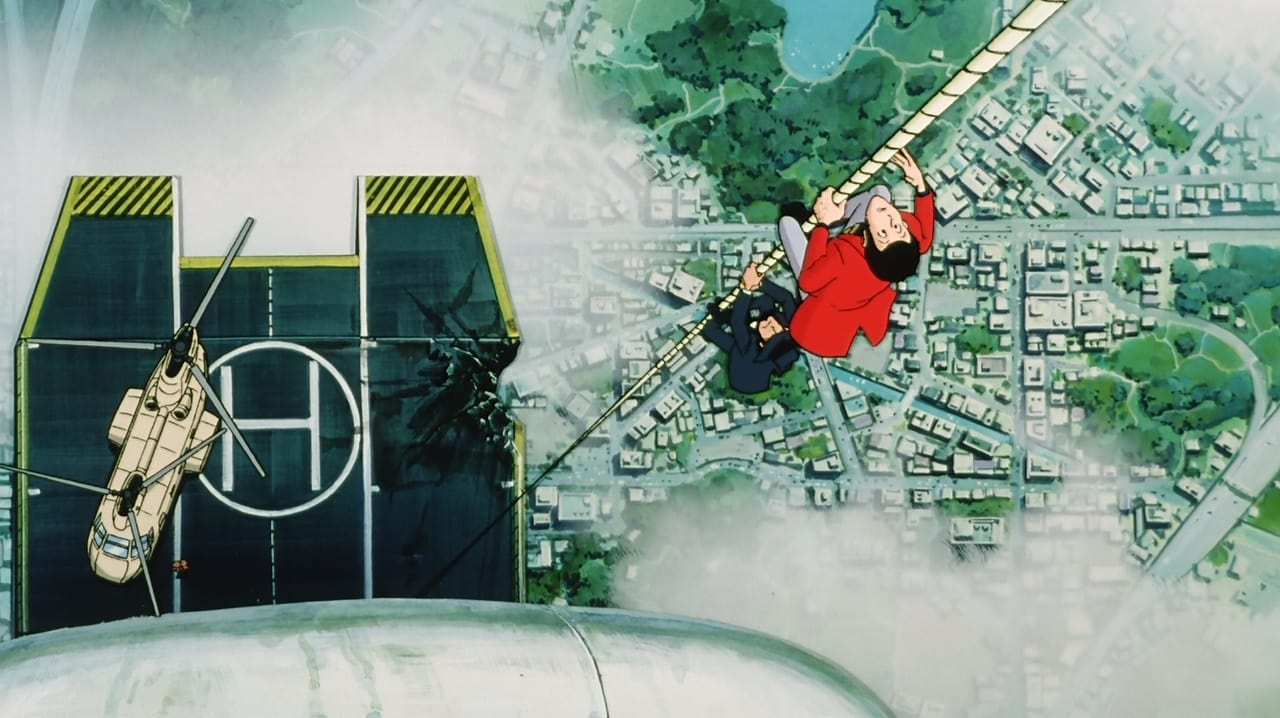
One of the film's most memorable aspects, especially thinking back to its 1995 release, was its ambition in depicting the central location: the towering Earth Building. To bring this massive structure to life, the production utilized a blend of traditional cel animation and, quite notably for the time, computer-generated imagery (CGI). Watching it now, the CGI might look somewhat dated, perhaps a bit plasticky compared to modern standards. But back then? Seeing those sweeping digital shots of the skyscraper felt genuinely impressive, a sign of anime embracing new technological frontiers. It gave the film a sense of scale that suited the high-stakes plot involving a global conspiracy and ancient prophecies. The action sequences within and around this building – from daring climbs to chaotic shootouts – benefit immensely from this expansive setting. This willingness to experiment visually helped Farewell to Nostradamus stand out.
Retro Fun Facts & Franchise Footprints
Beyond the CGI and Yamada's final performance, Farewell to Nostradamus holds other interesting tidbits. It was a significant box office success in Japan, proving Lupin's enduring popularity. The timing of its release, tapping into mid-90s anxieties about the future and prophecy (perhaps an early precursor to the Y2K buzz), felt quite contemporary. It sits interestingly in the Lupin timeline, following the OVA The Fuma Conspiracy (1987) and preceding the harder-edged Dead or Alive (1996), representing a specific animation style and tone prevalent in Lupin features of that era – slicker than the 70s series, perhaps less gritty than some later entries. While not directly adapting a manga story, it captures the spirit Monkey Punch imbued his creation with: adventure, style, humour, and a touch of melancholy.
Does Nostradamus Still See Clearly?
So, how does Farewell to Nostradamus hold up on a rewatch, decades after that first viewing might have graced a CRT screen via a trusty VHS tape? Surprisingly well, for the most part. The plot, admittedly, can feel a little convoluted at times, juggling the heist elements, the cult storyline, the psychic daughter subplot, and the Nostradamus angle. The villains, while functional, perhaps aren't quite as memorable as some of Lupin's greatest adversaries.
However, the core appeal remains strong. The action is well-animated and exciting, the character interactions are pure Lupin gold, and the film balances its moments of genuine tension with the franchise's trademark humour. The slightly dated CGI becomes part of its retro charm, a snapshot of anime's technological evolution. And crucially, Yasuo Yamada's final turn as Lupin lends the film an undeniable emotional resonance. It’s a reminder of his incredible contribution to the character and the medium.
Rating: 7/10
Lupin the Third: Farewell to Nostradamus earns a solid 7 out of 10. It's a thoroughly entertaining, action-packed Lupin feature with impressive scale (for its time) and a surprisingly relevant theme of manipulating information. While the plot occasionally strains under its own weight and some visual elements show their age, the classic character dynamics shine through. The real clincher, though, is the poignant significance of Yasuo Yamada's final, heartfelt performance as the master thief, making this a must-watch for dedicated Lupin fans and a worthy entry for anyone exploring 90s anime features.
It might not be the absolute pinnacle of Lupin adventures, but grabbing this tape felt like securing a couple of hours of pure, stylish, animated escapism – a grand caper tinged with just a touch of prophetic intrigue and, ultimately, a heartfelt adieu.