Okay, settle in, maybe adjust the tracking just so on that mental VCR of yours. Some films arrive not with a bang, or even a whisper, but with a deep, resonant hum – the thrum of the planet itself. That’s the feeling Ron Fricke’s 1992 non-narrative documentary Baraka evokes. It wasn't your typical Friday night rental, nestled between the latest action hero romp and a teen comedy. Finding this on the shelf felt like uncovering something different, something potent. And watching it, even on a fuzzy CRT screen that could barely hint at its intended visual glory, was an experience that lingered long after the tape automatically rewound.

A Planet Speaks in Pictures
What is Baraka "about"? That’s almost the wrong question. It has no dialogue, no plot in the conventional sense, no characters driving a story forward. Instead, Fricke, who honed his eye as cinematographer on the equally mesmerizing Koyaanisqatsi (1982), uses the entire globe as his canvas. The title itself, a Sufi word meaning "blessing," "breath of life," or "essence," perfectly encapsulates the film’s ambitious scope. It’s a tapestry woven from stunningly captured images of nature’s grandeur, diverse human rituals, the frantic pace of modern urban life, and the haunting beauty found even in places of decay or hardship.
The film unfolds as a series of interconnected vignettes, a visual symphony moving across continents and cultures. We witness the serene prayers of monks, the chaotic energy of city traffic rendered as streaks of light through masterful time-lapse photography, the solemnity of ancient ruins, the intensity of tribal dances, and the stark, almost unbearable reality of industrial processes. Fricke’s camera doesn’t judge; it simply observes, presenting these disparate facets of existence side-by-side, allowing connections and contrasts to form in the viewer's mind.

The Grandeur and the Grain
Here’s a piece of trivia that truly underscores the film's ambition, especially when considering our beloved VHS format: Baraka was shot in breathtaking 70mm Todd-AO format. This was a deliberate choice by Fricke to capture unparalleled detail and scale. Think about that – a format associated with epic Hollywood spectacles like Lawrence of Arabia, used here to document the intimate and the immense facets of real life across 24 countries over 14 months. Seeing it on VHS, naturally, involved a significant reduction in visual information. Yet, strangely, this sometimes added its own layer. The slight grain, the softened edges – it could occasionally lend an unexpected intimacy, a feeling of peering through a slightly hazy window onto profound truths. You knew you weren't getting the full picture, technically, but the emotional impact somehow still landed.
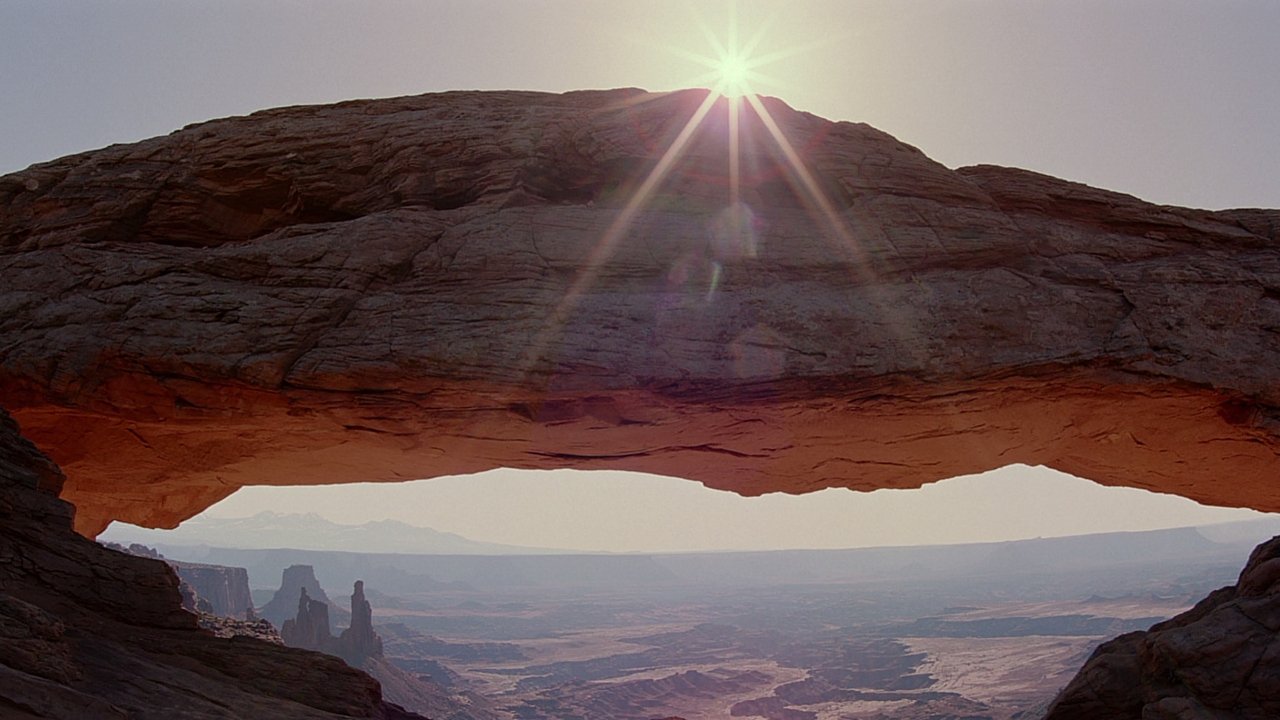
Fricke employed custom-built and modified cameras, particularly for the hypnotic time-lapse sequences that became a signature. Watching clouds surge over mountains like rivers of vapour, or stars wheel across desert skies, felt revolutionary. It wasn't just showing us places; it was showing us time itself moving in unfamiliar ways, compressing hours or days into seconds of pure visual poetry. The score, primarily by Michael Stearns (known for his ambient and space music work), alongside contributions from artists like Dead Can Dance, is inseparable from the imagery. It guides the emotional flow, sometimes soaring with orchestral majesty, sometimes pulsing with tribal rhythms, sometimes settling into moments of profound, meditative quiet.

Humanity on Display
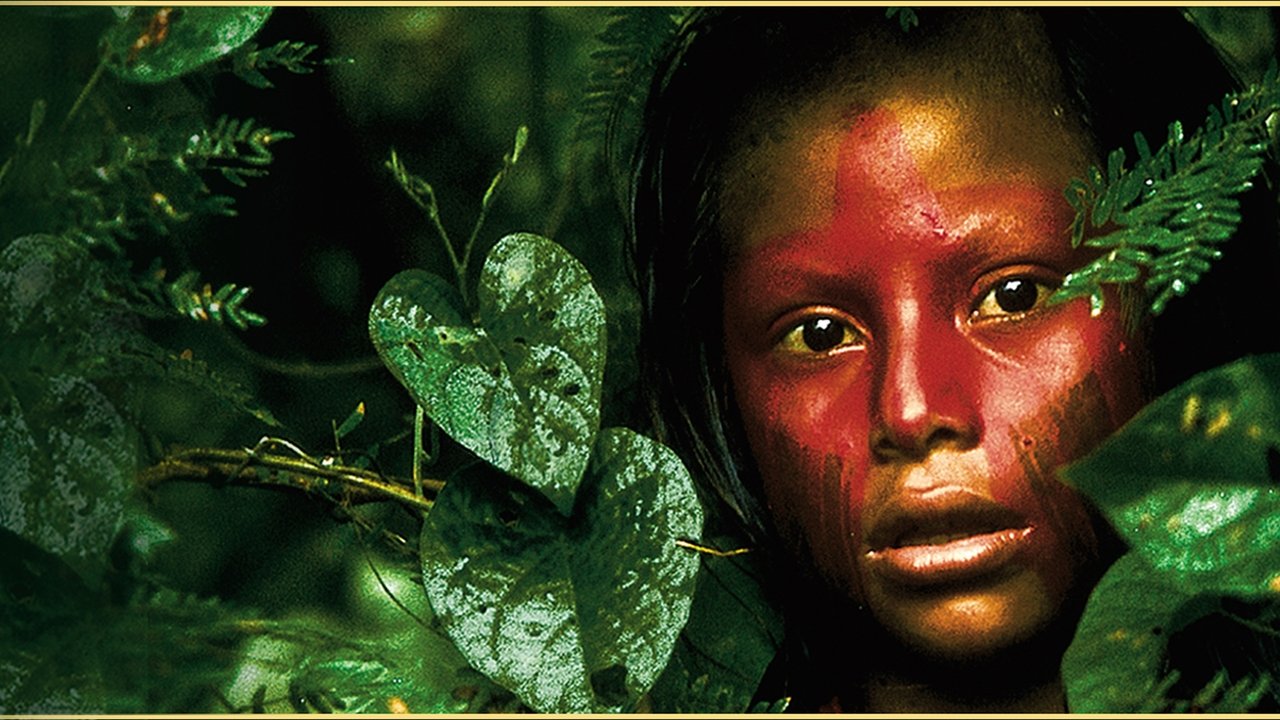
While nature provides awe-inspiring backdrops, it’s the human element that often resonates most deeply. The faces Fricke captures – weathered, joyful, contemplative, anguished – are incredibly powerful. There are no actors here, only people living their lives, participating in rituals passed down through generations, or caught in the machinery of modern existence. A particularly striking sequence juxtaposes newly hatched chicks moving down a factory conveyor belt with the relentless flow of commuters through a packed subway station. It’s a stark, wordless commentary that prompts reflection on mass production, conformity, and the dehumanizing aspects of urban life. Does this comparison still hold uncomfortable weight today?
The film doesn't shy away from difficult sights – poverty, pollution, sites of historical tragedy like Auschwitz. Yet, it consistently balances these with moments of incredible beauty, resilience, and spiritual devotion. It suggests a cyclical nature to existence, encompassing creation and destruction, chaos and order, the sacred and the profane. It forces you to confront the vastness and variety of human experience, the threads that connect us despite our differences.
Lasting Resonance
Baraka wasn't a blockbuster, pulling in around $2.6 million initially against its estimated $4 million budget (imagine that budget today!), but its influence has been significant, particularly within documentary and visual storytelling circles. It solidified a certain kind of meditative, globally-minded filmmaking that relies purely on image and sound. Fricke would revisit this style nearly two decades later with the equally stunning Samsara (2011), also shot in 70mm. For many who encountered Baraka in the 90s, perhaps tucked away in the "Documentary" or even "World Cinema" section of the video store, it was a formative viewing. It expanded notions of what cinema could be, proving that profound statements could be made without a single line of dialogue. It invited contemplation, sparked curiosity about the world, and left you feeling both small in the face of the planet's scale and connected to the shared human journey.
---
Rating: 9/10
Justification: Baraka is a monumental achievement in visual storytelling. Its breathtaking cinematography (even diminished on VHS), masterful editing, evocative score, and profound thematic resonance make it a unique and powerful cinematic experience. It pushes the boundaries of documentary filmmaking, offering a meditative, often overwhelming, but ultimately deeply human perspective on our world. The lack of narrative might make it less accessible for some, preventing a perfect score, but its artistic merit and lasting impact are undeniable.
Final Thought: It's a film that doesn't just show you the world; it makes you feel it, leaving you pondering our collective existence long after the screen fades to black. A true blessing, indeed.