### A Raw Nerve Exposed: Stepping into "The Decline"
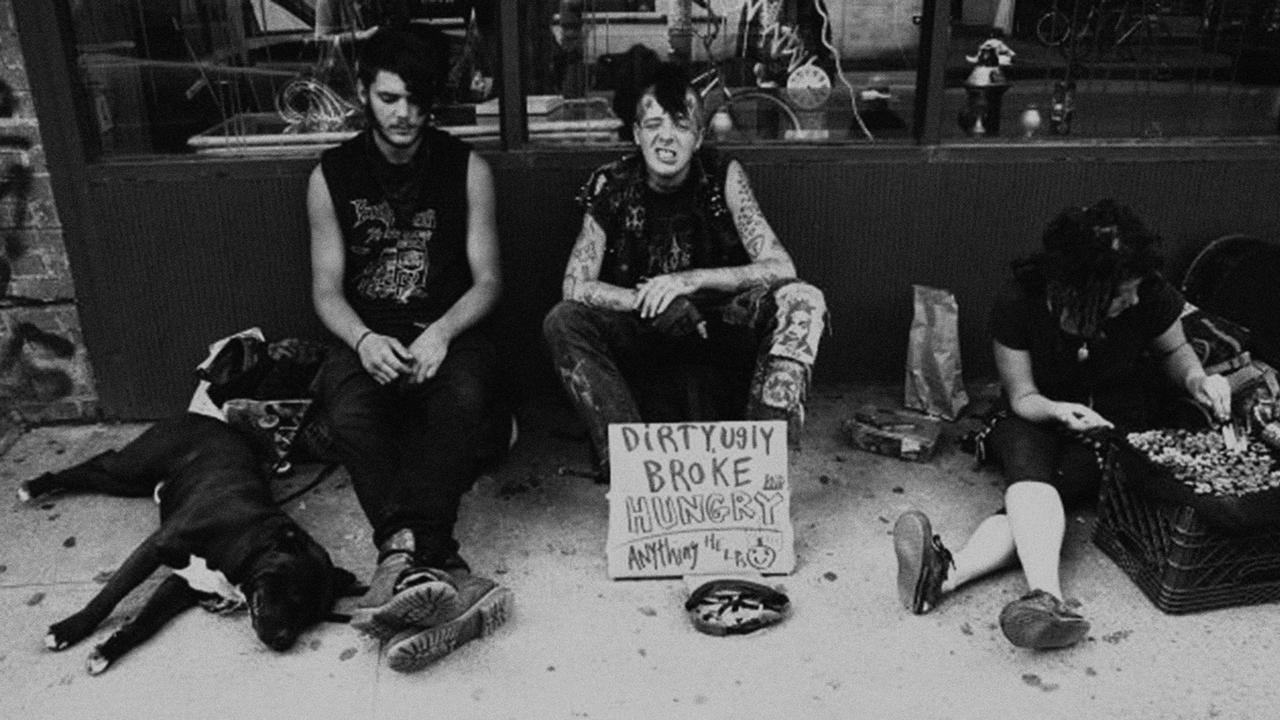
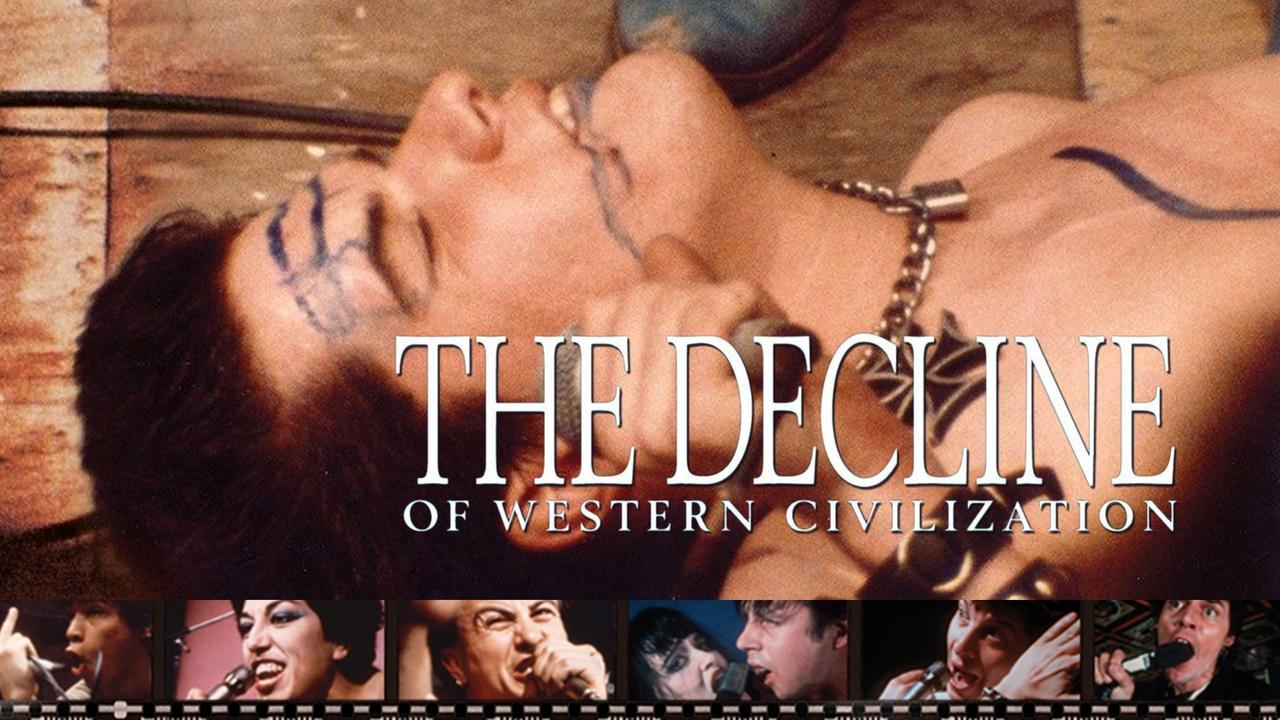
There’s a certain kind of flickering image, often discovered late at night on a worn-out VHS tape passed between friends like contraband, that feels less like watching a movie and more like peering through a crack in reality. Penelope Spheeris's 1981 documentary, The Decline of Western Civilization, is precisely that kind of lightning strike captured on celluloid. Forget polished narratives or reassuring arcs; this film throws you headfirst into the burgeoning, chaotic, and often unsettling Los Angeles punk rock scene of 1979-1980. It doesn’t explain; it shows. And what it shows stays with you, buzzing under your skin long after the tape clicks off. I remember the distinct feeling, hunched in front of a buzzing CRT, that I was witnessing something vital and maybe even a little dangerous – a sentiment apparently shared by the LAPD Chief at the time, Daryl Gates, who famously requested the film never be shown again in the city.
### More Than Music, A Microcosm
Spheeris, who would later pivot to massive comedy success with Wayne's World (1992), demonstrates an incredible knack here for capturing vérité intimacy amidst utter pandemonium. This isn't just concert footage strung together; it's an anthropological dive into a subculture fueled by disillusionment, aggression, and a desperate need for expression. The film juxtaposes blistering live performances from bands like Black Flag (in their volatile Ron Reyes / Dez Cadena transition period), the legendary art-punk poets X, the nihilistic Germs, the frantic Circle Jerks, and the provocatively antagonistic Fear, with startlingly candid interviews. It’s this blend that gives The Decline its enduring power. Spheeris manages to get remarkably close, not just physically in the sweaty, claustrophobic clubs like The Whisky a Go Go or The Fleetwood, but emotionally, drawing out confessions and philosophies from musicians and fans alike that range from surprisingly articulate to tragically incoherent.
### Faces in the Mosh Pit
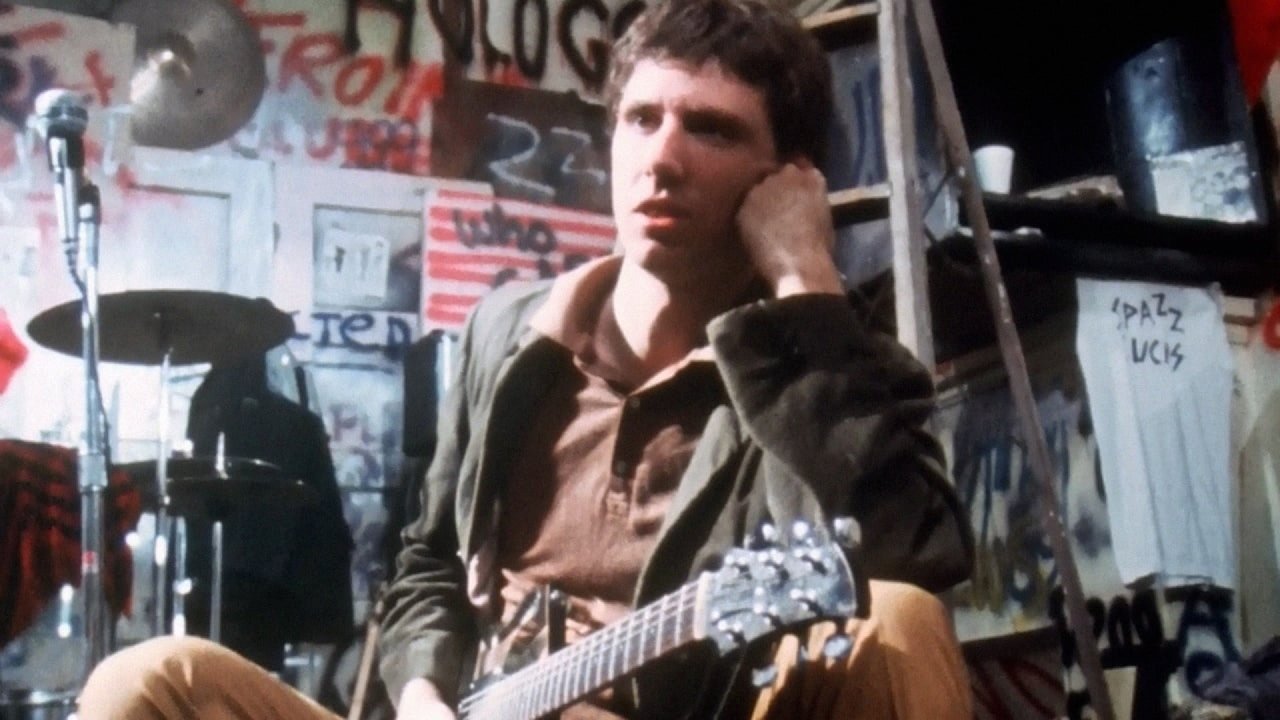
The interviews are the film's raw, beating heart. We see the thoughtful intelligence of X's John Doe and Exene Cervenka, grappling with the scene's meaning even as they embody its creative spirit. We witness the coiled energy and emerging hardcore ethos of Black Flag. But it’s the segments with the Germs' frontman, Darby Crash, that cast the longest shadow. Filmed shortly before his intentional overdose death in December 1980, his slurred pronouncements and disturbingly magnetic stage presence (including the infamous peanut butter incident, reportedly demanded by Crash himself) become a haunting portrait of self-destruction. There's a fragility beneath the bravado, a sense captured perfectly by Spheeris's unflinching lens. Equally compelling are the interviews with the fans – the mohawked kids living in punk houses, spitting anger, boredom, and surprisingly lucid critiques of the society they felt rejected by. Their voices, often raw and unfiltered, are as crucial to the film's tapestry as the music itself. Is their "decline" a societal symptom or a self-fulfilling prophecy? The film forces you to ponder this without offering easy answers.
### Capturing Chaos: The Aesthetic of Authenticity

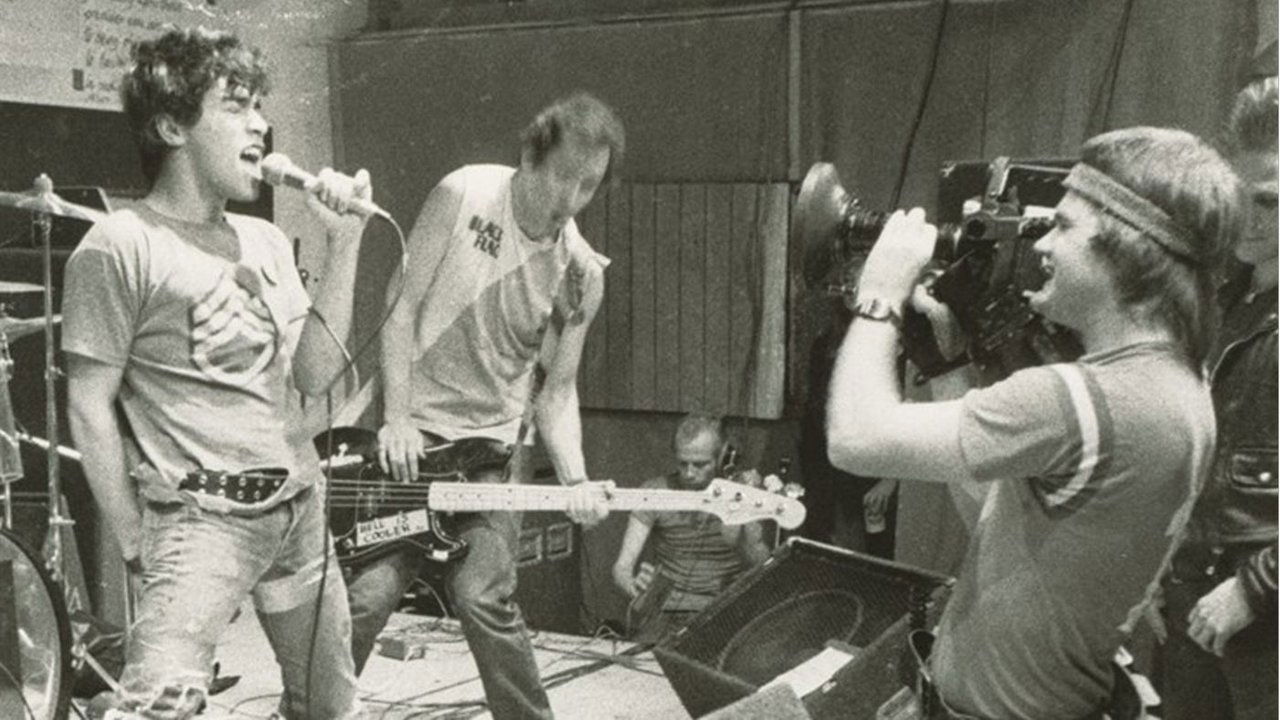
Spheeris and her crew didn't just document the scene; they mirrored its DIY aesthetic. The camera work feels immediate, sometimes jostled, placing you right there in the slam pit. The sound recording captures the glorious racket – the feedback squeals, the shouted lyrics, the rhythmic pounding – often prioritizing raw energy over perfect fidelity, which feels entirely appropriate. There’s little narrative hand-holding; the film trusts the viewer to absorb the atmosphere, to piece together the connections, to feel the pulse of this moment in time. It’s a testament to Spheeris’s vision that she recognized the historical significance of what was happening, managing to finance and shoot the film largely independently, preserving a cultural moment that felt ephemeral even as it unfolded. She wasn't just an outsider looking in; she was part of the scene, which granted her the access and trust that makes the film so potent.
### Echoes Through Time
Watching The Decline of Western Civilization today, especially if you first encountered it on a grainy VHS tape back in the day, is a potent experience. It's a time capsule, yes, capturing a specific L.A. punk milieu just before hardcore truly detonated and changed the landscape. But it’s more than just nostalgia. The questions it raises about youth alienation, societal discontent, the search for identity through tribalism, and the thin line between artistic expression and self-destruction feel remarkably relevant. It stands as a benchmark for music documentaries, favoring raw honesty over hagiography. Its influence can be felt in countless subsequent films attempting to capture musical subcultures, though few achieve its level of unvarnished immediacy. It also spawned two fascinating sequels by Spheeris herself – Part II: The Metal Years (1988) and Part III (1998) – each offering a distinct snapshot of different musical scenes and the lives within them.
---
Rating: 9/10
The Decline of Western Civilization isn't always easy viewing. It’s loud, messy, and occasionally bleak. But its power lies in its unflinching honesty and its crucial role as a historical document. Penelope Spheeris captured lightning in a bottle, preserving the raw energy, desperate creativity, and unsettling truths of a subculture railing against the mainstream. It avoids judgment, presenting its subjects with a raw empathy that makes their stories resonate deeply. This film doesn’t just show you the L.A. punk scene; it makes you feel it, a visceral jolt that remains potent decades later. It’s a vital piece of punk rock history and a landmark of documentary filmmaking that absolutely earns its legendary cult status. What lingers most isn't just the music, but the faces staring back at you, challenging your perceptions of rebellion and belonging.