Alright, pop that tape in the VCR, adjust the tracking if you need to, and settle in. Tonight on VHS Heaven, we're diving headfirst into one of the more... unusual sequels the action genre gifted us in the early 90s: Iron Eagle III (1992). Forget the sleek F-16s and Cold War tensions of the first two films; this entry straps us into the cockpits of sputtering, propeller-driven World War II birds for a dusty, sun-baked mission south of the border. It’s a jarring shift, sure, but one that gives this sequel its own unique, slightly oddball charm, perfectly suited for a late-night cable viewing or a lucky video store find back in the day.
### Chappy Flies South
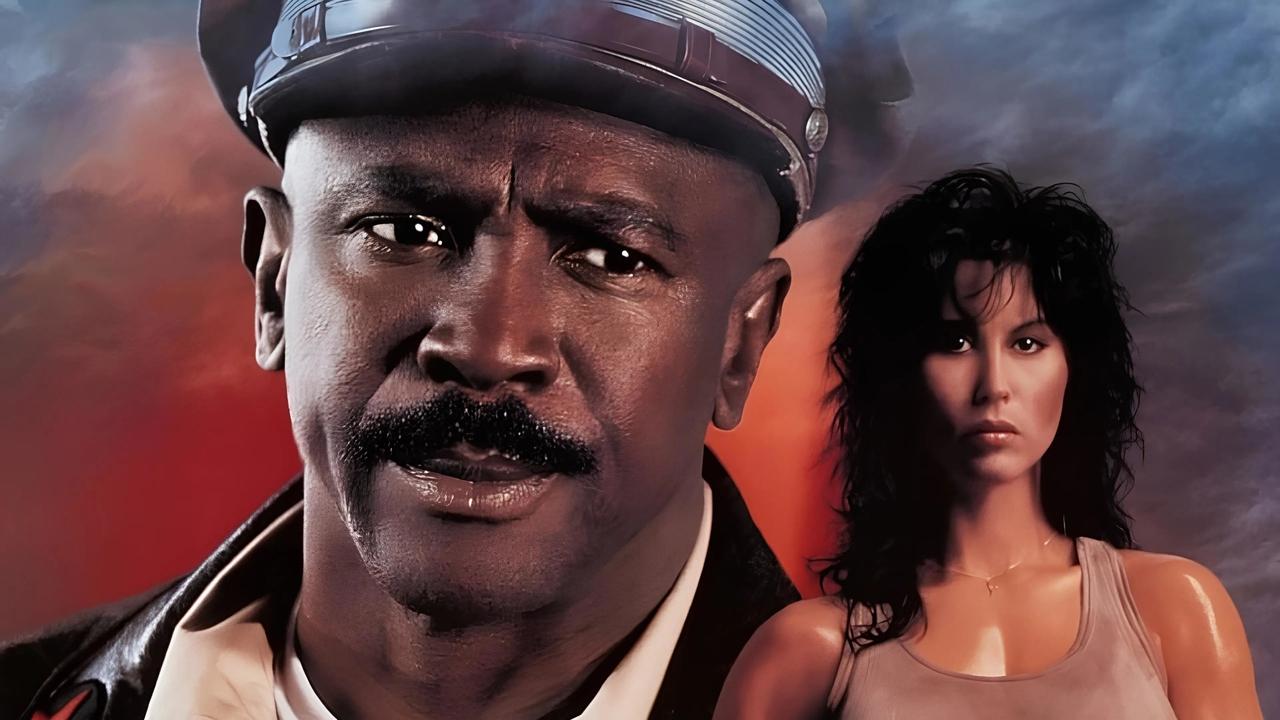
The ever-reliable Brigadier General Charles "Chappy" Sinclair, once again brought to life with effortless charisma by the great Louis Gossett Jr., is our anchor. Without him, this whole enterprise would likely drift into pure B-movie absurdity (okay, it skirts close anyway, but Chappy keeps it mostly honest). This time, Chappy isn't mentoring some hotshot kid in a government-sanctioned jet; he’s teamed up with a motley crew of international exhibition pilots – an American, a Brit, a German, and a Japanese pilot, each flying their respective nation's iconic WW2 fighter. Think of it as a sort of flying 'Magnificent Four'. Their airshow life gets violently interrupted when one of their own, Ramon, is gunned down back in his impoverished Peruvian village, which is being terrorized by a ruthless former Nazi officer turned drug lord, Gustav Kleiss, played with sneering menace by Paul Freeman (yes, Belloq himself from Raiders of the Lost Ark!). Naturally, Chappy and the remaining pilots decide the only logical course of action is to load up their vintage planes with salvaged weapons and fly to Peru to liberate the village. Because, you know, justice.
### When Bond Met Warbirds
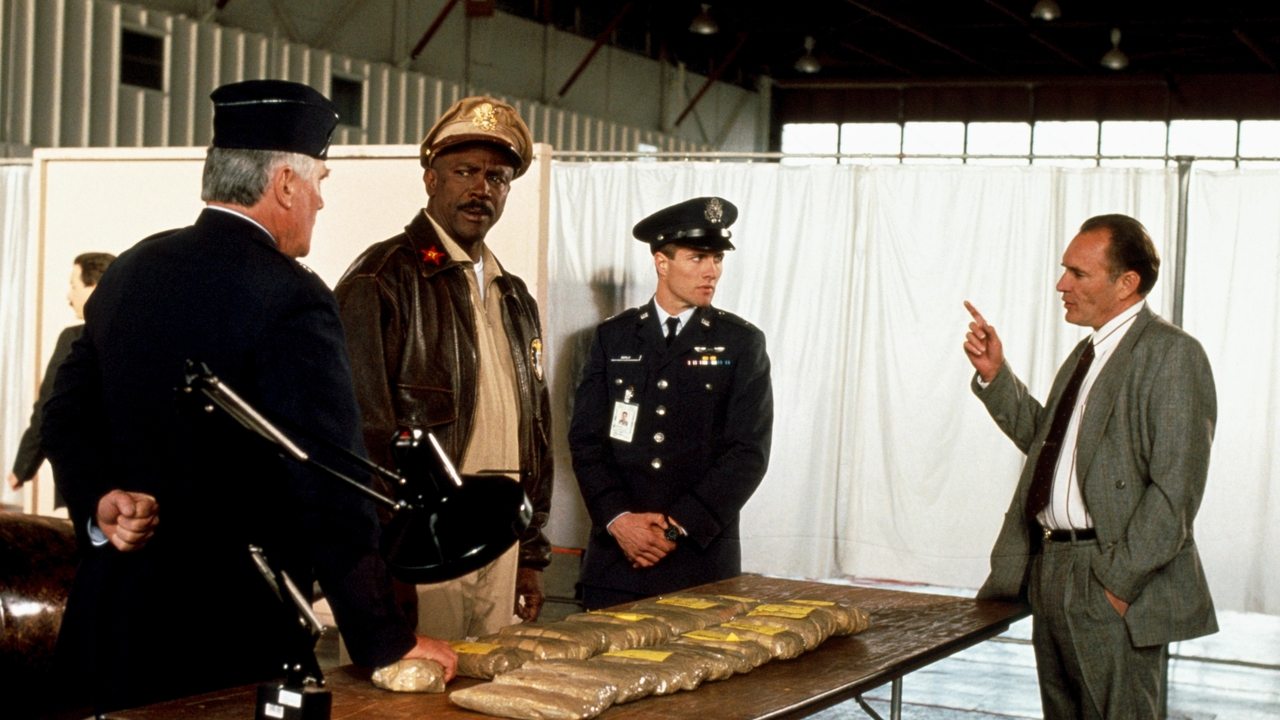
What makes Iron Eagle III stand out, for better or worse, is this radical shift in hardware. Gone are the afterburners, replaced by the roar of piston engines. The aerial sequences feature genuine vintage aircraft – a Spitfire, a Messerschmitt Bf 109 (likely a Spanish Hispano Buchón stand-in, a common practice), a P-38 Lightning, and a Mitsubishi Zero (again, likely a modified Texan trainer). This wasn't just a random choice; filming with actual, operational WW2 warbirds was a specific production decision. Directing duties fell to John Glen, a name synonymous with some of the most spectacular action sequences of the 80s, having helmed five James Bond films including For Your Eyes Only (1981) and Licence to Kill (1989). You can see flashes of his knack for staging tangible action here, especially in the air. It’s fascinating to see a director known for sleek Bond gadgets and state-of-the-art spectacle tackling these rumbling, historic machines. Reportedly filmed largely on location in Arizona, the dusty landscapes provide a gritty backdrop that feels worlds away from the polished military bases of the earlier films. While the budget was clearly tighter than a Bond flick, Glen ensures the aerial scenes have a visceral quality.
### Aces, Muscles, and Practical Skies
The international team includes Anna Morales, played by Rachel McLish. If that name rings a bell for bodybuilding fans, it should – McLish was a two-time Ms. Olympia champion making a foray into action cinema. While her dramatic range might not have set the world on fire, she certainly looked the part and handled the physical demands convincingly. The other pilots fill their roles adequately, embodying their national stereotypes with a certain predictable charm. But let's be honest, the real co-stars here are the planes.

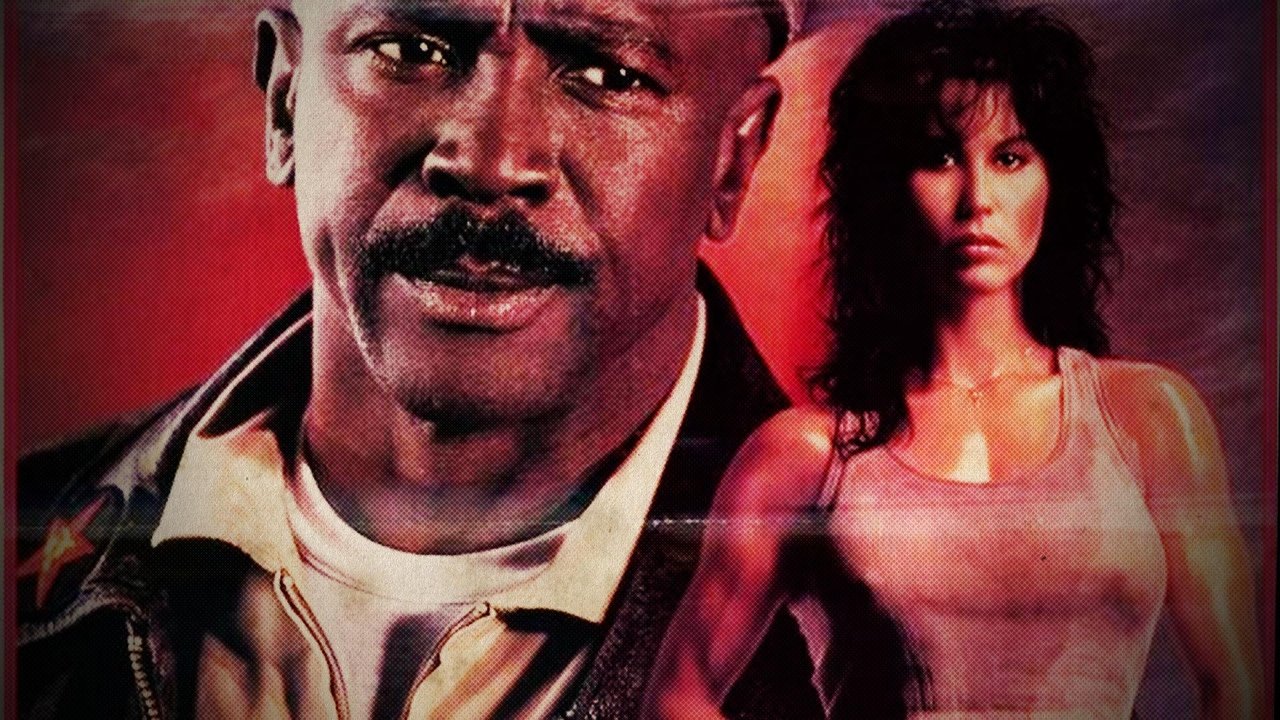
This is where the VHS-era magic truly shines. Those dogfights and ground attack runs? They feel real because, well, they largely were. Watching those actual warbirds maneuver, banking and diving against the desert sky, has a weight and authenticity that modern CGI often struggles to replicate. Sure, the editing might be a bit choppy, and the tactical logic occasionally questionable (using WW2 fighters against modern drug cartel forces?), but the sight of a real P-38 strafing a target or a Spitfire peeling off has undeniable impact. Remember how thrilling it felt to see actual planes doing actual stunts? Iron Eagle III delivers that specific thrill, even if the surrounding plot is pure pulp. The explosions are delightfully old-school pyrotechnics, and the bullet hits have that satisfyingly physical thwack we remember so well.
### A Strange Bird in the Franchise Flock
Let's not mince words: the plot is flimsy, bordering on ridiculous. The idea of civilian pilots waging a private air war against a drug cartel led by a former Nazi in Peru is pure exploitation movie territory. Originally titled Aces: Iron Eagle III, the name change likely aimed to leverage the dwindling brand recognition. Critics at the time were not kind, and it certainly didn't set the box office alight, finding its true home, like so many action oddities of the era, on video store shelves and late-night TV.
Yet, there's an earnestness to it. Louis Gossett Jr. sells Chappy’s determination with unwavering conviction, lending gravitas where little might otherwise exist. The camaraderie among the pilots, however thinly sketched, adds a touch of heart. And the sheer novelty of seeing those vintage planes in action provides a unique hook. It might be the black sheep of the Iron Eagle family (and that's saying something, considering Iron Eagle IV exists!), but it's arguably the most memorable for its sheer audacity and commitment to its bizarre premise.
Rating: 5/10
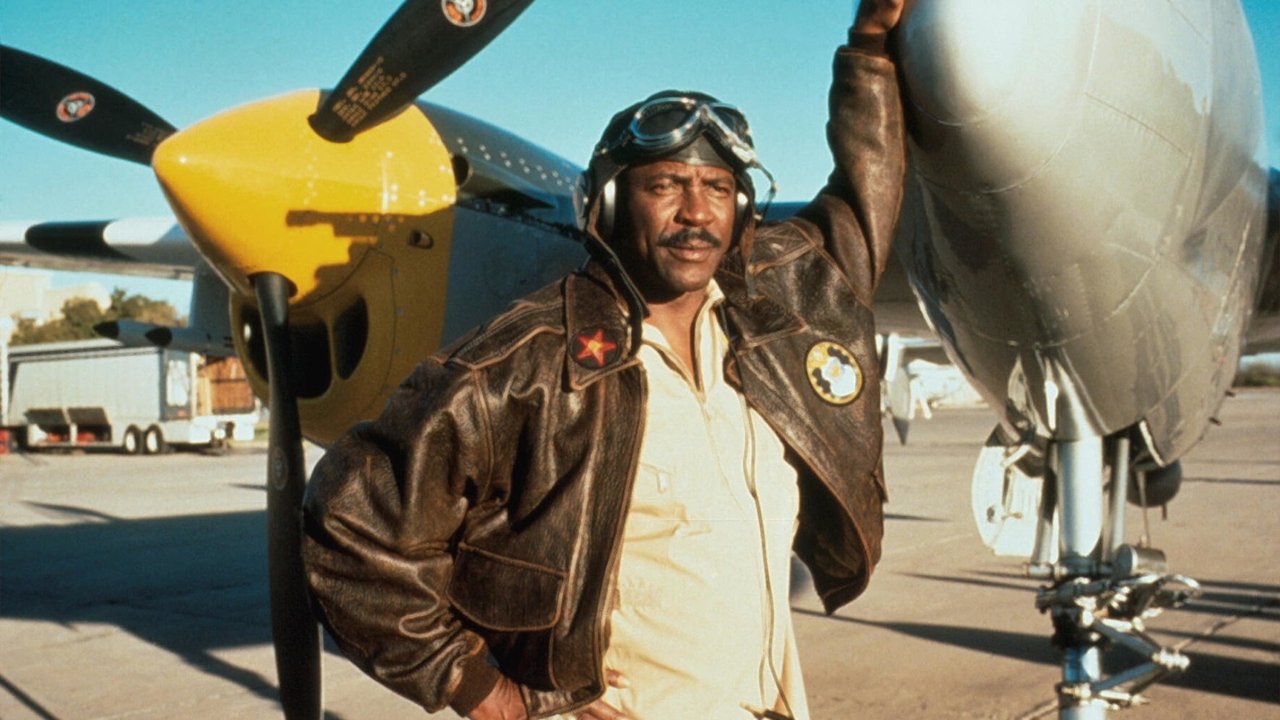
Justification: While Louis Gossett Jr. elevates the material and the practical aerial sequences featuring genuine warbirds are a definite highlight offering real nostalgic thrills, the plot is undeniably silly and the execution often dips into standard early 90s action mediocrity. Rachel McLish adds presence but the script doesn't give her much depth. John Glen's direction provides competent action, but it lacks the polish of his Bond work. It earns points for uniqueness and those fantastic flying scenes, but loses them for the sheer implausibility and B-movie tropes.
Final Take: Iron Eagle III is the kind of movie you rented on a whim, drawn in by the promise of aerial action, and ended up remembering more for its weirdness than its quality. It’s clunky, cheesy, and utterly preposterous, but watching those real vintage planes soar and fight has a raw, tangible appeal that’s pure VHS-era gold. Worth a nostalgic spin if you remember the days when action sequels could go completely off the rails and still be strangely entertaining.