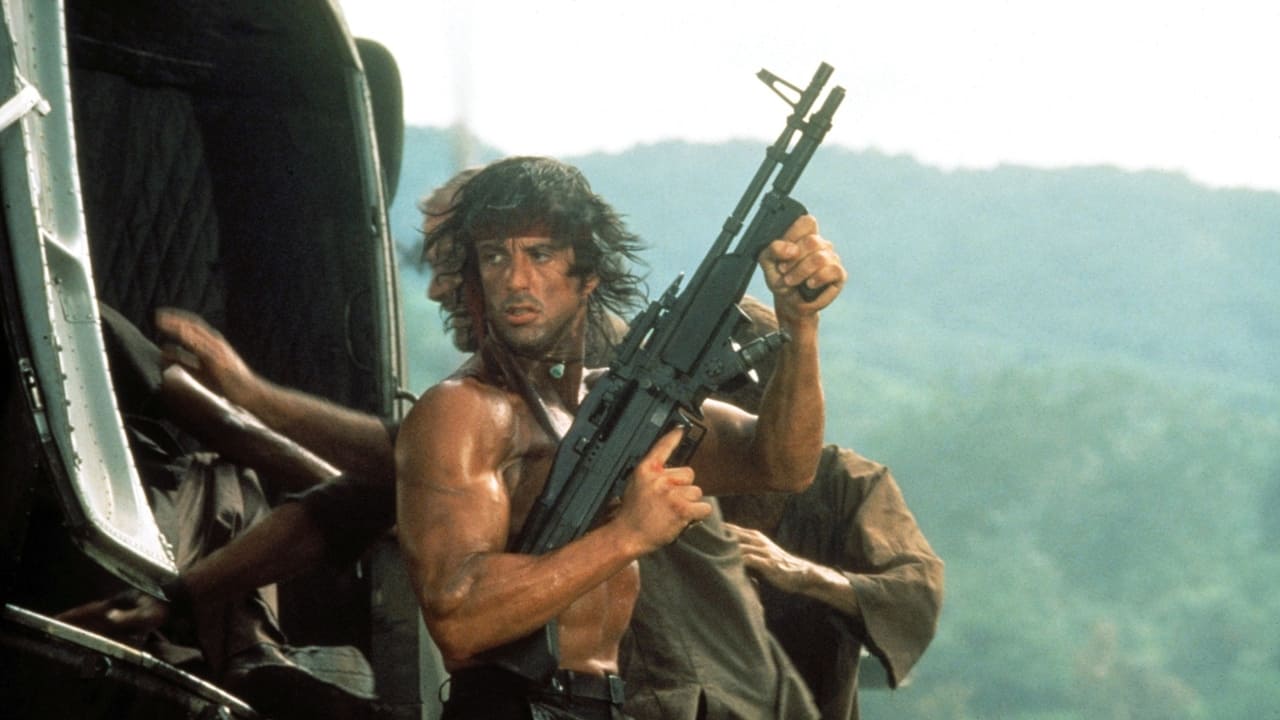
Okay, pop that tape in the VCR, ignore the slightly fuzzy tracking lines, and get ready. If 1982's First Blood was a surprisingly grim and grounded survival thriller, then 1985's Rambo: First Blood Part II is the moment John Rambo shed his tragic veteran skin and became the headband-wearing, M60-wielding, one-man-army icon seared into our collective 80s consciousness. Forget subtlety; this is pure, undiluted, explosive wish-fulfillment cinema, cranked up to eleven and fueled by Cold War anxieties.
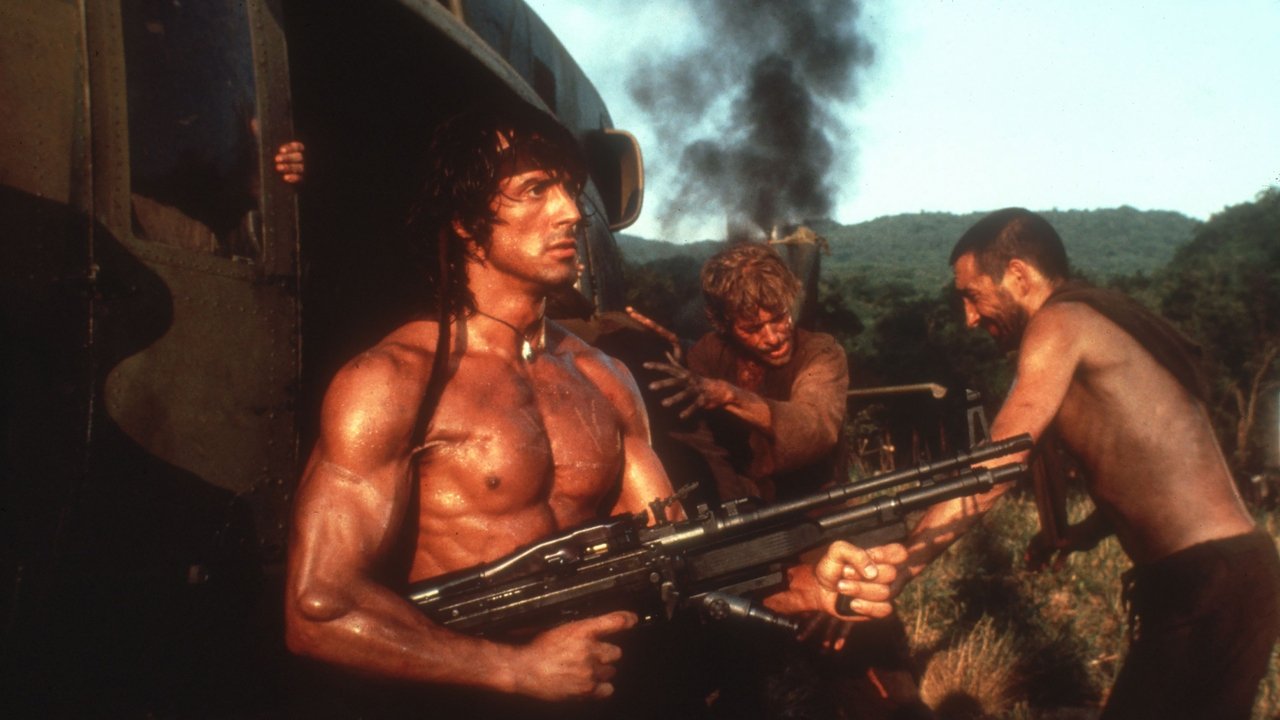
### From Survivalist to Superhero
Remember the setup? Pulled from a prison labor camp by his former commander, Colonel Trautman (Richard Crenna, perfectly reprising his role as Rambo’s stern father figure/handler), John Rambo (Sylvester Stallone, looking impossibly chiselled) is offered a pardon. The catch? A covert recon mission back into Vietnam to search for reported American POWs. He’s supposed to be just the camera guy, dropped in under the command of the weaselly bureaucrat Marshall Murdock (Charles Napier, oozing untrustworthiness). Yeah, right. Anyone who rented this tape knew that wasn't going to happen.
What unfolds is less a continuation of the first film's PTSD narrative and more a direct injection of Reagan-era action bravado. It’s fascinating to know that an early script draft by a young James Cameron (yes, that James Cameron, fresh off The Terminator) supposedly focused more on the bond between Rambo and Trautman and the psychological toll. But Stallone took a heavy rewrite pass, famously injecting the high-octane action and patriotic fervor that defined the final product. The result? A film that critics mostly savaged for its perceived jingoism but audiences devoured, turning it into a global phenomenon that raked in a staggering $300 million worldwide against a budget variously reported between $25.5 and $44 million. That's serious blockbuster territory, folks – roughly $850 million in today's money!
### Welcome to the Jungle (Gym)
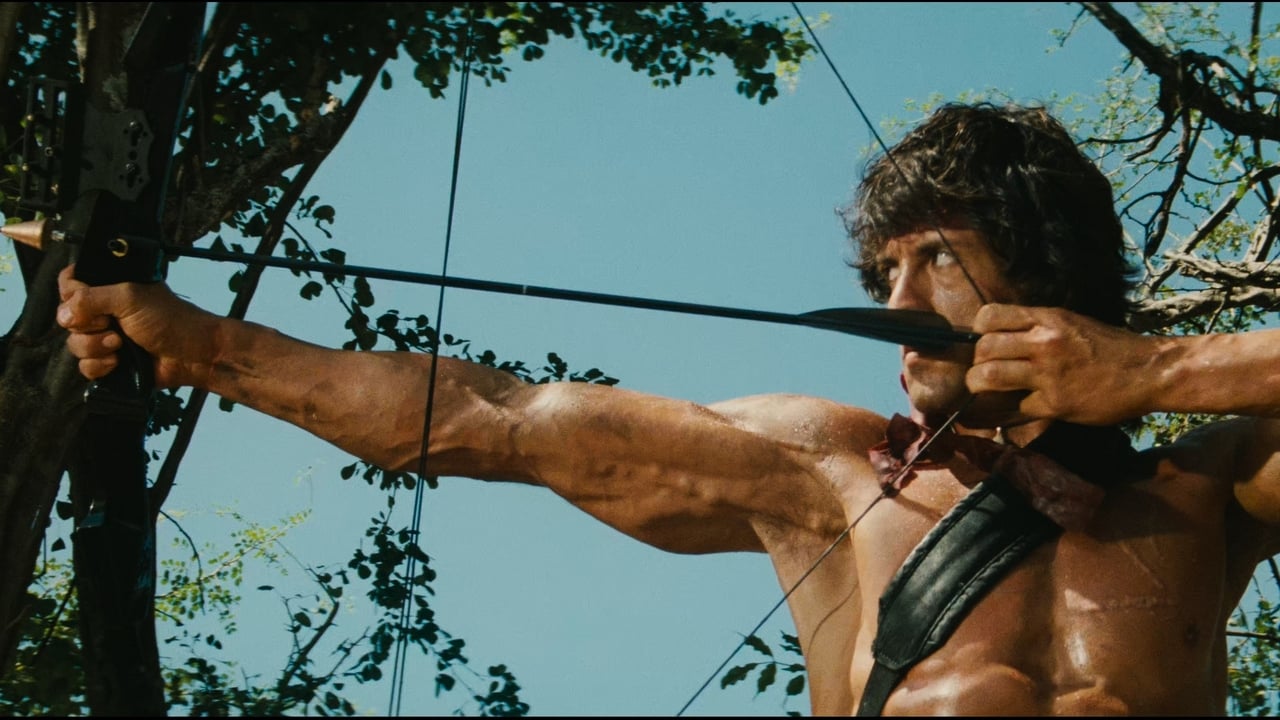
Directed by George P. Cosmatos, who would later bring us Stallone's Cobra and the Kurt Russell classic Tombstone, the film adopts a muscular, almost relentless pace. Cosmatos knew exactly what the audience wanted: Rambo unleashed. And unleash him it does. The jungle sequences, largely filmed in Guerrero, Mexico, become Rambo's playground. Forget stealth; this is about spectacular, often improbable, takedowns.
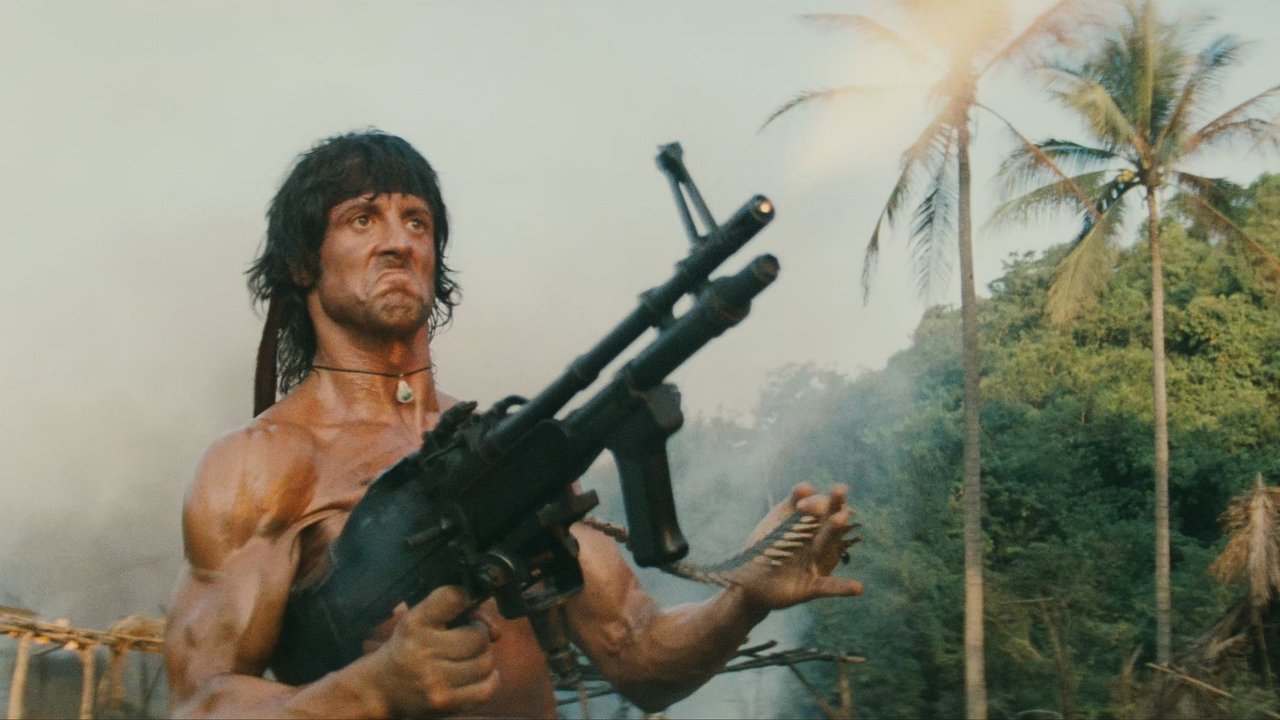
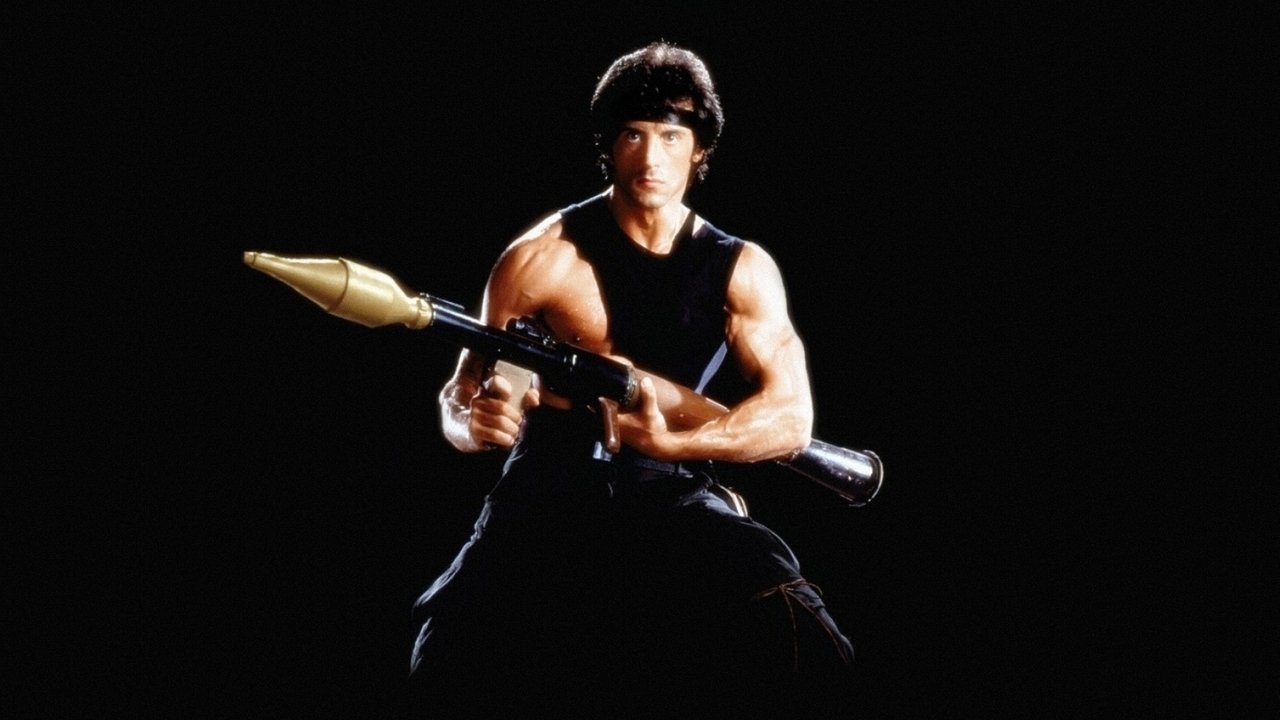
The action here feels tangible in a way that’s increasingly rare. Remember those exploding arrowheads? The sheer oomph behind them felt groundbreaking. This was the era of practical effects, and Part II revels in it. Real fireballs engulf huts, stunt performers take real (and presumably painful) falls, and the sheer volume of ordnance expended feels immense. When Rambo emerges from the mud, a terrifying silhouette against the jungle, or single-handedly takes down that Hind helicopter with a rocket launcher, it felt raw and visceral on that grainy CRT screen. Compare that to some of today's slicker, physics-defying CGI, and there's a certain gritty charm, a weight, to the way things blow up real good here.
### More Than Just Muscles?
While the film is undeniably Stallone's show – his physique alone is practically a special effect – the supporting cast adds texture. Crenna brings gravitas as Trautman, delivering lines like "What you call Hell, he calls home" with absolute conviction. Napier is perfectly cast as the kind of desk-bound cowardice that Rambo instinctively rebels against. And Julia Nickson as Co Bao, the Vietnamese intelligence agent who aids Rambo, provides a crucial, albeit tragically short-lived, human connection amidst the carnage. Her presence briefly hints at a different kind of movie before the action imperative takes over completely.
Let's not forget the pulse-pounding score by the legendary Jerry Goldsmith. His themes for Rambo are instantly recognizable, perfectly amplifying the tension during stealth moments and swelling into triumphant crescendos during the explosive set pieces. That music was as much a part of the Rambo package as the knife and the bandana.
### The Verdict: Pure 80s Adrenaline
Rambo: First Blood Part II isn't a complex film. Its politics are blunt, its dialogue often reduced to iconic growls ("Murdock... I'm coming to get YOU!"), and its plot is a straightforward revenge and rescue mission. But judging it solely on nuance misses the point. This was a cinematic adrenaline shot, perfectly timed for its era, delivering exactly the kind of larger-than-life heroics audiences craved. It cemented Stallone as a global action superstar alongside Schwarzenegger and defined the explosive, high-body-count action template for years to come (spawning numerous sequels and influencing countless other action flicks).
Watching it today is like unearthing a time capsule. Yes, some aspects feel dated, maybe even a little uncomfortable through a modern lens. But the craft behind the action, the commitment of Stallone, the iconic score, and the sheer, unapologetic intensity of it all remain impressive. It delivered exactly what it promised on that VHS box art.
VHS Heaven Rating: 8/10
Justification: While lacking the depth of First Blood, Part II is a landmark of 80s action cinema. Its practical effects are spectacular for the era, Stallone's performance is iconic, Goldsmith's score is legendary, and its cultural impact is undeniable. It loses points for its simplistic politics and plot, but as a pure, high-octane VHS-era thrill ride, it absolutely delivers.
Final Thought: Forget nuance, grab the popcorn. This is Rambo fully loaded – pure, uncut 80s action concentrate that still packs a wallop, even if the tracking needs adjusting.