It wasn't always called Trespass. Before the volatile spring of 1992 forced a hasty title change, this pressure cooker of a film, penned years earlier by a pre-Back to the Future Robert Zemeckis and Bob Gale, carried the far more provocative name Looters. That change, born from tragic real-world events mirroring the chaos depicted on screen, hangs over the film like the suffocating dust in its central location – a stark reminder of the raw nerves it touched then, and still manages to fray now. Watching it again, pulled from the archive shelf, that sense of simmering unease, of societal fractures ready to burst, feels chillingly palpable.
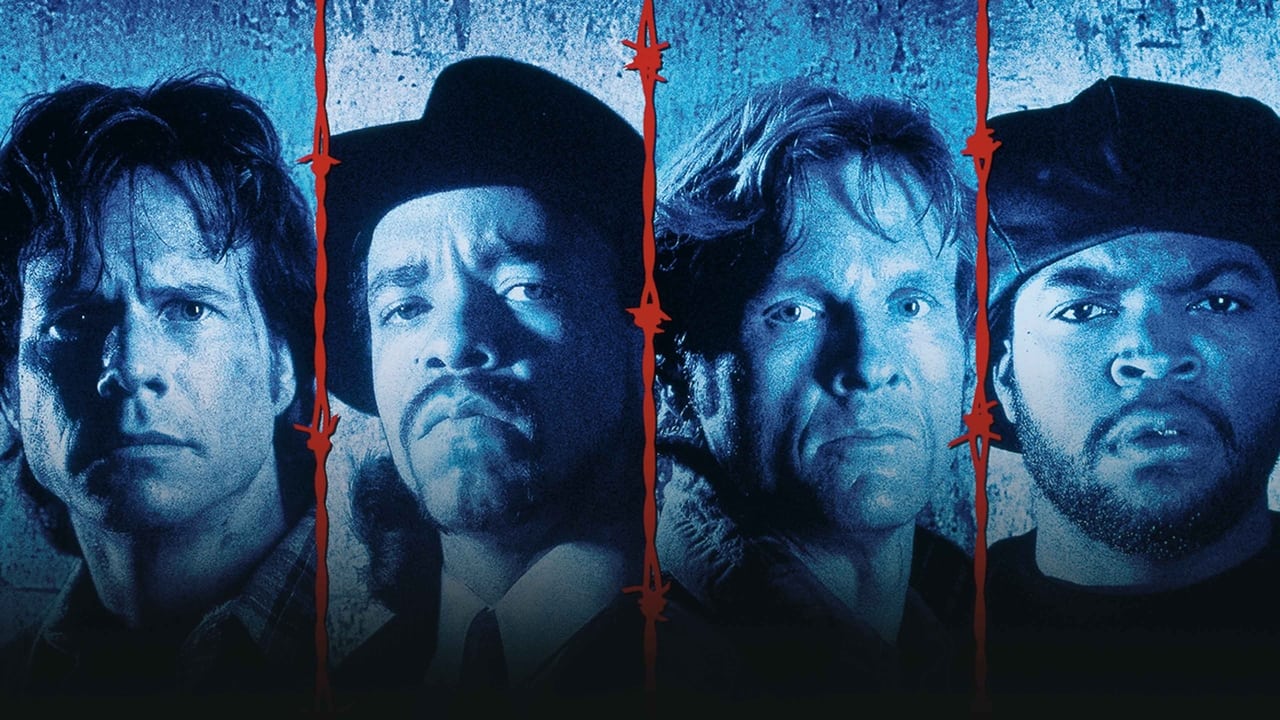
Into the Urban Inferno
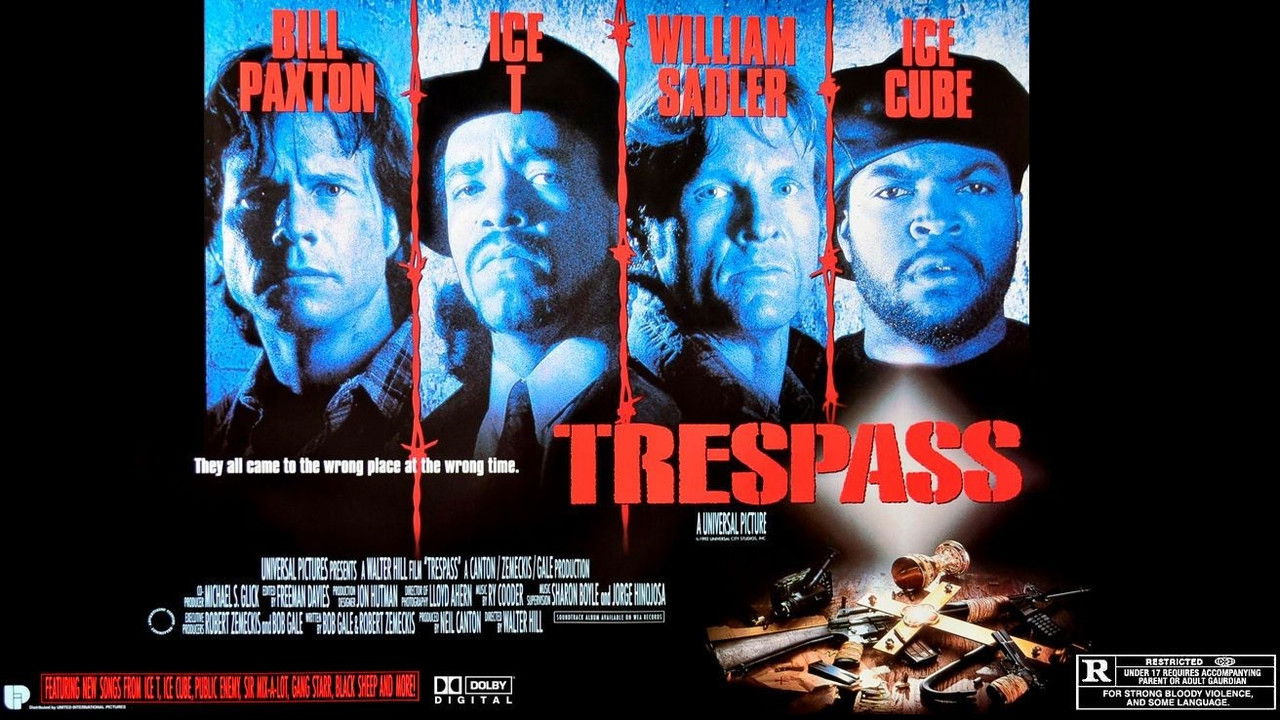
The setup is pure pulp, distilled to its potent essence. Vince (Bill Paxton, radiating his signature everyman anxiety) and Don (William Sadler, embodying a chillingly pragmatic ruthlessness), two Arkansas firefighters, drive into the desolate heart of East St. Louis. They’re chasing a ghost – a dying man’s confession and a map leading to stolen church gold hidden within a sprawling, abandoned factory. It’s a fool’s errand fueled by desperation and greed, plunging them instantly out of their depth and into a collision course with King James (Ice-T) and his heavily armed crew, who are using the derelict space for their own violent business. What follows is a stripped-down, brutally efficient siege narrative, unfolding almost in real-time within the crumbling brick walls.
Walter Hill's Concrete Jungle Gym
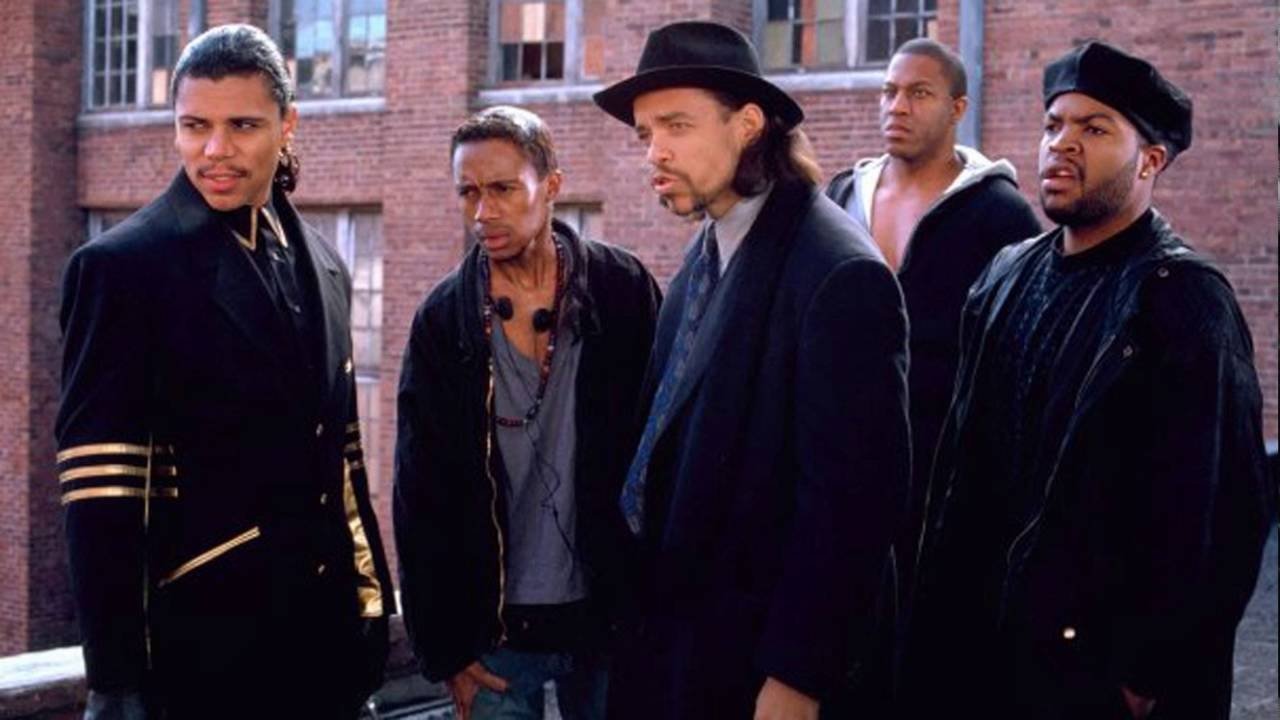
This is Walter Hill territory, make no mistake. The director, famed for urban odysseys like The Warriors (1979) and the gritty buddy-cop action of 48 Hrs. (1982), excels at trapping characters in hostile environments and watching them claw their way out. Trespass feels like a spiritual successor, swapping New York concrete for Midwestern decay, but retaining that same lean, muscular intensity. The factory isn't just a backdrop; it's a character in itself – a labyrinth of rusting catwalks, shattered windows, and shadowy corners where threats materialize from nowhere. Hill uses the claustrophobic space masterfully, tightening the screws with every gunshot, every desperate negotiation, every betrayal. You can almost smell the stale air and feel the grit under your fingernails.
Reportedly, the shoot itself was intense, mirroring the on-screen tension. Hill fostered an environment that kept the actors on edge, pushing for realism in the confrontations. The script, originally conceived in the late 70s, feels like a throwback even for '92 – a raw, cynical take on greed that cuts through any potential heroics. It’s a far cry from the Amblin-esque wonder Zemeckis and Gale would become famous for, showcasing their earlier, grittier sensibilities.
Collision Course Performances
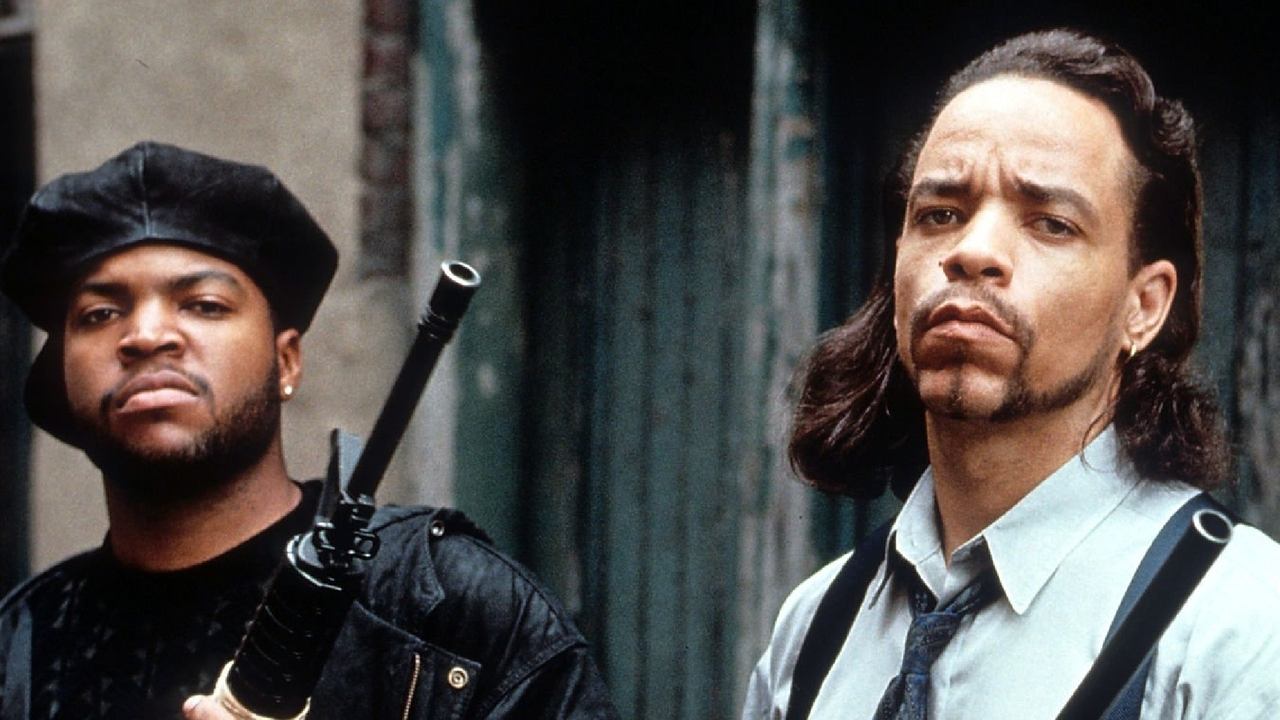
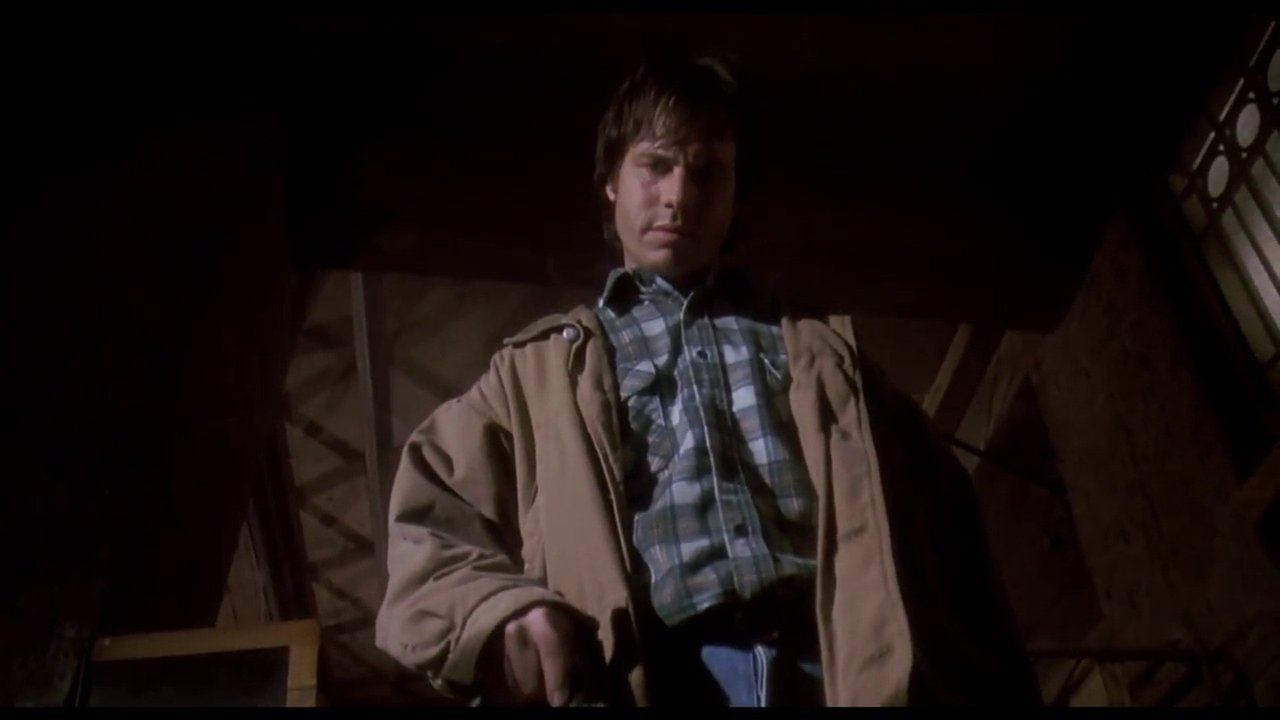
The casting is electric. Bill Paxton is perfect as the increasingly panicked Vince, the moral compass desperately trying to find purchase in a situation spiraling violently out of control. His wide-eyed terror feels utterly genuine, a stark contrast to William Sadler's unnervingly calm Don. Sadler, often playing villains but rarely with this level of calculated menace, portrays Don not as evil, but as dangerously pragmatic – a man willing to cross any line for the score. Their dynamic, the fracturing friendship under extreme duress, forms the film's shaky moral core.
On the other side, Ice-T delivers a commanding performance as King James, radiating street authority and simmering intelligence. He’s not just a generic gang leader; there’s a weariness beneath the threats, a sense of being trapped by his circumstances just as much as the firefighters are trapped in his domain. And then there’s Savon, played by Ice Cube (hot off Boyz n the Hood from 1991), radiating pure, volatile aggression. The tension between King James’s crew and the intruders crackles with authenticity, amplified by the claustrophobic setting and the undeniable racial undercurrents that the film doesn’t shy away from, even if it doesn't fully explore them.
Sounds of Siege and Behind-the-Scenes Grit
Adding immeasurably to the atmosphere is the score. While Ry Cooder, a frequent Hill collaborator, initially composed music, much of it was reportedly replaced or augmented by James Horner and others to heighten the tension further after test screenings. The final sonic landscape is a percussive, often dissonant assault that perfectly complements the visual chaos and creeping dread. It’s the kind of score that gets under your skin, mimicking the pounding heart of a character trapped in the dark.
Despite its pedigree and visceral power, Trespass landed with a thud at the box office, barely recouping its estimated $14 million budget. The unfortunate timing of its release, overshadowed by the LA riots and the necessary title change, undoubtedly played a role. It felt like a film caught out of time – too bleak for mainstream audiences, perhaps too straightforward for the arthouse crowd. Yet, watching it now on a buzzing CRT (or, let's be honest, a modern screen that still evokes that memory), its raw power is undeniable. It's a tightly constructed, unapologetically nasty piece of work.
***
VHS Heaven Rating: 8/10
Trespass earns its high marks for sheer, unrelenting tension, Walter Hill's masterful direction within confined spaces, and a set of powerhouse performances that feel dangerously real. The gritty atmosphere, the explosive action sequences (grounded and brutal, not cartoonish), and the film’s cynical core make it incredibly effective. It loses a couple of points perhaps for its somewhat simplistic characters outside the main four and the occasionally blunt handling of its themes, but its primary goal – to be a gripping, nail-biting siege thriller – is achieved with brutal efficiency.
It remains a potent, underrated gem from the early 90s action-thriller boom – a lean, mean survival story that grabs you by the throat and rarely lets go until the final, exhausted frame. Did this one keep you glued to your flickering screen back in the day? Its raw energy certainly hasn't faded.