It's a curious thing, watching a ghost. Not a spectral apparition, but a cinematic one – a flicker on the screen that feels intensely familiar, yet undeniably different. That’s the distinct sensation of sliding the L.A. Takedown tape into the VCR, especially for anyone whose cinematic landscape was later dominated by its bigger, bolder successor. This 1989 television movie, directed and penned by Michael Mann, exists in that strange twilight zone: a standalone work, yet forever casting a long shadow forward to 1995’s Heat. Seeing it now feels like uncovering a director's detailed pencil sketch before the final oil painting was revealed.
An Echo, Not Just a Blueprint
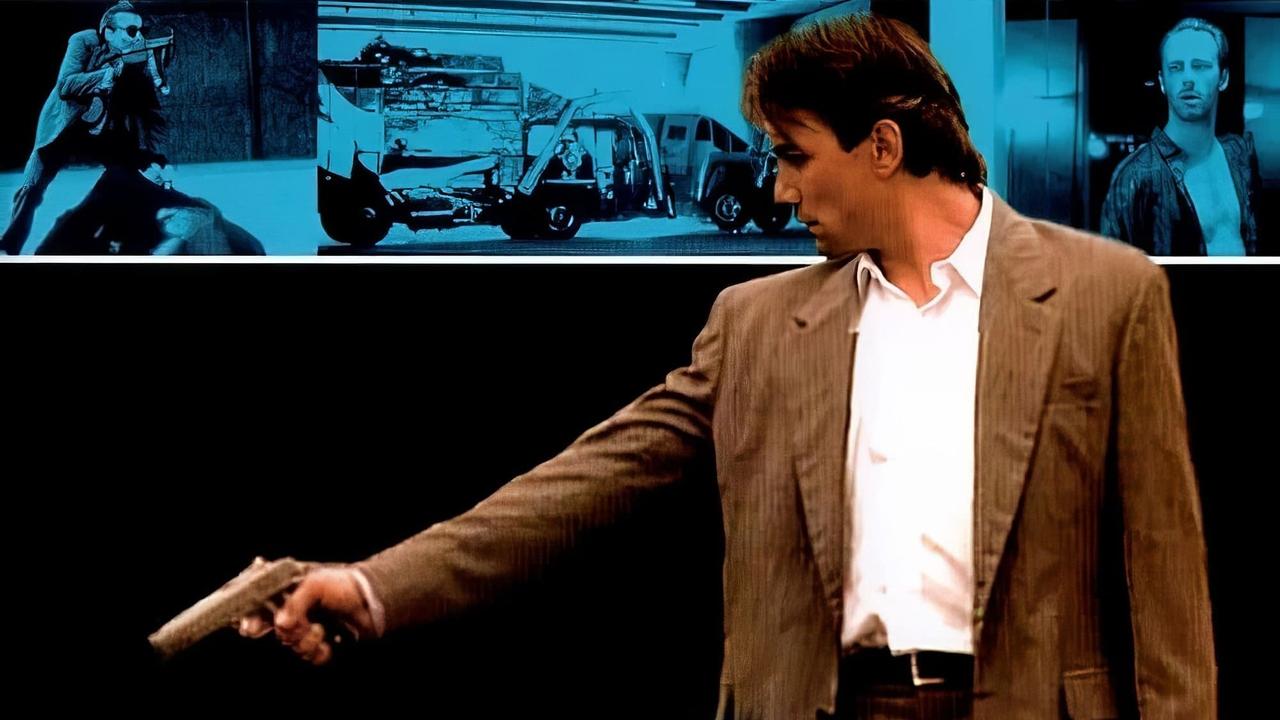
Aired originally as a pilot for a potential NBC series that never materialized, L.A. Takedown lays bare the narrative bones of what would become Mann’s sprawling crime epic. The core conflict is instantly recognizable: the obsessive, world-weary LAPD Robbery-Homicide detective locked in a deadly dance with a crew of highly disciplined, professional thieves. Here, the roles immortalized by Pacino and De Niro are filled by Scott Plank as Detective Vincent Hanna and Alex McArthur as Patrick McLaren, the coolly efficient leader of the heist crew.
Watching Plank’s Hanna is fascinating. He doesn't have Pacino's operatic volatility, offering instead a more grounded, almost weary intensity. There's a restlessness there, a sense of the job consuming him, but it’s played with a different frequency. McArthur’s McLaren, meanwhile, is less the stoic existentialist of De Niro’s McCauley and perhaps a touch more conventionally slick, fitting the mold of late-80s television leads. Yet, the professionalism, the code amongst thieves, the meticulous planning – it’s all present, Mann’s fascination with procedural detail already firmly established.
Stripped-Down Style, Familiar Beats
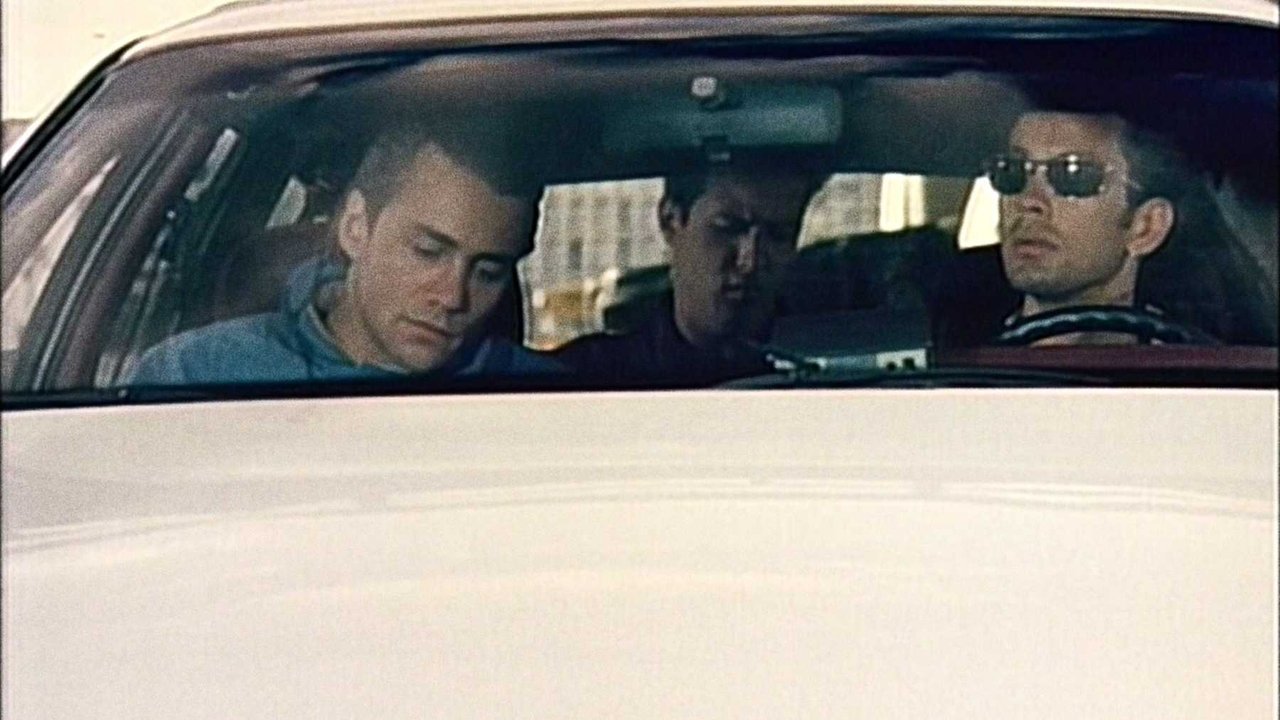
Of course, the constraints of a 1989 TV movie budget and timeframe are evident. The slick, steely-blue aesthetic Mann would perfect in Heat is replaced here by a brighter, sometimes flatter look typical of the era's television productions. The action sequences, while competently staged, lack the visceral, thunderous impact of their cinematic counterparts. Think less earth-shattering downtown shootout, more contained, focused bursts of violence. Yet, Mann’s directorial signatures are already peeking through: the sharp focus on character behavior under pressure, the use of authentic Los Angeles locations, and that pervasive sense of urban loneliness.
One of the undeniable draws for fans is spotting the direct parallels. Entire sequences, chunks of dialogue – they’re here, albeit in slightly rougher form. The iconic coffee shop meeting between cop and criminal, while lacking the heavyweight gravitas of Pacino and De Niro's legendary face-off, exists in embryonic form. Hearing lines you know by heart delivered by different actors in a different context creates that uncanny echo. It's like hearing a familiar song played on different instruments. A key piece of trivia often shared is that Mann had written the original script back in the late 70s, and after L.A. Takedown failed as a pilot, he held onto the rights, determined to realize its full potential on the big screen. This TV movie wasn't just a pilot; it was Mann refusing to let a story he believed in die. Look closely, and you'll even spot actor Xander Berkeley playing the volatile Waingro here, years before he'd reappear in Heat in a completely different role (Ralph, Drucker's informant).
More Than Just a Curiosity?
So, does L.A. Takedown stand on its own, away from the looming presence of Heat? It’s a tough question. Judged purely as a late-80s TV crime thriller, it’s solid. The pacing is swift (a necessity of its 97-minute runtime compared to Heat's near three hours), the plot mechanics are engaging, and the performances are professional. Michael Rooker, ever reliable, provides solid support as Detective Bosko, Hanna's right-hand man. It delivers a certain gritty satisfaction, a procedural snapshot of its time. I distinctly remember finding this on a dusty video store shelf years after Heat came out, drawn in by Mann's name, and feeling like I'd unearthed some secret history.
However, its primary value, undoubtedly, lies in its relationship to Heat. It serves as an invaluable document of Michael Mann's process, showcasing the evolution of his themes and stylistic preoccupations. It allows us to see the core narrative stripped down, revealing the strength of the underlying story even without the polish and star power of the later film. It highlights how casting, budget, and format can drastically alter the texture and impact of the same essential material. Watching it feels less like watching a "failed" pilot and more like peeking into the workshop of a master craftsman.
Rating: 6/10
This rating reflects L.A. Takedown's status as a compelling, well-made TV movie that is utterly overshadowed by its cinematic successor. The core Mann story is strong, and the performances are decent within their context, but the production limitations are undeniable. Its primary appeal today is as a fascinating comparison piece and a glimpse into the genesis of a crime classic. It’s a must-watch for Mann aficionados and Heat devotees, offering a unique perspective on the journey from small-screen concept to big-screen masterpiece.
It remains a captivating artifact, a ghost in the machine of Mann's filmography, reminding us that even legendary films sometimes have humble, flickering beginnings found on broadcast television and the shelves of yesterday's video stores.