Here we go, straight from the flickering glow of the CRT and the whir of the VCR...
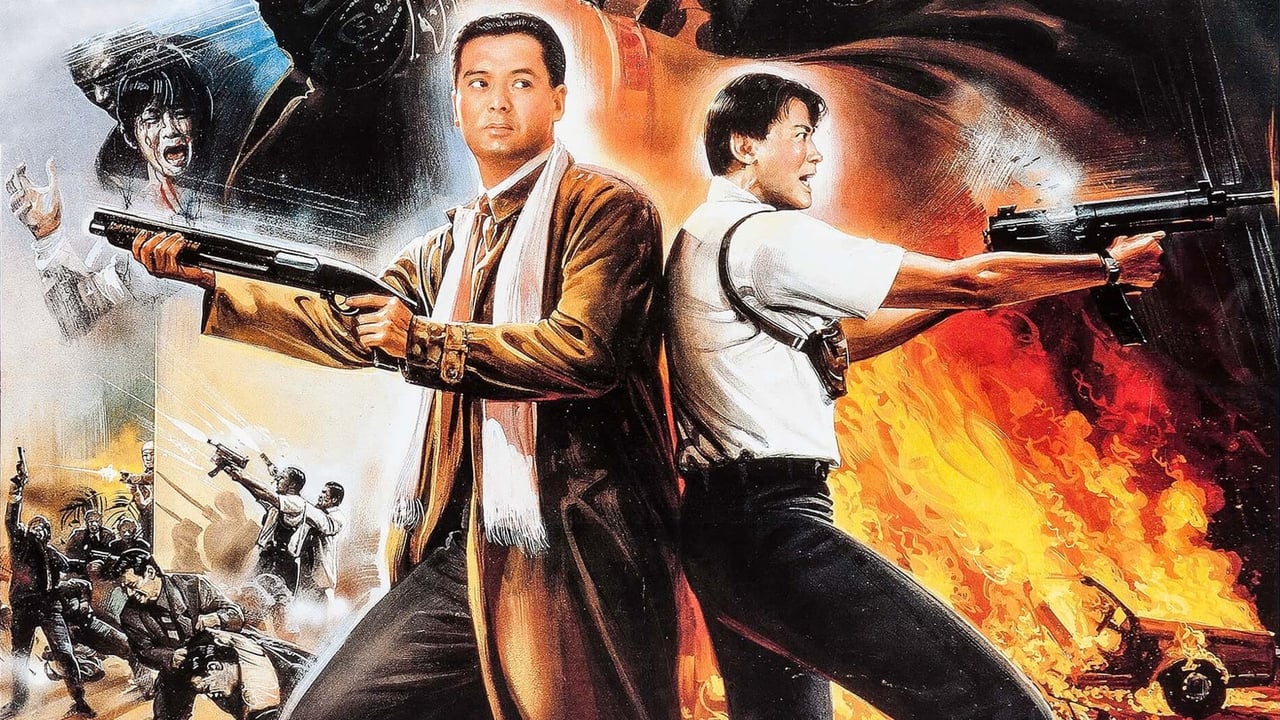
They say a cop and a killer are two sides of the same tarnished coin. In the neon-drenched, rain-slicked streets of Hong Kong circa 1989, director John Woo didn't just say it; he blasted it onto the screen with enough bullets and operatic tragedy to make your soul ache. The Killer isn't merely an action film; it's a blood-soaked poem about honour, sacrifice, and the strange kinship found in the crucible of violence. Watching it again now, that raw power, the sheer stylistic audacity, feels just as potent as it did on those worn-out rental tapes.
Symphony of Squibs
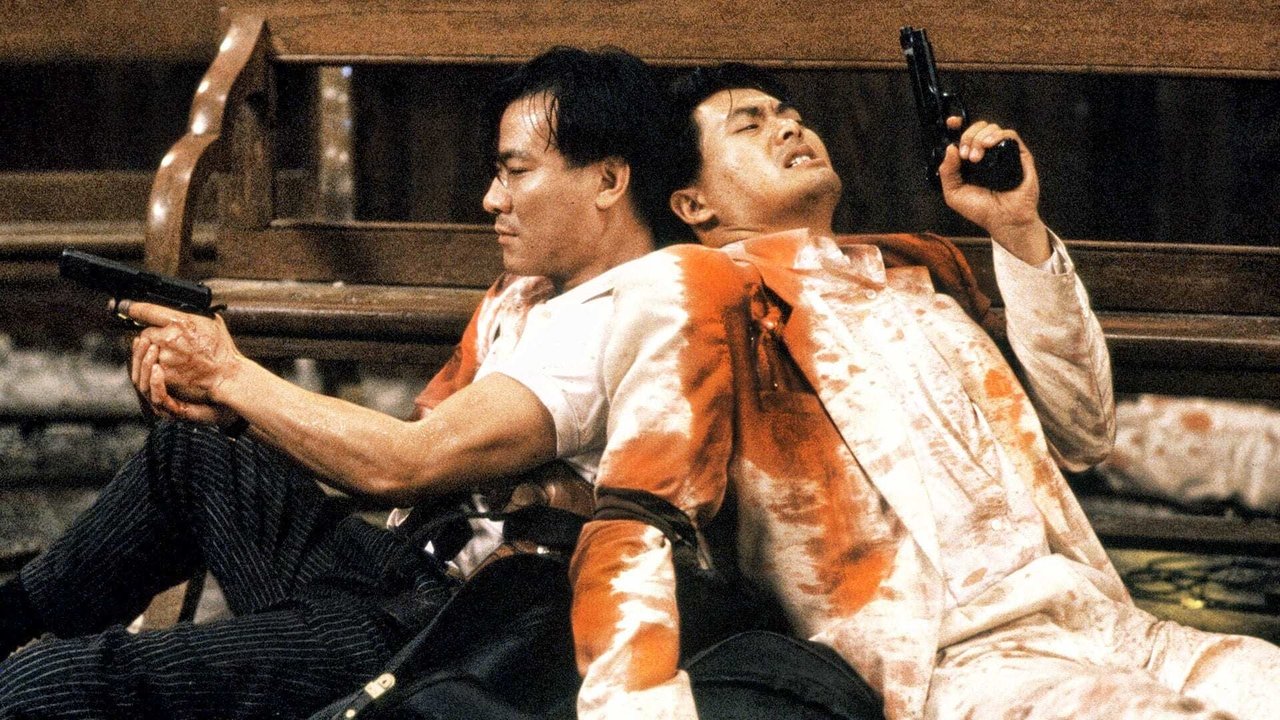
Forget subtle. Woo, even before hitting Hollywood with films like Face/Off (1997), was already a master craftsman of explosive mayhem, but here, it transcends mere spectacle. The action sequences in The Killer are legendary for a reason. They are ballets of ballistics, meticulously choreographed scenes where heroes slide across floors, dual-wielding pistols (.45 Long Slides, often Beretta 92Fs making their iconic appearance), defying physics while hundreds of squibs erupt in fountains of crimson. It's rumoured that the sheer amount of explosive charges used during the finale caused local authorities genuine concern. This wasn't just action; it was kinetic art, pushing the boundaries of what practical effects and stunt work could achieve on a relatively modest Hong Kong budget (reportedly around HK$14 million, peanuts compared to Hollywood blockbusters even then). Remember how utterly mind-blowing that looked back then, before CGI smoothed everything over? Doesn't that raw, messy impact still feel more visceral?
Brothers in Arms, Enemies by Trade
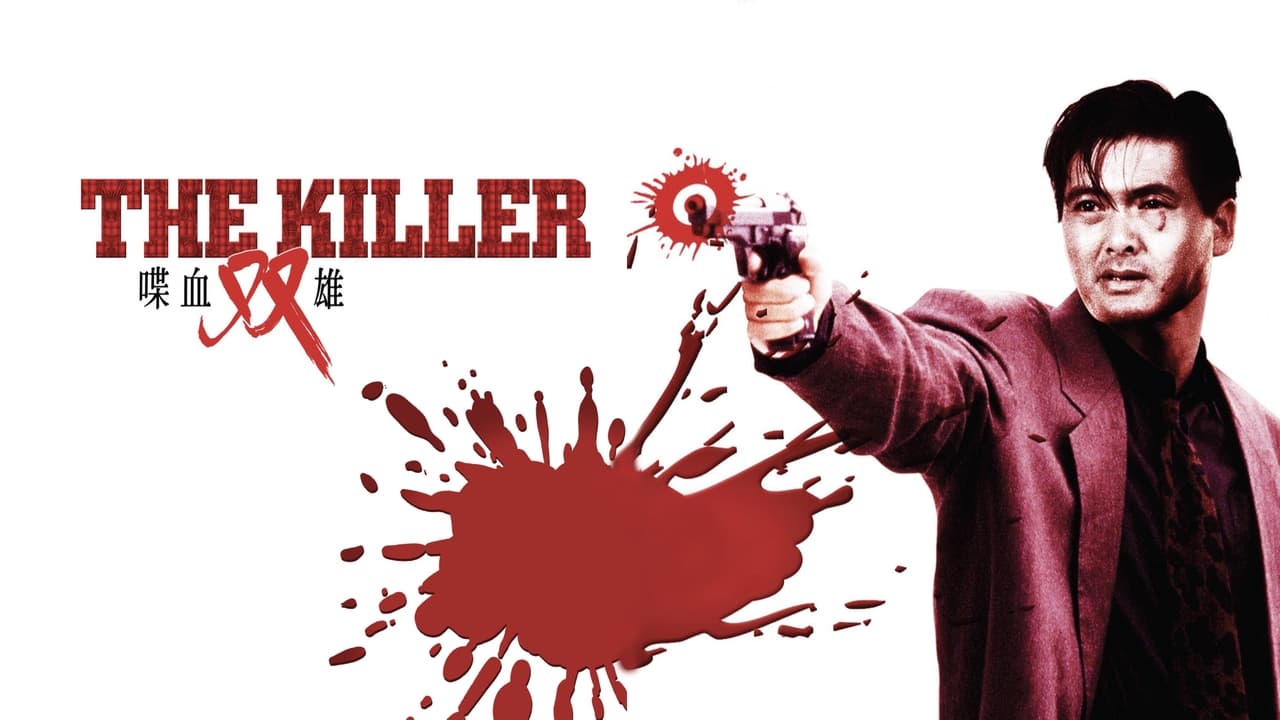
At the heart of the storm are two men: Ah Jong (Chow Yun-fat), the disillusioned hitman with a strict moral code, trying to perform one last job to fund sight-restoring surgery for Jennie (Sally Yeh), a singer he accidentally blinded during a shootout. Opposing him, yet strangely mirroring him, is Inspector Li Ying (Danny Lee), a determined cop who recognizes the honour within the killer he’s sworn to capture. Chow Yun-fat, already a superstar in Asia thanks to films like A Better Tomorrow (1986) (also directed by Woo), absolutely smoulders. He brings an effortless cool, a melancholy grace to Ah Jong, making you believe in his impossible quest for redemption. His chemistry with Danny Lee is electric – their standoffs crackle with mutual respect buried under professional animosity. It's this central relationship, this exploration of mirrored souls on opposite sides of the law, that elevates The Killer beyond a simple shoot-'em-up. Woo himself cited influences like Jean-Pierre Melville's Le Samouraï (1967) and Sam Peckinpah's The Wild Bunch (1969), and you can feel that blend of existential cool and brutal elegy.
The Church, The Doves, The Melodrama
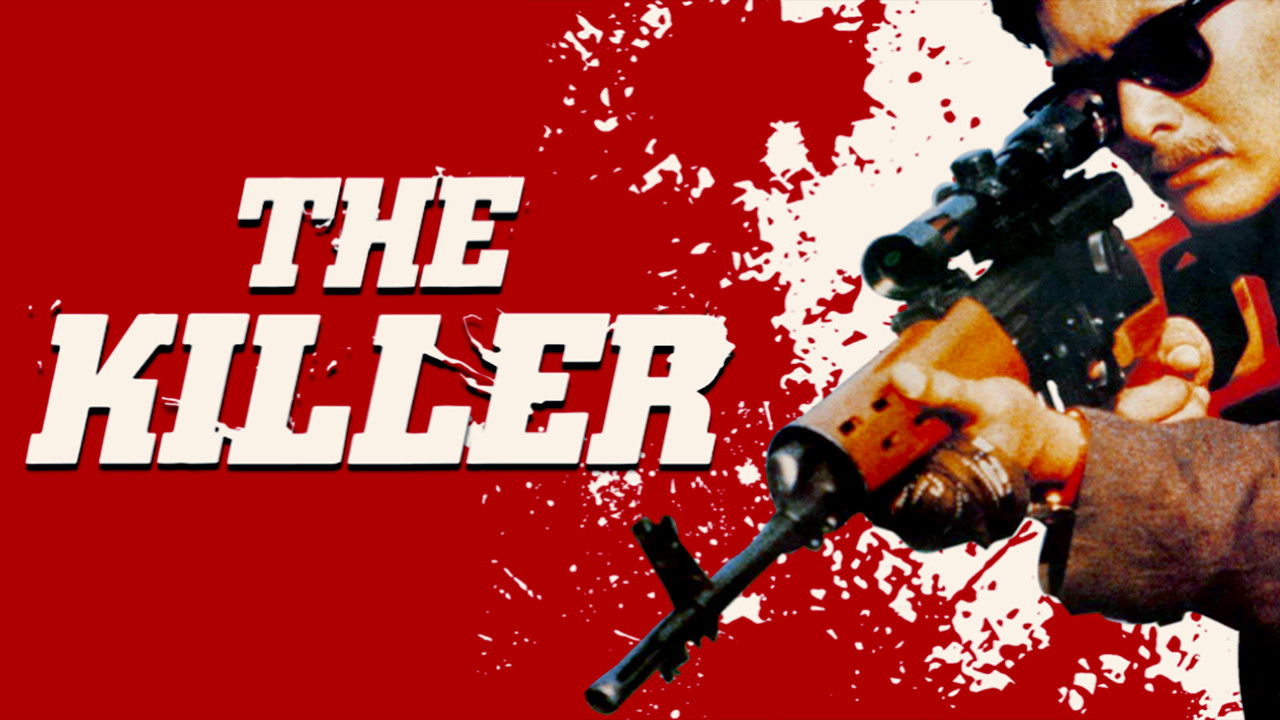
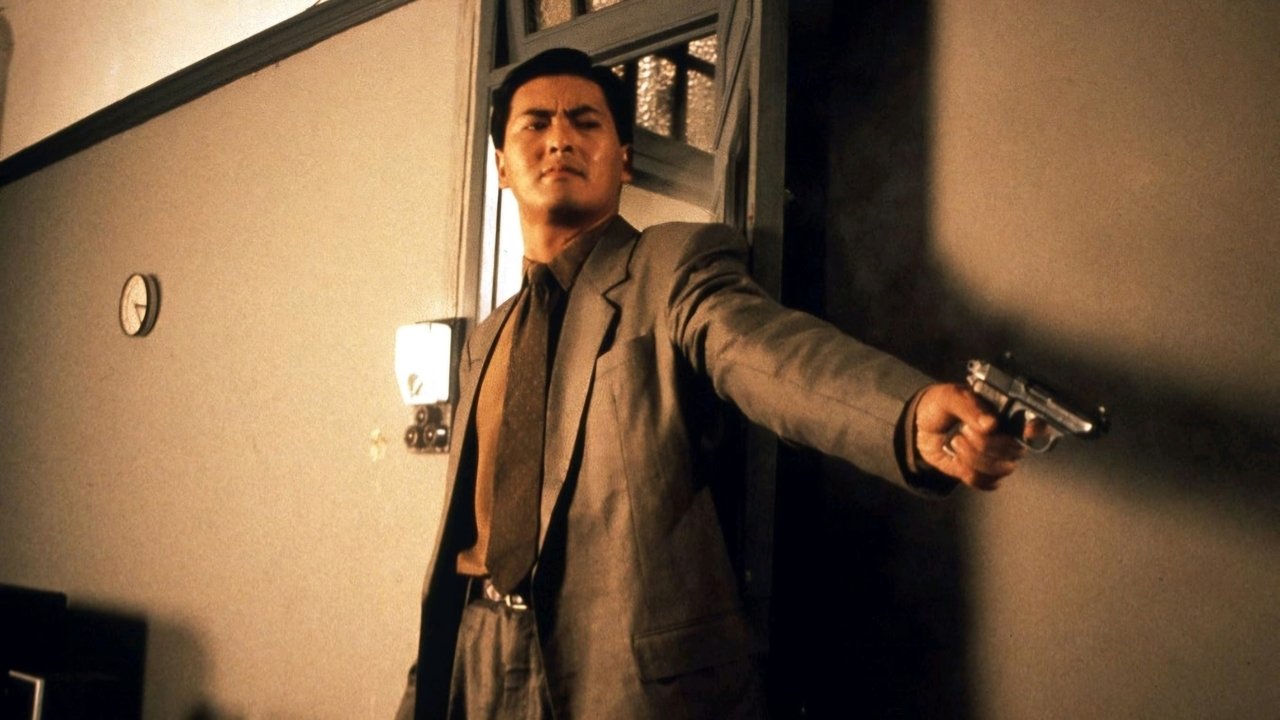
Woo isn't afraid of melodrama; he embraces it, cranks it up to eleven, and uses it to amplify the emotional stakes. The plight of Jennie, the ticking clock on her eyesight, Ah Jong's desperate need for atonement – it’s all laid on thick, underscored by Lowell Lo's often haunting score. And then there are the signature Woo touches: the slow-motion dives, the Mexican standoffs, and, of course, the doves. The image of white doves scattering amidst chaotic gunfire in a desecrated church became an indelible cinematic moment, a symbol of fleeting purity in a world soaked in sin and gunpowder. It might seem excessive now, almost cliché thanks to countless imitators, but experiencing it within the original context feels operatic and powerful. It’s a visual representation of the film's soul: beautiful violence intertwined with tragic grace. Woo famously fought studio interference to keep these elements, insisting they were crucial to the film's emotional core.
Legacy in Lead
Finding a decent copy of The Killer on VHS back in the day often meant dealing with murky transfers and questionable subtitles, but it didn't matter. The film's impact was immediate and undeniable. It, along with other Woo classics, essentially introduced the "heroic bloodshed" genre to a wider Western audience, influencing countless action directors, from Quentin Tarantino to Robert Rodriguez. The stylistic flourishes, the hyper-kinetic editing, the focus on honour and brotherhood amidst extreme violence – you can trace its DNA throughout action cinema of the 90s and beyond. It wasn't just a Hong Kong action flick; it was a revelation, a statement that action could be poetic, emotional, and visually stunning in ways Hollywood hadn't quite grasped yet. Its initial reception wasn't universally acclaimed (some critics found the violence excessive or the plot overly sentimental), but its cult status grew rapidly among film enthusiasts, cementing its place as a landmark achievement.
---
VHS Heaven Rating: 9/10
The Killer earns this high score for its masterful direction, iconic performances from Chow Yun-fat and Danny Lee, groundbreaking action choreography that still thrills, and its profound influence on the genre. The intense melodrama might occasionally border on excessive for some, but it’s integral to John Woo’s operatic vision. It successfully blends visceral thrills with genuine pathos, creating something truly special.
Final Thought: Decades later, the echo of gunfire and the flutter of doves still resonates. The Killer remains a high-water mark for action cinema, a tragically beautiful masterpiece that proved bullets and brotherhood could make for explosive poetry. It’s more than just nostalgia; it’s pure cinematic adrenaline with a beating, bleeding heart.